

To More Inquiry

Rishikesh, located at the foothills of the Himalayas along the pristine River Ganga, is one of India’s most spiritually powerful and naturally blessed destinations. Often called the Yoga Capital of the World, Rishikesh is where spirituality blends with adventure, where riverbanks turn into meditation spots, and where ashrams, temples, cafés, and forests co-exist with a perfect sense of harmony. The town is small, but the experiences are immense. From serene ghats to iconic bridges, from ancient temples to yoga retreats, and from adventurous river rafting to peaceful river walks, Rishikesh offers something meaningful for every traveller.
Rishikesh is not simply a tourist destination. It is a place where:
Spirituality is lived every day
Meditation and yoga are part of life
The river maintains its purest Himalayan form
Natural beauty unfolds at every corner
Adventure activities attract thrill-seekers
Ancient stories and modern cafés co-exist
The experience of being in Rishikesh is uniquely uplifting. The combination of mountains, rivers, temples, ashrams, forests, and open skies makes it feel timeless.
Rishikesh has been a spiritual gateway for thousands of years. Sages and yogis meditated here, the Ganga purified their tapasya, and ancient paths through the forests became modern pilgrimage routes. Many travellers who visit Rishikesh speak about feeling a shift in their energy — calmness, clarity, and lightness.
Presence of ancient ashrams
Daily Ganga Aarti rituals
Purity of the river
Meditation caves linked with saints
Yogic and Vedic learning centres
Quiet riverside ghats
The aura of Rishikesh is gentle yet powerful.
Rishikesh sits where the Himalayan mountains begin. The river is turquoise and strong, the forests are lush, and the air is crisp and refreshing. Travellers love the clean riverbanks, the long river walks, and the lush hills rising directly behind the ghats.
Crystal-clear river water
Forests of Rajaji Tiger Reserve
Hill viewpoints
Waterfalls
Mountain winds in the evenings
Rishikesh is one of the few places in India where you can meditate in the morning, trek midday, and watch a peaceful Aarti at sunset.
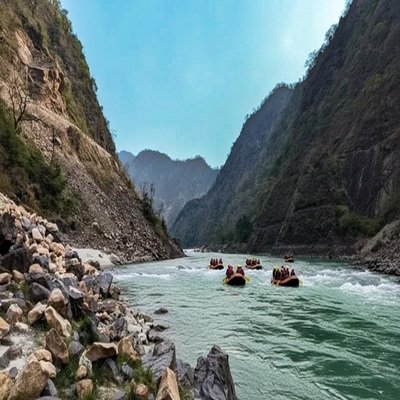
Rishikesh is India’s adventure capital. The river’s rapids make it ideal for rafting, and the forest routes are perfect for hiking.
River rafting
Cliff jumping
Bungee jumping
Kayaking
Zip lining
Camping
Waterfall trekking
This unique combination of spirituality + adventure is what makes Rishikesh appealing to all kinds of travellers.
Beyond spirituality and adventure, Rishikesh has evolved into a cultural and café-friendly destination. Streets around Laxman Jhula and Tapovan have beautiful riverside cafés serving continental, Israeli, organic, and vegan food. Many cafés also host live music, art sessions, or wellness workshops.
River views
Calm interiors
Healthy food
Backpacker vibes
Yoga + wellness culture
This makes Rishikesh perfect for long stays and slow travel.
Rishikesh is the entry point for:
Kedarnath
Badrinath
Valley of Flowers
Hemkund Sahib
Auli
Chopta
Gangotri
Yamunotri
Rudraprayag
Devprayag
This is why thousands of travellers first visit Rishikesh before heading deeper into Uttarakhand.

Triveni Ghat is the largest, most important, and most historically significant ghat in Rishikesh. It is believed to be the confluence of three sacred rivers — Ganga, Yamuna, and Saraswati. Even though Saraswati remains invisible, the energy of the meeting point is considered deeply spiritual.
For thousands of years, sages have meditated here, rituals have been performed, and devotees have taken a holy dip at sunrise. The ghat is wide, clean, and always alive with activity — from morning prayers to evening Aarti.
Considered one of the oldest tirthas (holy sites) in Rishikesh, Triveni Ghat has references in ancient Hindu texts and epics.
Many travellers love to visit around sunrise, when the atmosphere is calm and filled with soft chanting.
People believe that bathing here purifies the mind and soul.
Priests, pilgrims, residents, and travellers all share this space harmoniously.
Wide, clean, and open ghat area
Continuous chanting and rituals
Local vendors selling flowers and diyas
Multiple temples nearby
A favourite among photographers
Triveni Ghat truly captures the essence of Rishikesh — spiritual, welcoming, and peaceful.
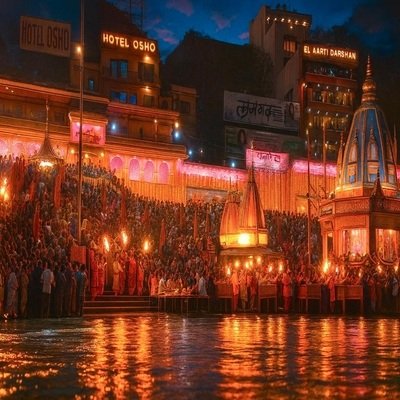
The Maha Aarti at Triveni Ghat is one of the most beautiful spiritual rituals in India. Unlike the more famous Har Ki Pauri Aarti in Haridwar, the Rishikesh Aarti is gentler, calmer, and more personal.
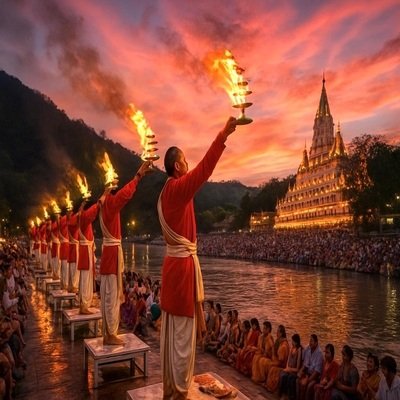
As sunset approaches, priests dressed in saffron gather with lamps, conches, incense, and flower offerings. The rhythmic chanting, the powerful sound of bells, the reflection of the flames on the water, and floating diyas create a peaceful and emotional experience.
While Haridwar’s Aarti is grand, Rishikesh’s Aarti is soothing and spiritual.
The evening breeze and soft river currents make the experience magical.
The ceremony feels intimate, allowing you to sit calmly and absorb the moment.
Many Rishikesh locals attend daily, which preserves the authenticity of the ritual.
Arrive 30–45 minutes early to find a peaceful spot
Sit close to the centre area for the best view
Carry a shawl or light jacket during winter
Photography is allowed, but be respectful
You can offer floating diyas after the ceremony
The Aarti is a must-do on every Rishikesh trip — regardless of religion.
Rishikund is a serene and ancient stepwell-like pond near Triveni Ghat. The pond is filled with clear water and reflects the image of the nearby Raghunath Temple. According to legend, the pool was created by the great sage Kubz, and the gods themselves blessed it.
This peaceful spot is perfect for travellers who enjoy heritage sites and traditional architecture.
Associated with ancient legends
Calm, quiet, and ideal for contemplation
Beautiful reflection photography
Located near old temples and narrow lanes
Rishikund feels like a hidden gem — a part of Rishikesh’s older heritage that many travellers miss.
Located near Triveni Ghat, Bharat Mandir is believed to be one of the oldest temples in Rishikesh. Dedicated to Lord Vishnu, it is said to have been established by Adi Shankaracharya in the 8th century.
The temple houses a sacred Shaligram stone that is worshipped as the main deity.
The temple represents Rishikesh’s ancient past as a centre of sages.
Unlike the crowded hilltop temples, Bharat Mandir is calm and ideal for quiet prayer.
Simple stone floors, carvings, and a pure spiritual aura make it special.
The markets here are filled with:
Prayer items
Flower baskets
Rudraksha malas
Sweets
Lamps
Local crafts
Evening strolls here feel refreshing and culturally rich.
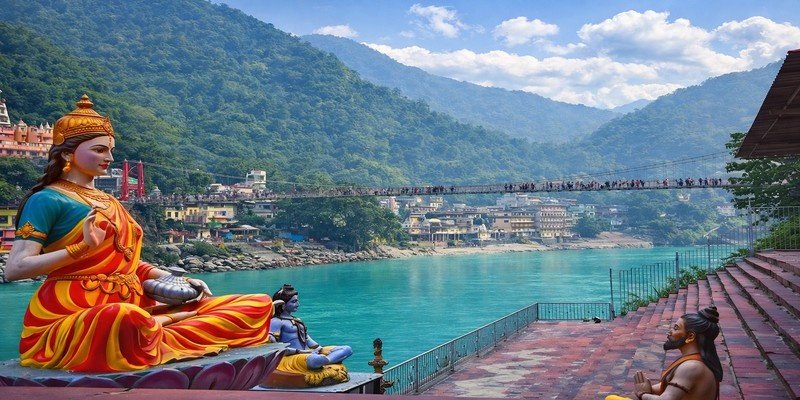
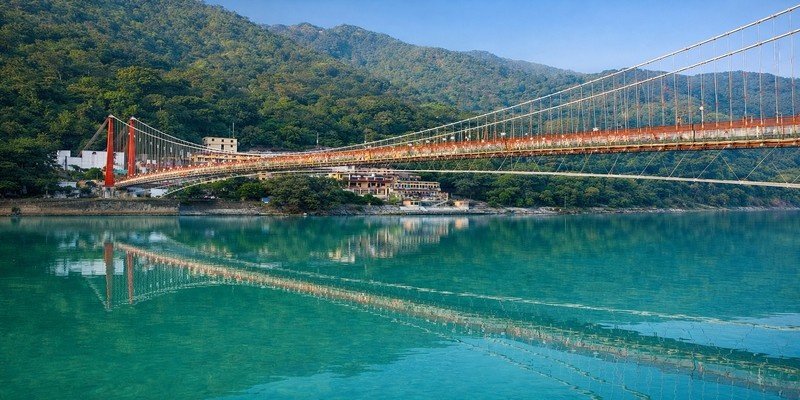
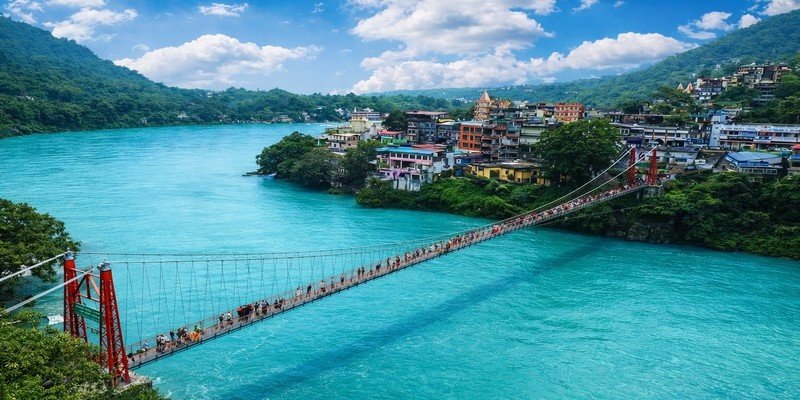
Laxman Jhula is the most famous landmark in Rishikesh. The bridge, built in 1929, stands at the spot where Lord Laxman is believed to have crossed the river using a jute rope. Although the original structure has been closed for heavy traffic, its cultural importance remains unmatched.
The surroundings include ashrams, temples, cafés, small shops, street food outlets, and scenic river bends.
According to Ramayana legends, Laxman crossed the Ganga here during his exile with Lord Rama.
The turquoise river below and forested hills create a postcard-perfect scene.
Pilgrims, backpackers, sadhus, locals, and travellers all share the same space.
Crossing Laxman Jhula brings you into the Tapovan area — the trendiest part of Rishikesh.
River photography from both ends
Temple bells echoing through narrow lanes
Street stalls selling prasad, malas, books, and organic herbs
Lovely cafés with hill and river views
Sunset reflections on the river surface
The energy around Laxman Jhula is vibrant, youthful, and culturally rich.
Ram Jhula lies downstream from Laxman Jhula and offers a quieter, more spiritual atmosphere. The bridge connects the Swarg Ashram area with Sivananda Ashram and Gita Bhawan.
Where Laxman Jhula attracts backpackers and travellers, Ram Jhula is dominated by monks, ashram residents, and devotees.
The breeze, the sound of river currents, and temple bells make the walk soothing.
Sivananda Ashram
Gita Bhawan
Swarg Ashram
Parmarth Niketan (10–15 minutes ahead)
Morning and evening hours feel divine here.
Simple snacks with beautiful river views.
Gita Bhawan complex
Yogashram bookshops
Ayurvedic stores
Wide river ghats
Quiet meditation spaces
Sadhus chanting along the river
Ram Jhula is gentler than Laxman Jhula — ideal for travellers who seek peace.
Swarg Ashram is one of the oldest spiritual settlements in Rishikesh. Its riverfront is quiet, beautiful, and lined with ashrams, sadhus, yoga centres, bookshops, and bright-orange ascetics.
The long riverfront stretch offers peaceful walks and perfect morning views.
Monks performing rituals
Devotees reading scriptures
Chanting in the background
The area has vegetarian cafés serving clean, healthy food.
You can sit by the river for hours without disturbance.
Swarg Ashram feels like a spiritual neighbourhood rather than a tourist spot.
Gita Bhawan is a large devotional complex with:
Temples
Bookshops
Ayurveda counters
Satsang halls
Free accommodation (for pilgrims)
Its riverside area is one of the cleanest and calmest stretches in Rishikesh.
Deep spiritual atmosphere
Free reading rooms
Large ghat for peaceful sittings
Evening chanting sessions
Ayurvedic shops offering herbal medicines
It is a favourite among elderly pilgrims and spiritual seekers.
Founded by Swami Sivananda, this ashram is known globally for yoga teachings, meditation classes, and spiritual study.
Daily yoga and meditation lessons
Library and bookshop
Satsang and bhajan sessions
Quiet river-facing spaces
International students and seekers
The ashram represents the pure yogic heritage of Rishikesh.

Parmarth Niketan is one of the largest and most respected ashrams in India. Spread across a vast campus on the riverbank, it offers a serene environment for yoga, meditation, spiritual learning, and Ayurvedic healing. Travellers from India and across the world come here to find peace, clarity, and grounding.
The ashram is surrounded by gardens, trees, satsang halls, meditation rooms, and open spaces dedicated to wellness.
The ashram hosts yoga courses, meditation sessions, satsangs, and global spirituality programs.
The Ganga-facing ghat, colourful statues, and serene walkways create a visually soothing experience.
Every March, the world’s biggest yoga gathering takes place here.
Unlike commercial zones, Parmarth maintains discipline, silence, and spiritual purity.
Attend morning & evening satsang
Join yoga and pranayama sessions
Meditate along the river
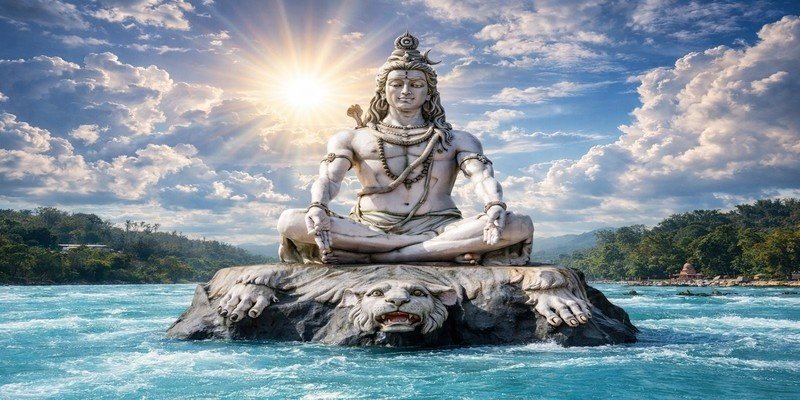
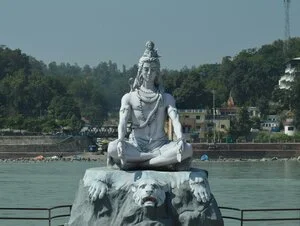
Explore the huge Shiva statue
Walk through peaceful gardens
Visit the spiritual gift shops
Join Ganga Aarti in the evening
Parmarth Niketan is ideal for both short visits and longer spiritual retreats.
The Parmarth Niketan Ganga Aarti is not merely a ritual; it is a beautifully choreographed spiritual ceremony filled with devotion, music, mantras, and a serene ambience. Compared to Triveni Ghat, the Parmarth Aarti feels organised, calm, and family-friendly.
Monks, ashram students, travellers, and spiritual seekers gather in harmony each evening.
The ceremony takes place in front of a giant Shiva statue by the river, creating a majestic backdrop.
The singing, chanting, and instruments create a deep emotional atmosphere.
Unlike crowded Aartis, people here sit calmly in rows.
Ideal for children, elders, and visitors seeking a meditative evening.
After the Aarti, travellers release flower-filled diyas into the river.
The Aarti is one of the most moving experiences in Rishikesh and should not be missed.
One of Rishikesh’s most unique attractions, the Beatles Ashram is where the legendary band stayed in 1968, learning meditation under Maharishi Mahesh Yogi. The site later became abandoned, allowing nature to reclaim it. Today, it stands as a fascinating blend of history, art, meditation, and forest beauty.
This is where the Beatles composed many songs during their stay in India.
Walls, domes, and meditation huts are covered in murals, graffiti, and psychedelic art.
The ashram is inside forest land, making it perfect for long, peaceful walks.
There are dozens of dome-shaped meditation cells built for Vedic practice.
Forest trails, colourful art, silence, and abandoned structures offer endless photo opportunities.
Meditation caves
Yoga halls
Wall art galleries
Forest trails
Graffiti-covered ruins
Old ashram structures
Open-air discussion spots
The entire campus feels magical, meditative, and inspiring.
The entire area around Parmarth Niketan and Ram Jhula is filled with yoga centres, small meditation halls, ashram libraries, and traditional Ayurvedic treatment rooms. Many travellers come here for wellness programs, detox sessions, or spiritual studies.
Herbal therapies and massages for stress relief.
Quiet halls where monks conduct guided meditation.
Vedic chanting, philosophy, pranayama, and Bhagavad Gita classes.
Clean, vegetarian cafés serving satvik food.
This zone offers everything needed for spiritual rejuvenation.
This riverside walk is incredibly scenic. It passes through peaceful ghats, forest trails, open views of the Ganga, occasional monkeys, and viewpoints perfect for photography.
Constant river breeze
Calm, uninterrupted river views
Quiet spiritual vibe
Forest sounds and birds
Perfect for sunrise and sunset
This walk feels like therapy — calming, refreshing, and deeply grounding.

Located about 30 kilometres from Rishikesh, Neelkanth Mahadev Temple stands at an altitude of around 1,330 metres. According to Hindu mythology, this is the spot where Lord Shiva drank the poison that emerged during the great churning of the ocean (Samudra Manthan), turning his throat blue and giving him the name Neelkanth.
The journey to Neelkanth is scenic and filled with forests, river crossings, and mountain bends. The temple is a blend of serenity, mythological importance, and scenic beauty.
The temple marks a turning point in the ancient Samudra Manthan tale. Devotees believe offering water to the Shiva Lingam here fulfils wishes and brings spiritual purification.
The temple is embraced by Rajaji National Park forest ranges. The cool air, chirping birds, and green surroundings create a meditative environment.
The drive winds through forests and hills, offering spectacular river and valley views.
The temple combines spirituality and nature in perfect proportions.
Offer prayers at the Shiva Lingam
Explore the temple carvings depicting Samudra Manthan
Walk around the temple complex for peaceful views
Visit small stalls selling prasad and rudraksha beads
Sit quietly and feel the spiritual calm of the surrounding mountains
Early morning is the best time to avoid queues
Roads are smoother now, but remain narrow at turns
Visit during weekdays for a peaceful darshan
Carry a light jacket in the winter months
Combine with a trip to Patna Waterfall or a café stop in Tapovan
Kunjapuri Devi Temple is one of the most spectacular hilltop temples in the Rishikesh region. Located at 1,676 metres above sea level, it offers panoramic views of the Shivalik range and distant Himalayan peaks.
The temple is one of the 52 Shakti Peethas in India and holds deep spiritual importance. But what makes it especially popular is its unforgettable sunrise.
The sun rises behind snow-capped Himalayan ranges, illuminating the mountains with golden and orange hues. Travellers often describe it as the best sunrise of their lives.
The temple is dedicated to Goddess Parvati (Shakti), making it a powerful place for prayer and meditation.
You can reach the temple via:
A scenic drive from Tapovan
A popular trek route starting from the Rishikesh hills
Both offer beautiful landscapes.
From the temple’s summit, you can see:
Rishikesh town
River Ganga winding through the valley
Nearby villages
Mountain layers extending into the horizon
Leave Rishikesh 4:30–5:00 AM
Drive for about 30–45 minutes
Climb around 250 steps from the parking area
Reach the temple summit before sunrise
Watch the Himalayan peaks change colours
Enjoy panoramic views and refreshing winds
Explore the temple
Return to Rishikesh or continue sightseeing
Carry warm clothing for early mornings
Wear comfortable shoes for steps
Sunrise visits are better than sunset
Weekdays are more peaceful
Combine the trip with waterfall visits, rafting, or a breakfast café in Tapovan

The hills surrounding Rishikesh are dotted with multiple viewpoints offering wide panoramas of forests, valleys, and river curves.
Some notable viewpoints include:
Neer Garh waterfall viewpoint
Patna waterfall hill viewpoint
Kunjapuri ridge top
Neelkanth route forest viewpoints
Tapovan hill cafés overlooking the river
The mountain air feels cool, clean, and calming.
Rivers, fields, villages, forests, and cliffs create a constantly shifting scenery.
Sunrise and sunset shots come out beautifully.
Ideal for travellers who want to escape noise and immerse themselves in nature.
Neer Garh Waterfall, also known as Neer Gaddu, is one of the most visited waterfalls in Uttarakhand. Located just a few kilometres from Rishikesh, it is famous for its two-tier cascades, turquoise pools, scenic bridges, and short forest trek.
The waterfall is easily accessible and ideal for families, couples, solo travellers, and nature lovers.
The first fall is accessible after a short walk and offers a wide, photogenic cascade. The upper tier requires a slightly longer trek and is always less crowded.
The pools formed below the falls are perfect for relaxing your feet or enjoying a refreshing splash during summer.
Neer Garh’s trail passes through lush forests with bamboo clusters, small birds, butterflies, and scenic viewpoints.
Small wooden bridges and stone paths make the approach scenic and fun.
Travellers love capturing the flowing water, sunlight filtering through trees, and the crystal-green pools.
Clean flowing water
Shallow natural pools
Light trekking paths
Scenic rocks for sitting
Small cafés and juice stalls
Cool breezes from falling water
The atmosphere here is refreshing and energising, especially in the early morning.
Early morning is the best time to avoid crowds
Wear shoes with a good grip (especially during the monsoon)
Carry water and light snacks
The upper tier is calmer and more scenic
Weekdays offer a more peaceful experience
Parking is available at the base
Neer Garh is ideal for travellers who want nature without committing to long treks.
Patna Waterfall is located on the Neelkanth road and is named after Patna village nearby. Unlike Neer Garh, which is more commercial, Patna Waterfall is peaceful, forested, and ideal for slow walks and nature photography.
It is also associated with local spiritual practices because the trail leads to a small limestone cave above the waterfall.
The walk to the waterfall passes through dense forest, making it perfect for travellers who prefer nature over commercialised spots.
Patna is not a very tall waterfall but has multiple small streams flowing over wide rock surfaces, creating gentle mist.
The cave above the waterfall, often used by sadhus, gives the location a unique spiritual aura.
The trek is longer than Neer Garh but peaceful and enjoyable.
Forest shade throughout the trail
Soft green moss on rocks during the monsoon
Peaceful trekking ambience
Perfect for meditation or reading
Ideal for photography enthusiasts
Patna Waterfall is the top choice for travellers seeking quiet, pure nature.
Avoid visiting late evening because the trail passes through the forest
Good walking shoes are necessary
Carry water because there are no shops on the trek
Visit after the monsoon for maximum water flow
Perfect to combine with Neelkanth Temple
One of the most respected ashrams in India, Sivananda Ashram, was founded by Swami Sivananda, a great saint, philosopher, and yogi. The ashram focuses on yoga, meditation, service, and spiritual study.
The ashram follows traditional Himalayan yogic teachings and offers regular meditation sessions, chanting, and study classes.
The ashram faces the Ganga, making it ideal for early morning meditation.
A vast collection of spiritual books written by Swami Sivananda and other masters.
These sessions create a peaceful, devotional atmosphere.
The discipline and purity of this ashram make it a must-visit.
Located near the Ganga, this ashram is known for its Vedic chanting, temple architecture, and spiritual discipline.
Excellent chanting sessions
Peaceful, orderly environment
Traditional temple architecture
Ideal for meditation
Library for scriptural study
This ashram is perfect for those seeking deep silence and devotional ambience.
Located around 25 kilometres from Rishikesh on the Badrinath highway, this ancient cave is believed to be where Sage Vashishta — one of the great sages of India — meditated. The cave is quiet, dark, and filled with a powerful spiritual vibration.
You can sit in the cave and meditate without disturbance.
Connected to Sage Vashishta and ancient rishi traditions.
The cave is located next to the Ganga in a scenic, forested area.
A small ghat near the cave is ideal for peaceful river meditation.
Visit in the early morning
Maintain silence inside the cave
Sit for at least 10–15 minutes to feel its energy
Combine with a visit to the Ganga beach nearby
Vashishta Gufa is one of the most spiritually powerful places around Rishikesh.
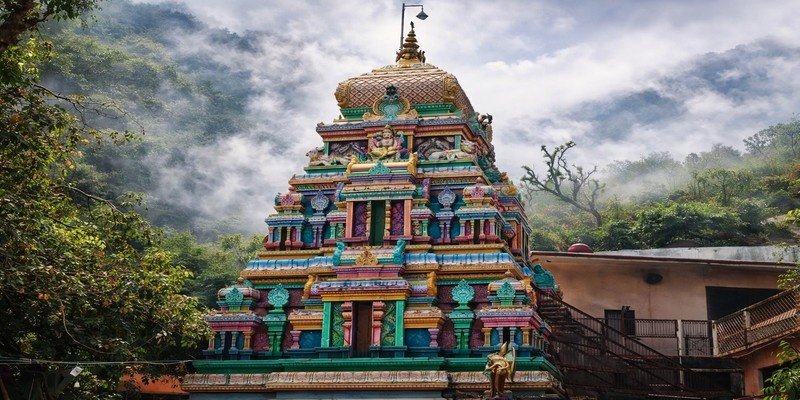
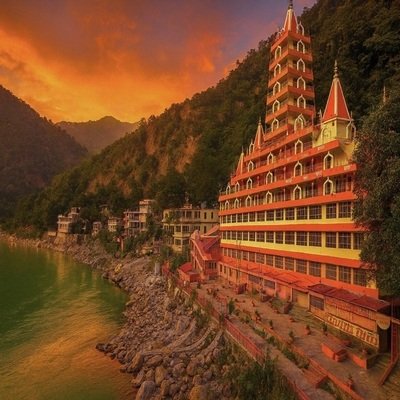
Trayambakeshwar Temple, the towering 13-storey temple near Laxman Jhula, is one of the most photographed and recognisable structures in Rishikesh. Standing tall along the riverbank, this temple is a multi-level spiritual complex with shrines dedicated to various deities on each floor.
Iconic architecture overlooking the Ganga
Each floor houses different deities
Excellent viewpoint from the upper floors
Vibrant spiritual atmosphere
Popular photography spot
Panoramic views from the top floors
Dozens of small temples inside
Bells, chanting, and incense throughout
Good place to learn about Hindu deities
River breeze from open balconies
Trayambakeshwar is a must-visit for every traveller because it combines beauty, devotion, and architecture.
Located near Triveni Ghat, Raghunath Temple is dedicated to Lord Rama. It is an ancient shrine with peaceful surroundings, traditional carvings, and a calm devotional environment.
Historically significant
Peaceful, clean temple courtyard
Close to Rishikund and Triveni Ghat
Ideal for quiet morning visits
This temple carries the energy of old Rishikesh, long before the modern bridges and cafés appeared.
Bharat Mandir is considered the oldest temple in Rishikesh. Established by Adi Shankaracharya in the 8th century, it holds a sacred Shaligram idol and ancient relics.
The historically oldest temple of Rishikesh
Spiritual centre of ancient sages
Located in old-town lanes
Annual Basant Panchami procession
The temple reflects the true yogic roots of Rishikesh.

Located right next to Laxman Jhula, Lakshman Temple is believed to be built on the site where Lord Laxman performed penance after crossing the Ganga.
Connected to Ramayana
Peaceful meditation hall
Strong spiritual significance
Excellent location for river views
It is a smaller temple compared to the larger ones, but deeply significant.
The Swarg Ashram area contains numerous small temples, often overlooked by tourists:
These places maintain traditional devotional practices.
Very peaceful
Surrounded by nature
Daily chanting ceremonies
No commercial noise
Ideal for meditation
Swarg Ashram feels like the spiritual heart of Rishikesh.
Many ghats have temples attached to them. These shrines are dedicated to the river goddess and Himalayan deities.
Perfect for prayer, meditation, and sunrise rituals.
The river flow amplifies the experience.
Small Aarti ceremonies take place at several ghats.
Less commercial and more local.
Rishikesh offers spiritual experiences that are rare in modern cities:
Many temples open before sunrise, making morning visits spiritually powerful.
Visitors can learn mantra chanting, Gita recitation, or stotra learning.
Hidden temple courtyards offer perfect silence.
Priests conduct simple pujas for peace, prosperity, and blessings.
Rishikesh’s markets are lively, colourful, and filled with spiritual, traditional, and handmade items. Walking through these lanes gives you a taste of the town’s culture, daily routine, and devotional energy.
The Laxman Jhula market is a mix of:
Spiritual shops
Local jewellery
Handmade clothing
Books on yoga & spirituality
Organic stores
Street food stalls
The narrow lanes are energetic, filled with backpackers, local vendors, and the sound of temple bells.
Perfect for souvenirs
Excellent for organic and handmade products
Many yoga-related items
Streets full of interesting cafés and bakeries
The Ram Jhula market has a more spiritual feel. You will find:
Ashram bookshops
Ayurvedic stores
Rudraksha malas
Ganga jal containers
Traditional chanting CDs
Items for worship
Peaceful shopping
Authentic spiritual items
Organic and Ayurvedic products
Ram Jhula Market reflects the devotional life of Rishikesh.
This is where locals shop. It has everything:
Clothing
Handicrafts
Brass items
Snacks and sweets
Decorative lamps
Spiritual statues
Household items
Lively and authentic
Lots of food options
Good for budget shopping
Rishikesh is known for its riverside cafés, offering relaxed seating, mountain views, yoga-friendly menus, and global fusion food.
One of the most scenic cafés overlooking the river.
Perfect for sunset views.
Calm ambience with open balconies.
Healthy food, vegan bowls, smoothies.
A legendary backpacker spot.
Famous for river-facing seating.
Great coffee and desserts.
Offer live performances, workshops, and creative ambience.
Scenic river views
Peaceful music
Healthy and organic menus
Great for long stays and workation travellers
Popular among international visitors
Café culture is one of the most enjoyable aspects of Rishikesh.
Rishikesh has several sandy and pebble-filled river beaches that offer calm and scenic places to relax.
A peaceful riverside stretch with soft sand and clean surroundings.
Hidden along the Tapovan belt and upstream areas.
Quiet, clean, perfect for meditation.
Peaceful sitting areas
Ideal for meditation and reading
Sunset and sunrise views
Crystal-clear water
Great for photography
The river beaches are among the most calming places in Rishikesh.
Rishikesh has hundreds of certified yoga centres teaching traditional Hatha Yoga, Ashtanga Yoga, Pranayama, meditation, and teacher training.
Rishikesh Yogpeeth
Himalayan Yog Ashram
Arogya Yoga School
Rishikul Yogshala
Shiva Yoga Peeth
Yoga Niketan
Each centre offers structured programmes.
These teacher training courses attract global students.
Perfect for short-term travellers.
Guided sessions for mental clarity.
Detox therapies, massages, and diet plans.
Travellers from different countries practise together.
Wellness is one of the strongest aspects of Rishikesh. Many travellers visit to heal, detox, rejuvenate, and learn Ayurvedic lifestyle practices.
Panchakarma treatments
Ayurvedic consultations
Massage therapies
Shirodhara
Herbal steam therapy
Yogic diet
Mindfulness workshops
These programmes help reduce stress, improve physical health, and restore mind-body balance.
Rishikesh is filled with hidden meditation corners:
Shaded ghats
Riverside stones
Forest benches
Temple courtyards
Secluded yoga huts
These small, quiet spots make the town special.
Natural river sounds
Forest ambience
Mild Himalayan breeze
Clear space for reflection
Freedom from crowds
Travellers often say they feel mentally lighter after spending time here.
With this -night and -day strong Auli Chopta Rishikesh tour package strong you will have the ...
Per Person
Rishikesh is set against the backdrop of Mighty Himalayas with the Christian view of the Sacred ...
Per Person
Though Haridwar is a spiritual city but it is not just all that Haridwar has to ...
Per Person
Per Person
Per Person
Per Person
Per Person
Your strong Rishikesh tour package strong of nights and days will be starting from Delhi- the ...
Per Person
Per Person
Showing 1 of 1 pages
You can anytime request for a pocket friendly and customized package as per your requirements.
No need to pay complete amount in one go, it can be paid in 3 installments of 30%, 30% and 40%.
Our travel support is available in your assistance at all times for a hassle free trip.
We are having the expertise of planning more 5000+ tours all around India.
Rishikesh is famous all around the world for its White Water River Rafting which can be experienced from February till late June and again from October till mid-December. Following are the famous Rafting points of Rishikesh:
Brahampuri: here you can experience the shortest distance rafting of just 9km. The difficulty scale is of Grade ll which is the easiest one.
Shivpuri: the rafting distance of 14km that covers the turbulent part of Ganga, Difficulty scale is of Grade lll.
Kodiyala: this is the longest route of 34 km for white water river rafting in Rishikesh. The Difficulty scale is of Grade lV and is the most thrilling one.
Marine Drive: This has a rafting route of 24 km with a difficulty scale of Grade lll and with a medium level of challenge.
The climate of Haridwar stays extremely warm throughout the summer months, while during the months it stays clear and charming so it will be nice to visit Rishikesh from October till April month. You can also explore this place during the monsoon month as at that time the place looks more green and attractive.
Some of the prominent attractions that can be visited in Rishikesh are Lakshman Jhula, Ram Jhula, Triveni Ghat, Bharat temple, Neelkanth Mahadev, Kailash Niketan Temple, Vashisht Gufa, Kunjapuri temple, Beatles Ashram and Bhootwala temple. All the sightseeing in Rishikesh can be completed in the period of 2 nights and 3 days.
Various service providers offer several adventure sports to be performed in Rishikesh so you can either directly go and book the adventure sports for yourself on the spot or you can do it online or over a phone call.
There is a list of adventure sports that can be exercised in Rishikesh besides River Rafting such as Kayaking, bungee jumping, cliff jumping, rappelling, flying fox, hiking, and zip-lining.
Jolly Grant Airport (DED) is the closest air terminal that is situated in Dehradun, a distance of 21 km from Rishikesh. Haridwar and Rishikesh Railway stations are the nearest rail route stations to Rishikesh.
Rishikesh is famous all around the world as the “World Capital of Yoga”, and as we all know that yoga is necessary for having a healthy mind and a healthy body. International Yoga Festival Rishikesh is organized each year in Rishikesh in March, and is attended by thousands of yoga teachers from all around the world. You can exercise various forms of it in various Yoga and meditation centers of Rishikesh such as Omkarananda Ganga Sadan, Parmarth Niketan, Swami Dayananda Ashram, Himalayan Yoga Ashram, Ananda Prakash ashram etc.
Rishikesh besides being a spiritual place is now also emerging as the Adventure and yoga capital, so this place is now visited by many youngsters too and hence you can find various restaurants and cafes where you can get a variety of lip-smacking cuisines in Rishikesh.
The best time to visit Rishikesh is from September to June. These months are also good for experiencing white river rafting which is one of the highlighted activities in Rishikesh. From April till June, it becomes a bit hot but in March, the yoga festival is celebrated which is worth watching. The winter season is also pleasant and the best time to visit Rishikesh.
You can take a non-stop departure from Indira Gandhi International Airport to Dehradun. Additionally, you can take a train venture from New Delhi Railway Station, Old Delhi Railway Station, or Hazrat Nizamuddin Railway Station to Haridwar or Rishikesh Railway station.

Fill the form or call us on :+91-9557559891