To More Inquiry






Mussoorie, often called the Queen of Hills, is a charming hill station in Uttarakhand known for its refreshing climate, scenic landscapes, and peaceful atmosphere. Perched at an altitude of about 6,000 feet, Mussoorie offers stunning views of the Shivalik ranges and the Doon Valley, making it a perfect escape for nature lovers, honeymoon couples, and family travelers. The town is dotted with beautiful attractions like Kempty Falls, Camel’s Back Road, Mall Road, and Gun Hill Point, each offering a unique experience.
Mussoorie is also famous for its colonial charm, old churches, heritage buildings, and vibrant local markets that add a nostalgic feel to every walk. Whether you want to enjoy a slow stroll through misty trails, soak in panoramic mountain views, or explore nearby spots like Dhanaulti, Mussoorie ensures a refreshing break from city life. With pleasant weather almost throughout the year, Mussoorie remains one of the most loved travel destinations in North India.
Mussoorie is one of the most admired hill stations of North India, located in the Garhwal Himalayan region of Uttarakhand. Popularly known as the “Queen of the Hills,” Mussoorie stands at an average altitude of about 6,600 feet above sea level and overlooks the Doon Valley on one side and the distant Himalayan snow ranges on the other. Its charm lies in its cool climate, scenic mountain views, colonial-era heritage, and peaceful natural surroundings.
Mussoorie is not limited to one category of visitors. Its wide appeal comes from its ability to offer:
Unlike many crowded hill towns, Mussoorie maintains a balance between nature and town life. While Mall Road forms the social center with shops and eateries, areas just a few minutes away offer silent forests, waterfalls, and cloud-filled viewpoints.
A visit to Mussoorie feels slow, scenic, and refreshing. The constant movement of clouds, the scent of pine forests, the cool mountain breeze, and the gentle rhythm of daily life create an atmosphere that feels detached from the chaos of cities. Travelers can choose between an active sightseeing routine or a relaxed stay focused on walks, cafés, and quiet viewpoints.
Mussoorie is not merely a destination for quick holidays. It is a complete mountain experience shaped by nature, history, culture, and seasonal beauty that continues to draw travelers across generations.
Mussoorie is spread across a series of ridges in the lower Himalayan belt, forming a long chain of hills that rise sharply from the Doon Valley. Its unique geographical position gives the town a natural balcony-like setting, offering uninterrupted views of forests, valleys, and distant snow-covered mountain peaks.
The region is dominated by:
The dense forest belts surrounding Mussoorie play a vital role in maintaining groundwater levels, preventing soil erosion, and supporting local wildlife. Seasonal flowers, birds, and small mammals thrive in these forest zones.
Mussoorie experiences frequent mist formation due to sudden temperature shifts between valley floors and hilltops. During the monsoon, underground streams feed waterfalls such as Kempty and Jharipani. These natural water channels are essential for both tourism and the environmental balance of the region.
Due to its fragile slopes and sensitive ecosystem, Mussoorie falls within an eco-sensitive zone where responsible tourism is crucial for long-term sustainability.
Before its discovery as a hill station, the Mussoorie region was primarily forest land used by local Garhwali communities for grazing and seasonal movement. The transformation of Mussoorie began in the early nineteenth century when British officers identified it as a suitable summer retreat to escape the intense heat of the plains.
Under British rule, Mussoorie rapidly developed into an important colonial hill station. Schools, churches, hotels, and residential bungalows were constructed across the ridges, many of which still exist today as heritage structures. The town also became a center for education, attracting students from various parts of the country.
After independence, Mussoorie continued to grow as a major tourism destination. Improved road connectivity led to the expansion of residential areas, commercial markets, and hospitality infrastructure. Despite modern development, several parts of Mussoorie still carry an old-world charm through colonial architecture, quiet churches, cemeteries, and heritage walking routes.
Today, Mussoorie stands as a blend of Himalayan geography, colonial legacy, and Garhwali culture, making it both historically rich and naturally beautiful.
Mussoorie experiences a pleasant and moderate mountain climate for most of the year because of its elevation in the lower Himalayan range. Unlike the plains, where summers are extreme and winters can feel dry and dusty, Mussoorie remains comparatively cool, fresh, and comfortable. The temperature rarely becomes unbearable in summer or dangerously cold in winter, making the town suitable for year-round travel.
The weather of Mussoorie is shaped mainly by three natural elements: altitude, monsoon winds, and winter western disturbances. Because of this combination, weather conditions can change quickly within a single day. Travelers often experience sunshine, mist, fog, and light drizzle all within a few hours.
Key climate characteristics of Mussoorie:
The temperature of Mussoorie changes noticeably with every season but remains within a comfortable range when compared to higher Himalayan destinations.
Summer Temperature (March to June):
Daytime temperatures usually remain between 15°C to 28°C, while nights are cooler, ranging between 10°C to 18°C. The climate remains pleasant for sightseeing, outdoor walks, and viewpoint visits. Even during peak summer afternoons, the mountain breeze prevents extreme heat.
Monsoon Temperature (July to September):
During monsoon, temperatures remain between 13°C to 22°C. Days feel cool but humid, and cloud cover often blocks direct sunlight. Nights become colder, especially during continuous rainfall.
Winter Temperature (October to February):
Temperatures gradually drop from October onward. During December and January, the mercury can fall close to 0°C or even below, especially at night. Frost formation becomes common in shaded areas.
Season-wise temperature summary:
Monsoon arrives in Mussoorie by early July and continues till mid-September. This season plays a major role in shaping the region’s natural beauty and water resources. Rainfall revives forests, fills streams, and brings new life to the entire landscape.
During heavy rainfall, Mussoorie turns intensely green. Valleys disappear behind thick clouds, waterfalls roar with full force, and the air becomes extremely clean.
Positive effects of monsoon:
Challenges during monsoon:
Because of these factors, monsoon travel demands patience, flexible schedules, and careful movement on hill roads.
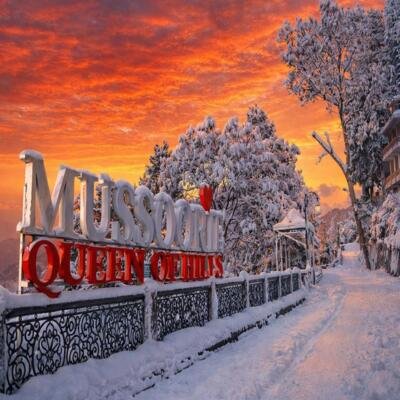
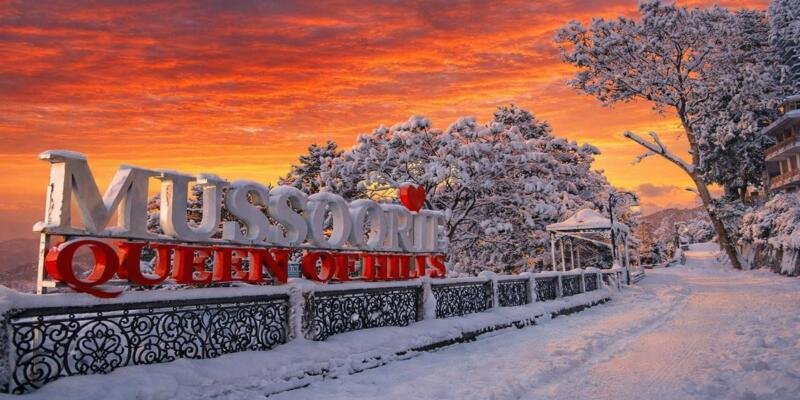
Snowfall is one of the most awaited natural events in Mussoorie. It usually occurs between late December and January, depending on western disturbances. Some winters receive heavy snowfall, while in other years, snowfall may be light or absent.
When snowfall occurs, Mussoorie transforms into a winter landscape with white-covered rooftops, trees, roads, and open grounds. The temperature drops sharply during snow days, and daily life slows down.
Effects of snowfall on travel & daily movement:
Snowfall creates a magical atmosphere but also demands extra safety precautions.
Fog and moving clouds are permanent visual elements of Mussoorie’s landscape. Visibility changes rapidly, especially during winter mornings and monsoon afternoons. It is common for valleys to disappear behind drifting clouds and then reappear suddenly.
Fog adds mystery and drama to the surroundings but may temporarily reduce scenic views from higher viewpoints. During evenings, falling temperatures often lead to quick mist formation across roads and open slopes.
Visibility trends in Mussoorie:
Mussoorie remains open to visitors throughout the year, but every season offers a completely different travel experience. The best time to visit depends on whether the traveler prefers sightseeing, greenery, snowfall, or peaceful surroundings.
Summer is the most popular and busiest tourism season in Mussoorie. Large numbers of travelers arrive from nearby plains to escape extreme heat.
During the summer, the town stays lively and energetic throughout the day. Markets remain crowded, viewpoints stay active, and cafés remain open till late evening.
Why summer is ideal for most travelers:
Challenges of summer travel:
Monsoon transforms Mussoorie into a misty green paradise. Forests become dense, waterfalls gain full strength, and the entire landscape looks freshly washed.
This season is loved by travelers who prefer solitude and dramatic natural scenery over fast sightseeing schedules.
Advantages of monsoon travel:
Disadvantages of monsoon travel:
Winter gives Mussoorie a calm, cold, and sometimes snowy character. The air becomes sharp and crisp, and views of distant mountain ranges become extremely clear after monsoon.
Early Winter (October–November):
Peak Winter (December–January):
Late Winter (February):
Gradual warming begins
Snow starts melting
Tourism activity rises again
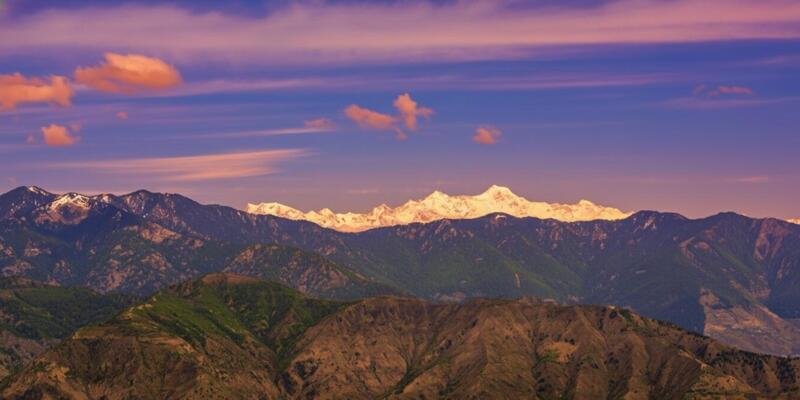
Mussoorie does not have its own airport or railway station, which means every traveler has to complete the final leg of the journey by road. Despite this, reaching Mussoorie is straightforward due to strong road connectivity from Dehradun, which acts as the primary entry gateway to the hill station. Dehradun connects Mussoorie with major cities through railways, highways, and air routes.
The distance between Dehradun and Mussoorie is around 34 kilometers, yet the mountainous nature of the road makes travel time longer than it appears on maps. The drive itself is scenic, passing through forested slopes, sharp curves, and valley viewpoints, making the journey a memorable part of the trip.
Main access routes lead through:
Road travel is the most preferred and flexible option for reaching Mussoorie. Travelers can either drive their own vehicles, hire private taxis, or use public transport. The final mountain stretch from Dehradun to Mussoorie is steep, winding, and scenic.
The road journey gives travelers a gradual transition from plains to hills. As altitude increases, temperature drops, forests become denser, and the air turns cooler.
Key advantages of road travel:
Approximate Road Travel Duration:
Important Hill Driving Guidelines:
During monsoon and winter, road conditions can change quickly due to landslides, fog, and icy surfaces, making careful driving essential.
The nearest railway station to Mussoorie is located in Dehradun, which is well connected with multiple cities of North India through regular express, passenger, and overnight trains. Rail travel is a comfortable option for families and senior citizens as it avoids long road driving from distant cities.
Once travelers arrive at Dehradun railway station, they complete the final leg of their journey to Mussoorie by road.
Post-train travel options include:
Why train travel is preferred by many travelers:
The railway station area in Dehradun is well developed with waiting lounges, taxi stands, food stalls, and transport booking options.
The closest airport to Mussoorie is located near Dehradun. It handles regular domestic flights connecting the region with major Indian cities. Air travel is the fastest option for travelers coming from distant states.
After landing at the airport, the journey to Mussoorie must be completed by road. The airport-to-Mussoorie route passes through Dehradun city and then climbs into the hills.
Benefits of choosing air travel:
However, weather disruptions, fog, and heavy rain can occasionally affect flight timings, especially during the monsoon and winter.
Due to limited road width and heavy tourist flow, Mussoorie follows seasonal traffic management systems. These rules become stricter during summer vacations, long weekends, snowfall periods, and major holidays.
The authorities regulate entry mainly to avoid congestion in core market zones and to ensure pedestrian safety.
Common vehicle and traffic regulations include:
Visitors are advised to follow traffic instructions strictly as violations often lead to fines and towing.
Mussoorie is a walkable town in many sections, but due to steep slopes and long distances between outer attractions, local transport plays a crucial role in smooth travel. Internal movement includes a mix of taxis, shared vehicles, pedestrian routes, and ropeway services.
Taxis are the most comfortable and widely used mode of transport in Mussoorie. They cover both short-distance market routes and long-distance sightseeing routes.
Taxis are commonly used for:
Advantages of local taxis:
Rates usually differ based on distance, season, and travel duration.
Shared jeeps and buses operate on selected fixed routes. These are commonly used by budget travelers, daily commuters, and local residents.
Benefits of shared transport:
Limitations include:
Shared transport connects major areas such as Dehradun, Library Bazaar, Landour side routes, and outer villages.
Walking forms an important part of the Mussoorie travel experience. Several areas are best explored on foot, allowing travelers to absorb the mountain atmosphere slowly.
Popular walking zones include:
Walking benefits:
However, due to steep gradients, elderly travelers should plan walking routes carefully.
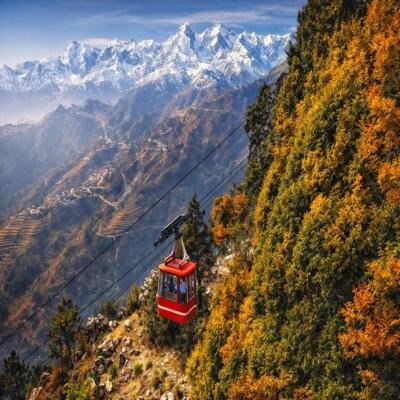
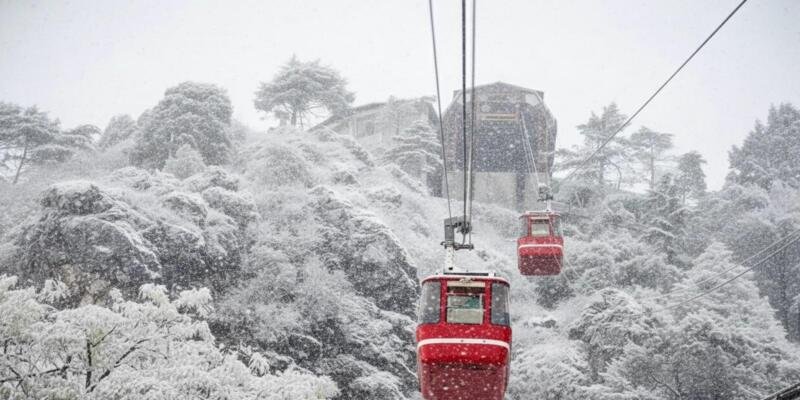
Mussoorie features a ropeway system that connects the lower market area with one of the prominent hilltop viewpoints. This ride provides a short but memorable aerial movement across the valley.
Ropeway experience offers:
During fog, rain, or strong winds, ropeway services may be temporarily suspended for safety reasons.
During summer vacations, snowfall days, and holiday weekends, Mussoorie faces intense transport pressure. Roads become congested, and parking shortages become common.
Common peak-season transport issues:
Practical tips for smooth movement:
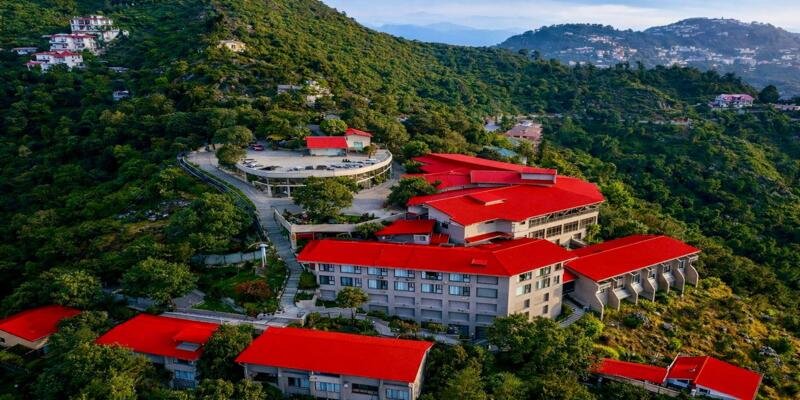
Mussoorie is shaped by a unique mix of natural viewpoints, waterfalls, colonial landmarks, peaceful walking roads, gardens, and forest ridges. Unlike destinations that revolve around just one form of sightseeing, Mussoorie offers layered experiences—some places draw crowds and energy, while others provide silence, solitude, and deep connection with nature.
The town is compact in structure but rich in variety. Within short driving distances, travelers can move from busy shopping streets to silent forest trails or panoramic Himalayan viewpoints. This diversity is what makes Mussoorie suitable for short weekend breaks as well as longer, slow-paced holidays.
Mall Road is the social, commercial, and cultural heartbeat of Mussoorie. It runs along a ridge line and connects the Library end with the Picture Palace area, forming the most active pedestrian zone in the town.
Throughout the day, Mall Road remains alive with movement—tourists strolling, families shopping, street vendors calling out, and cafés buzzing with conversation. In the evenings, it becomes the most popular leisure walking zone.
What makes Mall Road important:
Mall Road represents the modern, energetic face of Mussoorie and is usually the first point of exploration for most visitors.
Gun Hill stands as one of the highest accessible viewpoints in Mussoorie. Located directly above Mall Road, it is reached through a short ropeway ride or a steep walking trail.
From the top, visitors get wide panoramic views of the Doon Valley and distant Himalayan ranges. On clear days, snow-covered peaks can be seen glowing in sunlight. The open ridge and cool breeze make this place a refreshing break from the crowded market area below.
Key experiences at Gun Hill:
Gun Hill remains one of the most visited high points due to its easy accessibility and dramatic scenery.
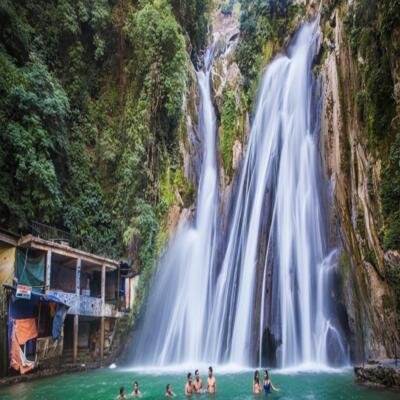
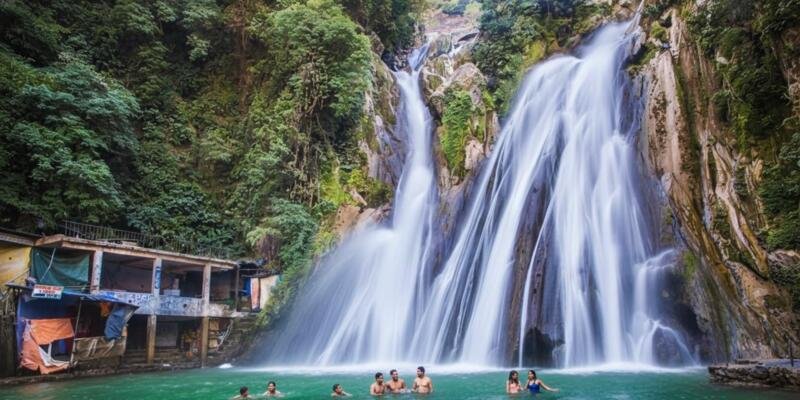
Kempty Falls is the largest and most energetic waterfall near Mussoorie. It is formed by mountain streams that cascade down rocky terraces into a wide pool.
The surroundings stay cool and moist even in peak summer. The sound of falling water blends with the voices of visitors, creating a lively picnic-like environment. The waterfall is especially powerful during the monsoon when the water flow increases dramatically.
Features that attract visitors:
During peak summer, the area becomes heavily crowded, while early mornings remain relatively peaceful.
Lal Tibba is the highest natural point in the Mussoorie–Landour region and offers the clearest long-distance mountain views. Positioned away from busy tourist circuits, it feels calm, open, and uncommercial.
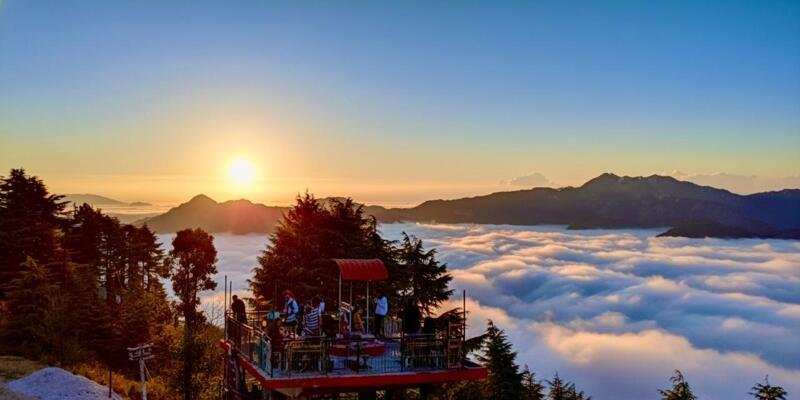
Sunrise and sunset moments here are especially powerful. The shifting colors of the sky above snow peaks create a quiet visual spectacle. Bird sounds, cold winds, and forest silence dominate the atmosphere.
Why Lal Tibba is loved by quiet travelers:
It reflects the untouched, peaceful side of Mussoorie.
Camel’s Back Road is a long natural ridge-top walking road, named after a rock formation that resembles a camel’s hump. It stretches between the Library area and the main road circuit.
This route is preferred by walkers, joggers, photographers, and those seeking a break from traffic and crowd noise. The road remains mostly vehicle-free and offers uninterrupted valley views throughout the walk.
Highlights of this walking route:
Camel’s Back Road introduces visitors to the slow, reflective rhythm of mountain life.
Company Garden is a large landscaped leisure park with colorful flower beds, fountains, green lawns, and children's recreation areas. It is especially popular with families and group travelers who prefer relaxed sightseeing.
The park is well-organized with walking paths, flower displays, artificial water streams, and boating ponds. The quiet green surroundings make it suitable for midday breaks.
Activities commonly enjoyed here:
Company Garden combines nature, recreation, and relaxation in one enclosed space.
Mussoorie Lake is a small artificial water body located on the road connecting Dehradun and Mussoorie. It is not a large sightseeing destination but serves as a short scenic halt.
The surroundings include small hill slopes, local food stalls, and resting areas. It is best explored as a brief photography and refreshment stop rather than a long visit.
What visitors usually do here:
It acts more as a journey break-point than a core attraction.
Cloud’s End marks the remote forest boundary of Mussoorie. The drive to this location passes through narrow forest roads with thick tree cover and minimal human settlement.
This area is known for its intense silence, forest density, and deep valley views. During cloudy weather, the region becomes completely engulfed in mist, making it feel detached from the rest of town.
Why Cloud’s End is unique:
It is best suited for travelers seeking solitude and forest immersion.
Jharipani Falls is a gentle seasonal waterfall hidden within forest surroundings. It remains far less commercial than Kempty Falls and offers a calm nature experience.
A short walking trail leads to the viewing point from where the water drop can be seen flowing into rocky formations below. The waterfall becomes active mostly during monsoon months.
Key attractions of Jharipani Falls:
It is perfect for travelers who value peace over spectacle.
Christ Church stands as one of the most prominent colonial-era landmarks in Mussoorie. Built with stone and tall stained-glass windows, it reflects British architectural influence.
Despite being located near the busy market zone, the church interior remains quiet and calm. The evening illumination makes the structure visually striking.
Significance of Christ Church:
It remains both a religious center and a historical monument.
Happy Valley is a wide-open residential valley region behind the main Mussoorie market zone. It is known for large buildings, open fields, and quieter daily activity.
Unlike the narrow market streets, Happy Valley offers expansive space and natural airflow. The landscape here feels open and less mountainous.
What defines Happy Valley:
It offers visitors a glimpse into routine mountain living away from tourism crowds.
This historic hilltop estate stands as a heritage viewpoint combined with open mountain terrain. The location features old ruins surrounded by open ridges and valley views.
The approach involves light walking and gradual climbing. Once at the top, travelers get wide panoramic views of surrounding hills and forest stretches.
What makes this site special:
It represents the historic and scenic fusion of Mussoorie.
Beyond its busy markets and popular viewpoints, Mussoorie is surrounded by several peaceful hill ridges, forest villages, ancient temples, and silent mountain trails. These offbeat locations are ideal for travelers who prefer slow travel, deep nature connection, photography, and crowd-free exploration.
These places usually lie a little away from the main tourist circuit. Roads become narrower, forest density increases, and commercial activity almost disappears. What remains is silence, mountain air, distant bird calls, and uninterrupted views of valleys and forest slopes.
Offbeat destinations near Mussoorie are best explored in the early morning hours or during weekdays when traffic pressure is minimal.
Landour is the older and quieter twin settlement of Mussoorie, located slightly above the main town. It carries strong colonial-era charm with narrow lanes, stone cottages, churches, bakeries, and silent forest walks.
Unlike the busy Mall Road, Landour remains calm throughout the day. Vehicles are limited, and walking becomes the primary mode of exploration. Early morning fog and silent pine forests define the atmosphere.
What makes Landour special:
It is ideal for travelers seeking history, calmness, and slow-paced exploration.
Bhadraj Temple is located on a forest-covered ridge above Mussoorie, offering wide views of mountain slopes and valleys. The route passes through thick forests and open grazing land, making the journey equally scenic.
The temple site remains quiet most of the year except during local religious events. The open ridge allows continuous wind flow, creating a cool and fresh atmosphere.
Why visitors explore Bhadraj:
It is a peaceful retreat for travelers who want silence with nature and spiritual calm.
Dhanaulti is a small hill town surrounded by dense forests and open meadows, known for its quiet atmosphere and less commercial development. Compared to Mussoorie, Dhanaulti feels open, less crowded, and slower in pace.
The roads near Dhanaulti pass through cedar forests, with frequent natural clearings for valley views. The climate stays colder than Mussoorie due to higher altitude.
What travelers experience in Dhanaulti:
It suits travelers who prefer an undisturbed nature and simple mountain life.
Kanatal lies deeper in the mountains and offers a quiet village environment surrounded by forests and snow peaks. The area is known for minimal commercial setup and large open hill slopes.
Kanatal provides a raw mountain experience where travelers witness local village life, forest agriculture, and uninterrupted night skies.
Highlights of Kanatal:
It is best suited for travelers seeking slow travel, village immersion, and night sky photography.
Surkanda Devi is positioned on a high mountain ridge surrounded by vast forest belts. Reaching the temple requires a steep walking route that passes through dense trees and open hill slopes.
Once at the top, visitors get uninterrupted 360-degree views of forest valleys and distant snow ranges. The wind flow is strong and continuous, especially during early mornings.
Why Surkanda Devi is special:
It is a combination of trekking, nature immersion, and spiritual exploration.
Nag Tibba base villages serve as entry points into forest trekking routes, surrounded by terraced farms and hill forests. These villages remain untouched by heavy tourism activity and reflect authentic mountain life.
Travelers often pass through stone houses, grazing lands, and pine forests before entering deeper trekking zones.
Village experience highlights:
This region is ideal for travelers interested in trekking culture and rural mountain life.
Apart from marked locations, Mussoorie is surrounded by numerous unnamed forest roads and ridge walking trails that lead into completely silent natural zones.
These routes usually have no shops, no traffic noise, and no tourist pressure. Only bird sounds, rustling leaves, wind movement, and distant valley echoes dominate the environment.
What travelers find along these trails:
These trails are best explored with basic navigation awareness and daylight safety.
Mussoorie is not limited to passive sightseeing. The town allows travelers to actively engage with nature, culture, wellness, adventure, and slow leisure. Its calm pace, walkable zones, forest-covered ridges, and layered terrain create an atmosphere where visitors naturally shift from rushed travel to meaningful experiences.
Some travelers come seeking activity and movement, while others prefer silence and observation. Mussoorie accommodates both without forcing a single rhythm. One can begin the day with a silent forest walk, spend the afternoon exploring waterfalls or markets, and end the evening with café leisure and sunset views.
What makes Mussoorie special is not the number of activities but the quality and pace at which they unfold. Experiences here are immersive, not hurried.
Walking is one of the most natural and rewarding activities in Mussoorie. The town is shaped around ridges, forest paths, descending slopes, and pedestrian zones that invite slow movement. Unlike flat city walks, every step here reveals a changing perspective—new valley angles, drifting clouds, pine forests, and evolving light patterns.
These walking routes are not only physical pathways but also mental refresh zones. The sound of wind through trees, distant bird calls, and the absence of engine noise provide deep mental calm.
What makes walking in Mussoorie special:
Best times for walking:
For elderly travelers, timing and route selection become especially important due to slopes and staircase sections.
Trekking around Mussoorie is more about nature immersion than physical challenge. The forest slopes, village paths, meadow crossings, and ridge-top trails offer safe and gradual terrain suitable for beginners and intermediate walkers.
These treks introduce travelers to untouched forest zones, hidden water streams, terraced farming fields, and silent mountain pockets.
Common natural elements encountered during treks:
Why trekking here feels different:
Treks should be avoided during heavy monsoon rain due to slippery surfaces and soil instability.
The ropeway ride offers a brief but memorable aerial journey over Mussoorie’s slopes and valley floor. What makes this experience special is the shift in perspective—from street-level movement to wide open vertical views.
As the cable car rises, travelers observe:
This aerial view helps visitors understand Mussoorie’s geographical structure better than any map.
Why the ropeway experience is popular:
Operations are weather-dependent and may pause during dense fog or strong winds.
Waterfalls act as natural cooling centers during summer and powerful scenic attractions during the monsoon. Waterfall exploration combines short walks, observation, photography, and sensory relaxation.
The surrounding areas remain cooler than town zones due to shade, water mist, and thick vegetation.
Experiences linked to waterfall visits:
During the monsoon, waterfalls grow louder and faster, but safety becomes more important due to slippery rocks and overflow zones.
Mussoorie supports controlled adventure activities, suitable for beginners and casual thrill-seekers. Unlike extreme high-altitude adventure zones, the excitement here remains well within safe limits for general travelers.
Adventure zones usually operate in open forest clearings, ridge slopes, or designated nature activity zones.
Common outdoor adventure options include:
These activities allow travelers to feel the terrain physically while remaining under supervision and safety protocols.
One of the most underestimated activities in Mussoorie is doing nothing in nature. Many travelers intentionally choose forest-edge sitting as a form of rest and mental recovery.
Silence here is not empty—it is filled with:
Sitting silently on forest benches or hill edges often becomes the deepest emotional experience for many visitors.
Wellness benefits of forest silence:
This experience is especially powerful during early mornings.
Café culture in Mussoorie is built around long sitting, slow drinks, warm interiors, and valley-facing comfort. Unlike rushed city cafés, people here linger for hours over hot beverages and light meals.
Evenings often become social observation periods where one witnesses the slow unfolding of town life—locals returning from work, travelers strolling with cameras, and fog gradually covering ridge tops.
Why café evenings feel special:
This slow rhythm softens mental fatigue accumulated during city life.
Shopping walks in Mussoorie are not simply about buying items. Markets become cultural observation spaces where travelers absorb patterns of daily life, language flow, bargaining culture, and local economic rhythms.
What travelers observe during market walks:
The markets reflect Mussoorie’s tourism-driven local economy in daily motion.
Mussoorie’s forest belts support diverse species of mountain birds. Birdwatching here is subtle and slow, requiring patience rather than equipment.
Birds often appear suddenly and disappear just as quietly. Their calls echo through valleys and forest slopes, especially at dawn.
Typical birdwatching conditions include:
It is an ideal activity for travelers who enjoy stillness and observation.
Sunrise and sunset in Mussoorie are not just visual moments—they define the daily emotional rhythm of the town.
At sunrise, the town wakes up slowly with:
At sunset, the environment transitions into:
These moments often leave the deepest emotional imprint on visitors.
Mussoorie’s altitude naturally supports physical and mental wellness. The air remains cleaner, oxygen levels feel balanced, and sleep quality often improves after the first night.
Common wellness experiences include:
For many travelers, this recovery becomes more valuable than sightseeing itself.
The food culture of Mussoorie is shaped by a three-layer influence—traditional Garhwali mountain cooking, colonial-era bakery traditions, and modern café-driven tourist cuisine. These three influences blend naturally into a food environment that reflects both local mountain life and evolving travel culture.
Unlike fast-paced city dining, food in Mussoorie follows a slower rhythm. People take time to eat, sip hot drinks, and sit for long hours in cafés or quiet corners of eateries. This slow dining habit is not forced—it naturally emerges from the cool weather, relaxed surroundings, and absence of urban urgency.
Food here is not treated merely as fuel for sightseeing. Instead, it becomes a comfort ritual, a social activity, and a climate-driven necessity. Meals are warm, filling, and paced slowly. Even simple snacks gain significance when eaten while watching drifting clouds and deep valleys below.
Seasonal climate shifts directly influence food habits. As temperatures drop, food becomes heavier and warmer. As summer arrives, meals turn lighter and refreshing.
Garhwali food represents the nutritional backbone of mountain life. It is designed to sustain physical strength in cold climates, long walking distances, and limited agricultural seasons. Though Mussoorie is now heavily tourist-oriented, traces of this traditional cuisine still exist in local homes and select small eateries.
Garhwali food is based on:
These meals may appear simple, but they are deeply rooted in mountain survival logic. The food is meant to keep the body warm, strong, and well-nourished in cold environments.
Defining characteristics of Garhwali meals:
For travelers accustomed to fast food culture, Garhwali food often feels grounding and stabilizing.
Due to the overwhelming presence of travelers from northern plains, North Indian food dominates most restaurant menus in Mussoorie. The climate naturally complements this cuisine, as warm gravies, breads, and slow-cooked preparations suit cold evenings perfectly.
This style of food provides instant comfort to families, elderly travelers, and group tourists who prefer familiar tastes.
Why North Indian cuisine thrives in Mussoorie:
Common structural elements of meals include:
In winter, these foods become especially heavy and satisfying, helping visitors cope with the sharp evening chill.
One of the most emotionally powerful food experiences in Mussoorie is its heritage bakery culture. This tradition originated during colonial times and continues to thrive due to the climate’s natural compatibility with baked foods.
Fresh bread, buns, pastries, fruit cakes, cookies, and warm desserts hold a special place in the daily food rhythm of Mussoorie. Cold mornings naturally drive people toward warm bakery breakfasts, while foggy evenings encourage dessert stops with hot beverages.
Why bakery culture remains deeply loved:
For many travelers, bakery visits become daily rituals rather than one-time experiences.
Cafés in Mussoorie are not designed for speed. They function as extended living rooms for travelers, writers, photographers, couples, and solo visitors seeking quiet hours.
The physical design of cafés reflects this slow pace:
People often visit cafés with no fixed time limit. One cup of hot beverage may last over an hour as visitors read, write, watch clouds, or simply sit in silence.
Why café culture feels central to Mussoorie travel:
Café evenings slowly transform into emotional decompression points for tired travelers.
As daylight fades and temperature drops, Mussoorie’s street food culture comes alive. The evening snack scene does not operate with urban chaos. Instead, it follows a slow, patient rhythm aligned with evening walks.
Steam rising from hot food stalls blends with fog and cold air, creating a visual and sensory experience unique to hill towns.
Street food culture in Mussoorie is defined by:
People rarely rush street food here. Eating becomes a social pause rather than a fast transaction.
In Mussoorie, hot beverages are not occasional choices—they are daily survival companions during cold weather. Tea and coffee become part of the body’s temperature regulation process.
People often drink:
Why hot beverages dominate daily life:
During winter, people may consume hot drinks multiple times without even realizing how frequently they return for warmth.
Mussoorie comfortably supports both vegetarian and non-vegetarian food choices due to its diverse visitor profile. Families, senior citizens, and religious travelers lean heavily toward vegetarian food, while winter visitors and activity-focused travelers often prefer non-vegetarian meals.
General eating pattern trends include:
The co-existence of both food cultures allows travelers with different habits to feel comfortable and unrestricted.
Food habits in Mussoorie change dramatically with the weather. The human body naturally adjusts to temperature through appetite and digestion.
Summer food pattern:
Monsoon food pattern:
Winter food pattern:
These shifts are not trends but biological responses to altitude and climate.
One of the most noticeable behavioral differences travelers experience in Mussoorie is how eating slows down naturally. Meals become longer, drinks are refilled slowly, and silence becomes part of the dining experience.
Travelers often find themselves:
Food becomes a bridge between body comfort and emotional calm.
Due to high tourism, food safety standards in Mussoorie remain generally stable. However, altitude, cold climate, and changing digestion patterns require mindful eating practices.
Safe travel eating habits include:
When eating is aligned with climate rather than habit, digestion improves and fatigue reduces.
Shopping in Mussoorie is not driven by urgency or luxury consumption. Instead, it unfolds as a leisure activity woven naturally into evening walks, sightseeing breaks, and café hopping routines. People do not rush from shop to shop. They walk slowly, browse casually, pause often, and treat shopping as a relaxed extension of their holiday mood.
Unlike large city markets that feel crowded and noisy, Mussoorie’s shopping zones feel social, scenic, and human-scale. Shopkeepers sit outside their stores, tourists browse without pressure, and conversations flow freely without transactional tension.
What makes shopping here unique is that it feels more like cultural participation than retail activity. Even those who buy very little still spend long hours in market streets simply absorbing the atmosphere.
Mussoorie’s shopping culture is centered around ridge-side walking markets and central pedestrian streets. These areas experience continuous footfall from morning till late night, with the busiest period forming after sunset.
These shopping zones are defined by:
As daylight fades, the market slowly transforms into a soft-lit social promenade where people walk not only to shop but to unwind after daytime sightseeing.
Souvenirs in Mussoorie are closely linked to the mountain environment, winter lifestyle, and emotional memory of hill travel. Purchases are usually guided by use-value rather than show-value.
Commonly purchased souvenirs reflect:
Popular souvenir categories:
Tourists often choose items that remind them of cold winds, valley views, and foggy mornings rather than flashy ornaments.
Local craft identity in Mussoorie is deeply connected with cold-climate survival and mountain living practicality. Handicrafts here are not designed for luxury display but for daily use.
Woollen products dominate local craft markets due to:
Common woollen items include:
These items carry the authenticity of mountain necessity rather than fashion branding.
In Mussoorie, shopping reaches its emotional peak during the evening hours. After sunset, locals and tourists alike step out not for urgent buying but for social walking, casual browsing, food pauses, and light conversation.
Evening shopping behavior includes:
This turns the market into a community space instead of a commercial battlefield.
Bargaining exists in Mussoorie but remains largely polite and relaxed. Sellers rarely display aggressive selling behavior, and buyers usually negotiate gently.
Buyer behavior is shaped by:
The overall shopping interaction remains friendly, light-hearted, and pressure-free.
The culture of Mussoorie cannot be defined by a single identity. It is shaped by a layered blend of native Garhwali roots, colonial-era heritage, and modern tourism influence. These layers do not clash violently but settle quietly into one another.
This makes Mussoorie culturally unique—it does not behave like a typical traditional hill village nor like a fully urbanized tourist city. Instead, it exists in a soft cultural middle ground where old traditions and modern travel habits coexist with minimal friction.
The indigenous cultural foundation of Mussoorie comes from Garhwali life systems that revolve around forests, seasonal rhythm, and community cohesion. Even today, beyond the market areas, village zones preserve these practices quietly.
Garhwali culture emphasizes:
This cultural base forms the emotional backbone of Mussoorie’s surrounding regions.
Daily communication in Mussoorie reflects cultural blending. Locals switch easily between regional speech and general travel language, allowing smooth interaction between residents and visitors.
Communication environment is defined by:
This creates a travel experience where visitors rarely feel socially pressured or overwhelmed.
The colonial period left a lasting architectural and lifestyle imprint on Mussoorie. Instead of overpowering local culture, this legacy merged quietly with mountain life.
Colonial influence is visible through:
This layer gives Mussoorie its distinctive heritage charm without diluting local roots.
Life in Mussoorie flows at a climate-controlled pace. Cold mornings, mild afternoons, and colorful evenings shape daily routines. Unlike cities where time is clock-driven, Mussoorie’s rhythm is weather-driven.
People sleep later in winter, work steadily in afternoons, and socialize actively during evenings. This pattern repeats through seasons with minor shifts.
Mornings in Mussoorie begin gently. Fog often wraps around rooftops, markets stay partially closed, and sound levels remain low.
Morning lifestyle features:
This slow start reflects climate influence rather than laziness.
Afternoons form the most functional part of Mussoorie’s daily cycle. Hotels check-in guests, taxis operate at full capacity, and eateries experience steady crowds.
Afternoon lifestyle includes:
Despite activity, the town rarely feels rushed.
Evenings form the emotional center of Mussoorie’s lifestyle. After sunset, people step out for fresh air, conversation, food, and recreation.
Evening life includes:
This is when Mussoorie feels most alive yet peaceful.
Despite heavy tourism, traditional beliefs and hill rituals continue quietly behind the visible tourist layer. These traditions are not displayed for travelers but continue naturally within local families and villages.
Festivals in Mussoorie’s surrounding villages follow seasonal patterns rather than tourism calendars. These celebrations reinforce social bonds and collective joy.
Community gatherings include:
Visitors often witness these events from a distance as respectful observers.
In Mussoorie, nature is not just scenery—it is a cultural responsibility. Forests, hills, and water sources are treated with deep respect.
Nature-centered beliefs include:
This cultural value system plays a major role in environmental consciousness.
The social behavior of locals toward visitors is generally:
Tourists who move slowly and respect local rhythm are often welcomed naturally without forced hospitality.
Traveling to Mussoorie brings a visible change in climate, air pressure, temperature, and physical movement. Even though it is not situated at extreme altitude, the sudden shift from plains to mountain terrain can affect the body in subtle ways. Most travelers feel refreshed within a day, but the first few hours often require conscious pace control.
Cold weather, sloping roads, thinner air, and long walking distances place gradual stress on the body. With the right awareness, visitors can enjoy the town without physical exhaustion.
The human body reacts differently to mountain environments. Shortness of breath while climbing, mild headaches, or unusual tiredness are common during the first day.
Typical early adjustment symptoms may include:
Healthy adaptation practices include:
Once the body adapts, breathing becomes easier and energy levels usually rise naturally.
Mussoorie offers essential healthcare for basic illness and minor injuries. Clinics, pharmacies, and first-aid assistance are generally available across key locations. However, for advanced medical care, travelers are moved to larger medical centers in nearby plains.
Basic medical support includes:
Personal medical preparedness should include:
Travelers with chronic health conditions should avoid depending solely on local availability.
Cold temperatures in Mussoorie can affect immunity quietly, especially for travelers not used to extended cold exposure. Wind chill often lowers body temperature faster than expected.
Cold-related health risks may include:
Preventive cold-care habits include:
Mussoorie is considered a safe and welcoming hill destination, but natural terrain introduces safety factors that do not exist in plain cities. Sloping roads, fog, rainfall, and icy paths require constant attention.
Safety here is not about crime prevention alone—it is about terrain awareness and weather sensitivity.
Walking is central to Mussoorie travel, but many paths involve steep rises, sharp curves, and narrow ridge edges.
Safe walking practices include:
Small slips on hill roads can lead to serious injuries due to slope angles.
Dense fog and cloud movement regularly reduce visibility in Mussoorie, especially during winter mornings and monsoon evenings.
Key road visibility safety habits:
Visibility can drop suddenly within minutes, making patience essential.
During monsoon and heavy winter snowfall, the natural mountain environment becomes unpredictable. Landslides, falling rocks, and icy slopes become temporary threats.
Natural safety precautions include:
Nature should never be challenged impulsively in hill regions.
Mussoorie remains calm and largely safe at night, but forest density and sharp terrain make isolation risky.
Night safety guidelines include:
Calm surroundings should not lead to relaxed vigilance.
Packing for Mussoorie is not about fashion—it is about climate control, walking comfort, and safety preparation. Temperature changes during a single day often require outfit changes.
Even summer evenings remain cold compared to plains. Light woollens remain essential even under bright daytime sunshine.
Summer packing essentials:
Layering remains the most efficient packing method.
Monsoon increases humidity, slippery surfaces, and clothing discomfort. Waterproof protection is essential.
Monsoon travel essentials include:
The goal is to stay dry, warm, and mobile.
Winter packing is about insulation and joint protection rather than appearance.
Cold-weather essentials:
Poor winter packing directly impacts health and movement.
Mussoorie accommodates a wide budget spectrum, but expenses fluctuate sharply with seasons. Peak season often increases costs across accommodation, transport, and food.
Daily costs are affected by:
Unplanned spending during cold evenings is also a common budget leak.
Practical expense control tips:
Budget discipline ensures mental freedom throughout the trip.
Mussoorie supports basic digital needs but terrain and weather constantly influence network strength.
Network strength patterns typically show:
Fog, snowfall, and rain can temporarily disrupt connectivity.
Mussoorie supports light digital work but not heavy technical operations.
Suitable online activities:
Less suitable activities:
Weather and electricity stability should always be factored in.
Mussoorie rests on a fragile ecological structure of steep slopes, dense forests, and seasonal water dependency. Every visitor plays a role in preserving or damaging this balance.
Sustainable tourism is not an optional trend here—it is an environmental necessity.
Eco-friendly behavior includes:
Small individual habits collectively create large impact.
Cultural respect strengthens local–visitor harmony:
Travelers who respect local rhythm naturally receive warmer treatment.
Ethical travel strengthens local survival systems:
This ensures tourism benefits circulate within the community.

Nainital and Mussoorie are both prominent hill stations of the northernmost state Uttarakhand These hill stations ...
Per Person

Mussoorie is a hill station that attracts honeymooners it is also a great weekend getaway Mussoorie ...
Per Person

Per Person

Plan your ultimate getaway with our Nainital Mussoorie tour package and experience the best of Uttarakhand ...
Per Person

Escape to the ldquo Queen of Hills rdquo with our Mussoorie tour package from Delhi Nestled ...
Per Person
Showing 1 of 1 pages
You can anytime request for a pocket friendly and customized package as per your requirements.
No need to pay complete amount in one go, it can be paid in 3 installments of 30%, 30% and 40%.
Our travel support is available in your assistance at all times for a hassle free trip.
We are having the expertise of planning more 5000+ tours all around India.
Mussoorie is a hill station that attracts honeymooners, it is also a great weekend gateway. Attractions that can be explored here are Kempty Falls, Gun Hill, Camel’s Back Road, Sir George Everest House, Mussoorie Lake, Jharipani Fall, Lal Tibba, Bhatta Falls, Cloud End, and Company Garden. This place can be explored in the time frame of 3 nights and 4 days.
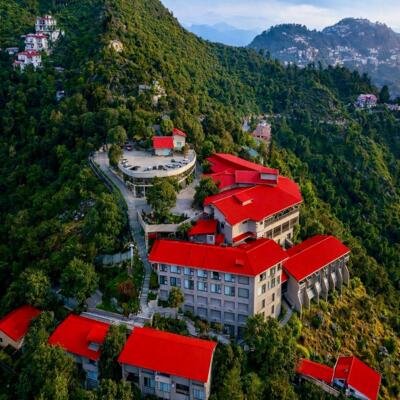
In Mussoorie, you can get various good places to spend your holiday. In Mussoorie, there are hotels like Hotel Vishnu Palace, Welcome Hotel The Savoy, JW Marriott, Mall Palace, Sterling, Fortune Resort Grace, Honeymoon Inn, Sun N Snow, Mussoorie Gateway, Larisa Resort, Hotel Omkar and many more, where you can spend the comfortable nights of your tour.
One can experience the mesmerizing snowfall from December till January. The first rainfall can be experienced in either late December or early January.
One can experience the mesmerizing snowfall from December till January. The first rainfall can be experienced in either late December or early January.
The distance from Dehradun to Mussoorie is 35 km and to reach there you can hire any local cab or taxi service or you can also take the local bus service that runs between these cities. You can also look for a private bus operator service if you are traveling in a group.
The nearest railway station to Mussoorie is the Dehradun railway station. Mussoorie is located at a distance of 36 km from Dehradun railway station. Shatabdi and Mussoorie Express are the two trains that run daily from Delhi to Dehradun. From there you can get many local means of transport to your destinations.
The Nearest airport is Jolly Grant airport to Mussoorie. The distance between the airport and Mussoorie is about 60 km, which is connected through a well-metalled road. From this Airport, you can get various local transport to reach Mussoorie.
The best time to visit Mussoorie is the month from March to June and again from September to November. From June to September, this place experiences rainfall so the weather is not favorable to roam around. The summer season is the best time to do activities like Trekking, rock climbing, and camping in Mussoorie.
In Mussoorie, you can see different frontier places of British design. One of the most seasoned film corridors which was set up in 1912 is Electric Picture Palace. Guests can likewise appreciate kempty falls which is the lovely regular cascade, organization garden, cloud's end, Happy valley, and Sir George Everest House. There are a few spots situated in neighborhoods, for example, Kanatal, Dhanaulti, Chamba, Surkanda Devi sanctuary, and Dehradun which can be visited alongside Mussoorie. You can likewise play out some experience exercises like climbing, rock climbing, sky strolling, ziplining, rappelling, etc.
During the summer season, the weather of Mussoorie remains very pleasant. It is a hill station that is the most visited place during the summer season. During summer the temperature goes from 10°C to 30°C. During the monsoon season, it receives heavy rainfall which is a bit unfavorable for trekking and driving. During the winter season, this place becomes chilling and the temperature goes down to 1°C and the maximum temperature goes up to 10°C.
In Mussoorie there are different market sectors, for example, Tibetan market, you can purchase garments and different products at sensible costs. Tibetan Market is situated at Mall Road. Shopping Center Street is the busiest shopping place in Mussoorie. In this market, you can get electronic things, earthenware jars, metal sculptures, wooden boxes, painstaking work, and so on In Classic Emporium you can get different Handicraft stuff. This retail outlet is situated on the shopping center street. Kulri market is acclaimed for its style assortment and crafted works, additionally, this is the second renowned market after the shopping center street market. Gandhi Chowk is the best spot to purchase woolen stuff. This is otherwise called the Himalayan Weavers shop. Here wraps, scarves, and stoles are made.
Fill the form or call us on :+91-9557559891