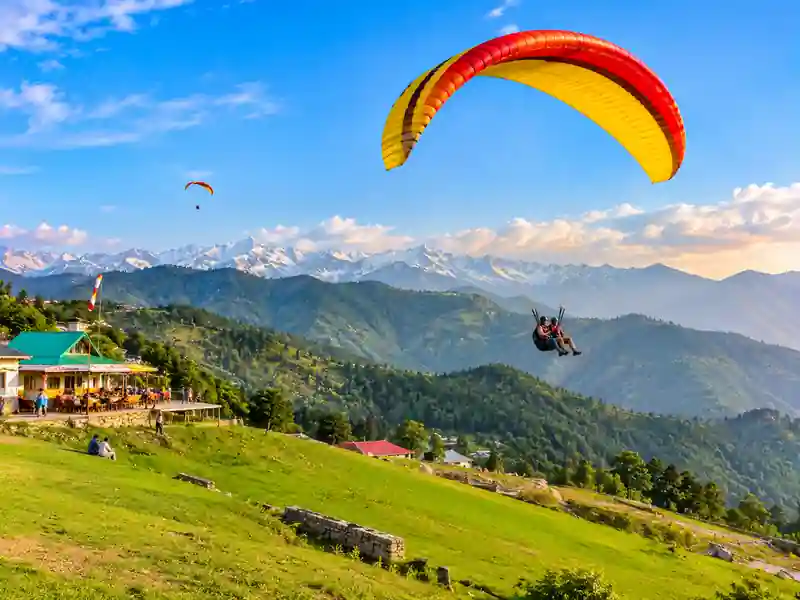
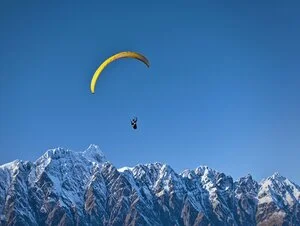
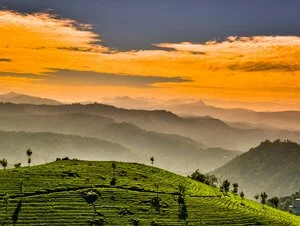
- Enjoy breathtaking aerial views of the Dhauladhar mountains.
- Experience tandem paragliding with qualified operators.
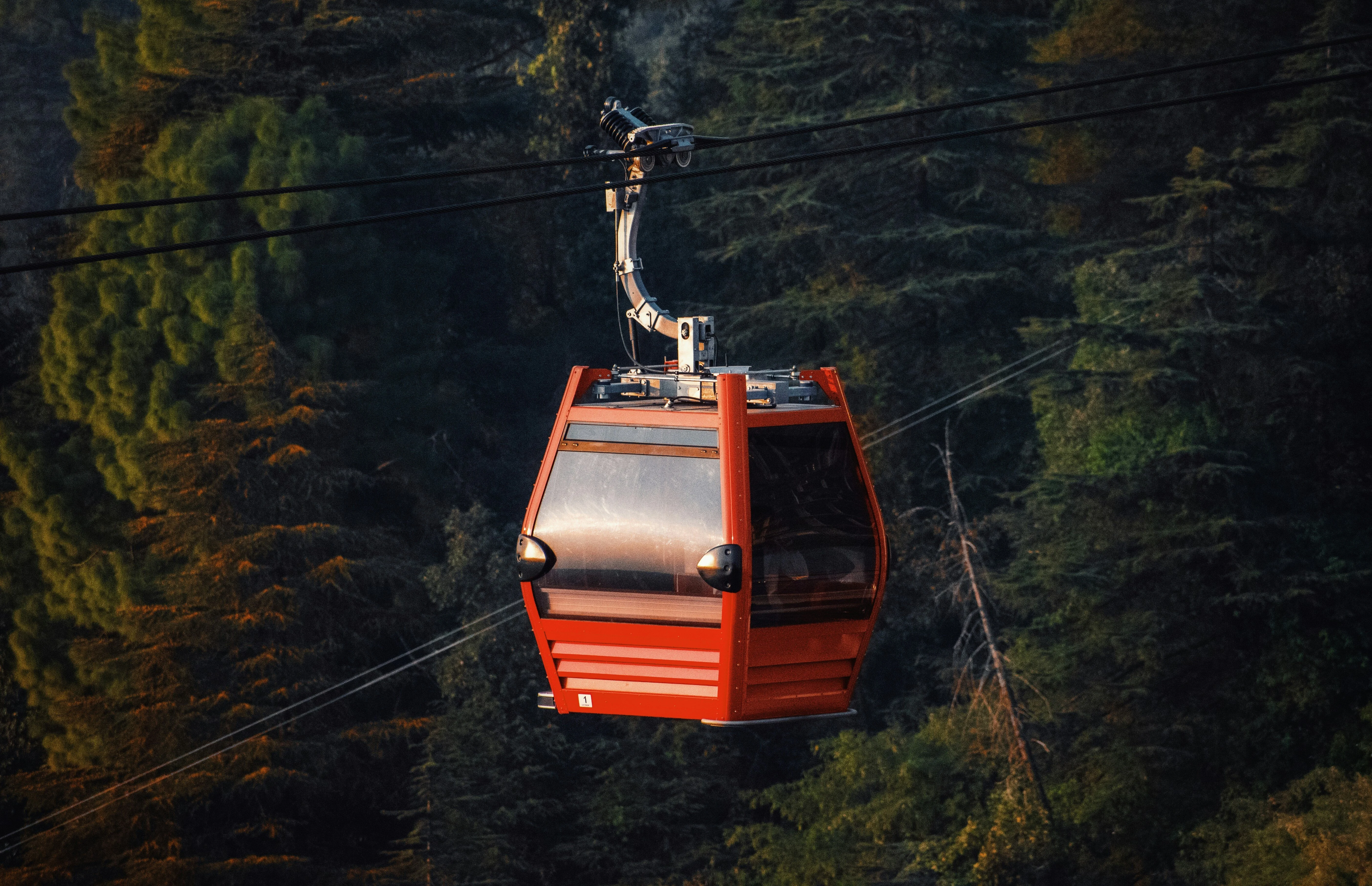
- Capture spectacular views of forests and valleys.

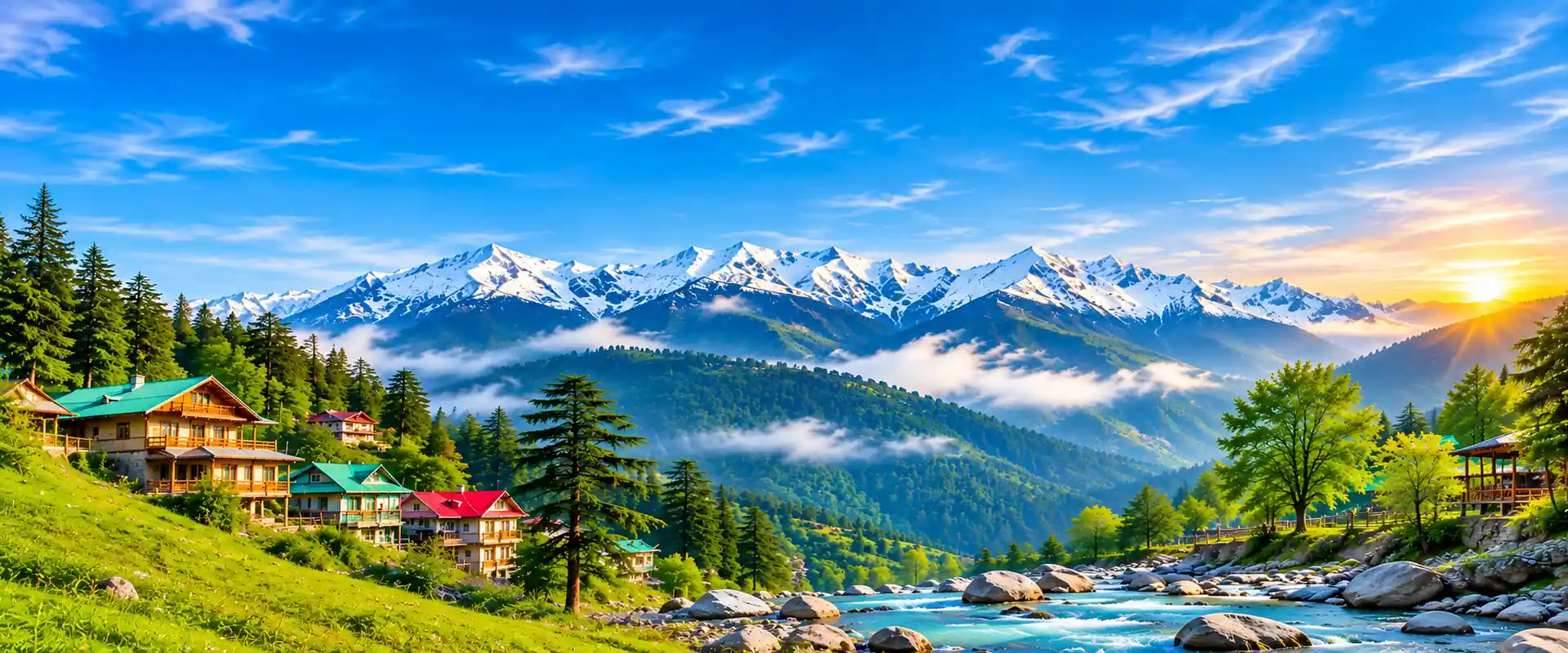
Himachal Pradesh, popularly known as Dev Bhoomi or the Land of Gods, is one of India's most beautiful Himalayan states, famous for its snow-covered mountains, lush green valleys, scenic hill stations, ancient temples, and adventure destinations. Located in northern India, Himachal Pradesh offers a remarkable combination of natural beauty, traditional mountain culture, peaceful monasteries, and thrilling outdoor experiences. From the colonial charm of Shimla and the picturesque valleys of Manali to the Tibetan heritage of Dharamshala and the dramatic landscapes of Spiti Valley, the state attracts travellers seeking unforgettable Himalayan experiences.
Surrounded by the magnificent ranges of the Western Himalayas, Himachal Pradesh features diverse landscapes, including pine and deodar forests, apple orchards, alpine meadows, glacial rivers, and high-altitude deserts. Shimla serves as the state capital, while Dharamshala functions as its second capital. The state's geography ranges from the lower Himalayan foothills to remote mountain regions such as Lahaul and Spiti, offering different travel experiences throughout the year.
Himachal Pradesh is renowned for its picturesque hill stations, each offering a distinctive mountain experience.
Shimla, often called the Queen of Hills, is famous for its colonial architecture, Mall Road, The Ridge, Christ Church, and scenic surroundings. Nearby Kufri attracts visitors with its mountain viewpoints and seasonal snow experiences.
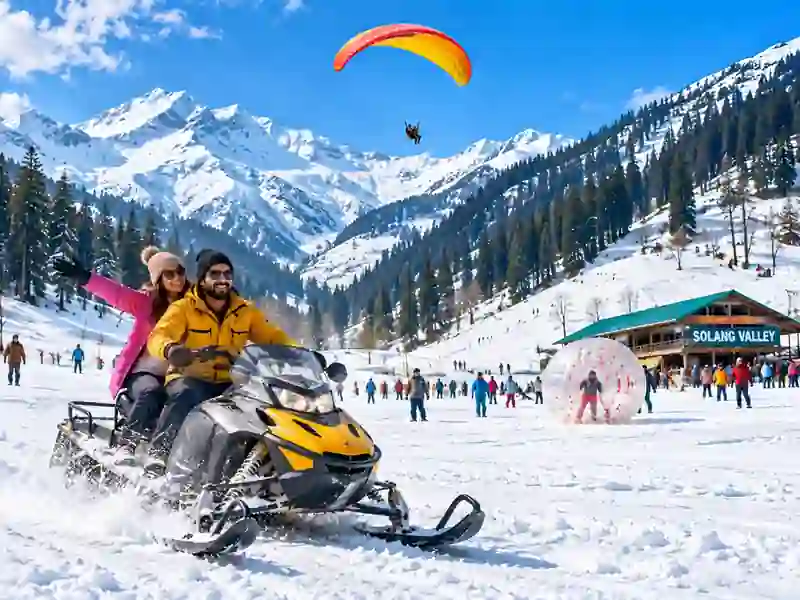
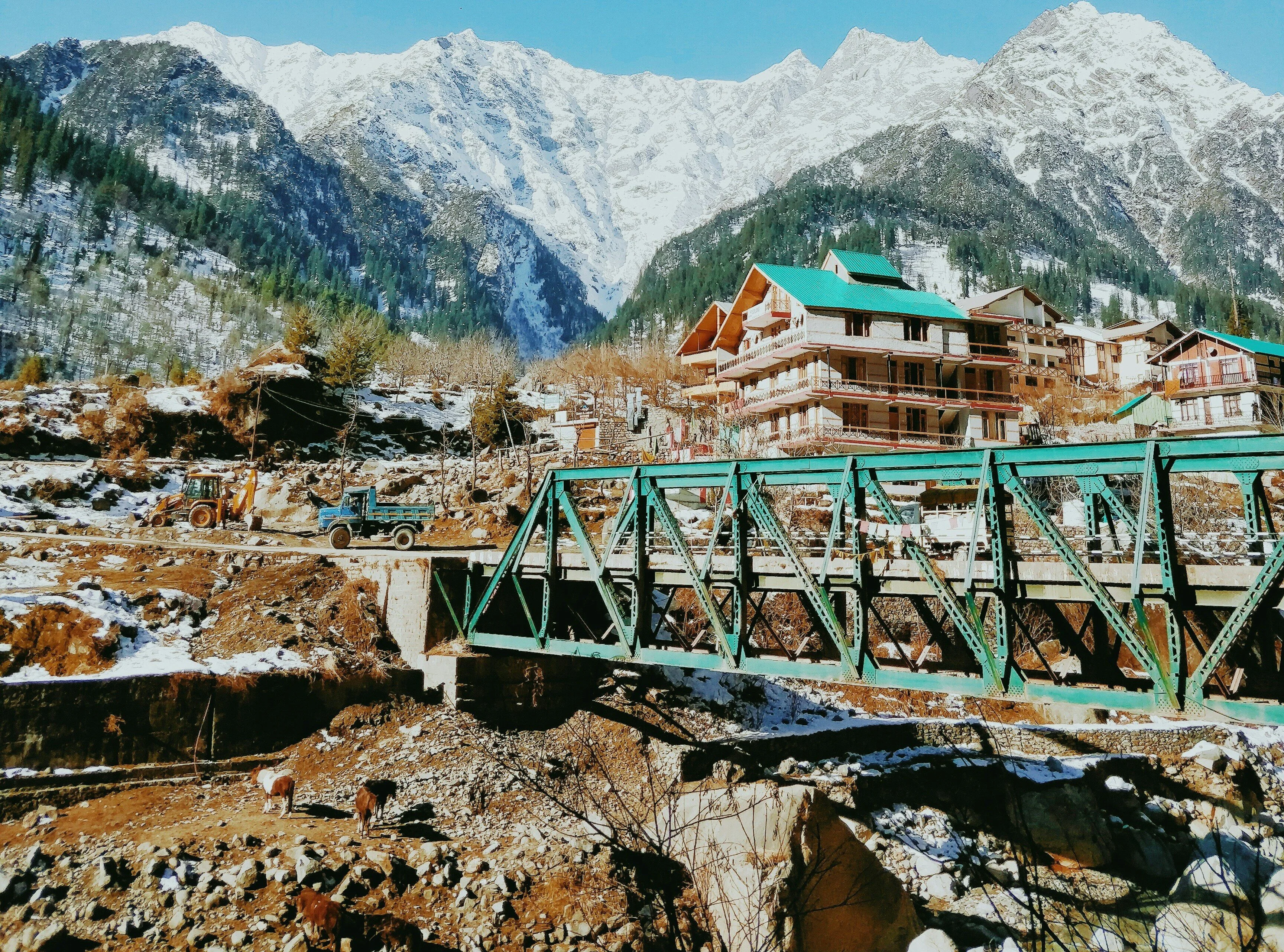
Manali, situated in the Kullu Valley along the Beas River, is one of Himachal Pradesh's most popular holiday destinations. Surrounded by forested mountains and snow-covered peaks, Manali offers attractions such as Hadimba Devi Temple, Solang Valley, and the scenic Atal Tunnel route towards Lahaul.
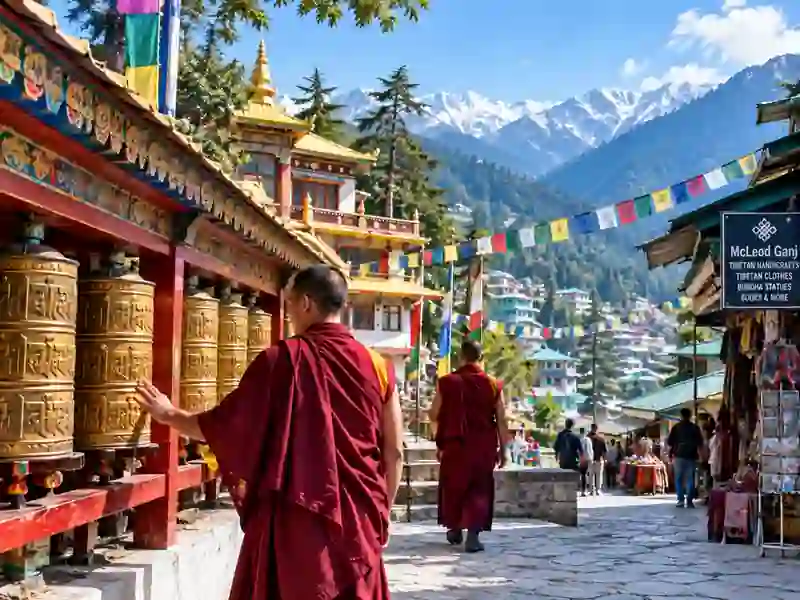
Dharamshala and McLeod Ganj are known for their Tibetan cultural influence, Buddhist monasteries, mountain cafés, and views of the Dhauladhar range. Nearby Dalhousie and Khajjiar offer beautiful pine forests, peaceful landscapes, and green meadows, with Khajjiar often referred to as the Mini Switzerland of India.
Other destinations, including Kasol, Tirthan Valley, Jibhi, Kasauli, Chail, and Bir, attract travellers seeking peaceful mountain stays, nature experiences, and less crowded surroundings.
Himachal Pradesh is one of India's prominent destinations for adventure tourism, offering activities across its mountain valleys, rivers, and high-altitude landscapes.
Solang Valley near Manali is popular for seasonal snow activities, paragliding, and outdoor adventures. Bir Billing is internationally recognized for paragliding, attracting enthusiasts interested in experiencing the Himalayan landscape from above.
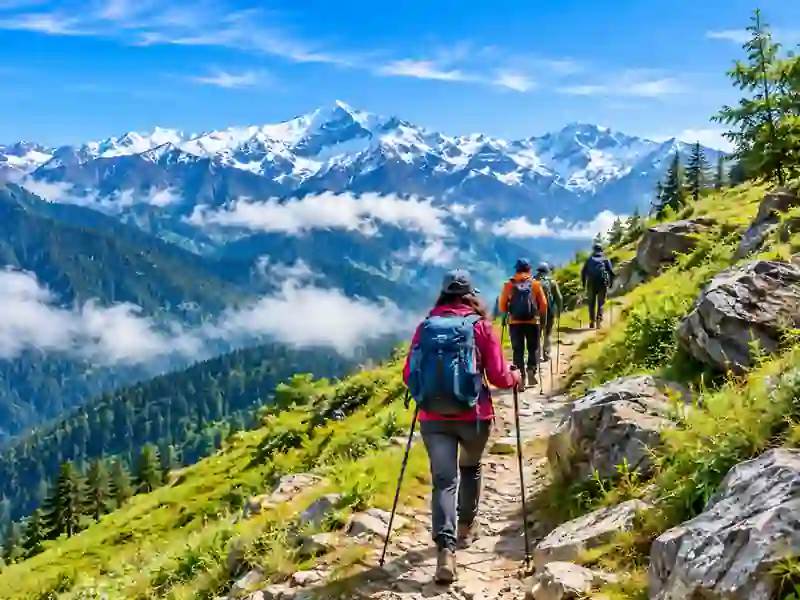
Trekking enthusiasts can explore scenic routes such as Triund, Hampta Pass, Bhrigu Lake, Beas Kund, and the Great Himalayan National Park region. These trails offer opportunities to experience alpine meadows, mountain forests, glacial landscapes, and panoramic Himalayan views.
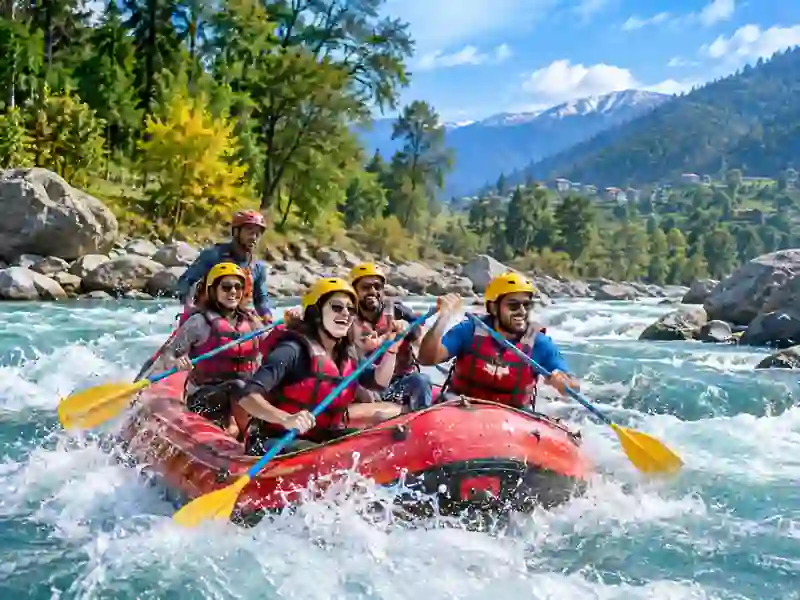
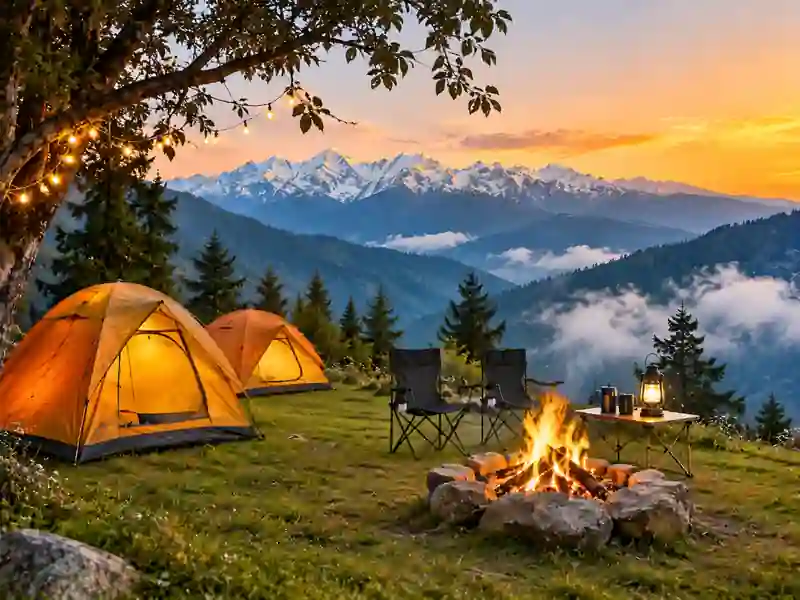
River rafting is available on selected stretches of the Beas River around Kullu, subject to seasonal conditions and local regulations. Camping, mountain biking, rock climbing, and nature walks are also popular activities in suitable locations.
Adventure activities should be planned according to weather conditions, individual fitness levels, and authorized operator guidelines.
The high-altitude regions of Spiti and Lahaul offer a completely different side of Himachal Pradesh. Unlike the green valleys of Shimla and Kullu, these regions are characterized by rugged mountains, dramatic rock formations, remote villages, and cold-desert landscapes.
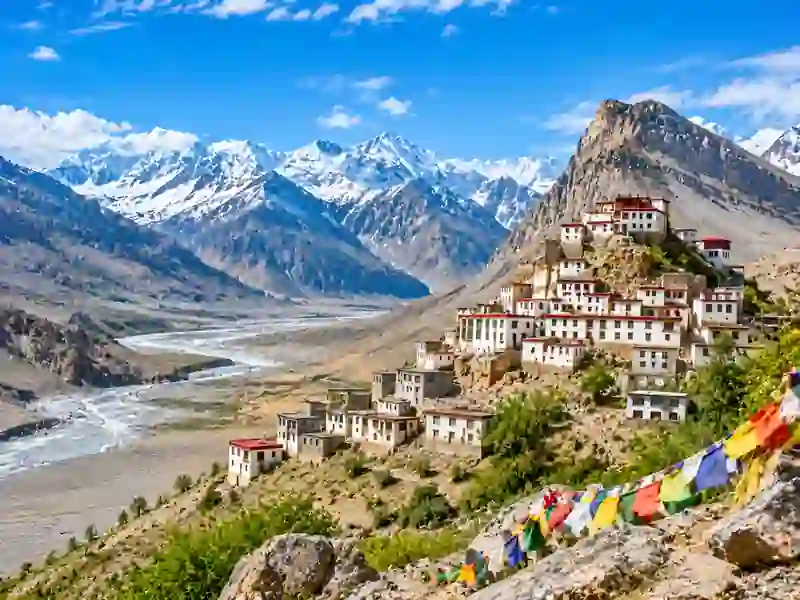
Spiti Valley is known for its ancient Buddhist monasteries, including Key Monastery, Dhankar Monastery, and Tabo Monastery. Scenic destinations such as Kaza, Langza, Hikkim, Komic, and Chandratal Lake attract travellers interested in photography, cultural exploration, and high-altitude adventures.
The Atal Tunnel has improved road access between Manali and the Lahaul region, although onward travel remains dependent on seasonal road conditions.
Due to the region's high altitude, travellers should plan adequate acclimatization and check road accessibility before visiting.
Himachal Pradesh has a rich spiritual heritage reflected in its historic Hindu temples, Buddhist monasteries, and traditional religious festivals.
Important pilgrimage destinations include Jwala Ji Temple, Chamunda Devi Temple, Naina Devi Temple, Chintpurni Temple, and Baijnath Temple. The state is also home to ancient temples such as Hadimba Devi Temple in Manali and Bhimakali Temple in Sarahan.
Dharamshala and McLeod Ganj are major centres of Tibetan Buddhist culture. Visitors can explore monasteries, prayer halls, and cultural institutions associated with Tibetan traditions.
In Spiti Valley, centuries-old monasteries preserve important elements of Himalayan Buddhist architecture, art, and spiritual heritage.
These destinations offer opportunities to understand the diverse religious traditions and cultural history of the Western Himalayas.
Himachal Pradesh supports diverse Himalayan wildlife, forests, and protected ecosystems.
The Great Himalayan National Park, a UNESCO World Heritage Site in the Kullu district, is known for its mountain biodiversity, alpine habitats, and conservation significance. Its protected landscapes support species such as the Himalayan tahr, musk deer, and western tragopan.
Pin Valley National Park in Spiti protects cold-desert habitats and wildlife associated with high-altitude Himalayan environments, including the elusive snow leopard.
Other protected areas and forest regions offer opportunities for birdwatching, nature photography, and guided outdoor exploration.
Wildlife sightings depend on habitat conditions, season, and chance, while access to protected areas is subject to applicable regulations.
The cultural heritage of Himachal Pradesh is shaped by its mountain communities, traditional architecture, local handicrafts, and colourful festivals.
The state is known for its distinctive Kullu shawls, Kinnauri textiles, Chamba embroidery, and traditional wooden architecture. Festivals such as Kullu Dussehra, Mandi Shivratri, and Minjar Fair reflect the region's religious and cultural traditions.
Travellers can experience local cuisine through dishes such as Siddu, Dham, Babru, Madra, and Tudkiya Bhath, which showcase regional ingredients and traditional cooking methods.
Village walks, local markets, handicraft shopping, and homestays provide opportunities to experience everyday Himalayan life beyond the major tourist centres.
Himachal Pradesh offers different travel experiences throughout the year, although the ideal season varies by altitude and destination.
March to June is popular for hill station holidays, sightseeing, and outdoor activities in destinations such as Shimla, Manali, Dharamshala, and Dalhousie.
September to November generally offers pleasant weather, clearer mountain views, and favourable conditions for sightseeing in many accessible regions.
December to February attracts travellers seeking snowfall and winter landscapes in suitable higher-altitude destinations. Snowfall and road access vary from year to year.
The monsoon season, mainly July to August, brings lush greenery but can also cause heavy rainfall, landslides, and road disruptions. Some areas, particularly Spiti, have different rainfall patterns, although access roads can still be affected.
High-altitude routes, including those towards Chandratal and certain trekking destinations, have separate seasonal accessibility windows.
Himachal Pradesh stands out for the variety of experiences available across its Himalayan landscapes. Travellers can explore colonial hill stations, peaceful mountain villages, Buddhist monasteries, ancient temples, adventure destinations, and remote high-altitude valleys.
Families can enjoy sightseeing holidays in Shimla and Manali, couples can discover romantic mountain retreats in Dalhousie and Dharamshala, adventure enthusiasts can experience trekking and paragliding, while cultural explorers can visit the monasteries and traditional villages of Spiti.
Whether you are planning a short mountain getaway, a family vacation, a spiritual journey, or an extended Himalayan adventure, Himachal Pradesh offers memorable destinations suited to different interests and travel styles.
Discover Himachal Pradesh with Travel Ride and experience the natural beauty, cultural heritage, peaceful valleys, and remarkable adventures of the Western Himalayas.

Explore the most beautiful places to visit in Himachal Pradesh, from the scenic hill stations of Shimla, Manali, and Dalhousie to the peaceful valleys of Dharamshala, Kasol, and Tirthan. Discover snow-covered mountains, ancient monasteries, charming villages, and the dramatic landscapes of Spiti Valley.
Experience the best things to do in Himachal Pradesh, including paragliding in Bir Billing, trekking through Himalayan trails, river rafting in Kullu, and snow adventures in Solang Valley. Explore ancient monasteries, camp in scenic valleys, and discover the state's rich mountain culture.
March to June and September to November are popular for sightseeing and mountain holidays, while winter offers seasonal snowfall experiences.
Enjoy pleasant hill station weather, scenic valleys, trekking, sightseeing, and family holidays in Shimla, Manali, and Dharamshala.
Experience lush green valleys, misty mountains, and waterfalls, but check weather advisories for heavy rainfall, landslides, and road disruptions.
Enjoy clearer Himalayan views, comfortable sightseeing weather, beautiful landscapes, photography, and trekking on accessible mountain trails.
Discover snow-covered mountain landscapes, seasonal skiing, winter photography, and beautiful snowy surroundings in Manali, Kufri, and nearby areas.
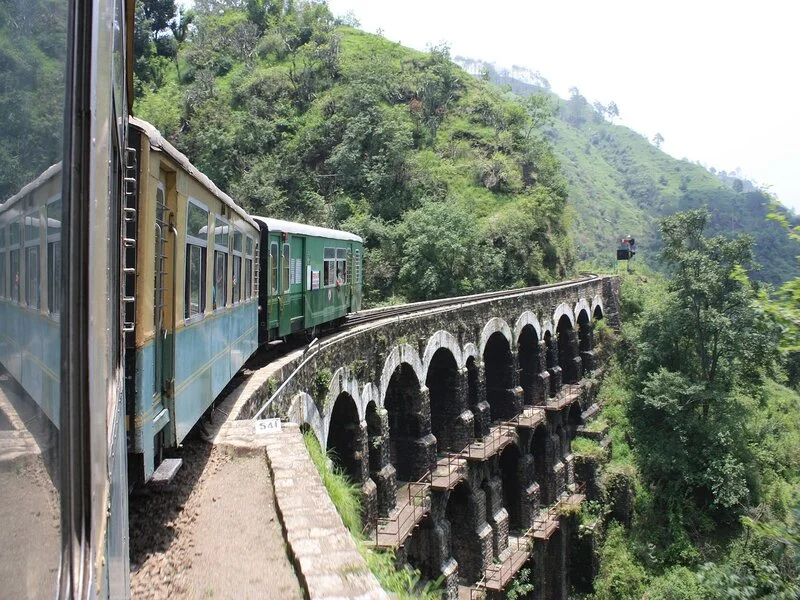
Himachal Pradesh is accessible by air, train, and road from major Indian cities. Airports, railway connections, and mountain highways provide access to popular destinations such as Shimla, Manali, Dharamshala, and Dalhousie.
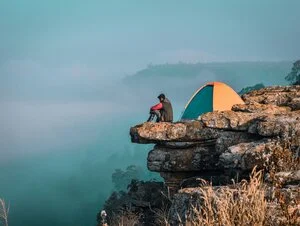
Kangra (Gaggal), Kullu–Manali (Bhuntar), and Shimla airports serve different regions of Himachal Pradesh, with flight availability varying by route.
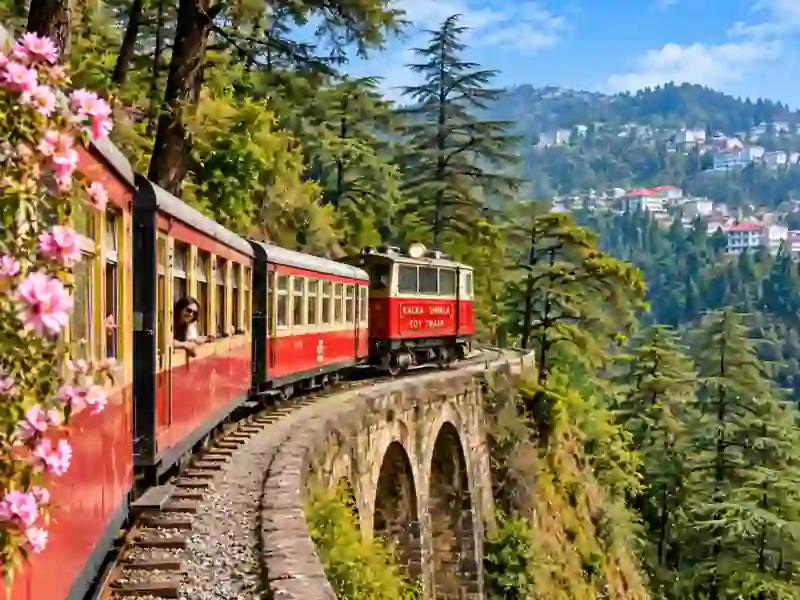
Kalka and Pathankot are important railway gateways, while the heritage Kalka–Shimla and Kangra Valley railways connect selected hill destinations.
Himachal Pradesh is connected to Delhi, Chandigarh, and neighbouring states through highways, with regular buses and private taxis available.
Explore available tour packages and current listed prices.


Travel articles, destination information and useful guides.
The Enchanting Vacation In Top Hill Station In India→
Prominant Attractions Of Manali To Make Your Trip Memorable→
Paragliding in India→
Trekking in India→
Best Places to Visit in Shimla And Manali→
5 Best places to visit in winter in India→
14 Marvelous waterfalls in India→
5 Famous hill stations in Himachal Pradesh→
Top Tourism destinations for your next trip to India→
Top 19 Alluring places of Himachal's capital city - Shimla→
Tirthan Valley- The Hidden Gem of Himachal Pradesh→Helpful answers about Himachal.
Shimla and Manali are generally better for first-time visitors interested in popular hill stations, mountain scenery, adventure activities, and family sightseeing. Shimla offers colonial architecture, Mall Road, and Kufri, while Manali is known for Solang Valley, nearby mountain excursions, and the Beas River. Dharamshala and Dalhousie are suitable for travelers seeking Tibetan cultural experiences, monasteries, pine forests, and relatively relaxed sightseeing. Families with children often prefer Shimla–Manali, while couples and travelers interested in peaceful surroundings may enjoy Dharamshala–Dalhousie. The best choice depends on available days, road travel preferences, and the season.
Travelers should ideally allow 9–11 days to explore Shimla, Manali, Kasol, and Dharamshala without rushing. Although these destinations are all located in Himachal Pradesh, mountain roads make transfers time-consuming. Shimla and Manali can be combined comfortably in a 5–6-day itinerary, while Kasol requires additional time for Parvati Valley sightseeing. Dharamshala lies in a different part of the state and involves another lengthy road journey. Visitors with fewer than seven days should generally choose one or two regions instead of attempting to cover every destination. A well-planned Himachal itinerary should account for driving hours, sightseeing time, and weather-related delays.
Manali, Solang Valley, Sissu, Kufri, Narkanda, and higher-altitude areas of Himachal Pradesh are popular for winter snow experiences. However, snowfall is not guaranteed on specific dates, even during December and January. Snow availability depends on altitude, recent weather systems, and seasonal temperatures. Manali town may remain snow-free while nearby higher locations have substantial snow accumulation. Travelers should also understand that heavy snowfall can temporarily restrict access to certain roads and sightseeing points. Those specifically interested in snow should maintain flexible plans and check current conditions before departure rather than relying on photographs or previous years' snowfall patterns.
Solang Valley, Atal Tunnel, and Sissu can often be combined into a full-day excursion from Manali when roads and weather conditions permit. However, Rohtang Pass lies on a different route from the Atal Tunnel approach and should generally be planned as a separate excursion. Rohtang Pass also has seasonal access restrictions and may require permits for applicable tourist vehicles. Its road typically remains closed during significant winter snow accumulation. Travelers should not assume that all four attractions can be comfortably covered in one day. Before departure, confirm local road access, vehicle restrictions, permit requirements, and the availability of snow-related activities.
Spiti Valley is suitable for travelers interested in remote Himalayan landscapes, monasteries, and high-altitude adventures, but it requires more preparation than a conventional hill station holiday. The Shimla–Kinnaur–Kaza route generally allows a more gradual increase in altitude and is often preferred for travelers planning proper acclimatization. The Manali–Kaza route involves crossing high mountain terrain and is usually accessible only during the warmer months, depending on road conditions. Families with young children, senior citizens, or travelers with significant medical conditions should seek medical advice before visiting. A Spiti itinerary should include acclimatization time, realistic driving distances, and flexibility for road disruptions.
Shimla, Dalhousie, Palampur, Dharamshala, and selected areas around Kasauli are suitable for senior citizens interested in mountain scenery without demanding trekking activities. These destinations offer scenic drives, viewpoints, temples, gardens, monasteries, and opportunities for relaxed sightseeing. However, hill stations can still involve steep streets, stairs, and pedestrian-only market areas. Families should choose hotels with lift access or suitable ground-floor rooms and confirm vehicle access to the property. Travelers with mobility difficulties may prefer scenic excursions over crowded walking areas. A comfortable itinerary should avoid frequent hotel changes and long mountain transfers on consecutive days.
July and August bring heavy monsoon rainfall to many parts of Himachal Pradesh, increasing the possibility of landslides, flash floods, road closures, and travel disruptions. Popular mountain routes around Mandi, Kullu, Manali, and Shimla can be affected during intense rainfall. Rain-shadow regions such as Spiti Valley generally receive less monsoon rainfall, although access roads through Kinnaur or Manali can still face disruptions. No destination should be considered completely risk-free during severe weather. Travelers should monitor official weather warnings, avoid riversides during heavy rainfall, and maintain flexible itineraries with additional travel time.
Tirthan Valley and Jibhi are suitable for travelers seeking forest scenery, riverside stays, traditional villages, and nature-focused holidays. Barot Valley offers a quieter mountain setting with opportunities for short walks, trout fishing where permitted, and exploring the surrounding countryside. Kasol is more popular among backpackers and travelers interested in cafés, Parvati Valley scenery, and nearby village treks. Visitors seeking peaceful family accommodation may prefer Tirthan Valley or Jibhi, while Barot appeals to those wanting a less commercialized experience. Travelers should compare road accessibility, accommodation facilities, and nearby activities before selecting a destination.
Yes, Bir Billing, Dharamshala, and McLeod Ganj can be combined into a 3–5-day Himachal itinerary. Bir Billing is internationally known for paragliding, while Dharamshala and McLeod Ganj offer monasteries, Tibetan cultural experiences, cafés, and views of the Dhauladhar mountains. Bir is approximately 65–75 km from Dharamshala, depending on the route. Tandem paragliding is available through authorized operators when weather and safety conditions permit. Travelers should confirm the operator's credentials, weight restrictions, and flight availability before booking. Adventure activities may be suspended during unfavorable weather or seasonal restrictions, so a flexible sightseeing schedule is recommended.
Triund is a popular introductory Himalayan trek near McLeod Ganj, although its continuous uphill sections require reasonable fitness. Prashar Lake offers different trekking approaches, including shorter routes suitable for moderately active beginners when trail conditions are favorable. Beas Kund involves higher-altitude terrain and is better suited to travelers with some trekking preparation. Hampta Pass is a multi-day high-altitude trek requiring greater endurance, suitable equipment, and acclimatization planning. Weather can significantly change the difficulty of any route, particularly during winter or monsoon. Beginners should choose guided treks based on elevation gain, trail conditions, and physical fitness rather than distance alone.
The most convenient transportation option depends on the destination. Overnight Volvo buses are popular for reaching Shimla, Manali, Dharamshala, and other major tourist centers from Delhi. Travelers visiting Shimla can also take a train to Kalka and continue by the scenic Kalka–Shimla railway, subject to train availability. Chandigarh serves as a useful road and air gateway for several Himachal destinations. Airports near Shimla, Kullu, and Kangra provide additional options, although flight schedules may be limited or weather-dependent. Private vehicles offer flexibility for families visiting multiple locations, but travelers should account for long mountain journeys and seasonal road conditions.
Permit requirements vary according to the destination, traveler's nationality, and vehicle category. Tourist vehicles visiting Rohtang Pass generally require the applicable permit under local regulations, while Indian citizens ordinarily do not need a special entry permit for standard tourist visits to Kaza and most of Spiti Valley. Foreign nationals traveling through certain protected areas of Kinnaur and Spiti may require additional permits. Some trekking routes, forest areas, and border-sensitive locations also have separate access requirements. Travelers should check the latest district administration guidelines before departure because permit rules, road restrictions, and permitted routes can change according to local conditions.