



Experience Divine Krishna Temples, Sacred Yamuna Ghats & the Spiritual Heart of Braj
Situated along the banks of the Yamuna River in Uttar Pradesh, Vrindavan is one of India's most revered spiritual destinations, celebrated for its deep association with Lord Krishna, Radha Rani, ancient temples, and centuries-old devotional traditions. Located in the sacred Braj region, approximately 12–15 kilometres from Mathura, Vrindavan attracts pilgrims, families, spiritual seekers, and cultural travellers seeking to experience the living traditions of Krishna devotion. From the famous Shri Banke Bihari Temple to the magnificent white marble Prem Mandir, the town offers a remarkable combination of religious heritage, beautiful architecture, sacred riverfronts, and vibrant temple celebrations.
According to Hindu tradition, Vrindavan is the sacred landscape where Lord Krishna spent much of his childhood and youth, performing divine pastimes associated with Radha and the gopis. These stories continue to shape the town's identity through its temples, bhajans, festivals, traditional rituals, and everyday expressions of devotion.
The familiar greeting of "Radhe Radhe" can be heard throughout the town, reflecting the central importance of Radha in Vrindavan's spiritual culture. Narrow lanes lead towards historic shrines, temple bells echo through neighbourhoods, and devotees gather for prayers, devotional singing, and darshan.
Unlike destinations centred mainly on historical monuments or natural landscapes, Vrindavan offers a deeply immersive spiritual experience. Whether you are planning a short pilgrimage, a peaceful temple retreat, or an extended Braj Yatra, Vrindavan provides an opportunity to discover the religious traditions and cultural heritage associated with Radha and Krishna.
Vrindavan is one of India's most important Krishna pilgrimage destinations, known for its historic temples, devotional atmosphere, sacred ghats, and traditional religious celebrations. The town is home to temples belonging to different Vaishnavite traditions, each preserving distinctive forms of worship, architecture, and spiritual practice.
Visitors can seek blessings at Shri Banke Bihari Temple, admire the elaborate marble architecture of Prem Mandir, experience devotional chanting at ISKCON Krishna Balaram Mandir, and explore the sacred surroundings of Nidhivan.
The Yamuna River also holds an important place in Vrindavan's religious landscape. Historic locations such as Keshi Ghat are associated with stories from Krishna's life and provide opportunities to experience traditional riverside rituals.
Beyond temple sightseeing, Vrindavan offers spiritual walks, local food experiences, traditional markets, devotional music, and festival celebrations that attract visitors throughout the year.
The town is particularly rewarding for travellers who want to understand the living traditions of Braj rather than simply visit its most famous religious landmarks.
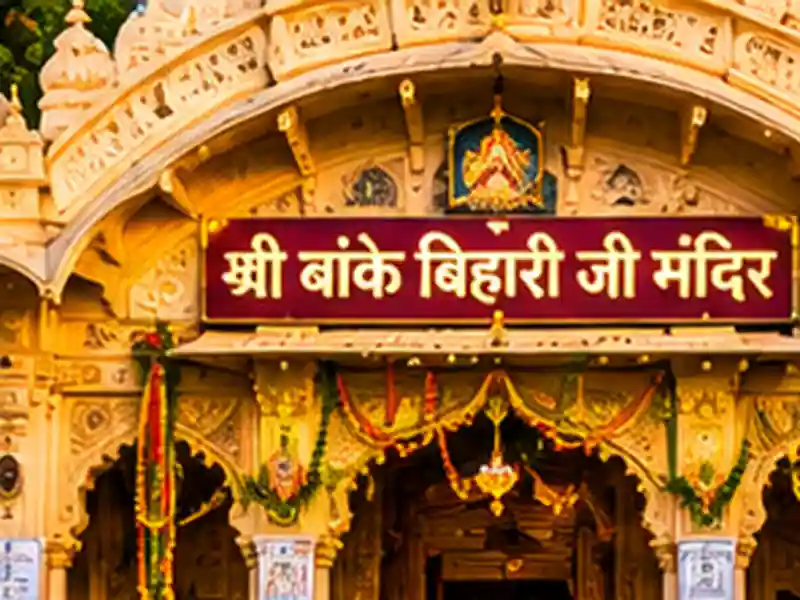
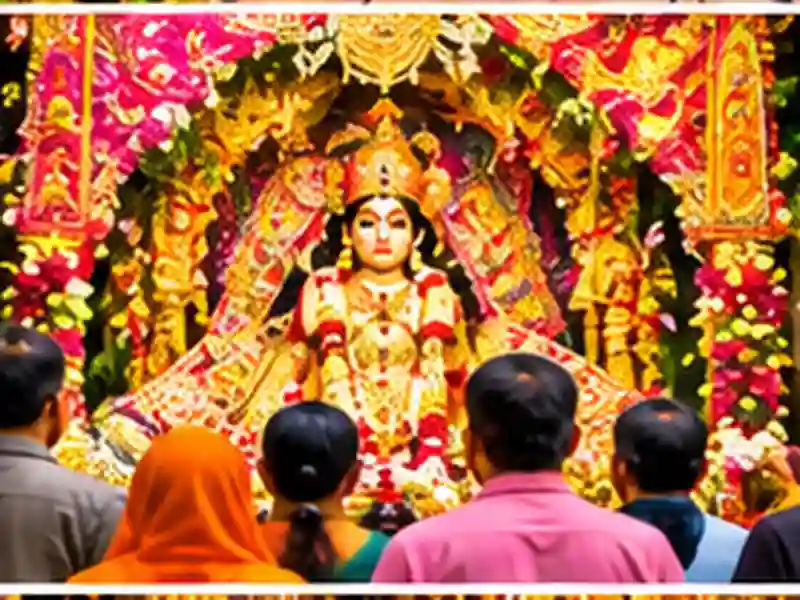
Shri Banke Bihari Temple is one of Vrindavan's most celebrated religious landmarks and an important centre of Krishna devotion. Located within the town's traditional streets, the temple is dedicated to Lord Krishna in his beloved form as Banke Bihari.
The temple's religious tradition is closely associated with Swami Haridas, the sixteenth-century saint and devotional musician who played an influential role in the spiritual history of Vrindavan.
The name Banke Bihari refers to Krishna's graceful, three-bent posture and his playful divine character. The temple is especially recognised for its distinctive darshan traditions and strong connection with the devotional culture of Braj.
Visitors gather throughout the day to seek blessings, participate in prayers, and experience the atmosphere of traditional Krishna worship.
The surrounding lanes are filled with flower shops, religious items, sweets, and small businesses that contribute to the temple neighbourhood's lively character.
Crowds can become particularly heavy during weekends, public holidays, Ekadashi, Janmashtami, and other major religious occasions.
Travellers should check current darshan schedules, as temple opening hours change seasonally and special arrangements may apply during festivals.
A visit to Banke Bihari Temple offers an unforgettable introduction to the devotion and spiritual traditions that define Vrindavan.
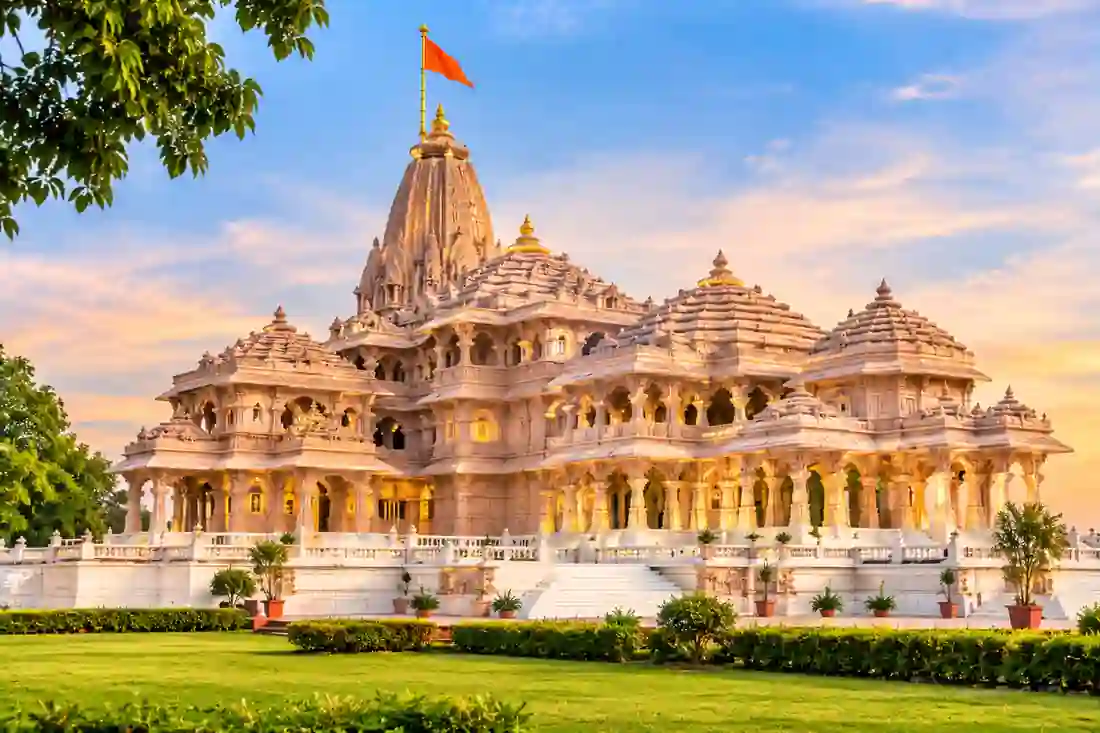
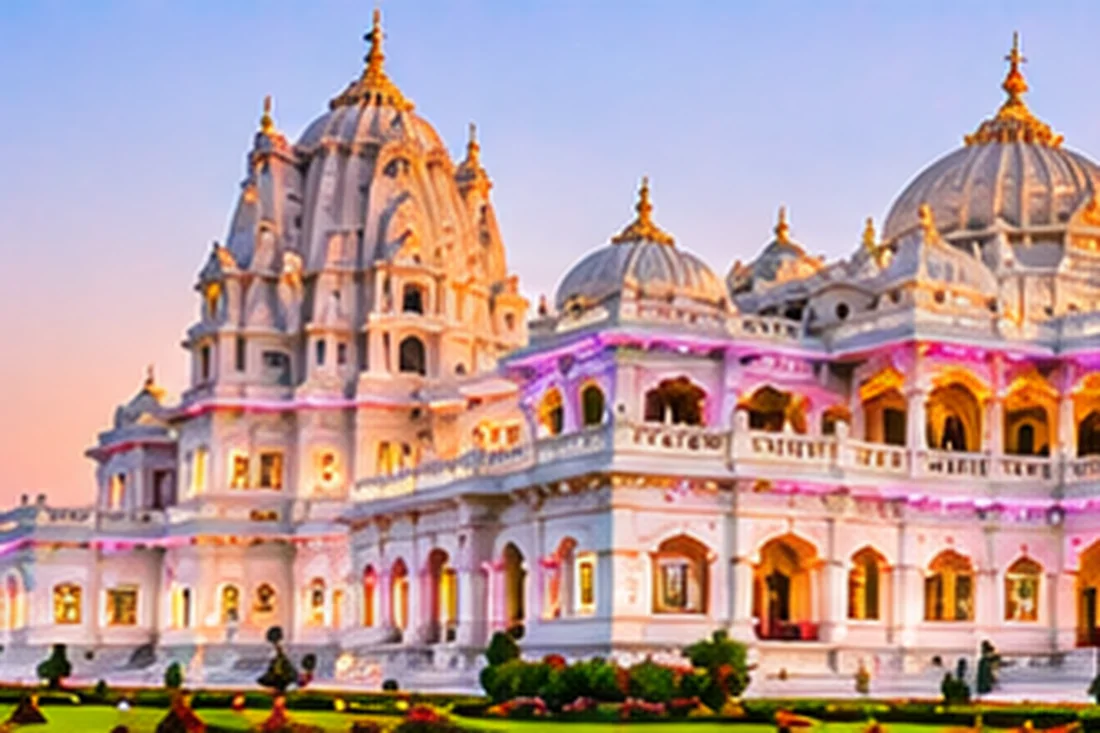
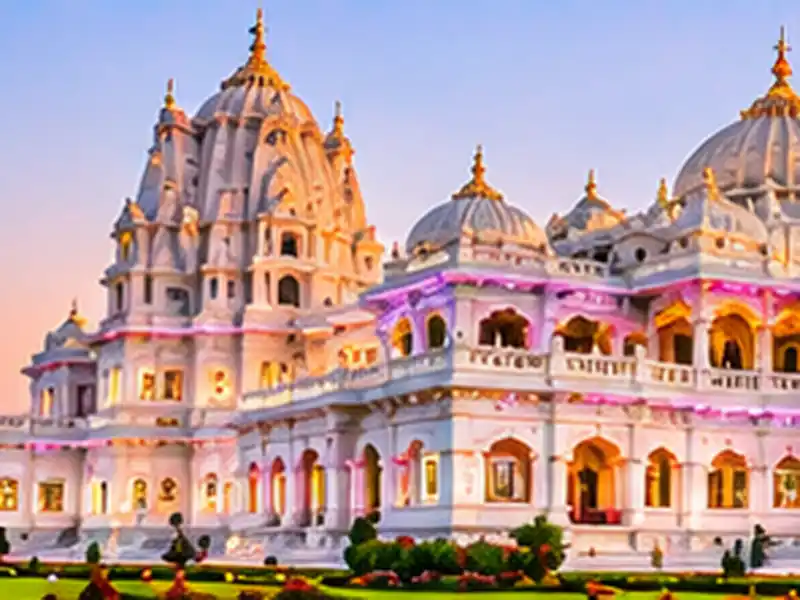
Prem Mandir is one of Vrindavan's most visually impressive temples, admired for its beautiful white marble architecture, intricate carvings, landscaped gardens, and illuminated evening appearance.
Developed under the guidance of Jagadguru Kripalu Ji Maharaj, the temple complex is dedicated to the divine love associated with Radha-Krishna and Sita-Ram.
Its architecture features beautifully carved pillars, decorative panels, and sculptures illustrating important episodes from Hindu devotional traditions.
The surrounding gardens contain artistic displays inspired by stories from Lord Krishna's life, offering visitors an opportunity to explore religious narratives through sculptural arrangements.
During daylight hours, the temple's white marble exterior creates an elegant appearance against the surrounding gardens. In the evening, colourful illumination transforms the complex into one of Vrindavan's most recognisable attractions.
Visitors can enjoy the peaceful surroundings, admire the architectural craftsmanship, and experience devotional activities according to the temple's operating schedule.
Prem Mandir is particularly popular among families, couples, and photography enthusiasts, although visitors should follow the temple's rules regarding photography and restricted areas.
The combination of religious significance, beautiful architecture, and landscaped surroundings makes Prem Mandir an essential stop on a Vrindavan sightseeing itinerary.
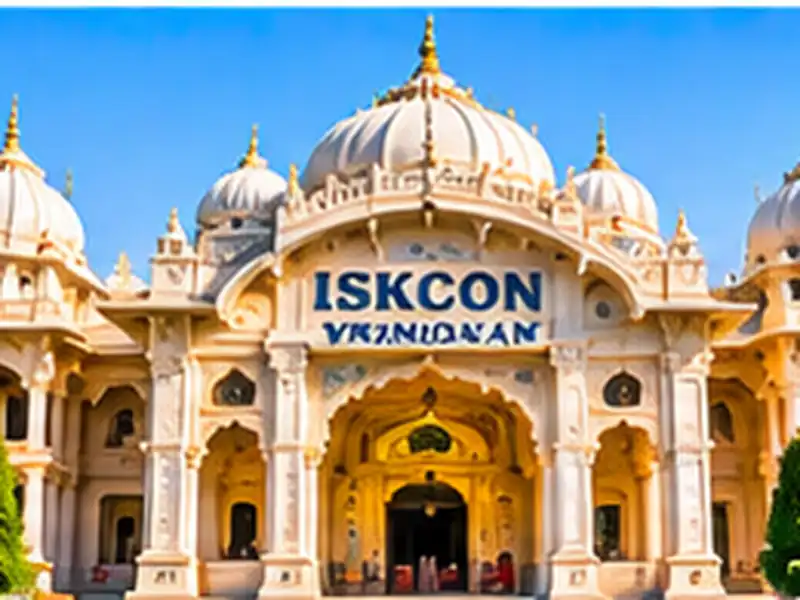
ISKCON Krishna Balaram Mandir is another prominent spiritual landmark in Vrindavan, known for its devotional atmosphere and international community of Krishna devotees.
Established by the International Society for Krishna Consciousness under the guidance of A. C. Bhaktivedanta Swami Prabhupada, the temple is dedicated to Krishna and Balaram, with additional shrines associated with the Gaudiya Vaishnava tradition.
The temple complex is admired for its beautiful architecture, peaceful courtyards, decorated shrines, and daily religious programmes.
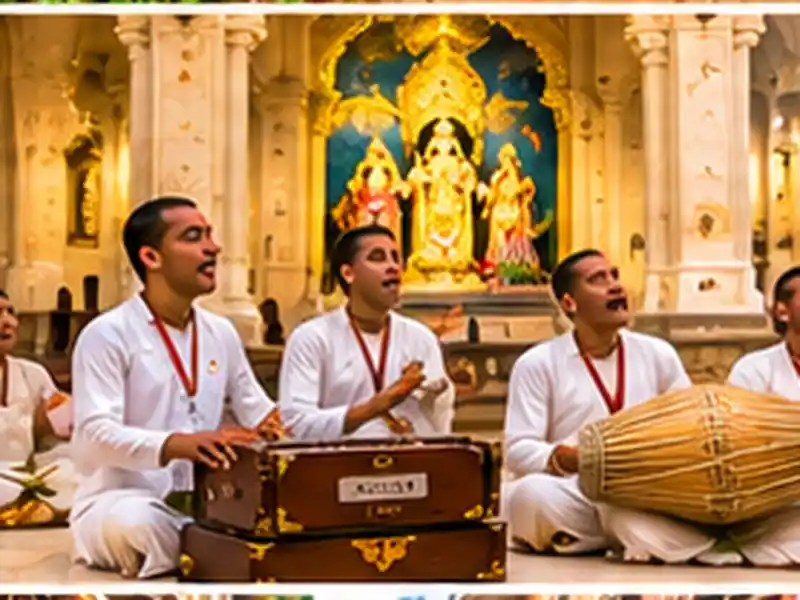
One of the most memorable experiences is the congregational chanting of the Hare Krishna maha-mantra, accompanied by traditional instruments and devotional singing.
Visitors can attend scheduled aarti ceremonies, observe temple rituals, and learn about the spiritual philosophy associated with Krishna consciousness.
The temple attracts devotees from India and around the world, creating a distinctive atmosphere where traditional Braj devotion connects with a global spiritual community.
The surroundings also offer opportunities to explore devotional literature, vegetarian food, and spiritual practices associated with the ISKCON movement.
For travellers interested in understanding different forms of Krishna worship, ISKCON Temple provides an enriching cultural and religious experience.
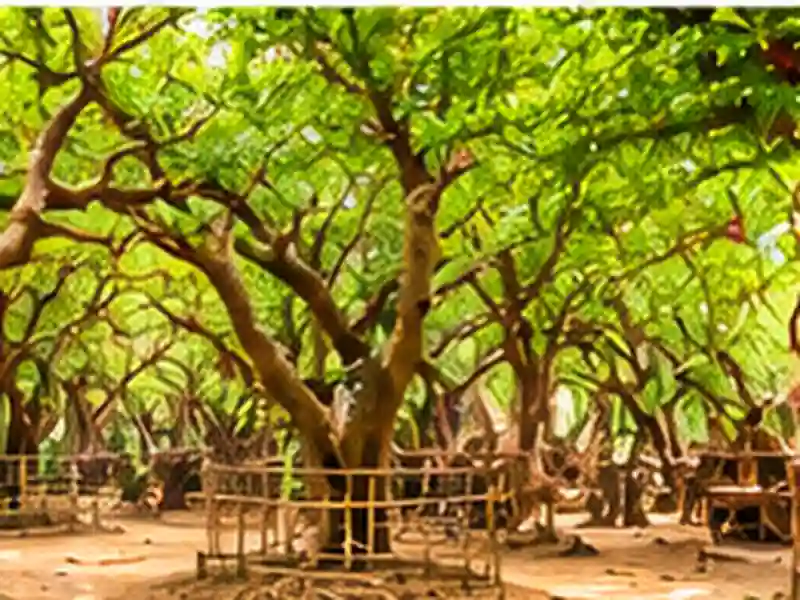
Nidhivan is one of Vrindavan's most spiritually significant locations, deeply connected with local beliefs surrounding Radha and Krishna's divine pastimes.
The area is known for its distinctive trees, enclosed sacred surroundings, and traditional stories associated with the Ras Leela of Radha and Krishna.
According to local religious belief, Nidhivan holds special significance as a place connected with divine nightly pastimes. These accounts are part of Vrindavan's devotional traditions and should be understood as religious beliefs rather than scientifically established events.
Visitors can explore permitted pathways and observe the sacred surroundings while learning about the cultural importance of the site.
The nearby Rang Mahal is also associated with devotional traditions surrounding Radha and Krishna.
Nidhivan follows specific visitor access arrangements, and entry is restricted after its designated closing time. Travellers should respect these regulations and avoid disturbing the natural environment.
The site's atmosphere differs from the grand architecture of Prem Mandir and ISKCON, offering a quieter experience focused on traditional Braj beliefs.
For pilgrims and cultural travellers, Nidhivan provides an opportunity to discover the deep relationship between Vrindavan's landscape, religious storytelling, and living devotional practices.
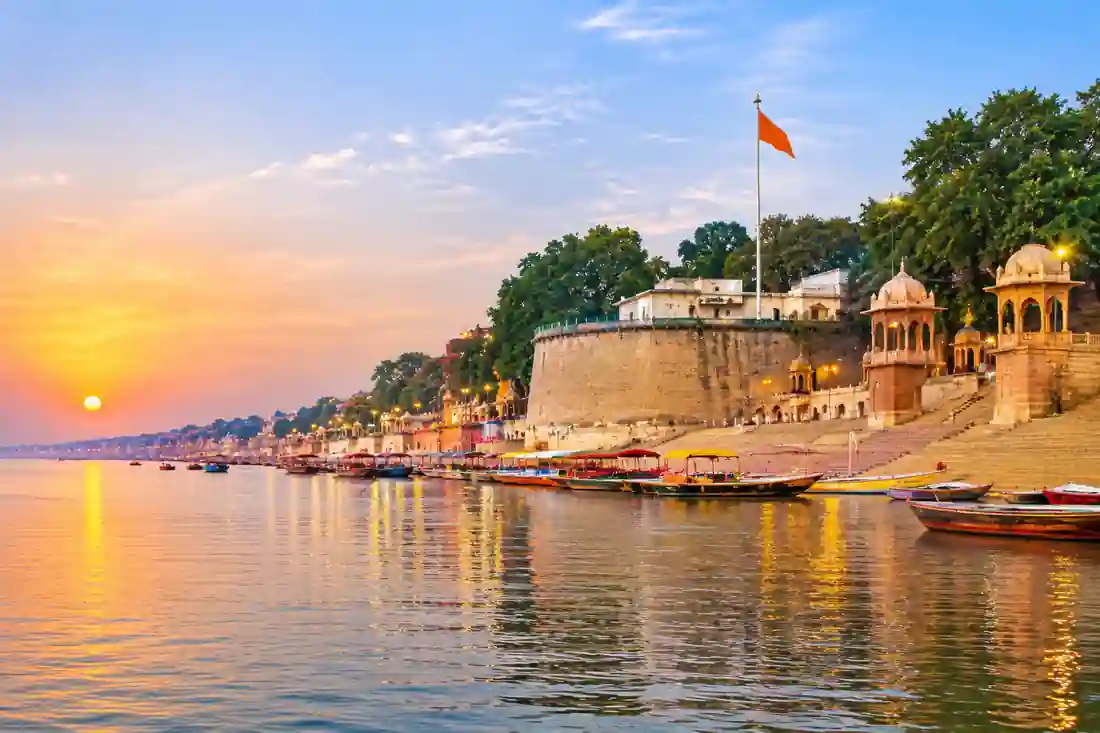
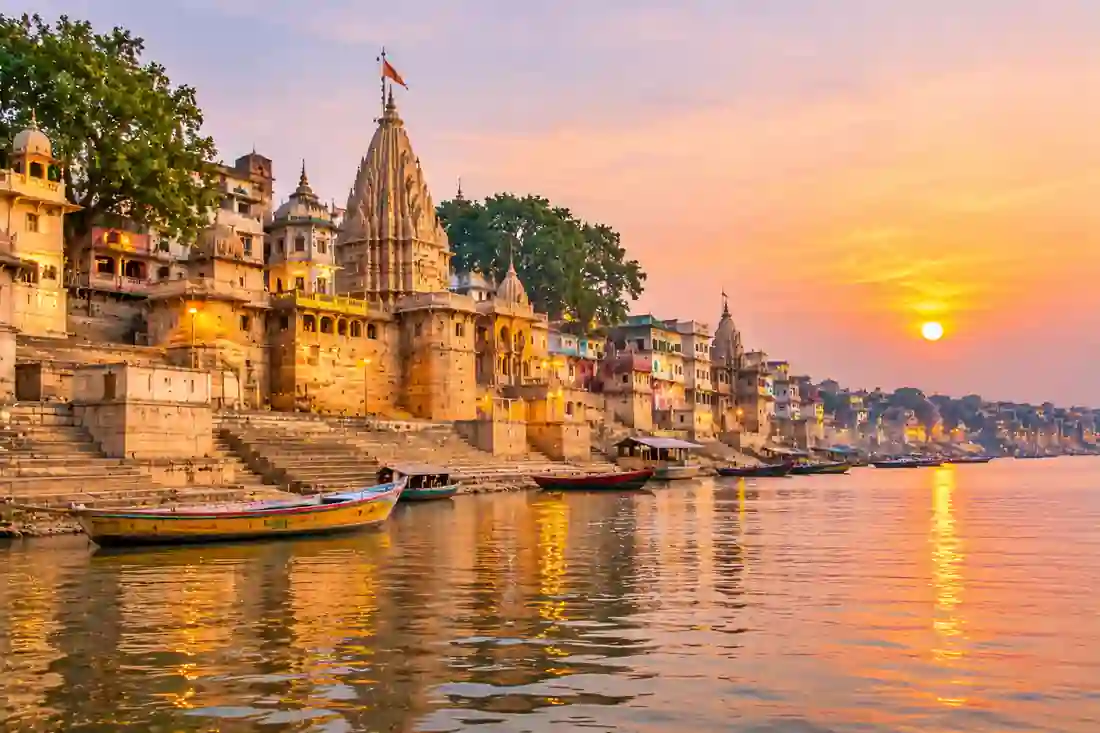
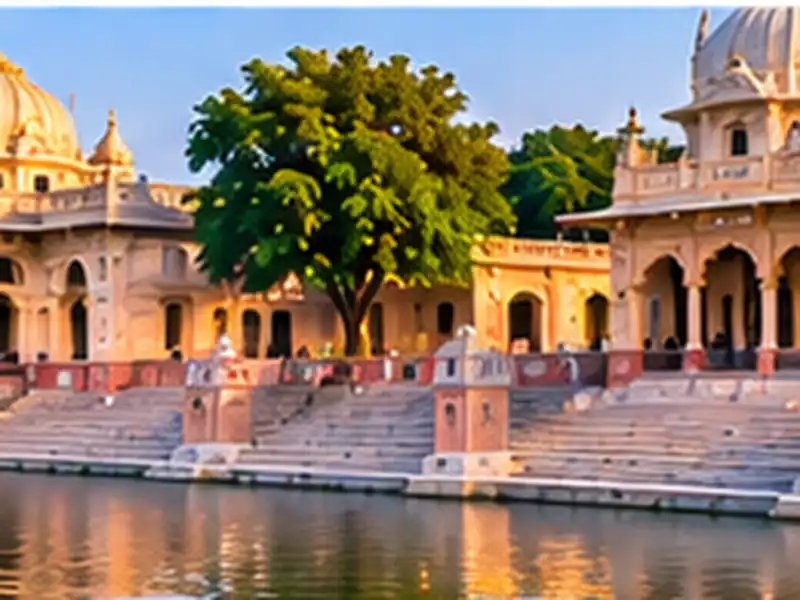
The Yamuna River forms an essential part of Vrindavan's spiritual identity, and Keshi Ghat is among its most important historic riverfront locations.
According to Hindu tradition, Keshi Ghat is associated with the story of Lord Krishna defeating the demon Keshi, making it a revered site within the sacred geography of Braj.
The ghat is recognised for its traditional stone architecture, historic riverside buildings, and beautiful views of the Yamuna.
Visitors can explore the riverfront surroundings, observe devotional rituals, and experience the peaceful atmosphere during quieter periods.
Morning and evening are particularly attractive for photography, when the changing light creates beautiful reflections across the river and surrounding structures.
Religious ceremonies and Yamuna aarti may take place according to local schedules and arrangements.
The riverfront offers a meaningful setting for understanding the spiritual relationship between Krishna devotion and the Yamuna.
Visitors should take care near the steps, avoid entering unsafe river areas, and follow local restrictions on boating and water activities.
Keshi Ghat adds an important cultural and scenic dimension to a Vrindavan pilgrimage beyond conventional temple sightseeing.
Although Vrindavan is famous for its modern temples, it also preserves remarkable religious architecture associated with earlier periods of Krishna devotion.
Govind Dev Ji Temple is one of the town's important historic landmarks, associated with the development of Vrindavan as a major pilgrimage centre during the sixteenth century.
The surviving structure is known for its impressive red sandstone architecture and historical significance.
Radha Raman Temple is another revered shrine, closely connected with the devotional traditions of Gopal Bhatta Goswami, one of the important figures of Gaudiya Vaishnavism.
Radha Vallabh Temple represents another distinct tradition of Radha-Krishna worship and is associated with the teachings of Hith Harivansh Mahaprabhu.
The historic Madan Mohan Temple, standing near the Yamuna, is recognised for its distinctive architectural form and important place in Vrindavan's religious history.
Rangji Temple offers a contrasting architectural experience through its South Indian influences and distinctive temple structures.
Together, these sacred landmarks demonstrate the diversity of worship traditions, artistic styles, and religious communities that have shaped Vrindavan over centuries.
Parikrama, the devotional practice of walking around a sacred site, is an important tradition in Vrindavan and the wider Braj region.
The Vrindavan Parikrama route allows devotees to experience the town's religious landscape through walking, chanting, and visits to sacred locations along the way.
The traditional Vrindavan Parikrama is commonly described as approximately 10 kilometres, although the distance and route may vary depending on the starting point and local arrangements.
Many pilgrims undertake the walk in the early morning, when temperatures are relatively comfortable and the streets are quieter.
The route passes through religious neighbourhoods and areas associated with the Yamuna, providing an opportunity to experience Vrindavan beyond its most crowded temples.
Travellers interested in the broader Braj tradition can also learn about Govardhan Parikrama and other sacred walking routes in nearby destinations.
Visitors should wear comfortable footwear where permitted, carry drinking water, and consider weather conditions before undertaking longer walks.
Parikrama offers a different perspective on Vrindavan, connecting spiritual reflection with its traditional streets, communities, and sacred landscape.
Vrindavan is internationally recognised for its colourful religious festivals, particularly Holi and Krishna Janmashtami.
Holi holds special significance throughout the Braj region, where celebrations are closely connected with the stories of Radha and Krishna.
Different temples and nearby towns observe the festival through distinctive traditions, including flower offerings, devotional singing, coloured powders, and religious gatherings.
Banke Bihari Temple and other important shrines attract large numbers of devotees during the Holi period.
Krishna Janmashtami, celebrated according to the Hindu lunar calendar, is another major occasion marked by decorated temples, special prayers, devotional performances, and celebrations of Lord Krishna's birth.
Radhashtami, Kartik month observances, and other Vaishnavite festivals are also important parts of Vrindavan's religious calendar.
During major festivals, the town can become extremely crowded, and temple access, road traffic, and accommodation availability may be affected.
Travellers planning a festival visit should allow additional time, follow official crowd-management instructions, and book accommodation in advance.
For visitors interested in traditional Braj culture, these celebrations offer an unforgettable opportunity to experience Vrindavan's living religious heritage.
Vrindavan's narrow streets and temple neighbourhoods are home to lively markets selling devotional items, religious books, traditional clothing, sweets, and locally inspired handicrafts.
The shopping areas near Banke Bihari Temple are particularly popular among pilgrims looking for prayer beads, small idols, traditional garments, and souvenirs.
Visitors can also explore shops offering incense, flower garlands, devotional literature, and other items associated with Krishna worship.
Vrindavan has a strong vegetarian food culture influenced by its religious traditions. Many local restaurants and eateries serve vegetarian meals, snacks, and sweets.
Popular regional foods include kachori, bedai, aloo sabzi, jalebi, peda, and traditional lassi.
Temple prasad is another meaningful part of the pilgrimage experience, although its availability and distribution arrangements differ between temples.
Exploring the local food culture provides an opportunity to experience the town's traditional lifestyle beyond religious sightseeing.
Visitors should choose clean and reputable food establishments, especially during busy festival periods.
Vrindavan offers memorable experiences for travellers interested in spirituality, history, architecture, and cultural traditions.
Pilgrims can visit important Krishna temples, attend devotional ceremonies, undertake parikrama, and explore sacred riverfront locations.
Families can discover the beautiful architecture of Prem Mandir, experience devotional singing at ISKCON Temple, and explore historic religious sites.
Senior travellers may prefer an itinerary with fewer temple visits per day, planned rest breaks, and transport arrangements that minimise walking through crowded streets.
Cultural travellers can learn about the historic Vaishnavite traditions, religious literature, temple architecture, and festivals of Braj.
Photographers can capture the architecture of temples, traditional markets, and riverside scenery wherever photography is permitted.
Vrindavan is especially rewarding for visitors who want to experience the devotional atmosphere of Braj at a comfortable pace.
A one-to-two-day stay is generally suitable for exploring Vrindavan's major attractions, including Shri Banke Bihari Temple, Prem Mandir, ISKCON Temple, Nidhivan, and Keshi Ghat.
Travellers interested in additional temples such as Radha Raman, Radha Vallabh, Govind Dev Ji, and Rangji Temple may prefer two to three days.
Visitors planning a wider Braj pilgrimage covering Mathura, Gokul, Govardhan, Barsana, and Nandgaon should allow additional days depending on the number of destinations and religious activities.
October to March is generally the most comfortable period for temple sightseeing and walking through the town. April to June brings intense summer heat, while July to September experiences monsoon rainfall and humid weather.
Major festivals such as Holi and Janmashtami are culturally significant but can involve extremely large crowds, traffic restrictions, and long waiting times at temples.
Travellers should remember that many temples have separate morning and evening darshan sessions, with afternoon closures. Timings may change during festivals, religious observances, and special circumstances.
The narrow streets around Banke Bihari Temple and other historic areas may be difficult to access directly by larger vehicles. Walking and local e-rickshaws are common ways to reach different temple neighbourhoods, subject to traffic restrictions.
Vrindavan is accessible from Mathura Junction Railway Station and major road routes connecting Mathura with Delhi, Agra, and neighbouring destinations.
With its sacred Krishna temples, beautiful riverfronts, historic devotional traditions, lively festivals, and welcoming spiritual atmosphere, Vrindavan remains one of India's most meaningful destinations for exploring the cultural and religious heritage of Braj Bhoomi.
Explore more beautiful destinations in Uttar Pradesh.
Explore more Vrindavan and Uttar Pradesh travel experiences.


Plan a memorable getaway with Travel Ride.
Helpful answers about Vrindavan.
The weather generally remains hot and humid through most of the year, so it is fitting to visit this spot throughout the cold weather months. The mid-year period of Vrindavan is having a temperature of 21°C to 37°C. During the storm season, it encounters medium precipitation and a temperature range from 24°C to 33°C. Throughout the colder time of year season, the temperature goes from 8°C to 25°C.
Distance from Delhi: 182 Kms
Distance from Uttarakhand: 163 Kms
Distance from Udaipur: 628 Kms
Distance from Chandigarh: 409 Kms
Distance from Jaipur: 234 Kms
Distance from Ahmedabad: 912 Kms
Distance from Mumbai: 1265 Kms
Distance from Bangalore: 1999 Kms
Distance from Chennai: 2032 Kms
Distance from Agra: 70 Kms
Distance from Mathura: 14 Kms
Distance from Ayodhya: 533 Kms
The closest railway station is Mathura Junction at a distance of 14km. Vrindavan is associated with Delhi, Jaipur, Agra, Varanasi, Bhopal, Gwalior, and so forth you can likewise board some neighborhood trains from Delhi, Alwar, Lucknow, and Bharatpur that work on the everyday schedule.
The word “Vrinda” in Vrindavan means basil and “Van” means wood. Some of the attractions of Vrindavan are Banke Bihari temple, Prem Mandir, Radha Raman temple, ISKCON temple, Sri Ranganatha Temple, Katyayani temple, Shahji temple, and Govind Devji Temple.
The closest International air terminal is at a distance of 150 km which is Indira Gandhi International air terminal, situated in Delhi. From the air terminal, you can get nearby vehicles and taxis to arrive at your destination. There are well motorable streets that associate Vrindavan with different urban areas.
This pilgrimage city attracts a huge number of devotees each year. You can also admire the beauty and greenery of this place in forests like Nidhivan forest and Seva Kunj in the period of 3 days.
 14 Best Places to Visit in India – Top Tourist Destinations
 Taj Mahal - The Teardrop On The Cheeks Of Eternity
 14 Marvelous waterfalls in India
 19 Famous Temples in India
 Top Tourism destinations for your next trip to India