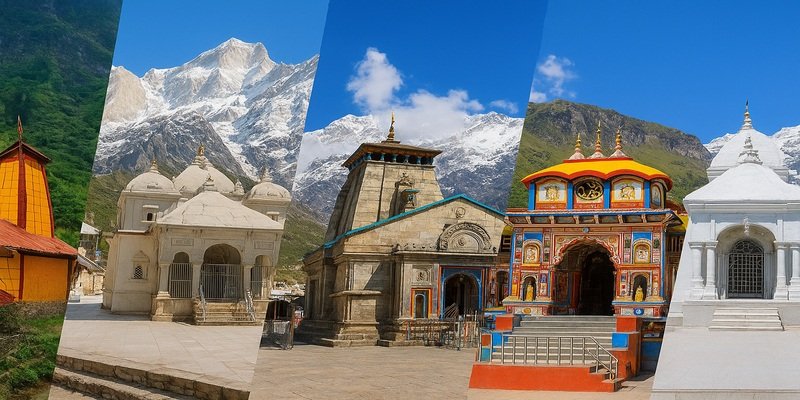
For more detailed information, you can also visit our Char Dham Yatra package page, where we have listed all available travel options, routes, prices, and complete itinerary details. This page will help you compare different packages and choose the one that suits your comfort and budget.
Why is it important to undertake the Chardham Yatra at least once in life?
In Hinduism, Chardham holds a special significance. This pilgrimage is not only important from a religious perspective but also carries deep spiritual and cultural value. Char Dham Yatra is considered the path to attaining salvation (moksha) in the age of Kalyug.
Chardham is a sacred and spiritual journey that enriches a person religiously, spiritually, and culturally. That is why in Hindu tradition, it is advised that every individual should undertake this pilgrimage at least once in their lifetime.
According to Hindu beliefs, performing the Chardham Yatra leads to liberation from the cycle of birth and death, and all sins are washed away. Devotees experience auspicious outcomes in life and receive divine blessings. This is the reason why every year, lakhs of pilgrims from across India and abroad travel to Uttarakhand for the Chardham Yatra.
Where are the Chardham located?
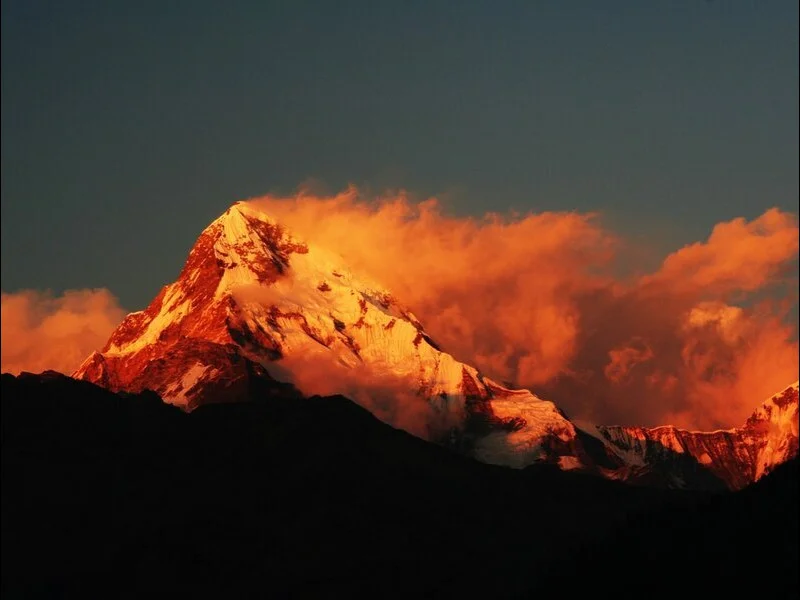
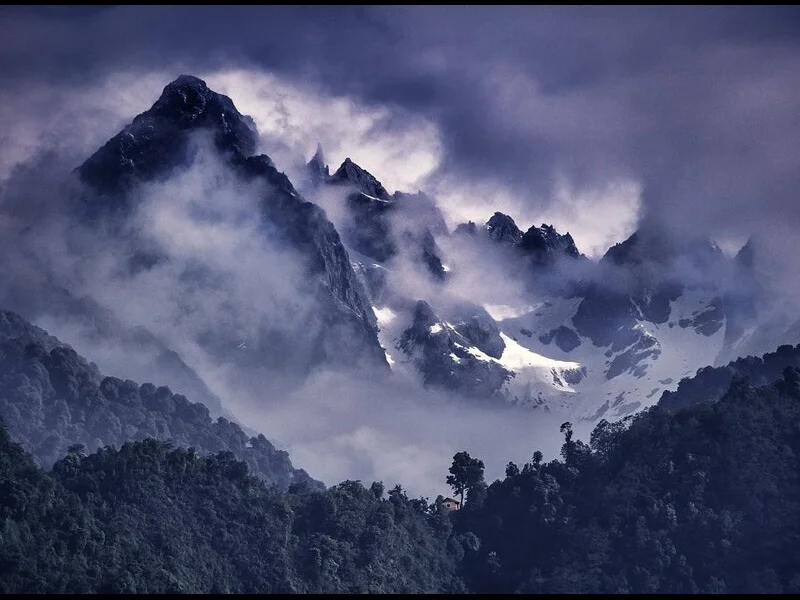
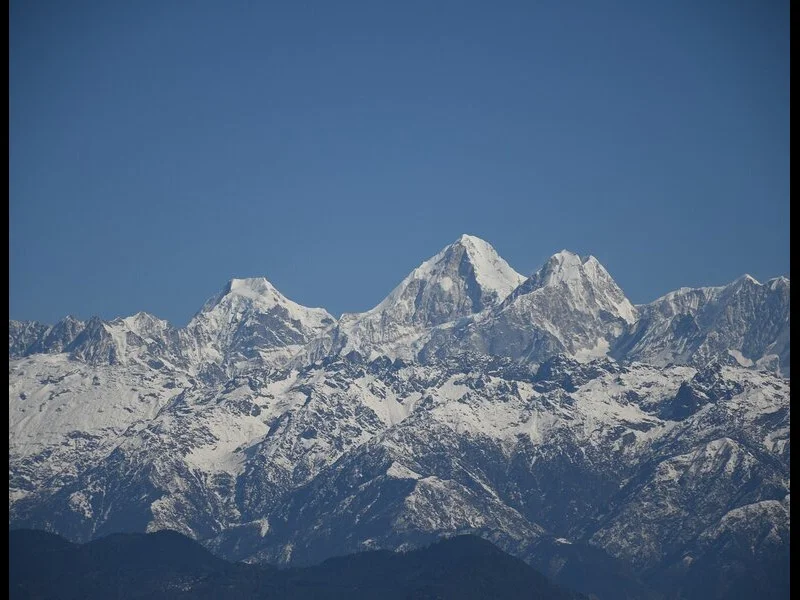
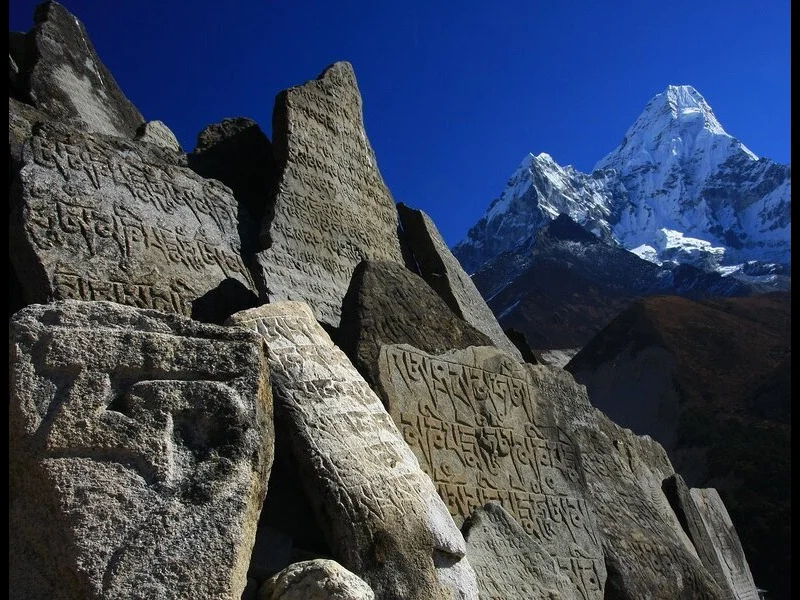
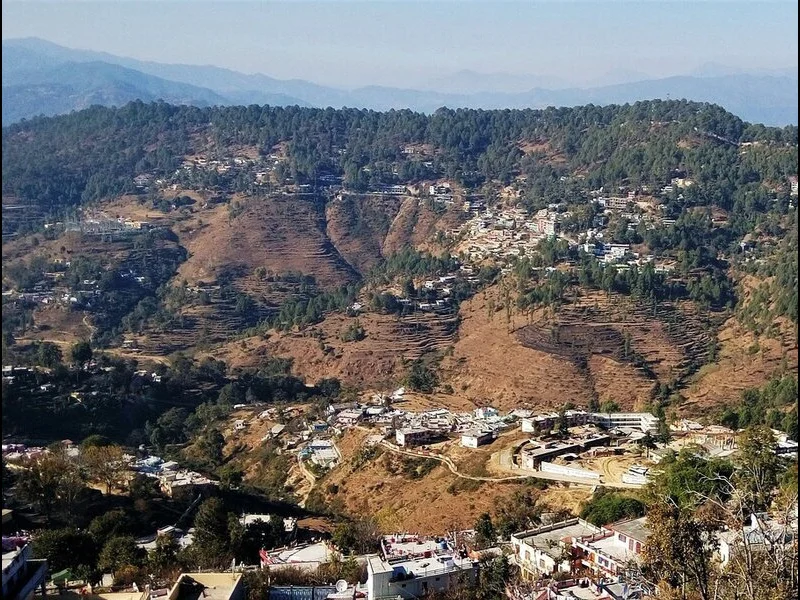
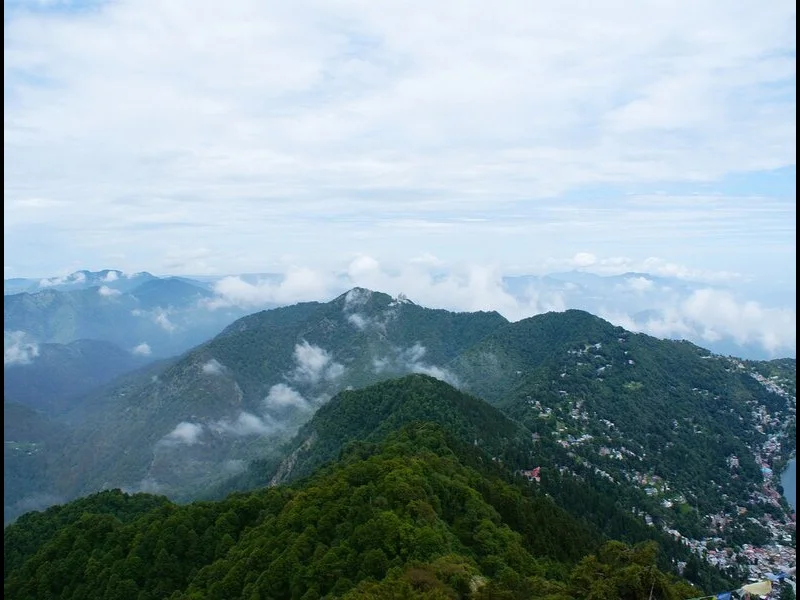
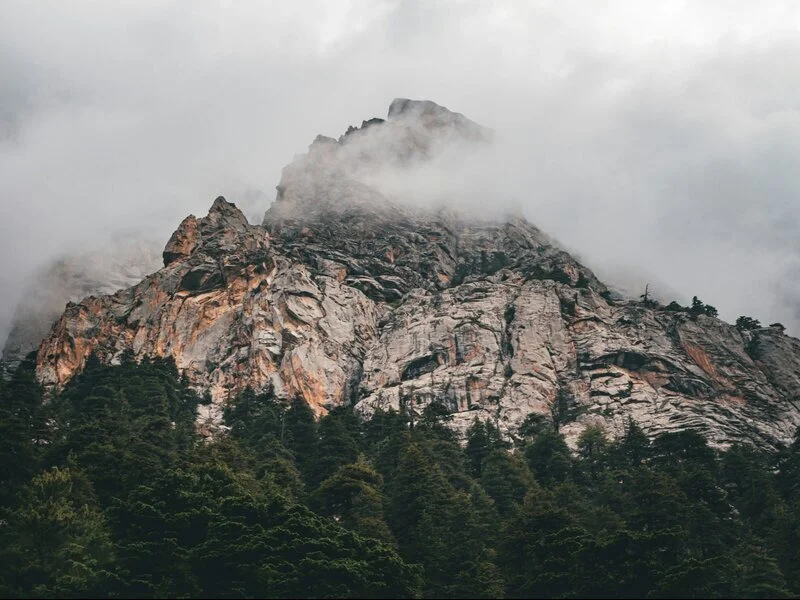
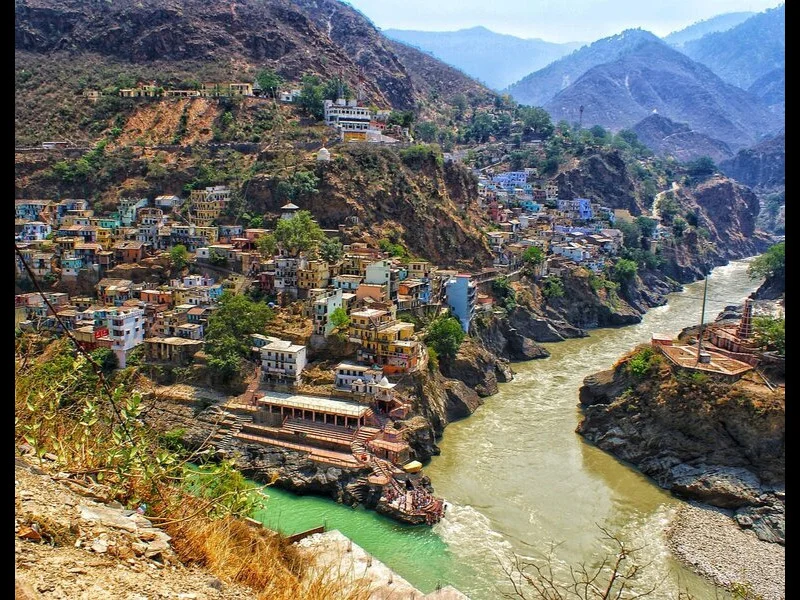
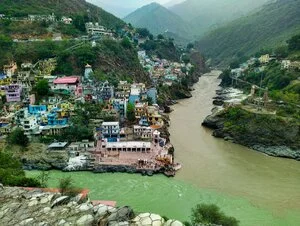
The Chardham Yatra includes four sacred shrines established in the Garhwal Himalayan range of Uttarakhand: Yamunotri, Gangotri, Kedarnath, and Badrinath.
1. Yamunotri Dham
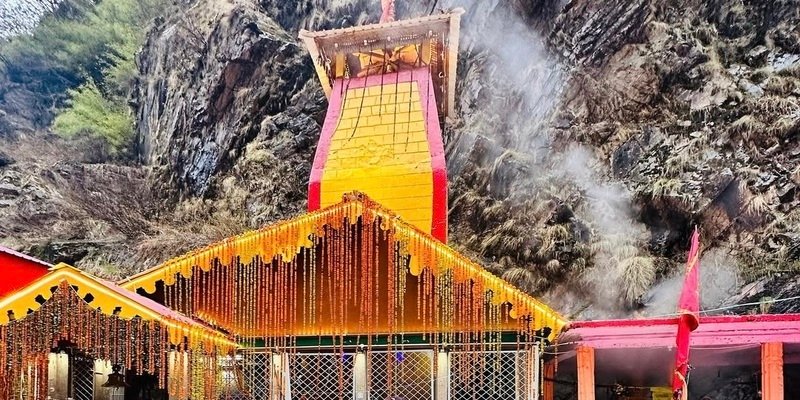
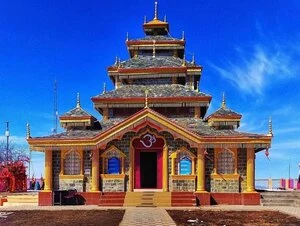
Yamunotri is a Hindu temple dedicated to the Goddess Yamuna, located in the Uttarkashi district of Uttarakhand, India. According to Hindu mythology, Yamunotri is considered the source of the Yamuna River and is one of the four holy shrines of the Uttarakhand Chardham pilgrimage. The Yamunotri temple is surrounded by glaciers and thermal springs in the Himalayas.
In Hindu legends, Yamuna is believed to be the daughter of the Sun God (Surya) and the sister of Yama (God of Death). It is believed that bathing in the Yamuna brings peace.
According to mythology, Yamunotri was once the home of Rishi Asit Muni, who lived on the banks of the Yamuna and was known for his devotion to the goddess.
The present-day temple was constructed in the 19th century by Hindu king Narendra Shah, though the site has been mentioned in ancient Hindu scriptures.
- Temple Timings: The Yamunotri temple opens for devotees at 7:00 AM, closes between 1:00 PM to 4:00 PM, and finally shuts at 8:00 PM.
- Stay Options during Yamunotri Yatra: Pilgrims can stay at places like Jankichatti, Sayanachatti, Barkot, and Naugaon.
- Nearby Attractions around Yamunotri Temple: Yamuna Temple, Kharshali, Suryakund, Shanidev Temple, and Saptrishi Kund.
Make your Yamunotri pilgrimage easier by checking our Yamunotri Dham travel guide page, which covers the route, the best season to visit, and important travel tips.
2. Gangotri Dham
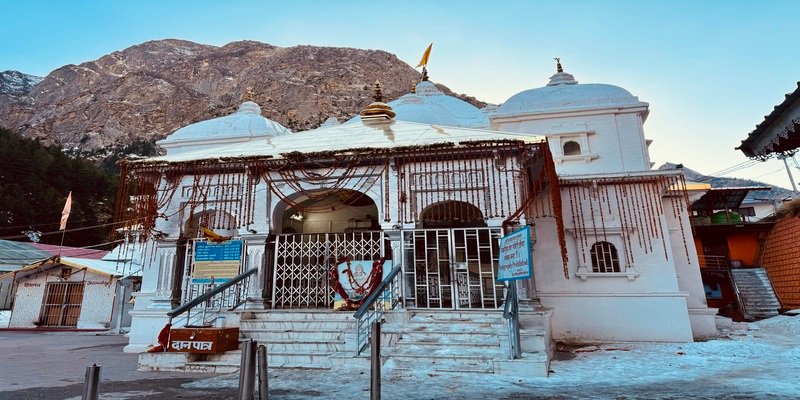
The origin place of Mother Ganga, Gangotri, is the second stop of the Chardham Yatra. The Gangotri Temple, situated at an altitude of 3,100 meters (10,200 feet) in the Greater Himalaya range, stands on the banks of the Bhagirathi River. The temple was built in the early 18th century by a Gorkha commander, Amar Singh Thapa.
In the inner Himalayan region, Gangotri Dham is considered the most sacred site where the holy Ganga touches the Earth for the first time. According to Hindu mythology, after centuries of deep penance, Goddess Ganga descended in the form of a river to wash away the sins of King Bhagirath’s ancestors. To reduce the immense impact of her descent, Lord Shiva received her in his matted locks, and from there she began to flow, initially known as Bhagirathi.
Darshan Timings at Gangotri Temple:
- Morning: 6:15 AM – 2:00 PM
- Evening: 3:00 PM – 9:00 PM
Stay Options during Gangotri Yatra:
- Pilgrims can stay near the Gangotri temple, but the accommodation is limited to a few hotels and homestays.
- There are many stay options available in Uttarkashi. Besides that, good hotels and homestays can also be found in Harsil, Netala, and Maneri.
Nearby Attractions around Gangotri Temple:
Gangotri Temple, Harsil Village, Suryakund, Gaumukh Tapovan (trek), Vishwanath Temple, Pandav Gufa
For detailed information on visiting Gangotri, including the trek route, accommodations, and travel tips, visit our Gangotri Dham travel guide page.
3. Kedarnath Dham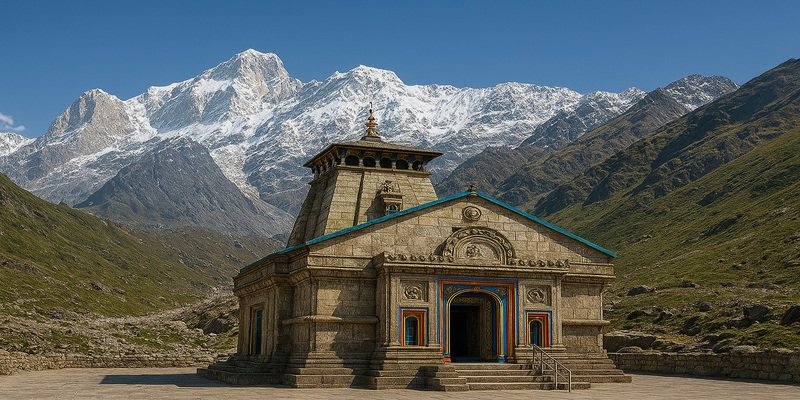
Kedarnath Dham is one of the most sacred pilgrimage sites of Lord Shiva, located in the state of Uttarakhand, India. It stands on the banks of the Mandakini River at an altitude of around 3,584 meters above sea level, and is one of the twelve Jyotirlingas of Lord Shiva.
According to Hindu mythology, the Kedarnath Temple was originally constructed by the Pandavas, the heroes of the Hindu epic Mahabharata, as a way to seek forgiveness for their sins after the Kurukshetra war. It is believed that when the Pandavas pursued Lord Shiva, he took the form of a bull and dived into the earth. The temple is said to be built at the very spot where Lord Shiva disappeared, and the Shivling inside the temple is considered to be naturally formed from the elements of earth, air, water, and fire.
The temple was later rebuilt in the 8th century by Adi Shankaracharya, and it has stood the test of time for more than a thousand years. Geologists suggest that the temple remained buried under snow for almost 400 years during the Little Ice Age.
To reach Kedarnath Temple, pilgrims must undertake a 20 km trek from Gaurikund. The temple is located in the Rudraprayag district of Uttarakhand.
Darshan Timings at Kedarnath Temple:
Open daily from 6:00 AM to 5:00 PM.
Stay Options in Kedarnath:
- There are no luxury hotels in Kedarnath. Accommodation is mainly available in homestays, ashrams, dharamshalas, tents, and GMVN lodges.
- Before reaching Kedarnath, pilgrims can stay at Gaurikund, Sonprayag, Sitapur, Rampur, Sersi, Phata, Narayankoti, or Guptkashi, where all kinds of accommodations are available, ranging from budget homestays to luxury hotels.
Places to Visit Around Kedarnath:
Kedarnath Temple, Samadhi of Adi Shankaracharya, Bhairon Temple, Vasuki Tal (by trek)
Places to Explore Before or After the Kedarnath Trek: Gaurikund, Sonprayag Sangam, Triyuginarayan Temple
Discover all the important details for your Kedarnath visit, from routes and treks to accommodations, on our Kedarnath Dham travel guide page.
4. Badrinath Dham
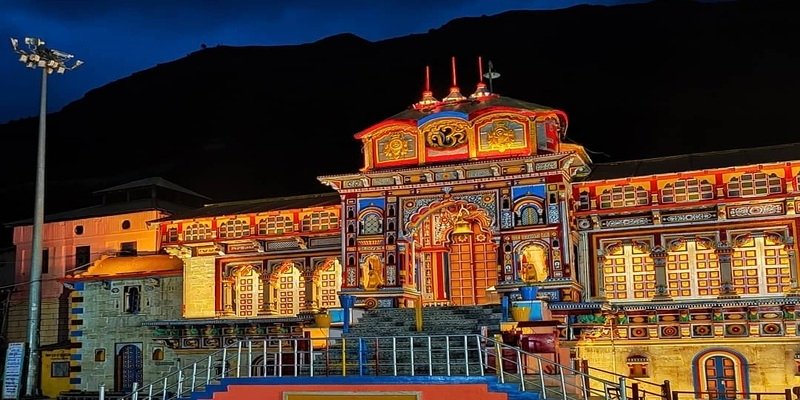
Badrinath Dham, situated on the banks of the Alaknanda River in Chamoli district of Uttarakhand, is one of the most ancient and sacred pilgrimage sites dedicated to Lord Vishnu. Among India’s famous Chardham shrines, Badrinath holds a special place. It is believed to be the divine meeting point of Nar and Narayan. As per Hindu scriptures, it is also called Vishalpuri, and here Lord Vishnu is worshipped in his Badrinarayan form.
Badrinath is one of the 24 holy incarnations of Lord Vishnu. Along with the Badrinath Temple, it is also part of the Panch Badri temples, which include Yog Dhyan Badri, Bhavishya Badri, Adi Badri, and Vriddha Badri.
According to legends, Lord Vishnu performed penance here in the form of Narayan during the Satyug. The idol of Lord Vishnu is considered eternal, magnificent, and divine. A unique feature of this idol is that devotees see their own chosen deity’s reflection in it, making it spiritually special. Even today, followers of Hinduism, Jainism, Buddhism, and Sikhism come here with great devotion to offer prayers.
Badrinath Dham, known as the abode of Lord Narayan, was also the karmabhoomi (workplace) of Adi Shankaracharya. It is believed that Adi Shankaracharya established the temple here in the 8th century AD.
Darshan Timings at Badrinath Temple:
- Morning: 4:30 AM – 1:00 PM
- Evening: 4:00 PM – 9:00 PM
Stay Options in Badrinath:
Badrinath offers all kinds of accommodation, from budget homestays to luxury hotels, many of which are located within walking distance from the temple.
Places to Visit Around Badrinath Dham:
Badrinath Temple, Mana Village, Tapt Kund, Brahma Kapal, Bheem Pul, Charan Paduka, Vasudhara Falls, Vyas Gufa, Ganesh Gufa, Alkapuri, Mata Murti Temple, Sheshnetra, Narad Kund, Saraswati River
Get detailed insights about Badrinath, including the journey, stay options, and best season to visit, on our Badrinath Dham travel guide page.
What Else Can Be Visited During the Chardham Yatra?
The Chardham Yatra usually begins from Haridwar. While in Haridwar, pilgrims can visit Chandi Devi Temple, Mansa Devi Temple, and Daksh Temple, and in the evening, experience the world-famous Ganga Aarti at Har Ki Pauri.
- During the Yamunotri Yatra: Kempty Falls in Mussoorie, Lakha Mandal, Yamuna Temple in Janki Chatti
- During Gangotri Yatra: Pandav Gufa, Vishwanath Temple, Harsil Village, Suryakund
- During Kedarnath Yatra: Triyuginarayan Temple, Gaurikund, Augustmuni, Shri Kashi Vishwanath Temple, Kali Math Temple, Sonprayag Sangam
- During Badrinath Yatra: Omkareshwar Temple, Kedarnath Wildlife Sanctuary (Chopta), Mana Village, Tapt Kund, Brahma Kapal, Bheem Pul, Charan Paduka, Vasudhara Falls, Vyas Gufa, Ganesh Gufa, Alkapuri, Mata Murti Temple, Sheshnetra, Narad Kund, Saraswati River
- On the Return Journey from Badrinath: Vishnuprayag Sangam, Auli, Narsingh Temple, and Shankaracharya Math at Joshimath, Nandprayag, Karnprayag, Rudraprayag, Dhari Devi Temple, Devprayag Sangam
- In Rishikesh (towards the end of the Yatra): Neelkanth Mahadev Temple, Ram Jhula, Janki Bridge, Parmarth Niketan Ashram, Geeta Bhawan Ashram, Evening Ganga Aarti at Triveni Ghat
(Note: In Rishikesh, the construction of the Bajrang Setu Bridge is underway. This will be a glass bridge, expected to become the biggest attraction of Rishikesh. The adventurous experience of walking on it will be unique, and it is expected to open for tourists by early 2026.)
Registration Process for Chardham Yatra
Registration for the Chardham Yatra is mandatory. Without registration, pilgrims are not allowed to undertake the Yatra. The Government of Uttarakhand provides both online and offline registration options for pilgrims.
Online Registration Process for Chardham Yatra
For online registration, the Uttarakhand Government has provided this official website: https://registrationandtouristcare.uk.gov.in. Pilgrims can visit the website and complete their registration online.
How to Register Online?
- Aadhaar Card is mandatory for online registration.
- The OTP for verification will only be sent to the mobile number linked with Aadhaar.
Other Online Registration Options:
- Website: registrationandtouristcare.uk.gov.in
- WhatsApp: Send “Yatra” to +91-8394833833
- Toll-Free Helpline: 0135-1364
Offline Registration Process for Chardham Yatra
Pilgrims can also register offline at various counters located along the Yatra routes, such as Haridwar, Barkot, Rishikesh, Sonprayag, Pandukeshwar, and others.
- Visit any Chardham registration counter.
- Fill out the registration form.
- Submit your identity proof and a passport-size photograph.
- Once completed, you will receive an E-Pass, which will be checked at different checkpoints during the Yatra.
Chardham Yatra by Helicopter
The Chardham Yatra by helicopter is the most convenient and easiest way to reach the holy shrines of Uttarakhand. Visiting Yamunotri, Gangotri, Kedarnath, and Badrinath has now become much simpler compared to the traditional route. Earlier, this sacred pilgrimage was a tough journey through the mountains, but helicopter services have made it significantly easier.
- The helicopter journey for the Chardham Yatra begins from the Sahastradhara Helipad in Dehradun.
- The Chardham by helicopter package usually spans 5 nights and 6 days.
- The cost is around ₹2,30,000 per person.
- The package includes all meals, VIP darshan, local sightseeing transportation, and luxury hotel stays.
- Flight timings are from 6:00 AM to 2:00 PM (subject to weather conditions).
- Each helicopter has a seating capacity of 6 passengers.
Travel Ride also provides Chardham Yatra by helicopter packages at reasonable prices with the best services.
Best Time to Visit Chardham Yatra
The Chardham Yatra in Uttarakhand remains open only for six months every year, usually from April/May to October/November, depending on the temple opening and closing dates. The best time to visit depends on the weather, road conditions, and your travel preferences.
Every year, the Chardham Yatra begins on the auspicious occasion of Akshaya Tritiya, which usually falls in late April or early May. The temple gates remain open for around six months, and they close during the winter months due to heavy snowfall.
The Yatra is undertaken from April/May to October/November, as the weather during this period is favorable and the temples remain open. The most suitable time for Chardham Yatra is from April/May to June, and then from mid-September to October/November.
During July–August, the region experiences the monsoon season, which brings heavy rainfall and landslides, making it unsafe for travel. From October/November to March, due to heavy snowfall, the temples remain closed.
Summer Season (April to June)
From the month of April, the summer season begins in Uttarakhand, where the Char Dham shrines are located. During this season, the temperature ranges between 25°C and 35 35°C. Due to this pleasant weather, summer is considered the best season for the Char Dham Yatra. This season ends in June. The period from May to June is the most ideal time to plan the Char Dham pilgrimage.
Monsoon Season (July to September)
In Uttarakhand, the monsoon starts in July and lasts until September. During these months, the entire state receives heavy rainfall, including the Char Dham route. Traveling during this period is not safe, as landslides and heavy showers often create major problems.
Winter Season (October to March)
During winter, after October/November, the temples close. From October/November until March, the Char Dham Yatra remains shut due to heavy snowfall.
Chardham Yatra Route Map (How to reach Chardham)
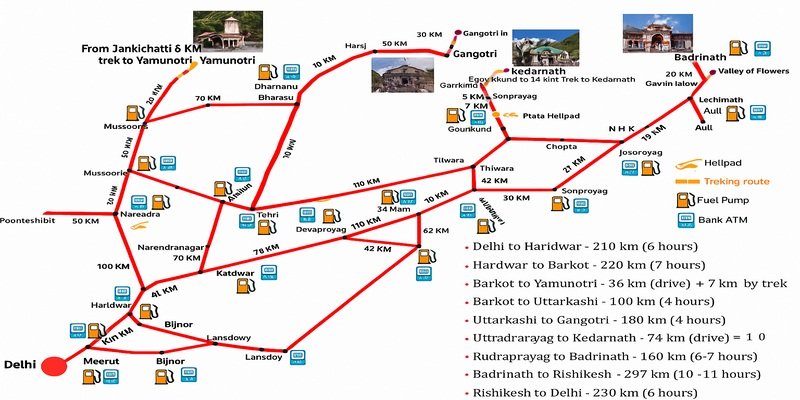
To begin the Chardham Yatra (Yamunotri, Gangotri, Kedarnath, Badrinath), you first need to reach the gateways of Uttarakhand – Dehradun, Haridwar, or Rishikesh. These locations are well-connected by road, rail, and air. From here, you can continue your journey either by road (taxi/bus) or via helicopter services.
The traditional sequence of the Char Dham Yatra starts from Yamunotri, followed by Gangotri, then Kedarnath, and finally concludes at Badrinath.
If you want a smooth and well-planned Char Dham journey, you can explore different fully customizable Chardham Yatra packages to find one that suits you best.