
To More Inquiry





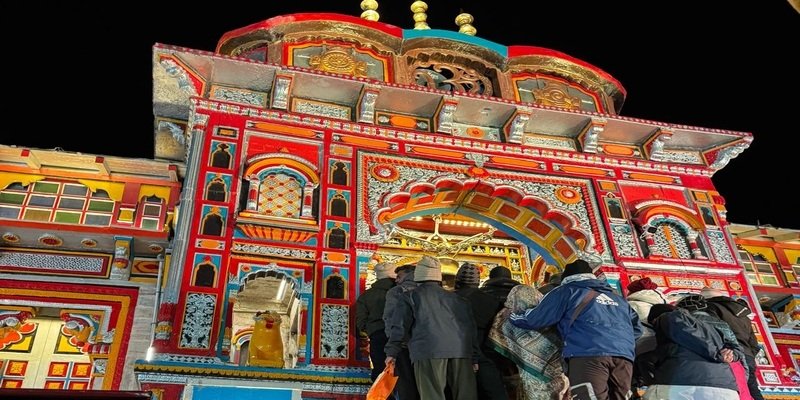
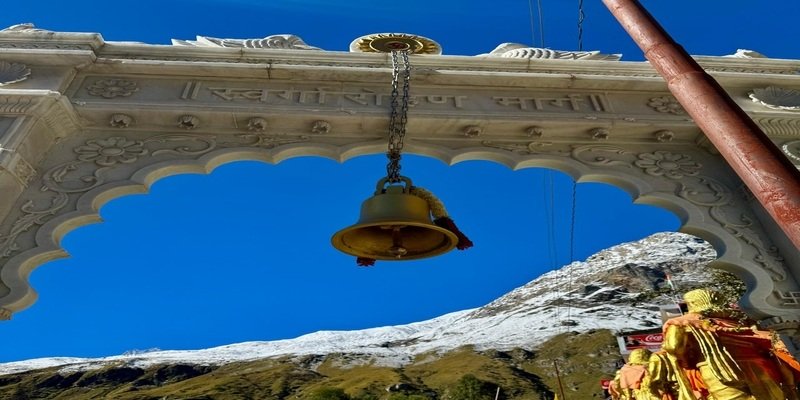
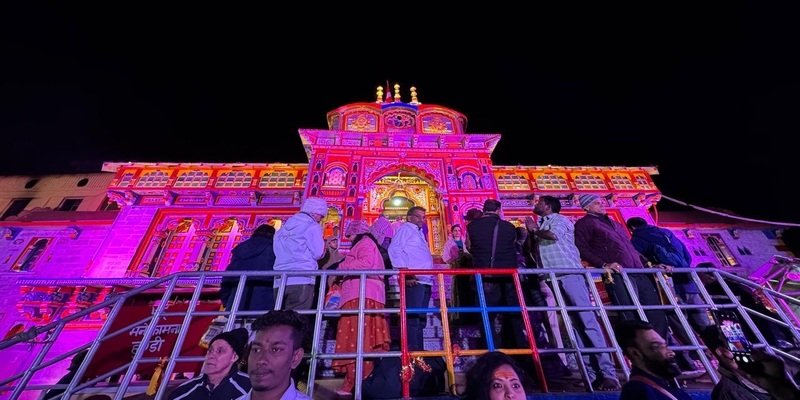
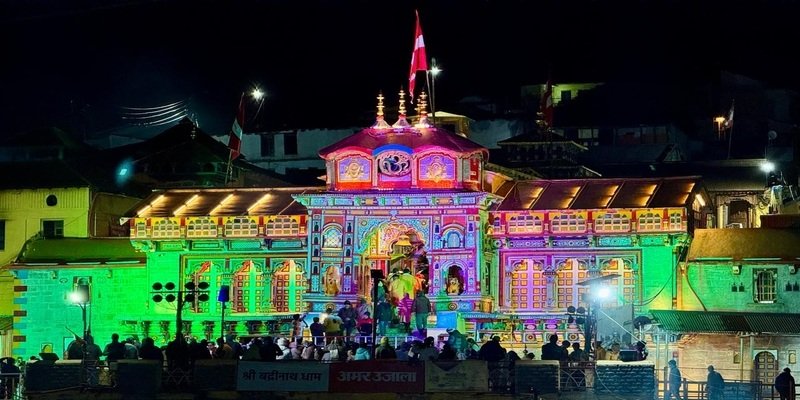
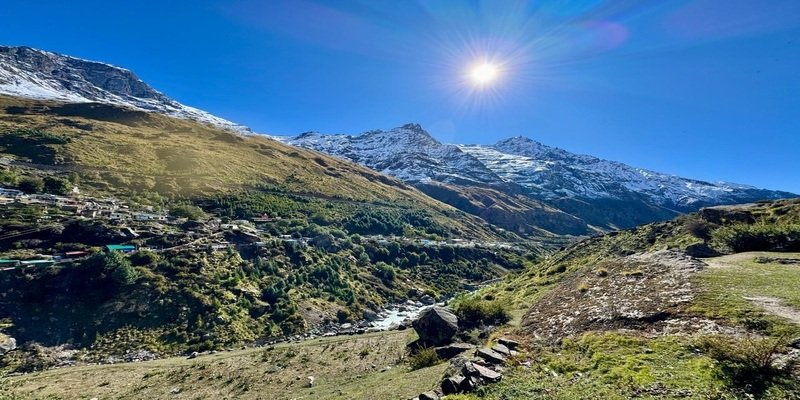
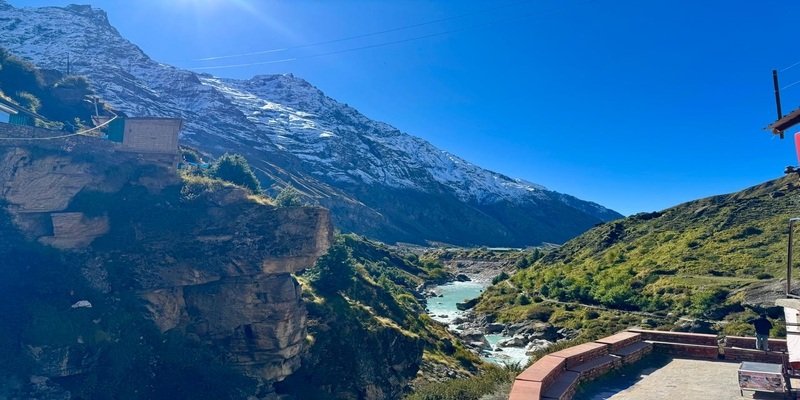
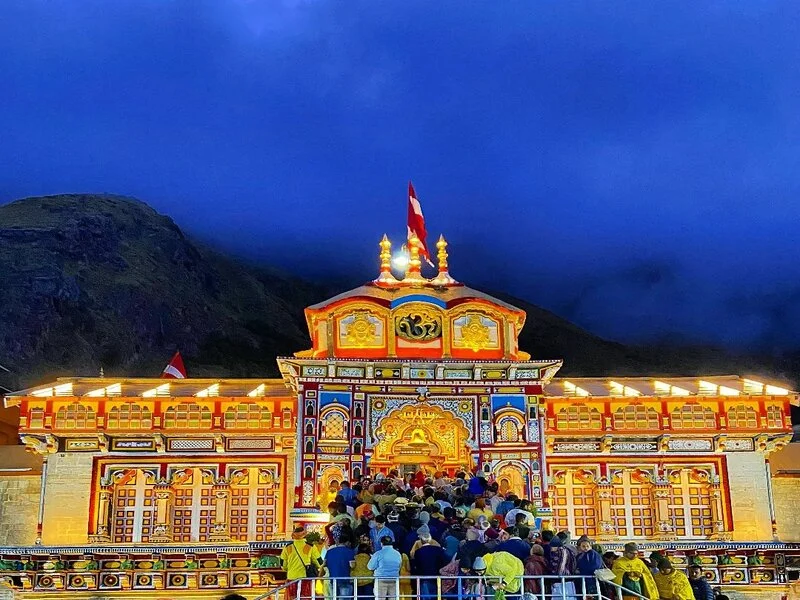
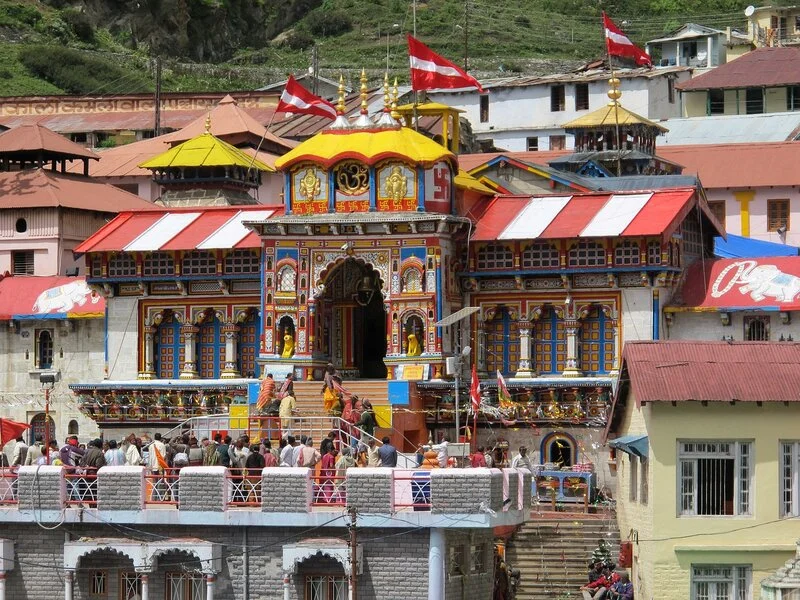
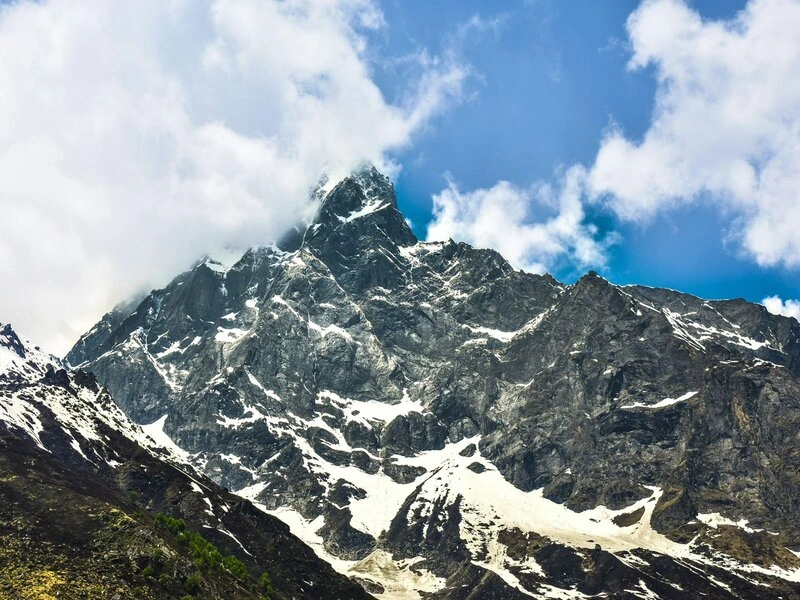
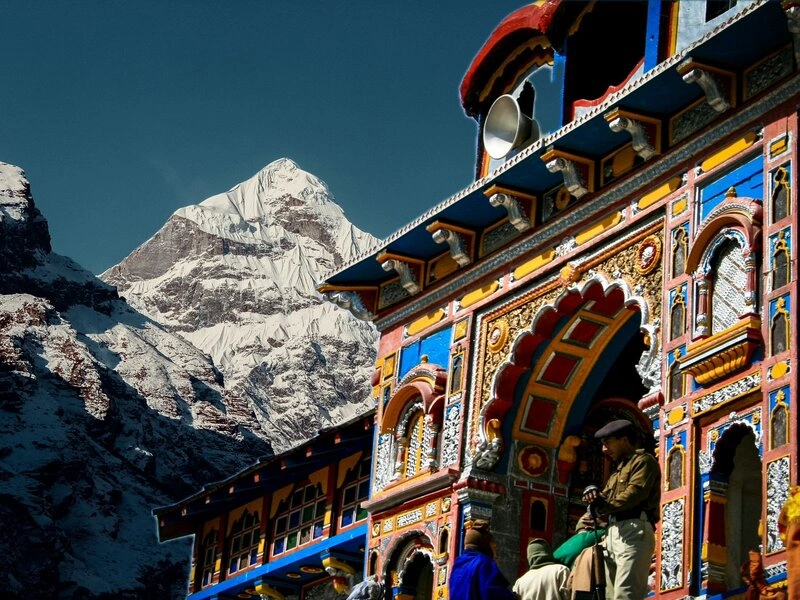
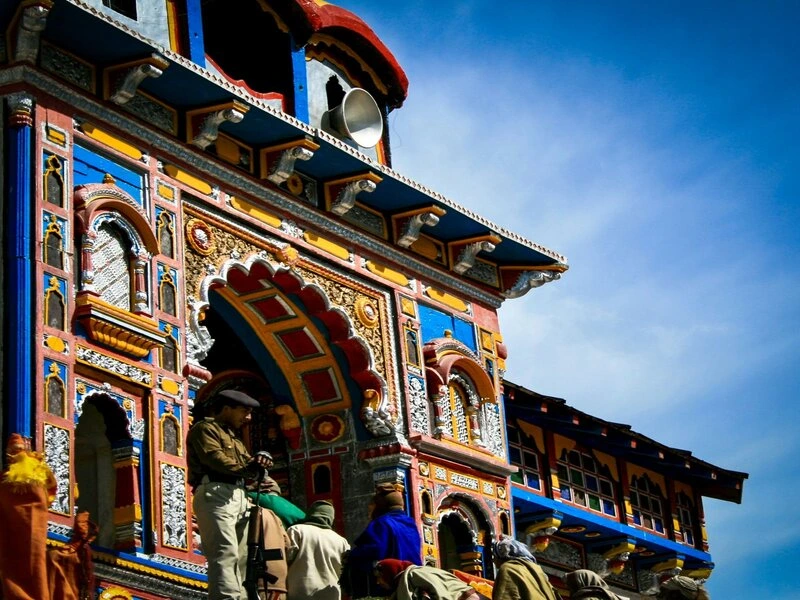
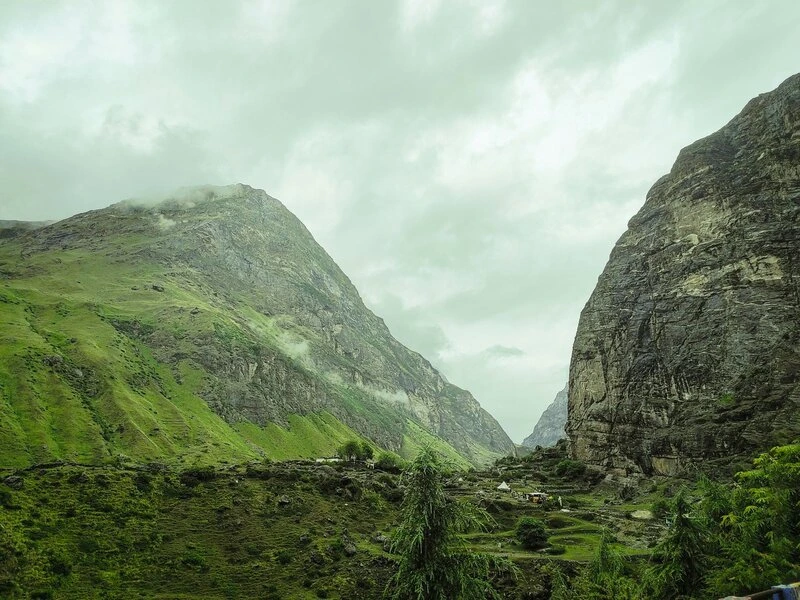
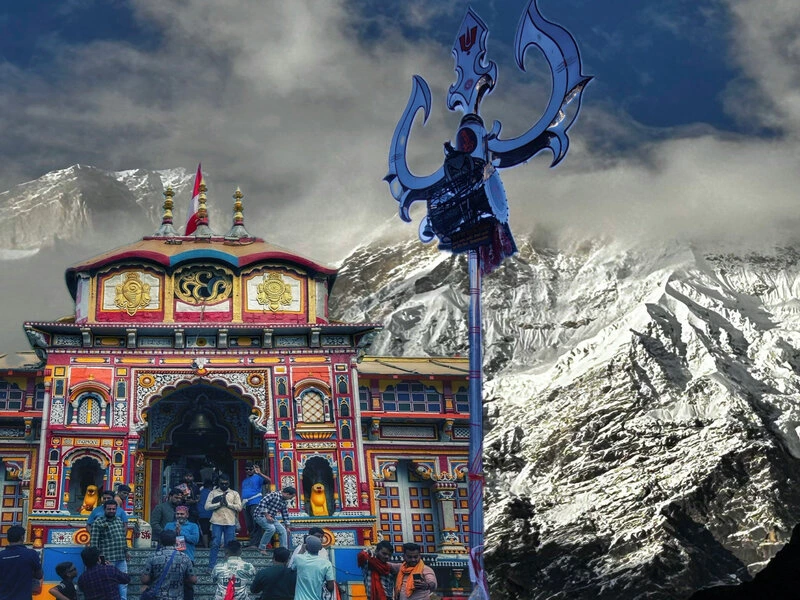
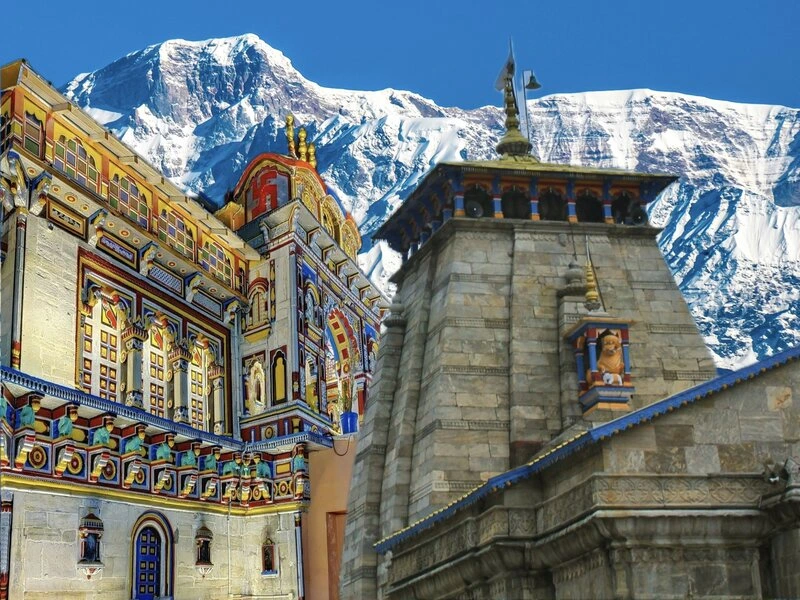
Badrinath Dham, located in the Chamoli district of Uttarakhand, is one of the most revered Hindu pilgrimage destinations. Dedicated to Lord Vishnu in his dual form of Badri Narayan, this sacred shrine is part of the revered Char Dham Yatra. Situated at an altitude of 3,133 meters in the Garhwal Himalayas, Badrinath attracts thousands of devotees each year, especially during the pilgrimage season from May to November. The temple is not only a spiritual destination but also a hub of breathtaking natural beauty, surrounded by snow-capped peaks, the Alaknanda River, and verdant valleys.
For those planning to visit all four dhams in one journey, the Char Dham Yatra Packages provide a clear view of different travel options.
| Badrinath Yatra Package | Price (Per Person) | Duration | Detail |
| 12 Days Chardham Package | ₹ 53,000 | 11 Nights | |
| Badrinath Tour Package From Haridwar | ₹ 11,000 | 2 Nights | |
| Badrinath Tour Package From Delhi | ₹ 20,000 | 4 Nights | |
| Badrinath tour package from Chennai | ₹ 21,500 | 4 Nights | |
| Badrinath Temple tour packages | ₹ 20,999 | 4 Nights | |
| Hyderabad to Badrinath tour package | ₹ 19,599 | 4 Nights | |
| Badrinath tour package from Kolkata | ₹ 19,999 | 4 Nights |
Per Person
Per Person
Per Person
Embark on a serene Himalayan pilgrimage with the Do Dham Package from Haridwar visiting the sacred shrines of Yamunotri and Gangotri Begin ...
Per Person

Embark on a divine Himalayan journey with the Badrinath Tour Package from Haridwar Travel through misty valleys flowing rivers and winding mountain ...
Per Person
Per Person

Per Person
Per Person
Per Person
Per Person
Per Person
Start a sacred Himalayan journey with a Badrinath Kedarnath tour package from Delhi designed for a smooth and well-managed pilgrimage experience This ...
Per Person
Book your Kedarnath and Badrinath tour package now and step into a powerful spiritual journey through the Himalayas This experience connects you ...
Per Person
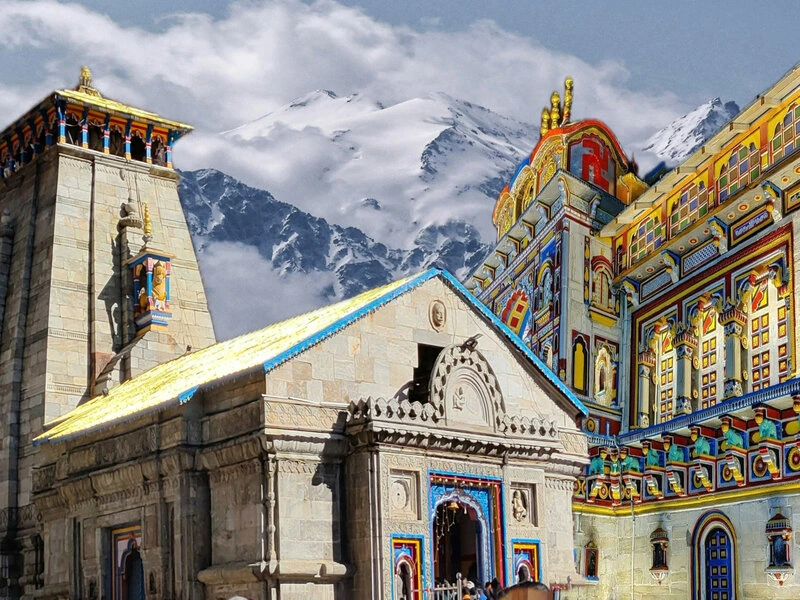
Secure your Kedarnath Badrinath tour package from Pune and get ready for a spiritually fulfilling journey into the Himalayas This trip is ...
Per Person
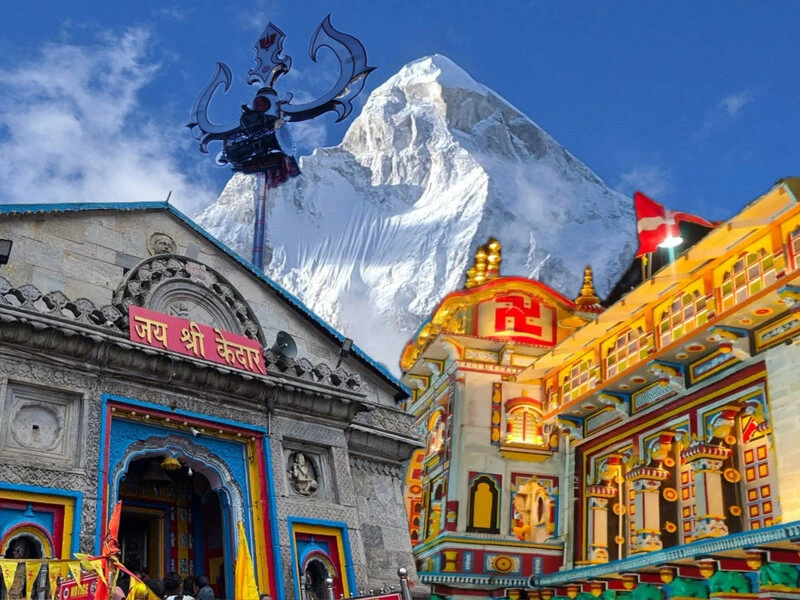
Book your Badrinath Kedarnath tour package from Hyderabad and turn your pilgrimage into a smooth well-managed journey Travel out of Hyderabad with ...
Per Person
Showing 1 of 3 pages
Badrinath Temple typically opens in late April or early May and closes in late October or early November, depending on weather and auspicious dates decided by priests. The temple remains closed during winter due to heavy snowfall, and the idol is moved to Joshimath for worship. Pilgrims should check official announcements each year for the exact opening and closing dates. Visiting during the early or late season helps avoid peak crowds while ensuring smoother travel conditions.
The best time to visit Badrinath is from May to June and September to October when the weather is pleasant and the temple is open. Summer offers clear skies and comfortable temperatures, making it ideal for darshan and sightseeing. Post-monsoon months are also good, with lush surroundings and fewer crowds. Travelers should avoid July and August due to heavy rainfall and landslide risks. Winter months remain inaccessible as the temple closes and the region becomes snowbound.
Badrinath Temple usually opens early in the morning around 4:30–5:00 AM and closes around 9:00–10:00 PM, with breaks during the day. The schedule includes morning rituals, general darshan, special pujas, and evening aarti. Exact timings may vary slightly depending on the season and temple administration. Visitors are advised to arrive early to avoid long queues, especially during peak months. Following temple rules, dress guidelines, and crowd instructions ensures a smooth and spiritually fulfilling experience.
Yes, Badrinath is generally safe for elderly people, but careful planning is essential. The temple is accessible with minimal walking, though the altitude may cause breathlessness for some visitors. Elderly travelers should consult a doctor before the trip, carry necessary medications, and avoid exertion. Choosing comfortable transport, staying hydrated, and taking rest breaks help ensure safety. Visiting during pleasant weather seasons and avoiding monsoon or peak cold months also improves overall comfort and safety.
Tapt Kund is a natural hot water spring located near Badrinath Temple, believed to have healing properties. Pilgrims take a holy bath in the kund before entering the temple as part of ritual purification. The water temperature remains warm throughout the year, even in winter. It is considered sacred, and bathing is thought to cleanse sins and prepare devotees spiritually. The site offers serene views of the surrounding mountains and is an important part of the Badrinath pilgrimage experience.
Yes, a few ATMs are available in Badrinath, primarily from major banks. However, due to the remote location and connectivity issues, ATMs may not always function reliably. It is recommended to carry sufficient cash for accommodation, food, transportation, and offerings. Nearby towns like Joshimath or Rishikesh provide better banking facilities. Cash in small denominations is preferred for temple donations and local purchases, as card payments may not be widely accepted in smaller shops and dhabas.
Badrinath offers limited adventure activities due to its focus on pilgrimage. However, trekking, short hikes, and nature walks around the temple, Tapt Kund, Vasudhara Falls, and surrounding Himalayan trails are popular. River activities are limited due to cold temperatures and strong currents in Alaknanda. Adventure enthusiasts can explore nearby regions like Joshimath or Valley of Flowers for trekking, camping, and high-altitude adventure sports. Safety precautions, local guidance, and proper gear are essential.
Mana Village, located about 3 km from Badrinath, is known as the “Last Indian Village” near the India–Tibet border. It offers a blend of natural beauty, cultural heritage, and mythological significance. Attractions include Vyas Gufa, Ganesh Gufa, and the famous “Bheem Pul” over the Saraswati River. Visitors can enjoy scenic Himalayan views and interact with the local Bhotiya tribe. Mana is a must-visit stop for pilgrims seeking a deeper cultural experience along with spiritual exploration near Badrinath.
Vasudhara Falls is a stunning high-altitude waterfall located about 9 km from Badrinath, accessible by a moderate trek from Mana Village. The waterfall drops from approximately 400 feet and is surrounded by snow-clad mountains. According to belief, only those with a pure heart can feel the water touching them. The trek offers peaceful views, glacial landscapes, and a serene atmosphere. It is popular among trekkers and pilgrims seeking a combination of spirituality, nature, and adventure near the temple.