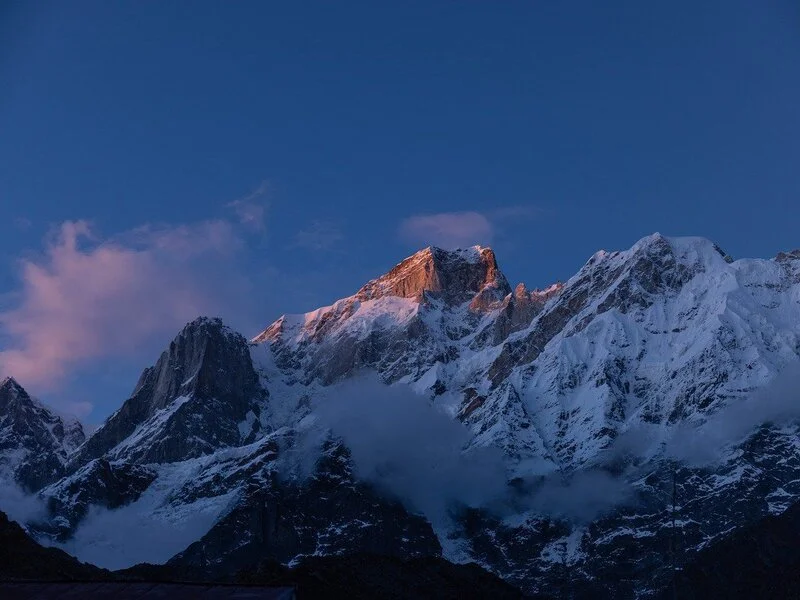
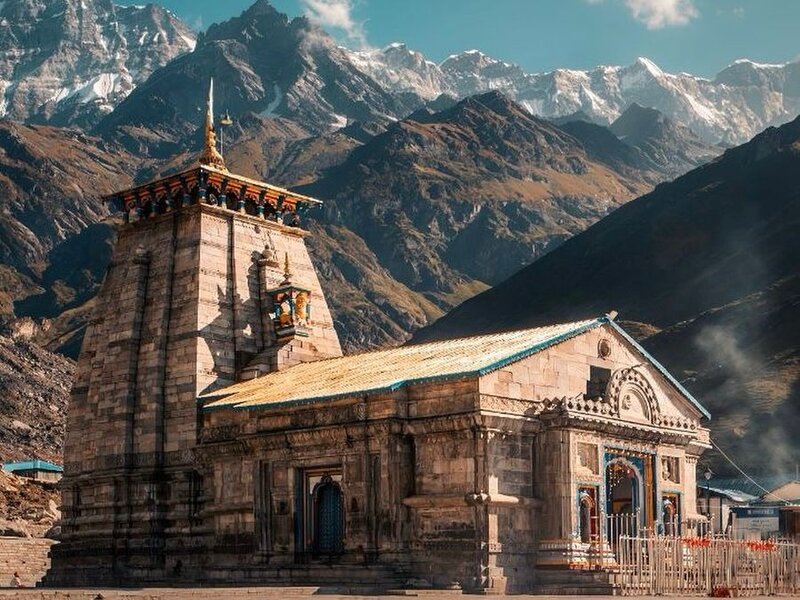
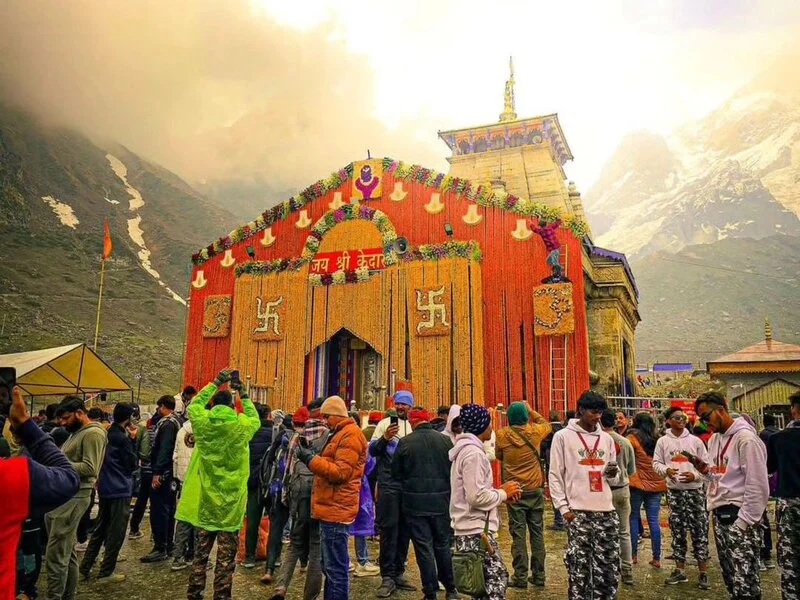
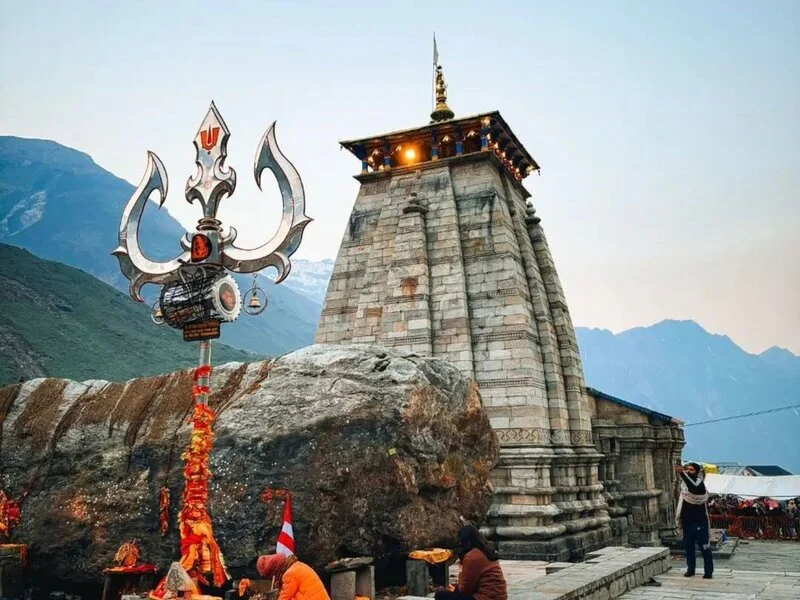
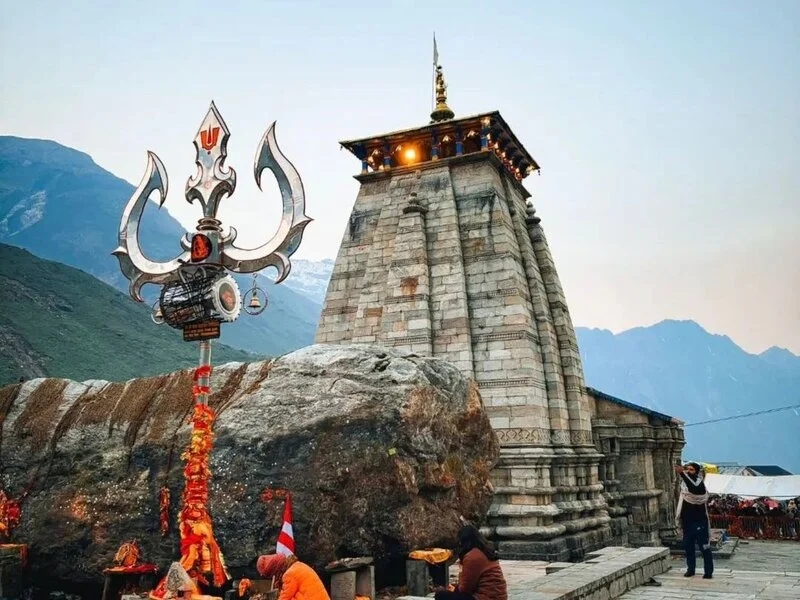
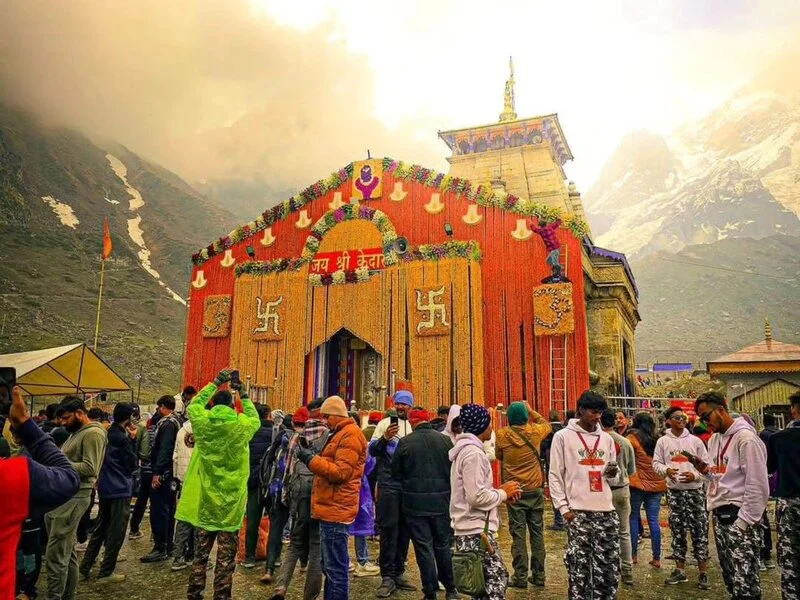
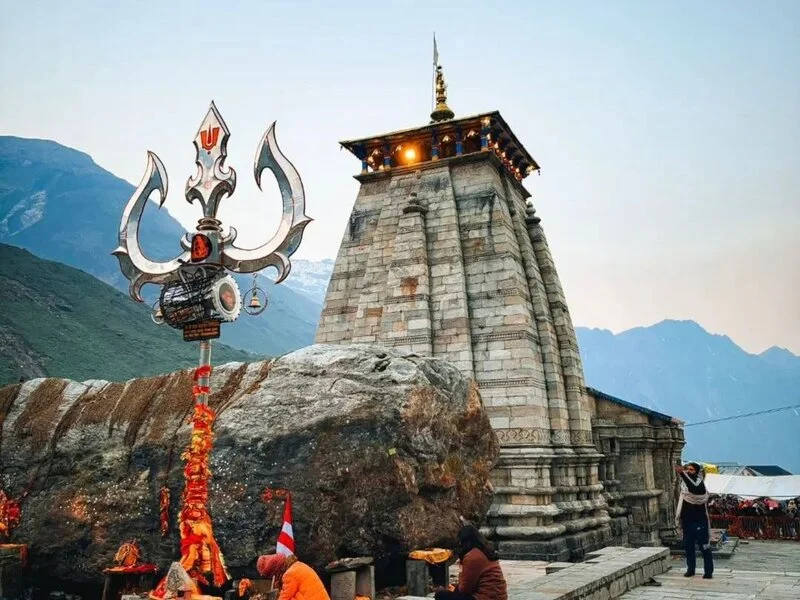
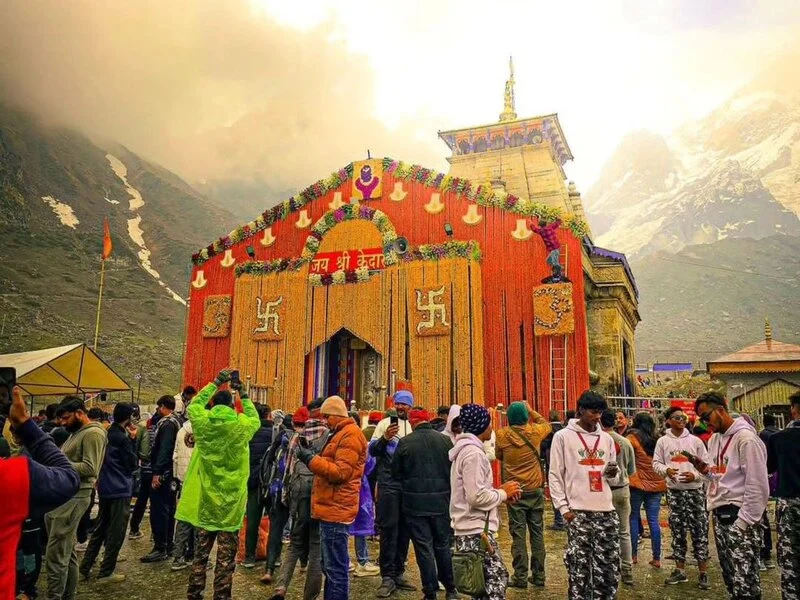
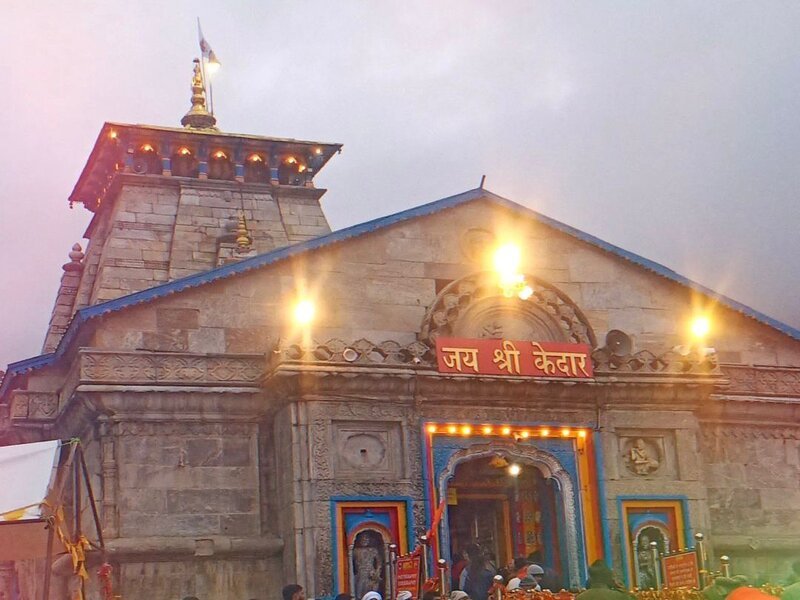
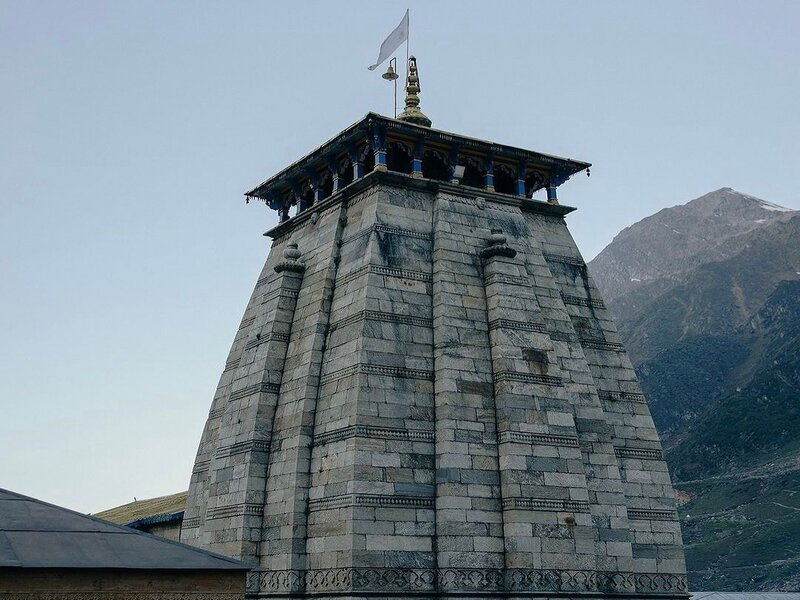
The Kedarnath Dham Yatra is one of the most revered spiritual journeys in India, attracting millions of devotees each year. Nestled in the high ranges of the Garhwal Himalayas, the sacred shrine of Lord Shiva stands at an elevation of 11,755 ft, surrounded by snow-capped mountains, mystic valleys, ancient traditions, and divine energy. For centuries, pilgrims have walked these rugged trails to seek blessings, forgiveness, and spiritual liberation.
Whether you are a first-time visitor or a returning devotee, planning your Kedarnath Yatra properly is essential. This comprehensive guide brings you everything you need to know about the route, history, rituals, weather, accommodation, helicopter services, registration process, and important travel tips. Insights shared here are written in a simple, accurate, and human-friendly manner so that every traveller can understand and prepare for the journey.
1. Introduction to Kedarnath Dham
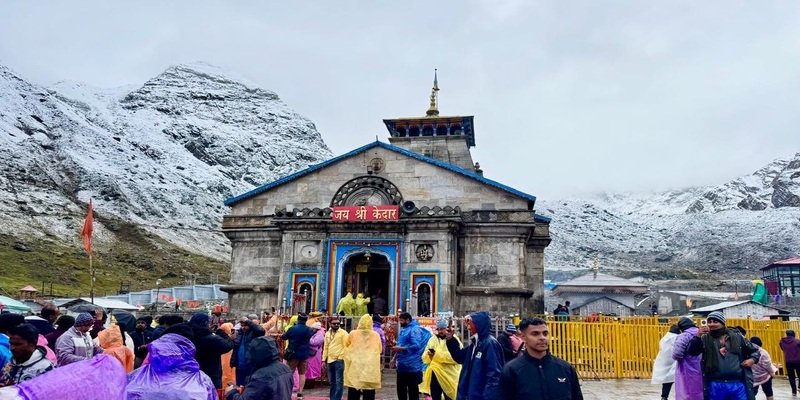
Kedarnath is one of the twelve Jyotirlingas and a major part of the Chota Char Dham Yatra of Uttarakhand. The shrine is believed to be more than a thousand years old and is deeply associated with the legend of the Pandavas, who sought Lord Shiva’s blessings here. Kedarnath is not just a temple; it is a sacred emotion wrapped in divine calmness and natural beauty.
The temple is located near the Mandakini River, surrounded by the Kedarnath Mountain, Kedar Dome, and other majestic Himalayan peaks. The journey to this holy destination is considered a spiritual cleansing experience. Many travellers today prefer organised packages from trusted operators like Travel Ride, ensuring safety and comfort throughout the journey.
2. Historical and Mythological Importance of Kedarnath
-
The Legend of the Pandavas
According to Hindu mythology, after the Kurukshetra war, the Pandavas sought liberation from their sins. Lord Shiva was displeased and went into hiding in the Himalayas. When the Pandavas found him, he took the form of a bull. Bhima tried to hold the bull, but Shiva disappeared, leaving behind his hump at Kedarnath. This hump became the idol worshipped here.
-
Establishment by Adi Shankaracharya
Adi Shankaracharya, the great philosopher and saint, is credited with establishing the Kedarnath temple structure as it stands today. It is also believed that he attained moksha near Kedarnath at the age of 32. His samadhi is located behind the temple, attracting thousands of devotees.
The massive stone structure, built without cement, stands resilient even in extreme weather conditions. The 2013 floods damaged everything around, but the temple remained safe, showing its architectural and spiritual strength.
3. Best Time to Visit Kedarnath Dham
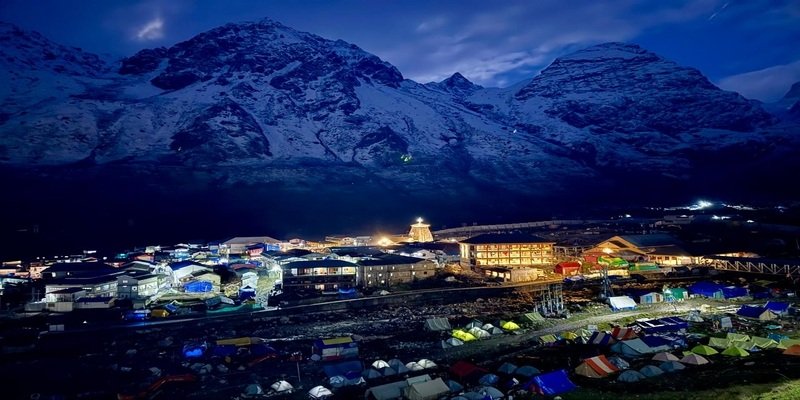
The best time to visit Kedarnath is from May to June and September to October, when the weather is clear, pleasant, and ideal for trekking. During these months, the skies remain bright, the pathways are safer, and pilgrims can comfortably complete their journey. The early summer period offers scenic views with melting snow, while post-monsoon months provide stable weather and fewer crowds. Avoid travelling in July and August due to heavy rain and landslide risks. Planning your visit during the recommended months ensures a smoother experience, easier darshan, and a memorable journey to the sacred Kedarnath Dham.
Kedarnath is open only for six months each year, from April/May to October/November. Here’s a month-wise breakdown:
-
April – May: This is the opening season. The weather is cold but pleasant. Snow can still be seen around the temple. It is one of the best times for photography.
-
June: A peak season with large footfall. Days are clearer, and trekking becomes easier.
-
July – August (Monsoon): This is not recommended due to the risk of landslides and heavy rainfall. Travel Ride and most operators avoid planning tours during monsoon months for safety reasons.
-
September – October: Perhaps the best time. The weather is stable, the skies are clear, and the crowd is comparatively less.
-
November (Closing Month): The temple closes for the winter. Pilgrims can feel the cold, but it’s a spiritually charged atmosphere.
For devotees looking at the overall pilgrimage schedule, the Badrinath temple guide section offers guidance on the ideal months to plan the visit.
4. Kedarnath Yatra Routes and How to Reach
Reaching Kedarnath involves a combination of road travel and a trekking route. The journey usually begins from Haridwar, Rishikesh, or Dehradun, where travellers can hire taxis or take buses toward Sonprayag. From Sonprayag, shared jeeps operate up to Gaurikund, which is the starting point of the 16 km trek to Kedarnath. Pilgrims can complete the trek on foot or choose ponies, palkis, or helicopter services available from Phata, Sersi, and Guptkashi. The nearest airport is Jolly Grant Airport in Dehradun, and the nearest railway stations are Haridwar and Rishikesh, making the route accessible for all travellers.
For a broader understanding of the entire pilgrimage route, you can also refer to our Char Dham Yatra guide, which explains the journey across all four temples.
Key route:
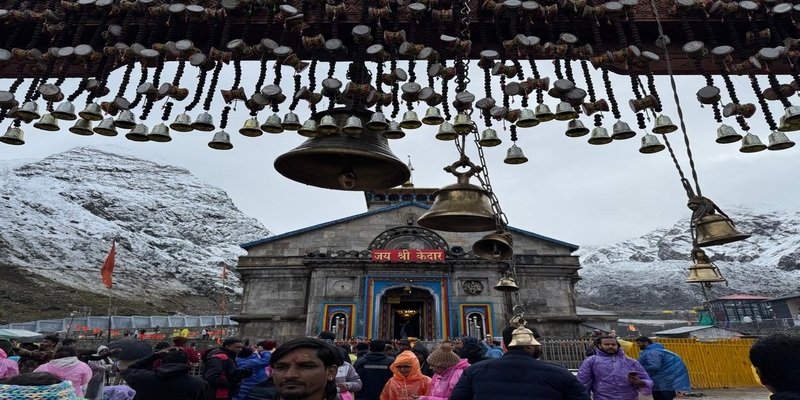
Haridwar → Rishikesh → Devprayag → Srinagar → Rudraprayag → Guptkashi → Sonprayag → Gaurikund → Kedarnath (trek)
-
By Air: Nearest airport: Jolly Grant Airport, Dehradun. From here, you can hire a taxi or pre-book a package through Travel Ride to reach Sonprayag or Guptkashi.
-
By Train: Nearest major railway stations: Haridwar, Rishikesh, Dehradun. Taxis and buses to the Kedarnath route are easily available from all three stations.
5. Trek to Kedarnath Dham
The trek to Kedarnath begins from Gaurikund and spans approximately 16 km through scenic Himalayan landscapes, lush valleys, and steep ascending paths. The route is well-maintained with resting points, food stalls, medical aid, and drinking water stations along the way. Pilgrims can walk at their own pace or opt for ponies and palkis for added comfort. The journey demands moderate fitness, as certain stretches are steep, especially near Linchauli and the final climb to the temple. Despite the challenge, the natural beauty and spiritual atmosphere make the Kedarnath trek a memorable and deeply rewarding experience for every devotee.
The trek from Gaurikund to Kedarnath is 16–18 km and is considered moderately difficult. The government has improved the pathway significantly after 2013.
Trekking Facilities
- Pony services
- Palki/doli services
- Porter assistance
- Drinking water and medical stations
- Food stalls at intervals
Fitness and Preparation
While the trek is manageable for most people, good stamina and basic fitness are essential. Older travelers and those with health concerns often choose helicopter services offered from places like Phata and Guptkashi. Many pilgrims book such services through Travel Ride in advance.
For a look at another sacred trek of the pilgrimage, the Yamunotri temple guide explains the path, rituals, and spiritual meaning of this revered shrine.
6. Helicopter Services to Kedarnath
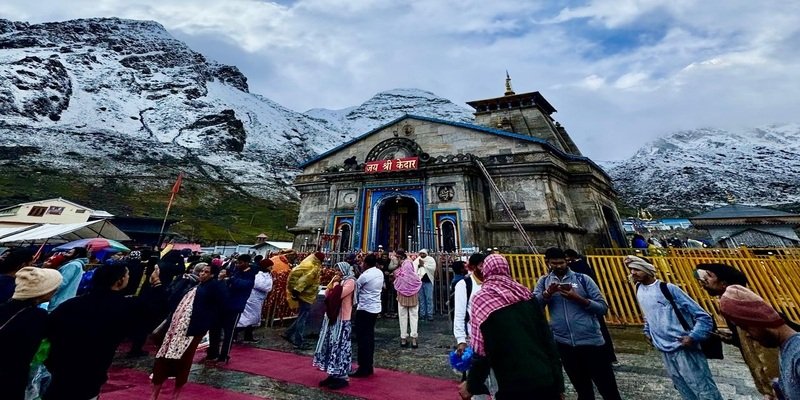
Kedarnath helicopter service is the fastest and most convenient way to reach the holy shrine, especially for seniors and travellers with limited time. Helicopter flights operate from Phata, Sersi, and Guptkashi, offering a short 10–15 minute journey to the Kedarnath helipad, located close to the temple. Advance booking is recommended due to high demand during peak season. The service ensures a smooth, safe, and time-saving experience, allowing pilgrims to avoid the long 16 km trek. Clear weather conditions are essential for daily operations, making it important to plan the trip carefully for a hassle-free Kedarnath helicopter experience.
Helicopter services make the journey extremely comfortable and time-saving. They operate from:
A round trip usually takes 10–15 minutes of flying time. Tickets get booked very quickly, so advance booking is recommended.
If you wish to see how the helicopter journey connects all four temples, the Chardham Helicopter guide explains the sequence and structure of the yatra.
7. Registration Process for Kedarnath Yatra
The registration process for Kedarnath is mandatory for every pilgrim to ensure safety, crowd management, and smooth tracking during the Yatra. Travellers can complete the registration online through the official Uttarakhand Tourism website by filling in personal details, selecting travel dates, and uploading a valid ID proof. After submitting the form, a Yatra Registration slip or QR code is generated, which must be carried throughout the journey.
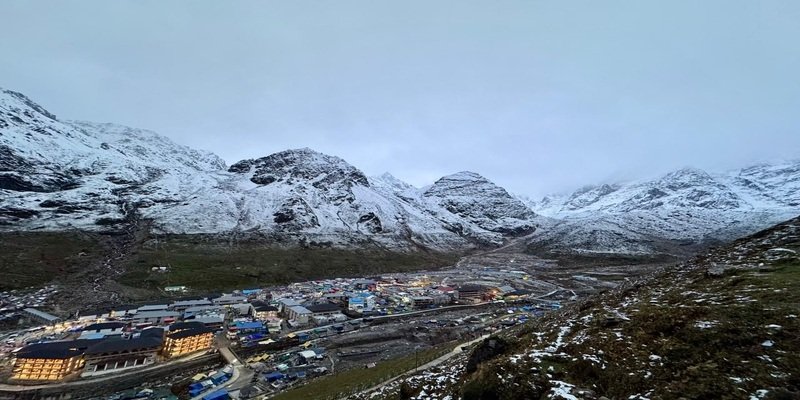
Offline registration counters are also available at Haridwar, Rishikesh, and other key checkpoints for those who prefer on-spot documentation. Each pilgrim is required to undergo biometric registration and verification before moving toward Sonprayag and Gaurikund. This systematic process helps authorities monitor weather conditions, manage crowd flow, and ensure the well-being of all devotees. Completing the Kedarnath registration in advance not only saves time but also guarantees a hassle-free start to the sacred Himalayan pilgrimage.
Registration is compulsory for all pilgrims. This helps monitor safety and control crowd management.
Steps to Register
1. Visit the official Uttarakhand tourism registration website.
2. Fill in your personal details.
3. Upload your ID proof.
4. Select your travel dates.
5. Download/print your Yatra Registration QR code.
Offline registration is also available at Haridwar and Rishikesh counters.
Travel Ride also assists travellers by providing step-by-step guidance for completing the registration.
8. Accommodation Options at Kedarnath
Accommodation options at Kedarnath are limited but well-organised to support the heavy influx of pilgrims during the Yatra season. Travellers can choose from GMVN guest houses, government-operated camps, basic lodges, and tented colony stays located close to the temple premises. These options offer essential facilities such as clean bedding, warm blankets, and simple meals.
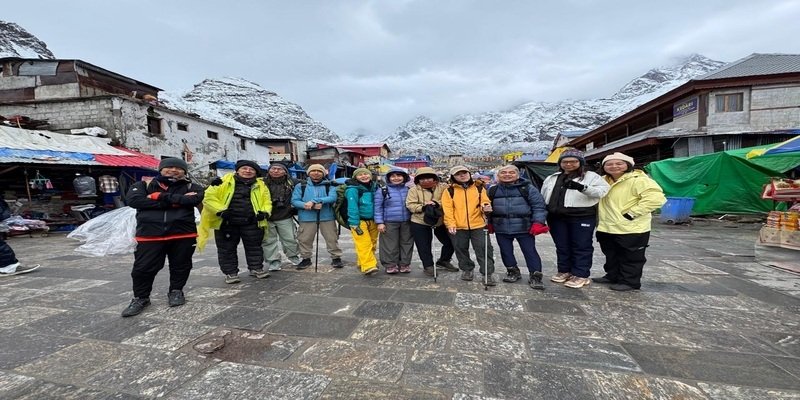
Since rooms fill up quickly during peak months, advance booking is highly recommended. Many pilgrims prefer staying at Guptkashi, Sonprayag, or Gaurikund and completing the trek early morning. Despite being basic, Kedarnath accommodations provide a comforting and peaceful stay amid the spiritual Himalayan atmosphere.
Accommodation ranges from simple guest houses to government-run camps:
Most travellers stay here before the trek. Options include budget hotels, small homestays, and GMVN tourist rest houses.
-
At Kedarnath (near the temple)
GMVN cottages
Tented accommodations
Basic lodges
Due to limited availability, booking early is essential. Travel Ride often coordinates accommodations for its clients to avoid last-minute disappointment.
After finalising your stay options near Kedarnath, the Gangotri Dham guide can help you get familiar with the conditions and flow of the pilgrimage ahead.
9. Food Options During the Yatra
Food is simple, sattvic, and vegetarian. You can find:
• Dal, roti, rice
• Khichdi
• Rajma chawal
• Maggi, tea, coffee
• Packaged snacks
Avoid overeating before or during the trek to prevent altitude discomfort.
10. Important Places to Visit Near Kedarnath
Several important places near Kedarnath add depth and beauty to the pilgrimage experience. Bhairavnath Temple, located just above the main shrine, is believed to guard Kedarnath during harsh winters. Gandhi Sarovar, a serene glacial lake, offers a peaceful short trek with stunning Himalayan views.
The sacred Adi Shankaracharya Samadhi behind the temple holds great spiritual significance. Travellers seeking adventure can visit Vasuki Tal, a high-altitude lake surrounded by majestic peaks, recommended for experienced trekkers. These nearby attractions not only enhance the spiritual journey but also showcase the natural splendour and cultural heritage of the Kedarnath region.
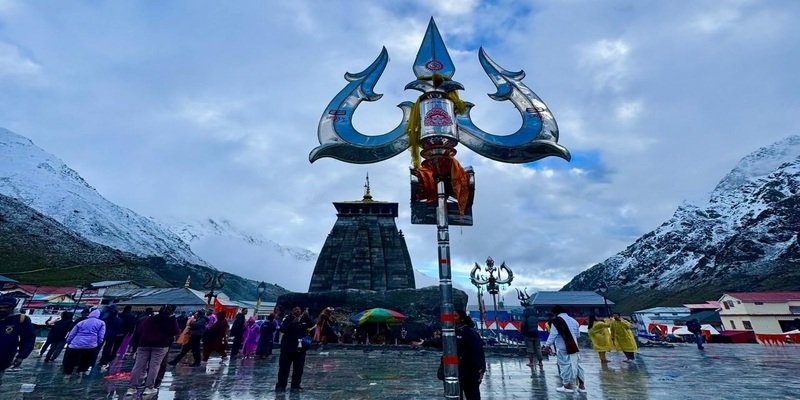
- Bhairavnath Temple: Located at a short distance from the main shrine, it is believed that Bhairav Baba protects Kedarnath during the harsh winter months.
- Adi Shankaracharya Samadhi: A spiritually charged location behind the temple.
- Gandhi Sarovar: A crystal-clear lake situated around 3 km from Kedarnath.
- Vasuki Tal: A high-altitude lake surrounded by majestic peaks. Recommended for experienced trekkers.
11. Weather Conditions to Expect
Weather conditions at Kedarnath remain cold throughout the Yatra season due to its high-altitude Himalayan location. The summer months from May to June offer relatively pleasant temperatures, ranging between 5°C and 15°C, making them ideal for trekking and darshan.
Monsoon arrives in July and lasts till August, bringing heavy rainfall and a high risk of landslides, so travel is generally discouraged. Post-monsoon weather from September to October becomes stable again, with clear skies but colder nights that may drop close to freezing. Sudden weather changes are common, making warm clothing, rain gear, and safety precautions essential for all pilgrims.
Kedarnath’s weather is cold throughout the year.
• April–May: 5°C to 15°C
• June: 10°C to 18°C
• Monsoon: Rainy and slippery
• September–October: 5°C to 12°C
• Nights: Can drop below freezing
Warm clothing, waterproof jackets, and good trekking shoes are essential.
12. Essential Tips for Kedarnath Yatra
Pack Wisely
• Thermal wear
• Gloves, woollen cap
• Waterproof jacket
• Trekking shoes
• Raincoat
• First aid kit
• Extra socks
• Power banks
Health Tips
• Stay hydrated
• Avoid alcohol and smoking
• Take small breaks while trekking
• Carry prescribed medicines
• Consult a doctor if you have heart or respiratory issues
Safety Precautions
• Follow government guidelines
• Check weather updates
• Keep your registration QR code handy
• Travel with trusted operators like Travel Ride for better safety and convenience
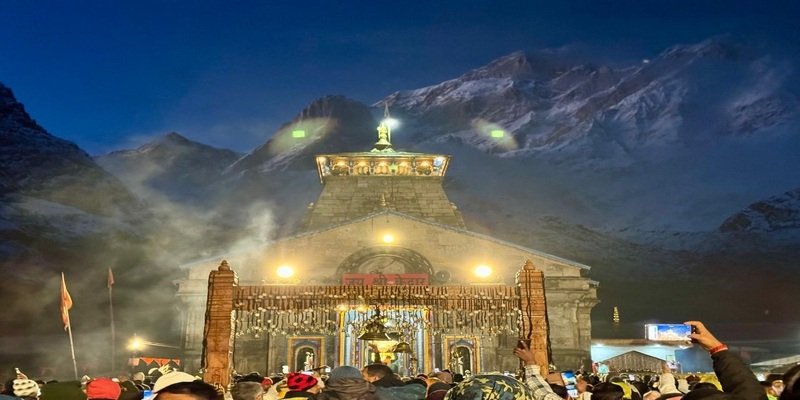
13. Why the Kedarnath Yatra is Spiritually Transformative
Many travellers feel a deep sense of peace after reaching the temple. The journey tests physical limits but rewards with emotional clarity and spiritual satisfaction. The immense Himalayan beauty makes the experience unforgettable.
Several pilgrims who travelled via Travel Ride packages share that the journey becomes easier and more fulfilling when logistics are managed professionally.
14. Kedarnath Yatra With Travel Ride
Travel Ride has become a trusted name for pilgrims planning Kedarnath, Badrinath, and Chardham tours. The company provides:
• Professional drivers
• Comfortable vehicles
• Assistance with helicopter bookings
• Accommodation coordination
• Expert tour planning
Pilgrims often appreciate the personalised attention and safety-focused approach offered by Travel Ride, making their spiritually significant journey smooth and memorable.
The Kedarnath Dham Yatra is not just a pilgrimage; it’s a rare opportunity to feel the divine energy of the Himalayas and connect deeply with Lord Shiva. Whether you trek, take a pony, or travel by helicopter, the experience stays with you forever. Planning the journey properly ensures comfort and safety.
With reliable services from operators like Travel Ride, pilgrims can complete their Kedarnath Yatra without stress and with full devotion. As thousands of devotees return each year, they carry with them stories of faith, nature’s power, and a divine sense of inner peace.
For those wishing to cover all four holy shrines in one spiritual circuit, our Char Dham pilgrimage packages offer well-organised routes and smooth travel arrangements.