
To More Inquiry





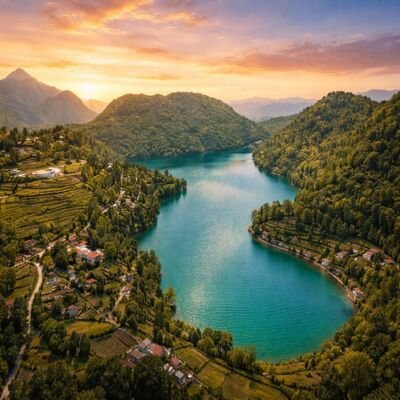
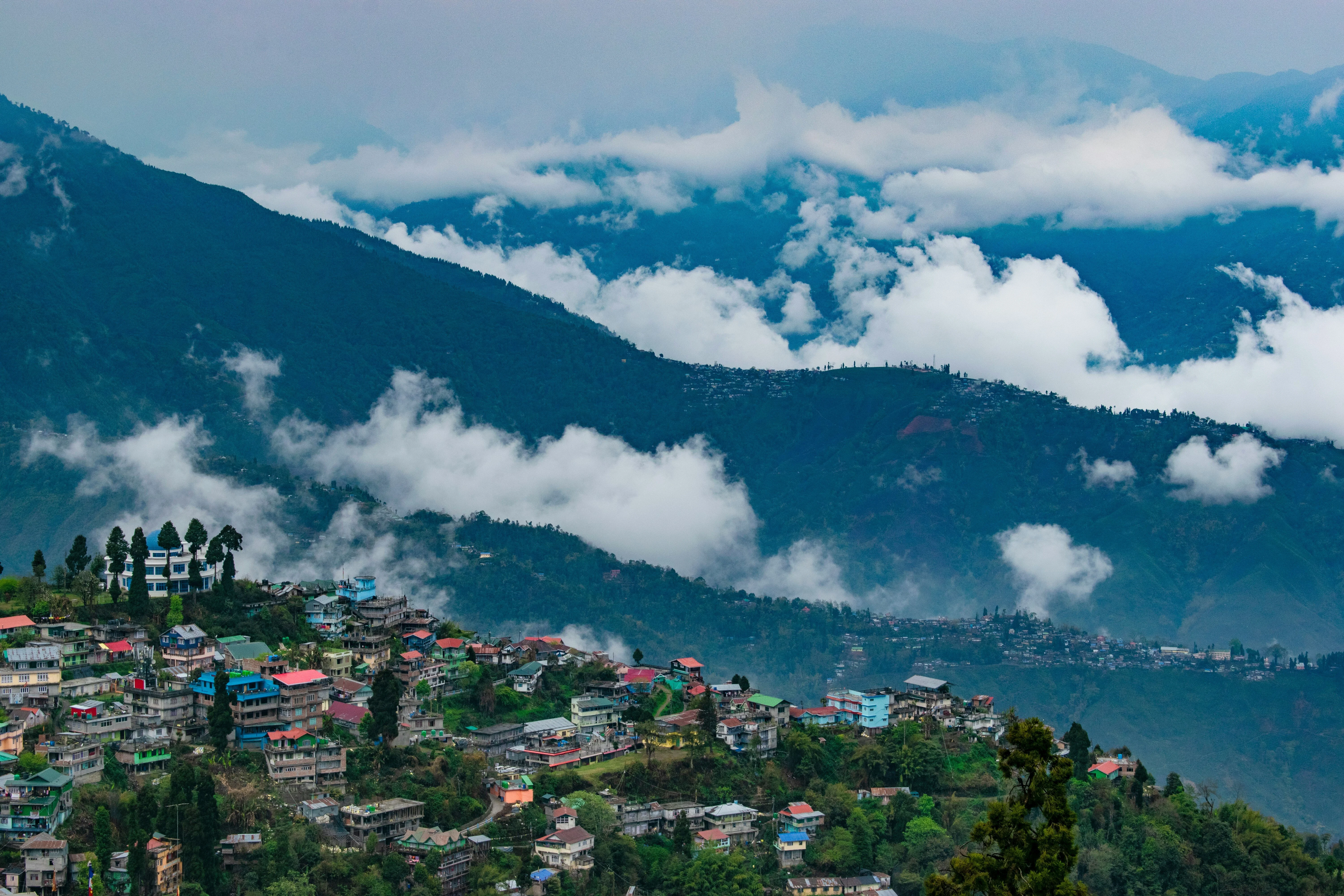
Nainital, one of Uttarakhand’s most loved hill stations, is a beautiful blend of calm lakes, misty mountains, and old-world charm. Nestled around the emerald-green Naini Lake, this scenic town offers a relaxing escape for families, couples, and nature lovers. Its pleasant weather, peaceful walking trails, and vibrant local markets make it a perfect year-round destination.
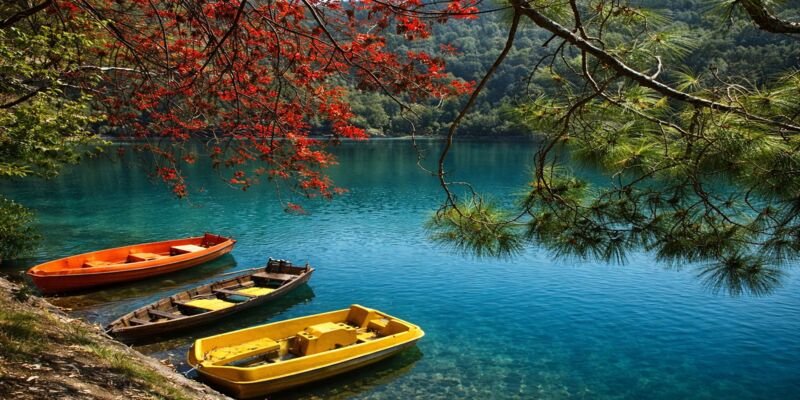
The heart of Nainital is the famous Mall Road, where visitors enjoy lakeside strolls, shopping, and local food. Boating on Naini Lake, watching the sunset from Tiffin Top, or admiring panoramic Himalayan views from Snow View Point are experiences that stay with you forever. The town is also home to attractions like Naina Devi Temple, Eco Cave Gardens, and Governor’s House, each adding a unique charm to the visit.
Whether you’re searching for quiet moments in nature or a refreshing weekend getaway, Nainital offers a beautiful break from city life with its soothing weather and timeless Himalayan beauty.
Nainital is one of the most popular and scenic hill stations of Uttarakhand, located in the Kumaon Himalayas at an altitude of around 6,800 feet above sea level. The town is built around a natural freshwater lake that forms its emotional, geographical, and cultural center. Because of its lake-based identity and surrounding forested hills, Nainital is often called the “Lake District of India.”
Nainital attracts a wide range of visitors due to its balanced travel environment. It appeals equally to families, couples, photographers, students, and leisure travelers.
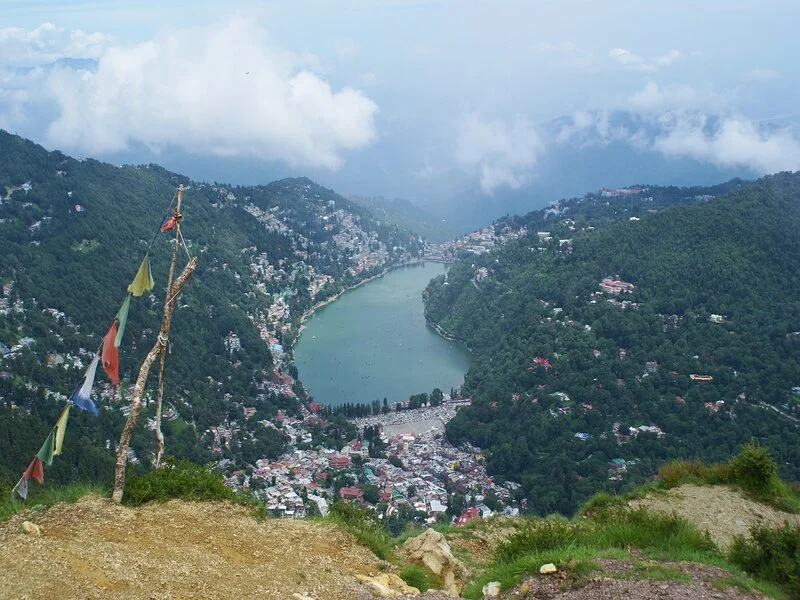
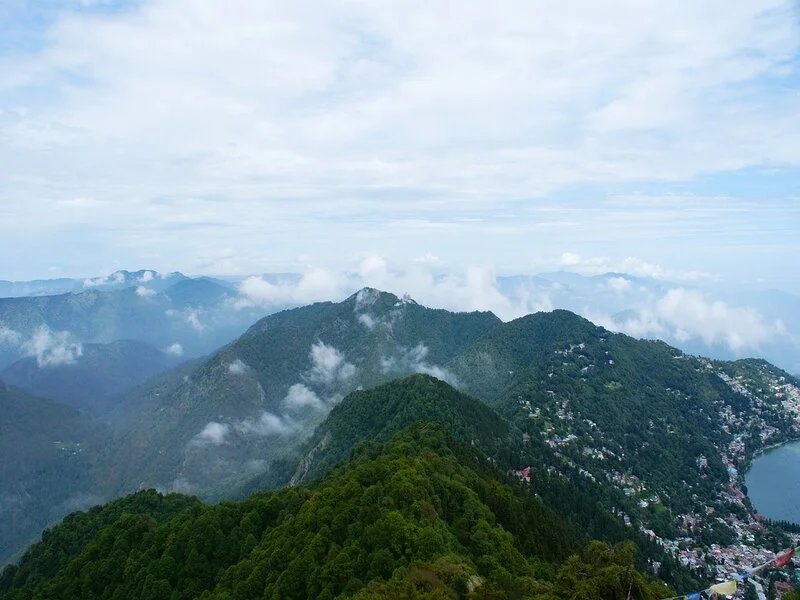
Unlike ridge-based hill stations, Nainital follows a bowl-shaped settlement structure, where the lake lies at the center and the town rises around it in layers. This design creates continuous visual connection between water, hills, and town life.
Nainital offers a rhythmic travel experience.
This natural daily rhythm makes Nainital suitable for both short trips and slow, extended stays.
Nainital is situated in a natural mountain basin, surrounded on all sides by forested hill ranges. At the heart of this basin lies Naini Lake, a crescent-shaped freshwater body that controls temperature, humidity, and visual character of the town.
The town develops in gradual layers rising away from the lake edge toward higher ridges. This formation creates:
The surrounding slopes are covered with:
These forests protect groundwater supply and prevent soil erosion around the lake. Nainital lies in an eco-sensitive zone, where uncontrolled construction, traffic pressure, and waste disposal directly affect the lake’s survival. Environmental balance depends on the harmony between forests, water channels, and urban growth.
Nainital gained prominence in the early nineteenth century after British officers identified it as a suitable summer retreat. Prior to this, the region was primarily forest land used by local hill communities for grazing and seasonal movement.
During British rule, Nainital developed as:
After independence, tourism expanded rapidly. Hotels, markets, and roads grew around the lake. Despite modernization, the town still reflects a strong blend of colonial architectural influence and Kumaoni cultural identity.
Nainital experiences a distinct mid-Himalayan climate that remains active, expressive, and constantly shifting throughout the year. The town sits at an altitude of around 6,800 feet and is entirely shaped around a large freshwater lake. This geographical structure gives Nainital a climate that feels dynamic rather than stable. The lake behaves like a natural temperature regulator. During the day, it absorbs heat and releases moisture into the atmosphere. At night, it releases stored heat slowly, which creates dense fog, mist movement, and colder wind patterns.
Unlike dry hill towns, Nainital’s air remains moist for most of the year. This moisture shapes the town’s signature weather personality — soft clouds floating across slopes, fog curtains lifting and falling across ridge roads, water reflections constantly changing color, and evenings that feel colder than expected even in summer. The visual softness created by moisture is one of the town’s strongest emotional attractions.
Weather transitions in Nainital occur gradually across months rather than in sudden jumps. Summer does not abruptly turn into monsoon. It slowly softens into cloud-heavy air, scattered rain, and extended overcast skies. Similarly, winter does not arrive suddenly but settles in layers — first as cool evenings, then as cold mornings, followed by frost and freezing winds.
However, within a single day, Nainital’s weather can transform multiple times. A traveler may witness bright early sunlight, followed by drifting cloud shadows, afternoon mist, sudden fine rain, and sharply cold nighttime winds — all within twelve hours. This constant transformation gives the town its living, breathing climatic personality.
Core climate identity of Nainital:
Though Nainital never experiences extreme heat like the plains, its temperature feels emotionally intense because of wind, moisture, and rapid day–night contrast.
Summer (March to June)
Summer in Nainital feels gentle and refreshing rather than hot. Daytime temperatures remain comfortable, allowing long hours of walking without heat fatigue. Even at peak noon, sunlight rarely feels harsh due to cloud fragments and forest shade. The breeze flowing across the lake maintains constant air circulation. As soon as the sun begins to descend, temperatures drop noticeably. Evenings demand light winter wear, particularly near the lake, where cold air settles faster. Nights remain calm yet cold enough to make indoor warmth necessary.
Monsoon (July to September)
Monsoon introduces a cooler but heavier atmosphere. Daytime temperatures drop slightly, but heightened humidity makes the air feel thick. Continuous cloud layers reduce direct sunlight exposure for days at a time. Walls begin to feel damp, walking becomes slower, and physical movement feels heavier due to moisture-laden air. Rainfall patterns vary between steady drizzle and sudden mountain showers. Nights during monsoon remain cold and mist-filled, especially near water channels and forest belts.
Winter (October to February)
Cold begins to anchor itself into the climate by October. November sharpens the chill, especially at night. December and January become the town’s deepest cold phase. Morning temperatures often hover near freezing. Frost forms on metal surfaces, rooftops, trees, and railings. Wind flowing across the lake increases cold intensity. Even during sunny winter afternoons, shade zones remain extremely cold. February is transitional — cold slowly loosens its grip, sunshine strengthens, and the town begins preparing for spring.
Nainital receives consistent monsoon rainfall, primarily between July and August, with scattered rain continuing into September. This rainfall is not merely a seasonal event — it is the primary ecological engine of the town. Rain replenishes the lake, recharges springs, strengthens forest density, and restores underground moisture channels that supply water throughout the year.
The visual transformation during monsoon is dramatic and emotional. Slopes that appear dry in early summer turn into rich green layers of vegetation. Forests darken with moisture. Water streams appear temporarily along slopes. The lake expands visibly, and reflections become softer and slower due to cloud-covered skies.
Monsoon also transforms sound. Rainfall softens all noise. Traffic sounds dull. Human movement slows. Even voices echo differently across the fog-filled slopes. Nainital during monsoon feels quieter, slower, and deeply introspective.
Environmental renewal during monsoon includes:
Travel difficulties caused by monsoon include:
Monsoon in Nainital is not meant for fast sightseeing. It is suited for slow travel, emotional solitude, writing, photography, and deep nature observation.
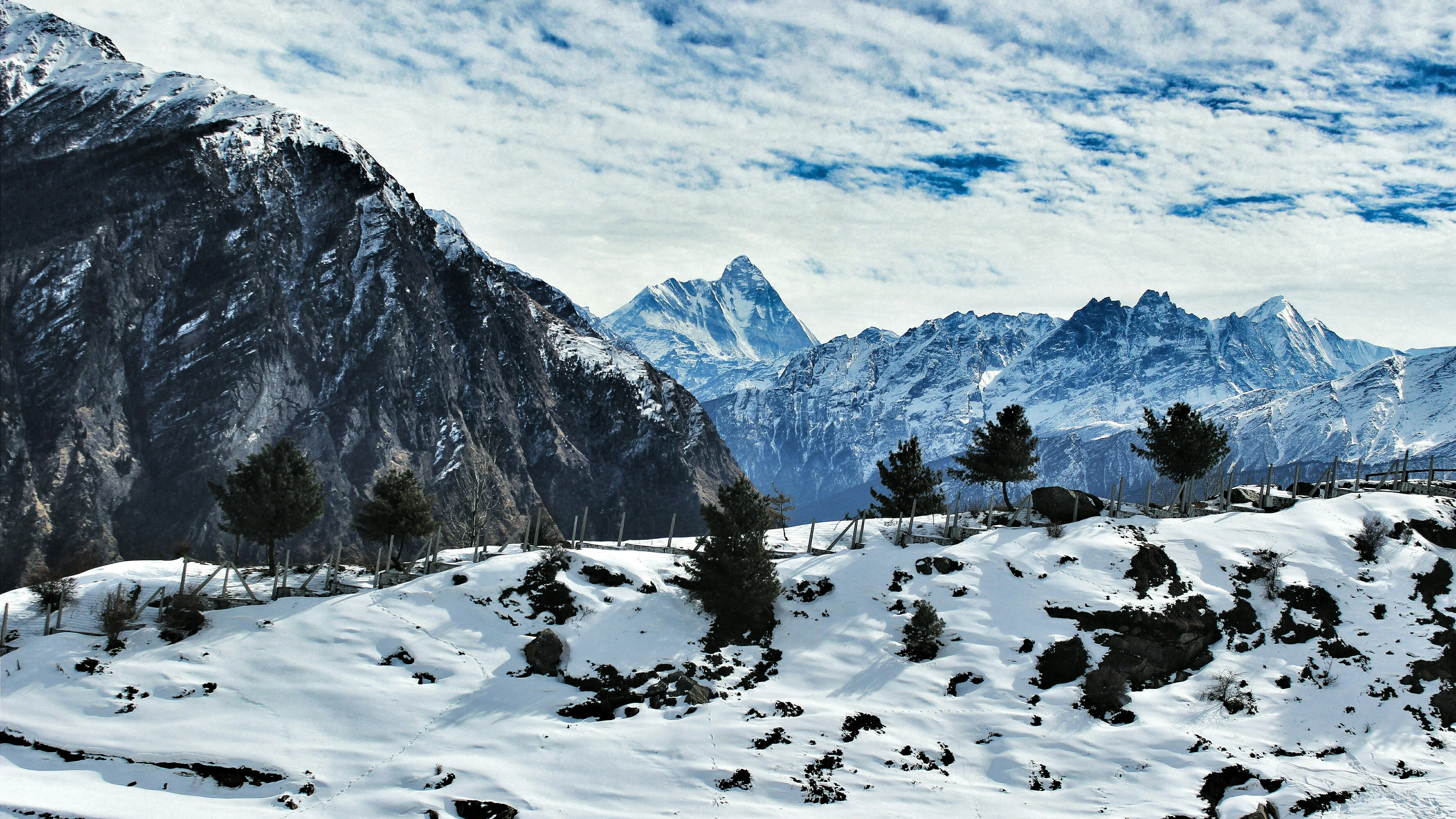
Snowfall in Nainital is unpredictable and entirely dependent on western disturbances. Some winters remain dry and frost-dominated, while others receive significant snowfall. When snow does fall, it usually arrives between late December and mid-January.
Even in snow-free winters, cold remains severe. Moisture in the air turns into frost rather than snow. Ice forms along shaded stone paths. Railings freeze over. Lake winds become piercing. Dense fog settles across slopes before sunrise and sometimes lingers well into the morning.
Winter conditions typically include:
When snowfall occurs, it causes:
Snow transforms Nainital into a white, silent landscape but also magnifies every travel risk.
Fog is not an occasional event in Nainital — it is a permanent climatic personality trait. The lake constantly releases moisture through evaporation. When night temperatures fall, this moisture condenses into mist and fog that spreads across slopes and through streets.
Fog behaves like a living element in Nainital:
Fog is most active during:
This fog reshapes light, visibility, sound, and even human movement. Street lamps glow through mist. Headlights form golden tunnels. The lake surface becomes a blurred mirror of cloud layers. This continuous fog movement creates Nainital’s dreamlike visual identity.
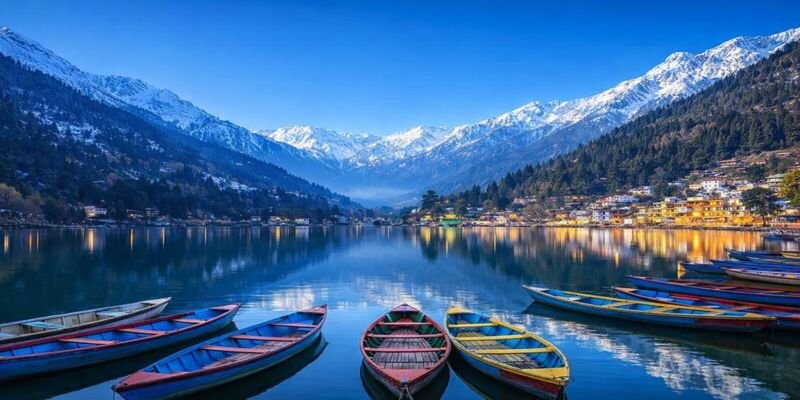
Nainital is not a destination with a single “best” season. Instead, each season creates a completely different emotional and visual atmosphere. The ideal time to visit depends on whether the traveler seeks activity, solitude, snowfall, photography, romance, greenery, or climate comfort.
Summer is Nainital’s most crowded and commercially active period. Travelers arrive in large numbers from nearby plains to escape unbearable heat. The lake becomes the center of public activity. Markets stay busy. Walking routes overflow with visitors. Evenings feel vibrant and dense with movement.
Summer offers:
However, this popularity also creates:
Summer suits families, first-time visitors, and short-stay travelers who prefer convenience over solitude.
Monsoon reshapes Nainital into a slow, silent, deeply emotional town. Clouds dominate the sky. Forest fragrance intensifies. Mist moves like smoke across slopes. Tourist movement reduces drastically. Silence becomes part of daily life.
Monsoon is ideal for:
However, travelers must be prepared for:
Monsoon offers emotional depth rather than sightseeing variety.
Winter changes Nainital’s entire identity.
Winter favors photographers, cold-weather lovers, and travelers seeking quiet town energy.
Reaching Nainital is a journey that gradually transitions from the flat plains of North India into the winding forest roads of the Kumaon Himalayas. Unlike some hill stations that lie on high ridges, Nainital is tucked inside a natural basin, which means the final approach involves a steady climb through dense forests, sharp curves, and deep valleys. This last stretch often becomes one of the most memorable parts of the trip due to changing scenery, falling temperatures, and fresh mountain air.
Nainital does not have its own airport or railway station. Travelers reach the town by first arriving at nearby transport hubs and then completing the final leg by road. The town remains well connected throughout the year, although monsoon and peak winter conditions can sometimes slow movement.
Road travel is the most common and flexible way to reach Nainital. The approach roads pass through foothill towns before climbing into pine and oak forests. As the altitude increases, the air cools and traffic slows, especially near sharp mountain bends.
Road journeys to Nainital usually involve long but scenic drives. The final hill stretch requires patient driving due to narrow roads, tourist traffic, and frequent fog during winter and monsoon months. Despite this, road connectivity remains the backbone of Nainital’s tourism.
Road travel offers:
However, hill driving also demands caution due to blind curves, sudden fog, and changing weather conditions.
The nearest major railway station to Nainital lies in the plains below the mountains. From this point, travelers must shift to road transport for the final climb into the hills. Train travel remains a preferred choice for families, senior citizens, and travelers covering long distances, as it avoids continuous hill driving from far-off cities.
Once travelers arrive at the nearest railhead, they usually take taxis or buses to complete the remaining journey. This final road section often takes several hours, depending on traffic and weather conditions. The transition from flat railway landscapes to winding forest roads is often felt strongly in terms of climate change.
The nearest airport to Nainital is located in the plains. From there, travelers must continue by road through mountain routes. Air travel suits long-distance travelers who wish to reduce overall travel time, but weather conditions can sometimes affect flight schedules, especially during monsoon and winter fog.
After landing at the airport, the journey to Nainital takes travelers through foothill zones, river valleys, and steep forest climbs. The temperature and air quality change significantly during this transition, often giving travelers their first physical sense of entering the mountains.
Because Nainital is built inside a narrow lake basin, road space remains extremely limited. During peak tourist months, traffic pressure increases sharply, especially around the lakefront and central market areas. To manage congestion and pedestrian safety, local authorities follow structured traffic regulations during busy periods.
During holidays and summer weekends, private vehicle movement may be restricted near the lake. Parking is usually directed toward designated zones outside the core lake area. Shuttle movement and walking then become the main modes of internal travel.
Traffic management becomes stricter during:
These regulations help prevent road blockages inside the town but require travelers to plan movement patiently.
Once inside Nainital, most daily movement happens through a mix of walking, taxis, shared vehicles, and lake-connected access routes. Because the town rises in layers around the lake, slopes dominate almost every route, making local transport an essential part of travel comfort.
Walking is the most natural way to explore the central areas of Nainital. The lakefront promenade, market slopes, and ridgeline roads are mostly pedestrian-friendly. Walking allows travelers to observe lake reflections, local life, café culture, and shifting cloud movement at a natural pace.
However, walking in Nainital involves:
For elderly travelers and those with joint issues, walking routes must be selected carefully.
Taxis form the most comfortable mode of transport for moving between different levels of Nainital or visiting outer viewpoints. They operate throughout the day and become essential for travelers with limited walking capacity.
Taxis are commonly used for:
During peak season, taxi demand rises sharply, and waiting times may increase.
Shared vehicles and small local buses operate on selected hill routes and nearby village connections. These are used mostly by residents, daily workers, and budget travelers. While economical, they often run on fixed time schedules and have limited flexibility for sightseeing movement.
Certain high viewpoints in Nainital are connected by ropeway systems that offer quick vertical access. These rides provide aerial views of the lake basin, forest layers, and town structure. Ropeway services depend heavily on weather conditions and may stop during fog, rain, or strong winds.
During summer vacations, snowfall days, and long holiday weekends, Nainital faces intense transport pressure. Entry roads may remain congested for hours, parking becomes difficult, and internal movement slows significantly.
Common peak-season challenges include:
Early morning travel and walking-based exploration help reduce these delays.
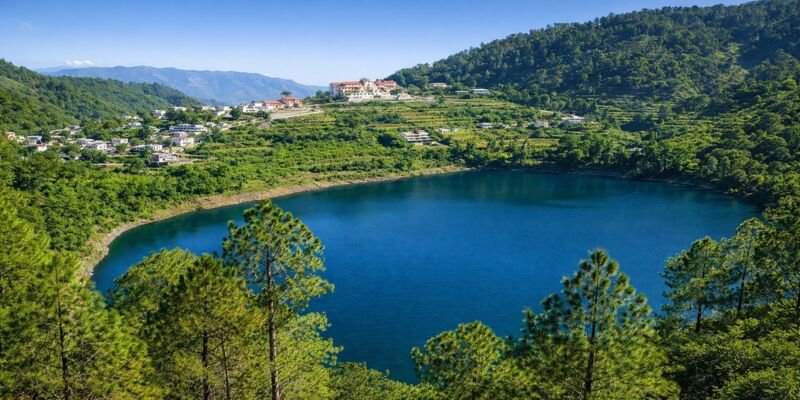
Nainital is packed with beautiful attractions that offer a perfect mix of nature, adventure, and peaceful sightseeing. The heart of the town is the iconic Naini Lake, where visitors enjoy boating while admiring the surrounding hills. Just beside it stands the Naina Devi Temple, an important spiritual site overlooking the lake. The lively Mall Road and Tibetan Market add fun to your trip with shopping, cafés, and local flavors.
For stunning views of the Himalayas, Snow View Point and Tiffin Top are the top choices, offering panoramic mountain scenery and refreshing walking trails. Families and kids love exploring the Eco Cave Gardens, known for its interconnected caves and adventure-friendly setup. Nature lovers can visit Nainital Zoo, home to rare high-altitude wildlife.
A short drive from town takes you to peaceful spots like Hanuman Garhi, Kilbury Bird Sanctuary, and Sariyatal Lake, making Nainital a complete and refreshing hill destination for all types of travelers.
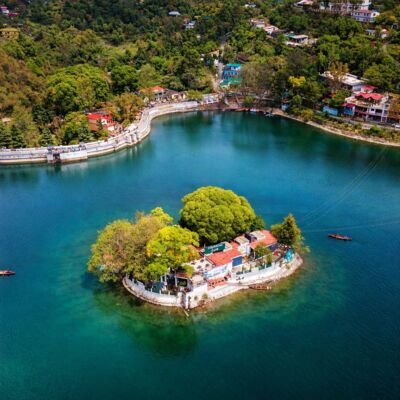
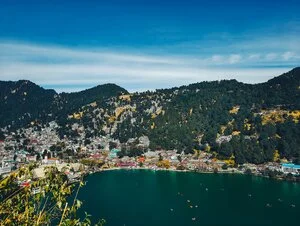
Naini Lake is the central attraction and defining feature of Nainital, around which the entire town is built. This crescent-shaped freshwater lake forms the heart of all tourism and daily life in the town. Roads, markets, hotels, cafés, and walking paths closely follow the curve of the lake, making it the most visited and emotionally significant place in Nainital.
From this lake, travelers experience different moods of the town throughout the day—silent misty mornings, active afternoons with reflections of hills and clouds, and lively evenings with lights shimmering across the water. The lake is also the focal point for leisure walks and relaxation.
Why Naini Lake is popular:
Snow View Point is one of the highest and most commanding viewpoints in Nainital, offering clear, uninterrupted views of the surrounding Kumaon Himalayan ranges and the entire lake basin below. Located above the central town area, it provides a natural escape from the busy lakefront and places travelers directly into open mountain air. The viewpoint is easily accessible by ropeway, making the journey itself part of the experience.
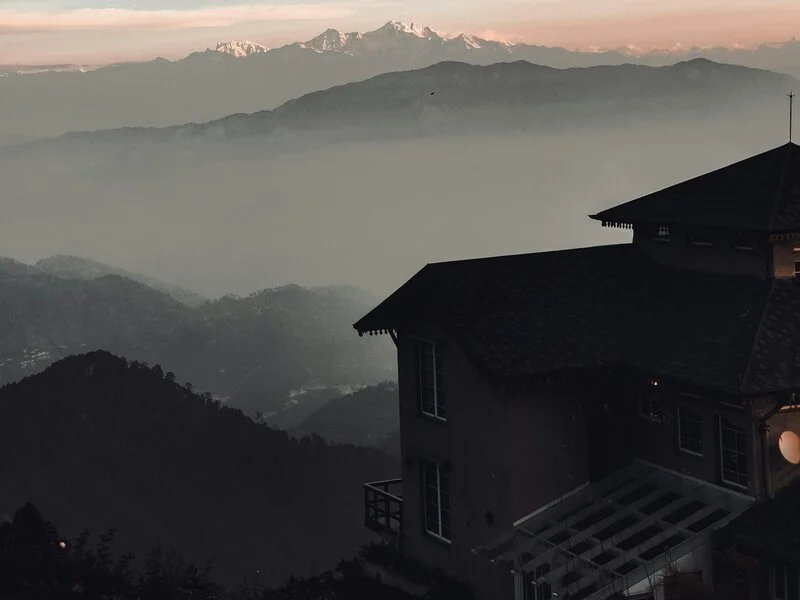
From this point, travelers can observe the layered structure of Nainital—from forested slopes and winding roads to the distant Himalayan skyline. On clear winter and post-monsoon days, snow-covered peaks become distinctly visible. The open viewpoint area is structured with safe platforms, resting spaces, and small stalls.
Why Snow View Point is popular:
Naina Devi Temple is the most important spiritual landmark in Nainital and is located on the northern edge of Naini Lake. The temple holds strong religious importance for both residents and visiting pilgrims. Its location beside the lake makes it an organic part of the daily walking and sightseeing circuit.
From this temple area, travelers also get partial views of the lake and surrounding town slopes. The atmosphere remains calm during mornings and evenings, while festivals bring vibrant religious activity to the lakefront.
Why Naina Devi Temple is popular:
Mall Road is the main social, commercial, and leisure street of Nainital, running parallel to Naini Lake. It is the most active part of the town, where travelers spend their evenings walking, shopping, sitting by the lake, and exploring cafés and small stores.
From Mall Road, travelers enjoy continuous lake views on one side and rows of shops, restaurants, and hotels on the other. It remains lively till late night during peak tourist seasons.
Why Mall Road is popular:
Tiffin Top is a peaceful mid-altitude viewpoint located above the town, offering soft panoramic views of Nainital and the surrounding forested hills. Unlike high wind-exposed viewpoints, Tiffin Top provides a calmer observation environment with natural rock seating and open forest surroundings.
From this spot, travelers get clear views of the lake basin, town rooftops, and distant ridgelines, especially during sunrise and sunset hours when light remains soft and golden.
Why Tiffin Top is popular:
Eco Cave Gardens is a nature-based attraction featuring interconnected rocky caves and elevated jungle walkways. It allows travelers to explore the geological character of the region while walking through forest pathways and narrow rock passages.
From the upper platforms, visitors can also observe forest canopies and partial town views, making it a combination of adventure and nature observation.
Why Eco Cave Gardens is popular:
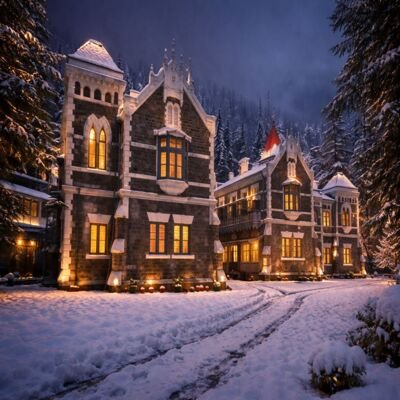
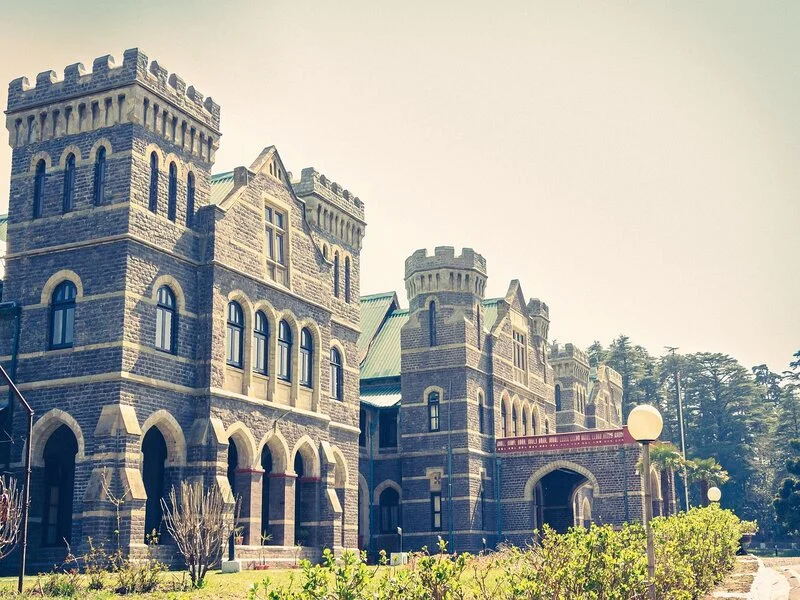
Raj Bhavan represents the colonial administrative heritage of Nainital. Surrounded by manicured lawns, forest belts, and organized pathways, this area reflects structured town planning introduced during British rule. The environment remains quiet and formal compared to the lively lakefront.
From this zone, travelers experience a different side of Nainital—orderly open spaces, heritage buildings, and vast green stretches.
Why Raj Bhavan is popular:
The High Altitude Zoo is located on an elevated forest slope and is dedicated to wildlife species adapted to cold Himalayan environments. The zoo is arranged along natural hill contours, allowing visitors to walk through forest paths while observing animals in climate-suitable enclosures.
From the zoo pathways, travelers also experience quiet forest atmosphere combined with educational wildlife observation.
Why the High Altitude Zoo is popular:
Hanuman Garhi is a hilltop temple located at a significant height above the main town and is widely known for its sunset views. The open horizon from this point allows travelers to observe wide valley stretches and distant fading light across mountain ranges.
The temple also offers a peaceful spiritual environment away from the crowded lakefront areas.
Why Hanuman Garhi is popular:
Pangot is a secluded mountain village located along a forest-covered ridge above Nainital and is widely known for its untouched natural environment and rich bird population. The road to Pangot gradually leaves behind the crowded tourist zones and enters a quiet world of oak, pine, and rhododendron forests. With very limited commercial development, Pangot feels isolated in the best possible way.
The village atmosphere remains calm throughout the day. Early mornings bring cool mist drifting through trees and the sound of birds echoing across valleys. Nights are exceptionally quiet, with minimal artificial light, making the sky appear dense with stars. Pangot is not meant for fast sightseeing; it is meant for slow observation and mental rest.
Why Pangot is popular:
Kilbury Bird Sanctuary lies within a protected forest zone and is accessed through winding mountain roads that pass through dense vegetation and quiet slopes. Unlike structured wildlife parks, Kilbury feels completely organic. There are no loud crowds, no commercial zones, and no artificial landscaping. Everything here moves at the speed of nature.
Walking through the sanctuary means hearing layered bird calls, watching light filter gently through forest canopies, and feeling cool air move silently between trees. The atmosphere remains meditative rather than touristic. Travelers often spend long quiet hours here without any urge to rush.
Why Kilbury is popular:
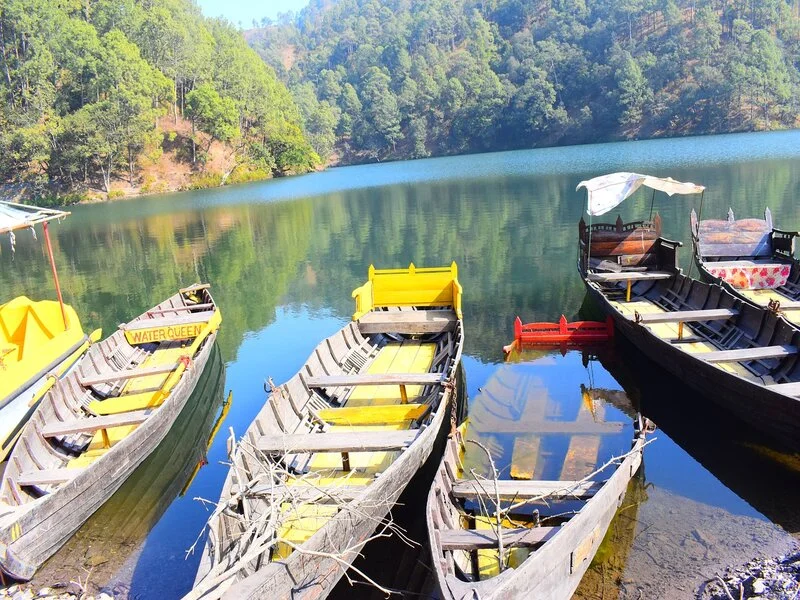
Sattal is a peaceful cluster of seven interconnected freshwater lakes hidden within thick forest belts near Nainital. Unlike Naini Lake, which remains highly social and active, Sattal is quiet, remote, and emotionally still. There are no large markets, no dense traffic, and no loud tourist movement here.
The lakes remain calm through most of the day, reflecting tall trees, passing clouds, and shifting light. The surrounding forest trails allow slow, uninterrupted walking. The silence here feels deeper and more permanent, not seasonal or time-bound.
Why Sattal is popular:
Bhimtal is a larger and more open lake town located away from the tight basin of Nainital. The lake here feels wider, the sky feels more open, and the town spreads out smoothly instead of climbing steeply. This give Bhimtal a calmer and more spacious character.
The pace of life in Bhimtal is slower. Walking paths feel wider, roads feel less congested, and lake views remain clear without constant crowd pressure. Many travelers prefer Bhimtal for longer, relaxed stays.
Why Bhimtal is popular:
Naukuchiatal is named after its unique nine-cornered lake and is surrounded by thick hills, open sky, and wide water reflections. Unlike tightly enclosed lakes, this lake feels expansive and sky-dominant. The absence of heavy construction along its edges keeps visual lines open and uncluttered.
The town around the lake remains quiet and lightly populated. Sounds travel far across the water, and evenings feel stretched and silent. It is an ideal location for travelers who prefer long, still hours over busy sightseeing schedules.
Why Naukuchiatal is popular:
Ghorakhal is a hill-ridge location known for its wide views across valleys and highways that cut through forest zones far below. The area remains open and wind-exposed, creating a feeling of altitude and distance. Movement here feels slower and quieter than in lake towns.
The environment remains simple and uncluttered. Most visitors pause here briefly to absorb the view, feel the wind, and experience the elevation-based silence before moving onward.
Why Ghorakhal is popular:
Jeolikot lies on the lower slopes where plains gradually transform into mountain terrain. The village feels like the natural gateway into the Kumaon hills. Orchards, forest patches, farming land, and open skies dominate the landscape here.
Unlike hill towns crowded with tourism activity, Jeolikot remains rooted in rural calm. Walking here feels unrestricted. Sounds of birds, wind, and distant farming activity replace traffic noise.
Why Jeolikot is popular:
Beyond the marked tourist roads, Nainital holds numerous quiet forest routes and ridge trails used mainly by local residents. These paths pass through dense woods, silent slopes, open ridge sections, and unmarked viewpoints that never appear on tourist maps.
Walking or driving along these routes feels like stepping into the private side of the hills. There are no stalls, no crowds, no signboards—only raw mountain terrain and silence.
Why hidden forest routes are popular:
Nainital offers a perfect mix of relaxation, adventure, and scenic experiences that make your trip truly memorable. The most popular activity is boating on Naini Lake, where the calm water and surrounding hills create a peaceful atmosphere. A walk along Mall Road lets you enjoy shopping, local cafés, and lakefront views. Adventure lovers can take the cable car to Snow View Point or trek to Tiffin Top for stunning Himalayan panoramas.
Families enjoy exploring the Eco Cave Gardens, known for its fun cave walks and natural setup. Wildlife enthusiasts can visit the High Altitude Zoo, home to snow leopards, Himalayan bears, and other rare species. For peaceful moments, watching the sunrise or sunset from Hanuman Garhi is a must.
If you love nature, head towards Kilbury Bird Sanctuary, do short nature trails, or enjoy photography by the lakes. Nainital ensures every traveler finds something exciting to do in this beautiful hill town.
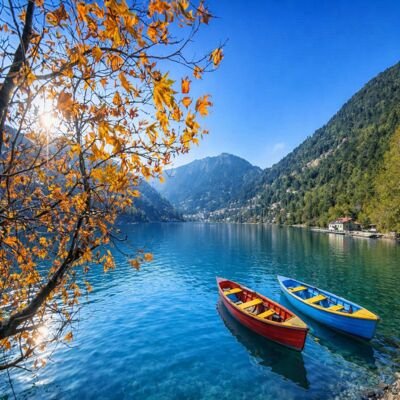
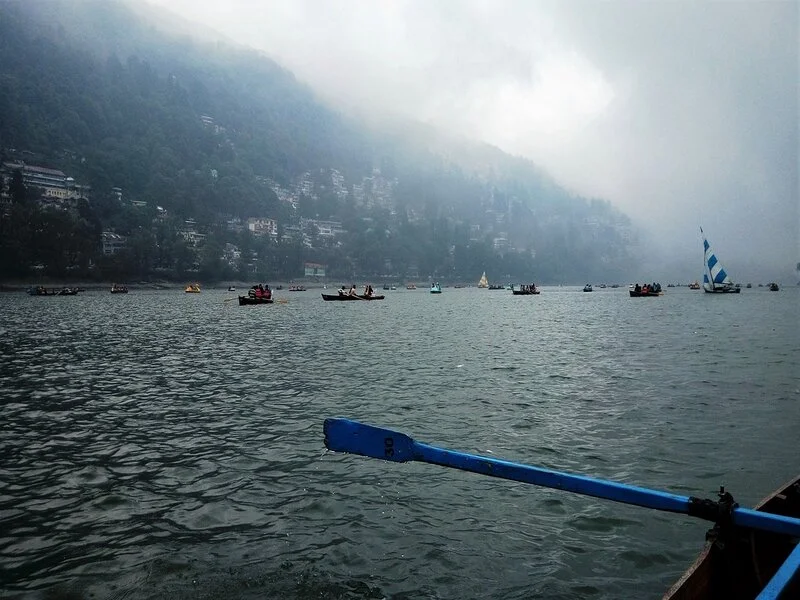
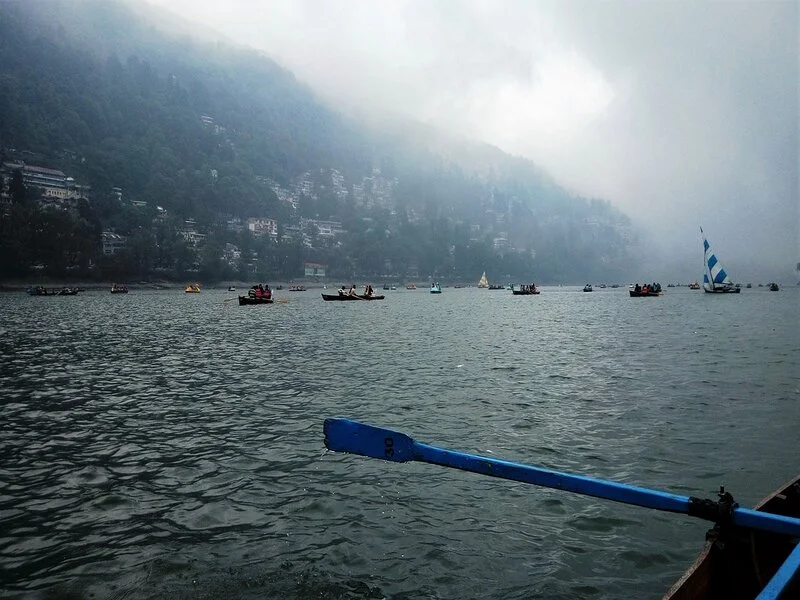
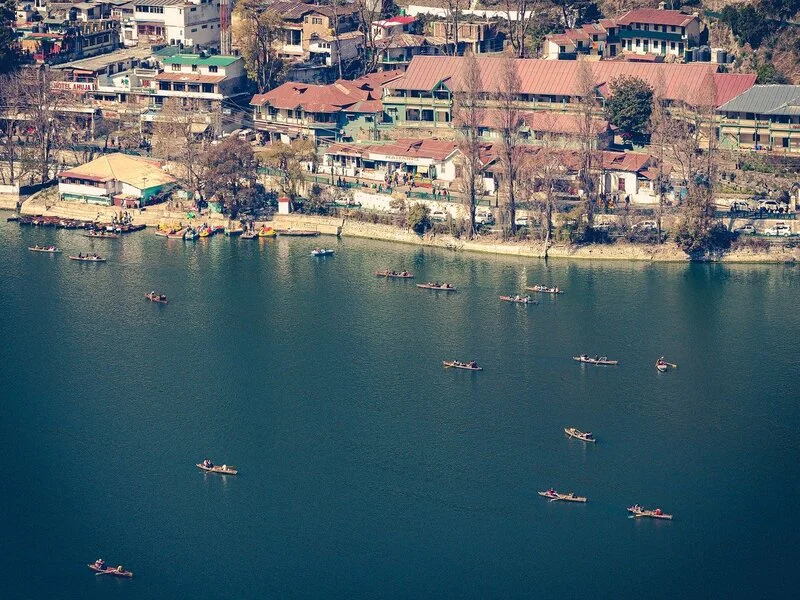
Boating in Naini Lake is the most iconic activity in Nainital and forms the emotional center of the travel experience. The activity is not simply recreational; it allows travelers to enter the visual heart of the town from within the water itself. While rowing across the lake, the hills rise smoothly on all sides, buildings reflect gently on the surface, and shifting clouds move overhead in slow patterns.
Boating feels different at different times of the day. Mornings feel quiet and intimate, afternoons feel vibrant and colorful, and evenings feel romantic and reflective as lights begin to appear on the slopes.
Why is boating popular?
Walking along the edge of Naini Lake is one of the simplest yet most satisfying things to do in Nainital. The lakeside promenade naturally encourages slow movement, casual conversation, and silent observation. The sound of water, distant temple bells, café chatter, and shifting fog all blend into one continuous sensory experience.
Unlike destination walks that demand effort, lakeside walking feels effortless. Travelers often find themselves returning to the same stretch multiple times without planning.
Why lakeside walks are popular:
The ropeway experience in Nainital offers travelers a vertical transition from busy town life to open mountain space within minutes. As the cable car ascends, the lake slowly shrinks below, forests expand across slopes, and wind intensity increases naturally with height.
The movement feels dramatic yet smooth, giving travelers a clear sense of altitude without physical exertion. The ride acts both as transport and as a scenic activity in itself.
Why the ropeway is popular:
Nainital is naturally suited for photography due to its changing light, layered slopes, reflective water, and frequent fog movement. The town rarely appears the same across different hours of the day. Shadows, reflections, and cloud patterns constantly reshape the visual environment.
Photography here is not limited to viewpoints alone. Ordinary streets, forest paths, rain-soaked rooftops, and mist-covered balconies often create the strongest images.
Why photography is popular:
Beyond the lake and town streets, Nainital offers forest environments that feel silent and untouched. Walking through these trails introduces travelers to the slower rhythm of the mountains. Wind through trees, distant bird calls, and filtered sunlight replace human noise.
The physical effort remains minimal on most trails, making them suitable even for non-trekkers who simply want quiet natural movement.
Why forest walks are popular:
Café culture forms an important part of daily life in Nainital. Sitting for long hours with warm beverages while watching fog roll across hills or rain fall into the lake becomes a central leisure ritual for many travelers.
Unlike fast-paced city cafés, seating here encourages slowness. People read, write, talk quietly, or simply sit without activity.
Why café sitting is popular:
The forest belts surrounding Nainital support a wide range of Himalayan bird species. Early mornings and late afternoons often bring visible bird movement across tree canopies and slopes.
Birdwatching here does not require structured tours. Even casual sitting on forest edges or quiet village paths often leads to sightings.
Why birdwatching is popular:
Watching sunrise and sunset from elevated ridges offers a shift in emotional pace. Mornings bring quiet hope and soft light, while sunsets mark slowing of the town into night silence.
Cloud layers, changing sky colors, and fading ridge outlines create daily visual events that do not repeat.
Why is sunrise and sunset viewing popular:
Temple visits in Nainital feel woven into daily walking life rather than isolated pilgrimage events. Travelers often step into temples naturally during walks without planning. The quiet echo of bells, incense scent, and cool stone interiors offer short mental stillness.
Spiritual spaces here act more as emotional resting points than as large religious gatherings.
Why temple visits are popular:
One of the most underrated things to do in Nainital is doing nothing at all. Sitting by the lake, on a silent forest bench, on a balcony during rain, or near a fog-covered slope often becomes the most memorable experience.
The town naturally encourages stillness without boredom.
Why quiet sitting is popular:
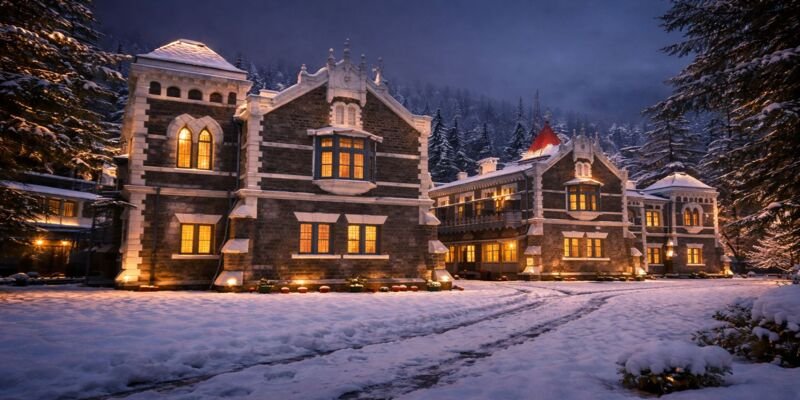
The food experience in Nainital is a delightful blend of local Uttarakhand flavours, comforting hill-station snacks, and vibrant café culture. Around Mall Road and Naini Lake, visitors find cosy eateries serving fresh momos, steaming soups, and classic North Indian meals that perfectly suit the cool mountain weather. Traditional Kumaoni dishes like Aloo Ke Gutke, Bhatt Ki Churkani, Jhangora Ki Kheer, and Kafuli give travellers a taste of authentic regional cuisine.
Nainital is also known for its charming lakeside cafés that offer pancakes, pastries, wood-fired pizzas, and hot chocolate—ideal for slow mornings or relaxing evenings. The Tibetan Market area is popular for street food, especially thukpa, momos, and fried noodles. Sweet lovers must try Bal Mithai and Singauri, the iconic local desserts.
Whether you want homely flavours, trendy café dishes, or warm street food, Nainital’s food scene offers a satisfying and memorable culinary journey for every traveler.
The local cuisine of Nainital is deeply influenced by the traditions of the Kumaon region. It is simple, seasonal, and shaped by mountain farming and forest produce. Unlike heavy city meals, Kumaoni food focuses on grains, pulses, green vegetables, and slow-cooked preparations that suit the cool climate.
The flavors remain earthy and balanced rather than spicy. Many dishes are prepared using locally grown lentils, hill greens, and traditional cooking methods that preserve nutrition and warmth.
Why Kumaoni cuisine is popular:
Street food in Nainital forms an essential part of evening life, especially along the lakefront and market areas. As the sun sets and the air becomes cooler, snacks begin to dominate the streets with aroma and movement.
Travelers often combine walking with casual eating, stopping at small stalls for warm, quick bites. The food here is less about variety and more about comfort.
Why local snacks are popular:
Bakery culture holds strong roots in Nainital, influenced by its colonial past. Fresh breads, buns, pastries, and simple baked sweets are deeply woven into daily food habits. Many travelers begin their mornings with bakery breakfasts and end their evenings with light desserts.
The aroma of fresh baking often fills small lanes near market areas early in the day.
Why are bakery items popular?
Café culture in Nainital is built around slowness rather than speed. Cafés are places to sit, observe, write, read, talk softly, and watch the weather shift across hills and the lake. Meals here are rarely rushed.
Many cafés face the lake or sit along sloping streets that offer partial hill views. Fog, rain, and cold weather naturally extend sitting hours.
Why café culture is popular:
Morning food in Nainital reflects a blend of local habits and hill-station routines. Breakfasts are warm, simple, and filling to prepare the body for cold air and walking.
Travelers often combine early walks with warm breakfasts at small eateries, bakeries, or cafés.
Why hill breakfasts are popular:
Evenings bring a special food rhythm to Nainital. As daylight fades and the lake reflects street lights, food stalls, cafés, and small eateries become gathering points. Eating here feels social but not noisy.
Travelers often walk, stop, eat, sit, observe, and repeat — creating a slow food circuit rather than a fixed dining schedule.
Why evening food walks are popular:
Food choices in Nainital change naturally with the seasons. Winters increase the demand for warm, heavy meals and baked items. Monsoon encourages hot snacks and drinking beverages. Summer brings lighter plates and refreshing drinks.
Food culture here responds more to climate than to fixed menus.
Why seasonal food variation is popular:
Beyond eating at cafés and stalls, many travelers enjoy walking through local markets to observe raw food supplies, bakery displays, fruit vendors, and snack sellers. Markets reveal how local residents interact with food daily.
This creates a deeper cultural connection beyond restaurant dining.
Why market food exploration is popular:
Cold air naturally encourages the consumption of warm beverages throughout the day. Travelers often pause repeatedly for hot drinks during walks and rest hours.
Warm beverages are not only drinks here — they become part of the travel rhythm.
Why are warm beverages popular?
Shopping in Nainital is a fun and colorful experience, especially around Mall Road, Bhotia Market, and the Tibetan Market. These lively marketplaces offer a wide range of local products, handicrafts, and cozy winter wear that attract every traveler. One of the most popular things to buy is handcrafted candles, available in beautiful shapes and fragrances. They make perfect souvenirs and gifts.
You’ll also find woollen clothing, including shawls, sweaters, mufflers, and caps made by local artisans. Traditional Kumaoni handicrafts, wooden items, copperware, and handmade jewelry are also worth exploring. Food lovers can shop for organic teas, jams, pickles, and spices produced in nearby hill villages. The Tibetan Market is known for stylish bags, footwear, and affordable street-fashion items.
Whether you’re looking for local crafts, winter wear, or small keepsakes, Nainital’s markets offer a warm and enjoyable shopping experience packed with hill-station charm.
Mall Road is the primary shopping street of Nainital and the most active retail zone in the town. Running parallel to the lake, it allows travelers to combine leisure walking with casual shopping. The shopping experience here feels relaxed rather than rushed, with most visitors browsing slowly while enjoying the lake-facing atmosphere.
The shops along Mall Road offer a mix of clothing, souvenirs, winter wear, handcrafted items, and daily-use products. Evening hours are the busiest, especially when lights reflect on the lake and footfall increases naturally.
Why is Mall Road shopping popular?
The Tibetan Market area is known for its compact lanes filled with closely packed stalls selling winter clothing, accessories, decoration items, and gift products. Unlike formal shops, this market feels energetic, dense, and fast-moving.
Travelers enjoy the bargaining culture here and the wide display of affordable items. The market becomes especially active during late afternoons and evenings.
Why the Tibetan Market is popular:
Nainital’s cold climate makes woollen clothing one of the most practical and popular shopping categories. Shawls, sweaters, caps, gloves, and socks remain in high demand throughout the year, even during summer evenings.
Most travelers buy winter wear either as immediate utility items or as souvenirs for colder regions. The variety ranges from locally produced woollens to mass-produced winter clothing.
Why woollen shopping popular:
Handcrafted decorative items form a significant part of souvenir shopping in Nainital. These include wooden crafts, fabric-based products, metal décor, and small traditional artifacts influenced by hill culture.
Most of these items are light, portable, and visually connected with mountain themes, making them ideal keepsakes for travelers.
Why are handicrafts popular?
Handmade candles are among the most distinctive local products associated with Nainital. These candles come in decorative shapes, artistic designs, and festive themes. They are sold mainly in the central shopping zones and attract travelers looking for unique souvenirs.
The candle items reflect detailed craftsmanship and are especially popular during winter travel seasons.
Why candles are popular:
Many travelers enjoy buying packaged food items such as baked goods, sweets, snacks, and local specialties to carry back home. Small bakeries and food shops display a variety of takeaway-friendly items.
These food products offer travelers a way to extend their travel memory beyond the trip itself.
Why is packaged food shopping popular?
Evening market walking itself becomes a leisure activity in Nainital. Travelers stroll casually through shopping streets, observing displays, stopping occasionally for snacks, and enjoying the lively yet relaxed market atmosphere.
Window shopping often becomes more enjoyable than actual buying due to the visual variety and lake-adjacent environment.
Why evening market walks are popular:
In Nainital, shopping is not limited to purchase-driven behavior. It becomes a part of the travel leisure routine, where people browse without urgency, observe local life, and interact casually with shopkeepers.
This slow shopping culture aligns naturally with the town’s overall relaxed pace.
Why shopping feels leisurely in Nainital:
The cultural identity and traditional roots of Nainital are shaped by the rich Kumaoni heritage that reflects simplicity, devotion, and a deep connection with nature. Local communities follow age-old customs that maintain harmony with the mountains, forests, and changing seasons. Festivals like Harela, Nanda Devi Mahotsav, Khatarua, and Ghee Sankranti showcase the region’s strong cultural spirit through folk music, traditional dances, and colourful rituals.
Kumaoni traditions are visible in everyday life—through warm hospitality, beautifully crafted wooden items, traditional jewellery, and the use of natural materials in local art. Rural villages around Nainital still preserve old architectural styles, community gatherings, and long-practiced farming methods passed down through generations.
Together, these cultural elements give Nainital a distinct identity, adding richness and authenticity to its natural beauty and allowing visitors to experience the true heritage of the Himalayan region.
Nainital’s cultural identity is shaped by a blend of Kumaoni traditions, hill lifestyle, and colonial-era influences. Unlike large cities where culture is segmented into specific zones, here it is woven naturally into daily life. The pace of life remains slow, respectful, and community-oriented.
Daily routines revolve around early mornings, afternoon work hours, calm evenings, and quiet nights. Hospitality is warm but not loud, and conversations tend to remain soft and unhurried.
Why Nainital’s culture feels distinctive:
The daily life of Nainital residents moves in harmony with the town’s geography and climate. Mornings begin early with walks, temple visits, shop openings, and school routes. Afternoons remain quieter as mist and cold often slow outdoor movement. Evenings revive the town with market activity, café sitting, and lakeside walks.
Most residents balance tourism-related work with family life and seasonal routines. During peak tourism months, life becomes fast-paced. During off-seasons, the town returns to deep silence.
Why observing local life is meaningful:
The primary local language in Nainital’s surrounding villages is Kumaoni, while Hindi is widely spoken and understood throughout the town. English is commonly used in tourism-related areas such as hotels, cafés, and shops.
Communication here is polite, reserved, and respectful. Locals usually speak softly and avoid aggressive conversation styles.
Why does language culture feel welcoming:
Festivals in Nainital are celebrated with simplicity rather than scale. Religious events, seasonal festivals, and community gatherings create gentle social energy rather than loud public spectacle.
During festivals, the lakefront, temples, and marketplaces become more colorful and active, yet the overall environment remains orderly and respectful.
Why festivals feel special in Nainital:
The dressing style of Nainital residents reflects hill practicality and climate needs. During winters, woollens dominate daily wear. During summers, light layered clothing is common due to temperature variation between morning and evening.
Even in tourist zones, flashy dressing is rare. Clothing remains functional, modest, and weather-suited.
Why local dressing culture feels unique:
Nainital displays a quiet and natural religious harmony. Temples, churches, and other places of worship exist close to one another, and religious identity never dominates public life aggressively.
Faith here is practiced quietly through daily rituals rather than loud announcements.
Why social harmony feels strong:
Planning a trip to Nainital becomes easier when you follow a few simple travel tips. The hill station has pleasant weather most of the year, but it’s best to carry light woollens in summer and warm jackets in winter. If you’re arriving during peak season, book your hotels and parking space in advance, as the town gets crowded. Walking is one of the best ways to explore Nainital, so wear comfortable shoes for Mall Road, lakefront paths, and short viewpoints.
For sightseeing, start early in the morning to avoid traffic and enjoy clearer views from spots like Snow View Point and Tiffin Top. Boating on Naini Lake is a must, but choose morning or evening for the best experience. Always keep cash handy since smaller shops may not accept digital payments.
Lastly, respect local rules, avoid littering near the lake, and enjoy Nainital’s natural beauty responsibly for a smooth and memorable trip.
Nainital’s fragile mountain ecosystem requires responsible travel behavior. Respect for nature, silence in forest zones, and cleanliness around the lake remain essential for preserving the town’s charm.
Visitors are expected to adjust to slow hill-town life rather than enforcing fast city habits.
Why travel etiquette matters here:
Interactions with locals in Nainital are usually gentle and cooperative. Shopkeepers, café owners, drivers, and residents are welcoming but not overly commercial in nature.
Travelers who speak politely and move patiently are often met with warmth and guidance.
Why local interaction feels comfortable:
Environmental awareness is deeply embedded in local consciousness due to the town’s dependence on the lake, forests, and tourism. Waste management, water conservation, and noise control are everyday concerns.
Travelers are expected to follow these practices naturally.
Why environmental care is taken seriously:
The overall travel experience in Nainital is defined not by speed but by soft movement, quiet observation, and emotional calm. The town encourages travelers to slow down, breathe clean air, sit silently, and observe life without urgency.
Unlike loud hill destinations, Nainital offers a peaceful social mood rather than energetic chaos.
Why Nainital’s social mood feels different:

Nainital and Mussoorie are both prominent hill stations of the northernmost state Uttarakhand These hill stations ...
Per Person

Nainital was founded by Britishers as it resembles the Cumbrian Lake District Even today you can ...
Per Person
Nainital is the charming hill station of Uttarakhand which is located in the foothills of the ...
Per Person
The climate of Nainital remains pleasant throughout the year and this factor makes it one of ...
Per Person
Nainital was also referred to as the summer capital of the United Province during the British ...
Per Person
Nainital is a perfect holiday Gateway as it offers everything that is required by a Traveller ...
Per Person
Per Person
Travel Ride rsquo s strong Nainital honeymoon package strong offers romantic escapes amidst Nainital rsquo s ...
Per Person

Per Person
Per Person
Per Person
Per Person
Per Person

Plan your next Himalayan escape with our Nainital tour package from Kathgodam and experience the beauty ...
Per Person

Discover Nainital like never before with our specially curated tour package from Delhi Start your journey ...
Per Person
Showing 1 of 2 pages
Sariyatal is a jade-green color lake which is emerged as a popular tourist destination in recent times. Khurpatal is a blue-green-colored lake that is like a cradle in the Nainital district of Uttarakhand. Sukha Tal means a dry lake and it is located at a distance of half a km from Nainital Lake. also there are Sattal Lake, Bhimtal, Kamal, and Garud located in Nainital.
Jim Corbett National park is situated in the foothills of the Himalayas. Here you can explore some of the magnificent nearby places such as Bhowali, Ramnagar, Garjiya Temple, Haldwani, Kathgodam, Nainital, Bhimtal, and Naukuchiatal.
More than 100 vacationers visit this significant fascination of Nainital in a single day. From here one can have an amazing perspective on Nainital slopes and lakes. This ropeway associates Mallital with the snow perspective. In only 3 min you can reach from Mallital to the snow viewpoint. From this ropeway, one can have a splendorous perspective on China Peak, TiffinTop, and Snow's perspective, other than this you can likewise have the stunning perspective on lakes in Nainital.
Pant Nagar airport is the nearest airport to Nainital. This airport is located at a distance of 72 km from Nainital and is connected to a well motorable road. You can also get flights from Indira Gandhi International airport in Delhi and are a distance of 300km.
Distance from Delhi: 331 Kms
Distance from Rishikesh: 250 Kms
Distance from Haridwar: 232 Kms
Distance from Agra: 345 Kms
Distance from Rajasthan: 732 Kms
Distance from Mumbai: 1738 Kms
Distance from Kolkata: 1381 Kms
Distance from Bangalore: 2276 Kms
Distance from Chennai: 2278 Kms
Nainital stays freezing and cold throughout the colder time of year month when the temperature ranges from 3.2 °C to 12°C. You can likewise encounter snowfall during this time. You need to convey hefty woolens during this time. Throughout the late spring, the season temperature goes from 30°C to 6°C and you need to convey light woolens during this time. It likewise gets normal precipitation during the storm months.
Nainital has a beautiful enchanting lake with hills on all sides. It is also one of the famous destinations that is to be visited during the winter season. Here are various attractions that you can visit in Nainital such as Naini Lake, Nainital Zoo, Aerial Ropeway, Naina Devi temple, The Mall road, Kilbury, etc this place can be completely explored in the time frame of 3 to 4 days.
Bara Bazar is situated close to Mallitalwhich is likewise a foodie, place. You can purchase here sweet-smelling jams, organic product squashes and some more. Tibetan market is otherwise called the Bhotia market and is situated close to Naina Devi sanctuary. This market is dress heaven for sightseers who can deal. The Mall is one of the acclaimed and a long chain of business sectors along Naini lake. You can see the shops of Wooden art, vivid sweet-smelling candles, and numerous such things.
An acclaimed spot to stay in Nainital are Hotel Himalaya, The Pavilion, The Earl's Court by Leisure Hotels, Arif Castles, Ayar Jungle camp, Hotel Krishna, Hotel Lake View, Hotel Anamika, Hotel Silverton, Hotel Kurmanchal, WelcomHeritage Ashdale, lodging Primrose, The Manu Maharani, Xomotel and some more.
In Nainital, there is an aerial ropeway that connects Nainital city to the high snow viewpoint. Nainital is also a good place to enjoy adventurous activities where adventure lovers can explore nature. Some of the popular treks of Nainital are the Nainital-Kainchi trek, Nainital-Kilbury trek, Nainital-Binayak trek, and snow view trek.