

To More Inquiry

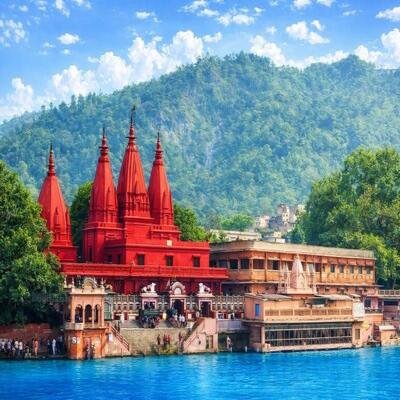
Haridwar is one of the oldest living cities in India, a place where spirituality does not belong to the past — it is an everyday presence. Situated at the point where the River Ganga leaves the Himalayas and enters the northern plains, Haridwar has been a centre of pilgrimage, rituals, learning, and cultural exchange for thousands of years. The city offers a rare blend of sacred energy and simple harmony, drawing millions who come seeking peace, blessings, and a deeper connection with themselves.
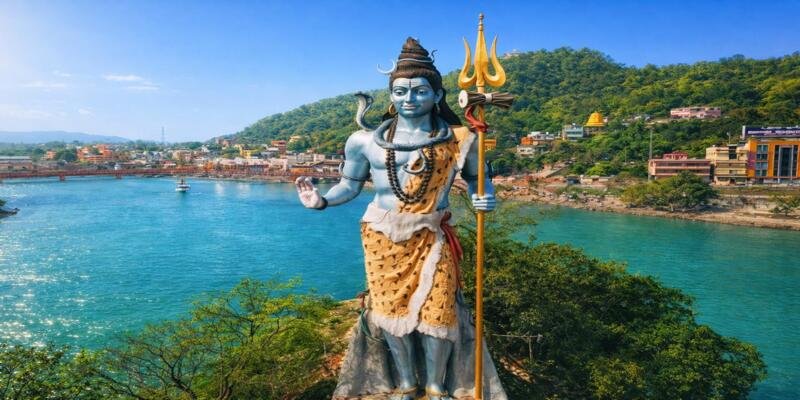
When a traveller steps into Haridwar, the senses are immediately engaged — the sound of bells from temples, the fragrance of incense in narrow streets, the calm hum of mantras, and the steady movement of the river. Life here follows a rhythm shaped by sunrise, rituals, gatherings, and the river’s flow. Even a simple walk along the ghats reveals how devotion blends effortlessly with everyday life.
Although known for its spiritual identity, the city also offers:
Haridwar is not only a destination for faith. It is a place where travellers reconnect with slower living, observe traditions closely, and experience the depth of India’s spiritual culture in an authentic, unhurried way.
Haridwar’s story stretches across thousands of years, making it one of India’s most continuously inhabited spiritual centres. Its history is not confined to archaeological findings or royal records alone; it lives in the rituals still practised, the ghats that have stood through time, and the traditions that continue from one generation to the next. Understanding Haridwar’s evolution reveals why it remains a powerful destination for pilgrims, scholars, and travellers.
Haridwar appears repeatedly in Hindu scriptures, where it is described as a place of intense penance, divine blessings, and sacred events.
During the Vedic and post-Vedic eras, Haridwar grew as a centre for religious learning and rituals.
The city became a hub of spiritual movement as well as cultural exchange.
As kingdoms rose and fell across North India, Haridwar continued to hold its sacred position.
This era shaped Haridwar into a structured, vibrant pilgrimage town.
During the British period and after India’s independence, Haridwar evolved further while retaining its cultural core.
Even today, modern facilities coexist with ancient practices, making Haridwar a rare blend of continuity and change.
The city is still shaped by the same elements that defined it centuries ago:

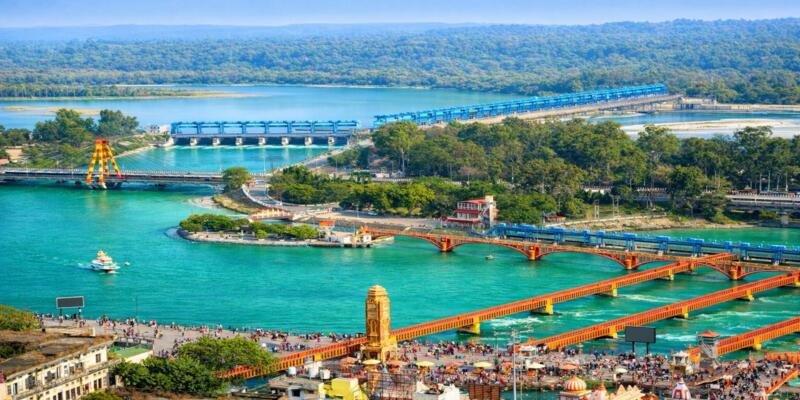
Haridwar’s character is shaped not only by its spiritual heritage but also by its geography. The city sits at a rare and meaningful transition point: the exact place where the mighty Ganga finishes her tumbling descent from the Himalayas and begins her long journey across the plains. This location gives Haridwar its sacred identity, its environmental richness, and its distinctive atmosphere.
Haridwar lies at the foothills of the Shivalik range, the outermost mountains of the Himalayas.
Haridwar marks the symbolic border between the spiritual Himalayan world and the bustling North Indian plains. This transitional geography has always made it a natural gathering place for pilgrims.
Haridwar’s identity cannot be separated from the River Ganga. The river not only defines the city’s spiritual essence but also influences its ecology, culture, and daily life.
The Ganga transforms Haridwar from a town into a sacred experience.
Haridwar’s climate is shaped by its foothill setting, offering a mix of plain-like warmth and hill-like coolness.
Summer (March–June): Warm days, pleasant evenings near the river
Monsoon (July–September): Green landscapes, high humidity, atmospheric skies
Autumn (October–November): Clear views, comfortable weather, ideal for festivals
Winter (December–February): Cool to cold, foggy mornings, crisp air
Each season gives Haridwar a different personality.
Although Haridwar is known for its ghats and temples, the city is surrounded by natural richness.
Rajaji National Park: Home to elephants, tigers, leopards, deer, and more than 300 bird species
Shivalik Hills: Forested ridges offering biodiversity and scenic views
River Islands and Banks: Support freshwater life, migratory birds, and lush vegetation
Haridwar’s natural environment contributes to its peaceful, balanced atmosphere.
Haridwar is one of the few places where nature actively shapes spiritual experience.
In Haridwar, the environment is not just a backdrop — it is part of the sacred experience.

Haridwar is considered one of the most sacred places in India, not just because of its temples or rituals but because of the spiritual energy that surrounds the city. It represents a meeting point of faith, nature, and ancient tradition. For thousands of years, pilgrims have come here to experience purification of the mind, body, and soul through the living presence of the River Ganga.
The name “Haridwar” carries deep spiritual symbolism.
Gateway to Hari (Vishnu): Pilgrims heading toward Vaikuntha through Badrinath considered this the entry point.
Hardwar — Gateway to Hara (Shiva): Pilgrims travelling toward Kedarnath passed through this city on their journey.
Both meanings coexist, reflecting the unity of devotion within Hindu traditions.
It shows Haridwar is not tied to a single deity; instead, it is a gateway to the divine in many forms.
In Hindu tradition, seven cities are considered the holiest places on Earth — known as the Sapta Puri. Haridwar is one of them.
This status has shaped Haridwar’s identity for thousands of years.
The River Ganga is the heart of Haridwar’s spiritual life. Here, the river is considered alive — a goddess, a purifier, and a witness to all rituals.
Purification: Ritual bathing is believed to cleanse negative karma.
Blessings: Water is carried home as spiritual protection.
Symbol of Continuity: The river connects ancient tradition with present-day life.
Daily Rituals: Every sunrise and sunset brings ceremonies that honour the river.
For many, a visit to Haridwar is incomplete without experiencing this connection.
Haridwar has always been a gateway for pilgrims heading into the Himalayas.
Travellers would traditionally begin purification at Haridwar before moving deeper into the mountains.
This makes Haridwar the starting point of many spiritual journeys.
Haridwar’s spiritual life is not limited to festivals — it is part of everyday living.
Ritual life in Haridwar is a world in itself, structured yet welcoming.
Many travellers describe Haridwar as a place that slows down their thoughts and helps them reconnect with themselves.
Haridwar creates a spiritual atmosphere that appeals to both religious seekers and contemplative travellers.

Haridwar is a year-round destination, but every season offers a different atmosphere, temperature range, and cultural flavour. The experience varies from peaceful winter mornings to energetic summer pilgrimages and monsoon landscapes. Understanding the seasonal patterns helps travellers choose the ideal time based on comfort, purpose, and the type of experience they want.
Haridwar’s climate is influenced by its location at the foothills of the Himalayas. It combines the warmth of the plains with the refreshing influence of nearby hills.
Summer is the most active time in Haridwar. Pilgrims, tourists, and families arrive in large numbers, making the city vibrant and dynamic.
Temperature Range:
25°C to 38°C
Best For
The monsoon brings a completely different tone to Haridwar — greener landscapes, cloudy skies, and a calmer rhythm.
Temperature Range:
24°C to 32°C
Travel Considerations
Best For
Autumn is one of the most comfortable and enjoyable seasons for visiting Haridwar.
Temperature Range:
18°C to 28°C
Why Autumn Is Popular
Autumn consistently offers some of the best climatic conditions for travel.
Winter turns Haridwar into a peaceful retreat, ideal for those who prefer calm, uncluttered journeys.
Temperature Range:
6°C to 20°C
Winter Atmosphere
Best For
October to April (calm weather, deeper rituals)
March to June and October–November
December to February
July to September (monsoon deals and reduced rush)
Many travellers plan their visit around major celebrations that define Haridwar’s cultural identity.
These periods showcase Haridwar’s most dynamic spiritual form.

Haridwar is filled with sacred ghats, ancient temples, serene ashrams, and cultural landmarks. Each place has its own identity shaped by history, devotion, and tradition. This section highlights the major attractions that define the city’s spiritual and cultural landscape.
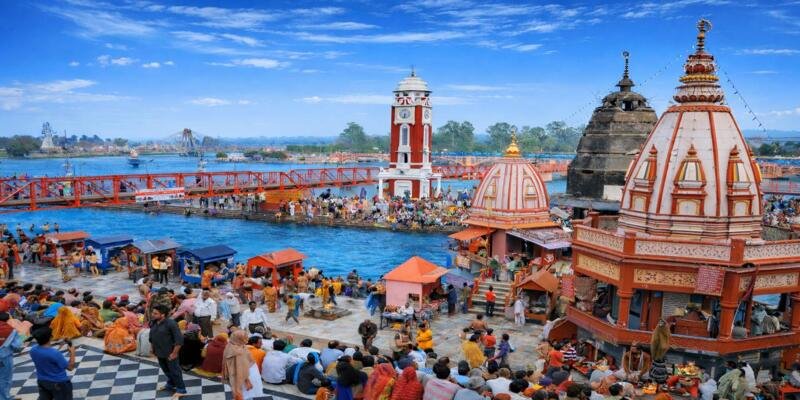
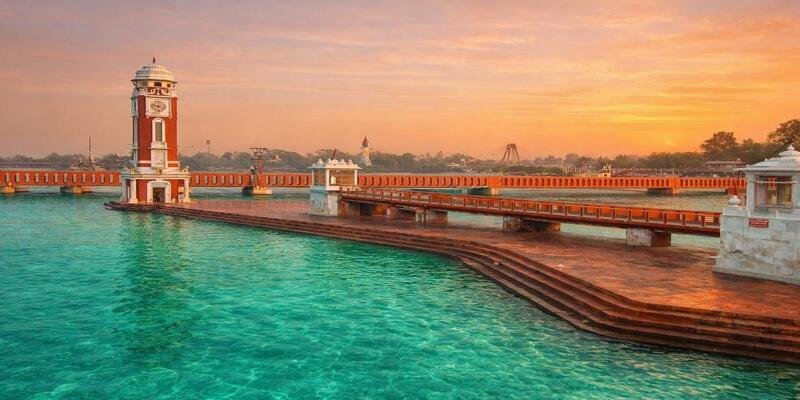
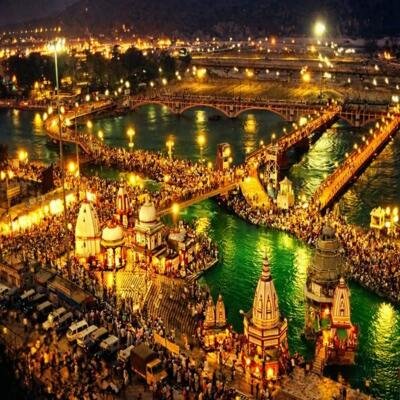
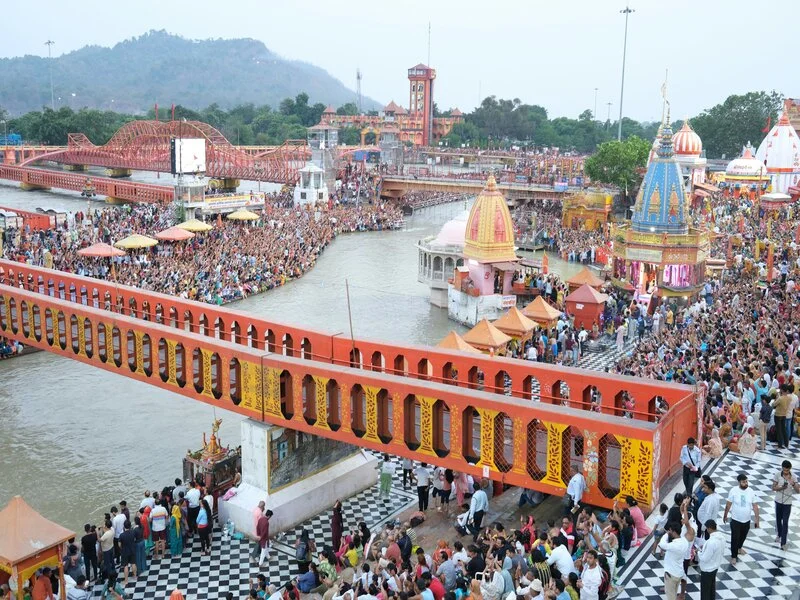
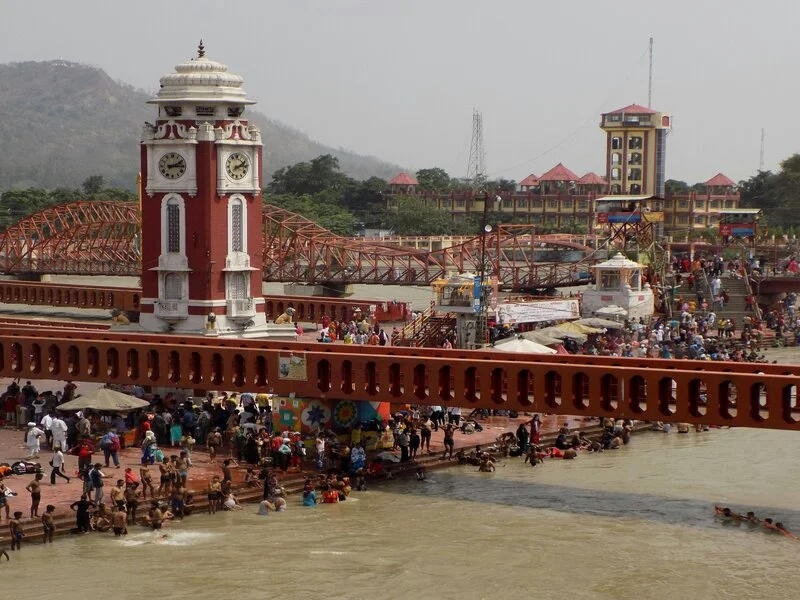
Har Ki Pauri is the most iconic landmark of Haridwar and the centre of its spiritual activity.
Visitors witness priests performing synchronised rituals, the river glowing with floating diyas, and a collective sense of devotion that creates an unforgettable atmosphere.
The Ganga Aarti is one of the most sacred and visually captivating experiences in Haridwar.
Sunset, when the sky turns golden, and the river reflects hundreds of lights.
Dedicated to Goddess Mansa Devi, this temple is located atop the Bilwa Parvat.
The temple is an essential stop for pilgrims seeking fulfilment of desires.
Located on Neel Parvat, Chandi Devi Temple is another major pilgrimage site.
Travellers often combine their visit to Mansa Devi for a complete spiritual experience.
Situated in the Kankhal area, this temple is linked to the legend of King Daksha and Lord Shiva.
The temple’s historical relevance makes it a meaningful place for devotees.
Unlike traditional temples, Bharat Mata Mandir honours the idea of India as a motherland.
It offers a different perspective on devotion and national identity.
Pawan Dham stands out for its artistic beauty.
This temple adds an artistic layer to Haridwar’s spiritual landscape.
This serene spot is associated with the meditation of the seven great sages.
The ashram is often visited by those seeking quiet time away from crowded areas.
Shantikunj is the headquarters of the All World Gayatri Parivar.
It is known as a hub for seekers and students of philosophy.
Founded to promote yoga and Ayurveda, Patanjali Yogpeeth is one of the largest wellness centres in India.
It blends traditional health practices with modern infrastructure.
Chandighat is known for its cleaner, quieter atmosphere compared to Har Ki Pauri.
It offers a more relaxed experience away from the crowds.
Just outside Haridwar lies one of North India’s richest wildlife zones.
It is a refreshing addition for travellers who enjoy nature alongside spiritual exploration.

Haridwar is more than a collection of temples and ghats. It offers a wide range of spiritual experiences, cultural interactions, scenic moments, and traditional activities that allow travellers to immerse themselves in the city's unique atmosphere. Whether someone visits for devotion, curiosity, relaxation, or exploration, Haridwar provides meaningful activities for every type of traveller.
The Ganga Aarti is one of the most profound experiences in Haridwar.
This ceremony is the spiritual heartbeat of Haridwar and a must-see activity.
Bathing in the Ganga is believed to purify the mind and body.
Many travellers find this one of the most meaningful parts of their visit.
These two temples offer both spiritual significance and scenic viewpoints.
Travellers often explore both temples in a single half-day trip.
Ashrams are the cultural and spiritual pillars of the city.
Popular ashrams include Sapt Rishi Ashram, Shantikunj, and various smaller traditional centres.
Haridwar’s mornings have a calm, almost meditative quality.
Early mornings are ideal for photography, reflection, or simply observing life unfold.
Haridwar offers opportunities for learning and self-improvement.
These programs help travellers connect with the city’s traditional wisdom.
Haridwar’s food scene reflects its cultural simplicity and flavour.
The markets near Har Ki Pauri and the old town area offer the best food experiences.
Even simple rituals create a meaningful experience for visitors.
These rituals add depth to the journey and help travellers understand the city’s spiritual rhythm.
The old streets of Haridwar are lively and full of traditional charm.
Markets such as Bara Bazaar and Moti Bazaar capture the essence of Haridwar’s heritage.
Away from the main crowd, Haridwar has several serene spots.
These places offer a break from the bustle and allow travellers to relax and reflect.
Here is PART 8, written in the same clean, structured, modern style with proper headings, balanced points, and smooth paragraphs — one part only.

Haridwar offers a wide range of experiences—spiritual, cultural, scenic, and wellness-oriented. Because of this, the ideal trip duration depends on how deeply a traveller wants to explore the city. Some come for a quick pilgrimage, while others spend days attending aarti, exploring temples, and enjoying peaceful riverside time. This section outlines the most practical and meaningful ways to plan your stay.
A single day in Haridwar is enough for those who want to experience the spiritual essence of the city without diving into its deeper layers.
This brief visit captures Haridwar’s highlights while keeping the pace manageable.
Two days allow travellers to explore Haridwar at a smoother pace, combining spirituality, culture, and local flavours.
Two days provide a comfortable introduction to the city’s rhythm.
A three-day itinerary is perfect for travellers who want to understand Haridwar beyond the main ghats and temples.
This duration allows space for introspection, meaningful experiences, and a deeper connection with the city.
Some travellers choose to stay longer to immerse themselves in Haridwar’s spiritual environment.
Extended stays provide a transformative experience of Haridwar’s traditional lifestyle.
Haridwar’s culture is deeply intertwined with faith, ritual, community life, and the timeless presence of the River Ganga. The city’s traditions are not just practiced on special occasions; they are part of everyday rhythms. From early morning prayers to evening aarti, from temple bells to market interactions, Haridwar’s culture reflects simplicity, devotion, and continuity.
In Haridwar, the Ganga is not just a river — it is the centre of cultural identity.
The river unites locals and visitors in a shared space of reflection and devotion.
Haridwar follows rituals that have been preserved for generations.
These practices maintain a strong cultural continuity between past and present.
Haridwar has a long-established system of priests known for their expertise in rituals, astrology, and Vedic knowledge.
This priestly tradition gives Haridwar a structured and authentic ritual culture.
Ashrams are key cultural spaces where spiritual education and community living come together.
Haridwar’s ashram culture promotes learning and inner growth.
Haridwar’s culture has always emphasised openness and coexistence.
The city’s social environment makes travellers feel comfortable and welcomed.
Sound is an important part of Haridwar’s cultural identity.
These sounds create an atmosphere that is both calming and uplifting.
Haridwar’s festivals highlight the strength of its traditions and community spirit.
Each festival becomes a living symbol of Haridwar’s heritage.
Despite being a major pilgrimage city, Haridwar maintains simplicity in lifestyle.
This understated charm defines the authentic character of Haridwar.
Haridwar’s festivals reflect the city’s deep spiritual roots and its strong sense of community. Each celebration brings together thousands of devotees, filling the ghats, temples, and streets with vibrant energy. These festivals are not only religious occasions but also cultural gatherings that showcase Haridwar’s traditions, rituals, and artistic expression.
Kumbh Mela is Haridwar’s most iconic event and one of the largest religious gatherings in the world.
The scale and devotion of Kumbh Mela make it a defining cultural event for the city.
Ardh Kumbh occurs every six years and holds a deeply sacred value.
It carries the same devotional spirit as the Kumbh Mela but in a slightly smaller format.
Kanwar Yatra is one of the most visually dynamic festivals in Haridwar.
This festival highlights the endurance and faith of millions of participants.
Ganga Dussehra marks the arrival of the River Ganga on Earth.
The ghats come alive with light and devotion throughout the day.
Kartik Purnima is one of the most visually enchanting festivals in Haridwar.
It is one of the best nights to experience Haridwar’s atmosphere.
Makar Sankranti marks a significant shift in the solar calendar.
The festival brings warmth and positivity during winter.
While Holi and Diwali are celebrated across India, Haridwar adds its own spiritual touch.
Both festivals highlight Haridwar’s peaceful approach to celebration.
Haridwar’s food culture reflects its simplicity, purity, and deep-rooted traditions. The city offers a vegetarian cuisine shaped by spirituality and local flavours. Whether it is a steaming plate of aloo puri in the morning, a glass of fresh lassi in the afternoon, or a warm jalebi after the evening aarti, Haridwar’s food satisfies both taste and comfort. The flavours are familiar, homely, and rooted in generations of traditional cooking.
Haridwar’s food is built around purity and sattvic principles.
This approach makes the cuisine suitable for travellers seeking light, comforting food.
Haridwar’s old streets offer delicious, clean, and satisfying street snacks.
These snacks add flavour and energy to a day of exploration.
Haridwar’s sweets are simple but unforgettable.
These sweets often become cherished souvenirs from the trip.
Many ashrams in Haridwar serve wholesome, sattvic meals prepared with purity and devotion.
Travellers often describe ashram meals as grounding and refreshing.
These simple steps ensure a smooth and enjoyable culinary experience.
Shopping in Haridwar is a blend of tradition, spirituality, and local craftsmanship. The markets are lively yet simple, reflecting the city's cultural values. From religious items to regional sweets and handicrafts, the shopping experience is more about meaningful souvenirs than luxury purchases. Every lane carries a sense of heritage, making shopping here a natural extension of the city's spiritual atmosphere.
Haridwar’s markets are located around the old town and near the ghats.
The markets are welcoming, easy to navigate, and full of cultural details.
Since Haridwar is a major pilgrimage city, religious items are widely available.
These items serve both spiritual and cultural significance.
Haridwar is known for Ayurveda and traditional wellness brands.
These products reflect the city’s health-conscious traditions.
Haridwar’s markets feature handmade goods that represent Uttarakhand’s craft traditions.
These items make meaningful souvenirs without being overly commercial.
Shopping in Haridwar is meant to be relaxed and culturally engaging.
The city offers items that reflect identity rather than luxury.
Haridwar’s markets remind travellers of the city’s simplicity, faith, and timeless character.
Haridwar is one of the holiest pilgrimage sites city of India which is also referred to ...
Per Person
Haridwar is a spiritual City that is blessed with cultural and traditional teachings There are various ...
Per Person
Though Haridwar is a spiritual city but it is not just all that Haridwar has to ...
Per Person
Haridwar is an ancient city having a deep-rooted culture and traditions of ancient Vedic times These ...
Per Person
Haridwar was visited by millions of Hindu devotees every year and there are pilgrimage places that ...
Per Person
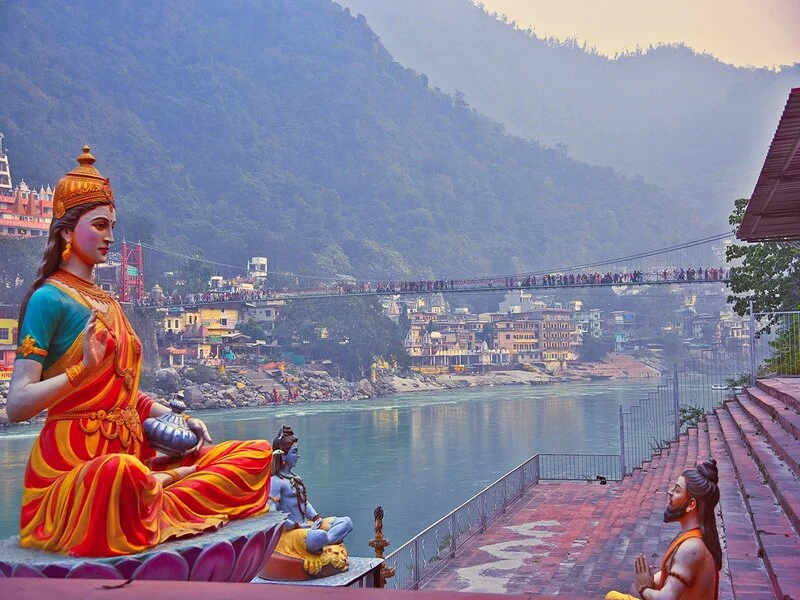
Uttarakhand is rightly said as the land of God s as here you can visit the ...
Per Person

Per Person
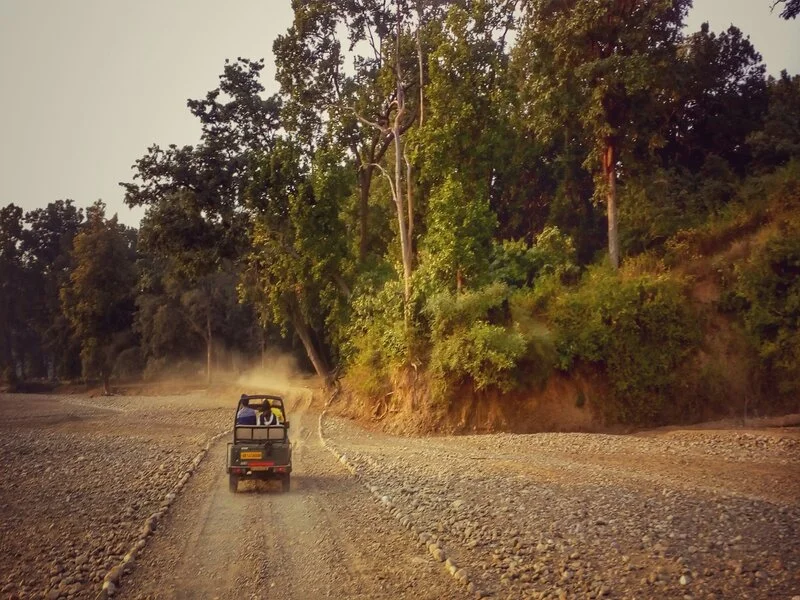
Experience the perfect blend of thrill spirituality and nature with an strong data-end data-start Adventure Tour ...
Per Person
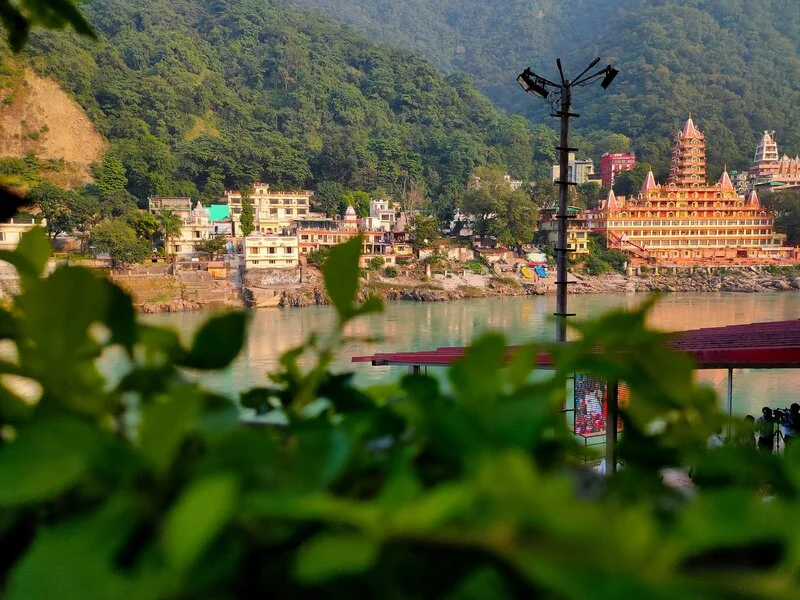
Per Person
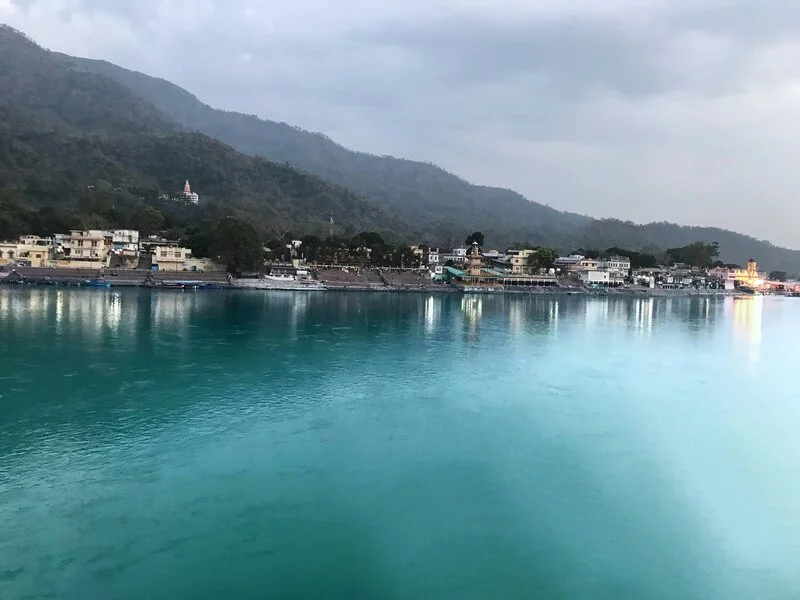
Step away from the city and immerse your family in the spiritual charm of Uttarakhand with ...
Per Person
Leave the city chaos behind and dive into a rejuvenating journey with a strong data-end data-start ...
Per Person
Showing 1 of 1 pages
You can anytime request for a pocket friendly and customized package as per your requirements.
No need to pay complete amount in one go, it can be paid in 3 installments of 30%, 30% and 40%.
Our travel support is available in your assistance at all times for a hassle free trip.
We are having the expertise of planning more 5000+ tours all around India.
One can take a dip in the Holy water of River Ganga but only on the banks and on the designated areas. It is not allowed to go deep into the water as the waves are highly unpredictable and there is a huge risk of life.
Jolly Grant Airport (DED) is the nearest airport that is located in Dehradun at a distance of 43 km from Haridwar. Haridwar and Rishikesh Railway stations are the closest railway station to Haridwar.
This is a Mela coordinated at a regular interval of 12 years in Haridwar city. Alongside Haridwar, it is likewise celebrated in Nasik, Prayagraj, and Ujjain. At the point when Samudra Manthan was held, the drops of Amrit ( Holy water of Immortality) fell on these four spots while the Son of Indra was conveying it. A great number of devotees accumulate in this festival from around the world. Individuals take a plunge in the sacred water of Ganga in Brahma Kund to limit their wrongdoings and to get Moksha. Individuals light Diya and lamps to venerate this sacred waterway. It is a tremendous social event and one of the blessed customs in the Hindu religion.
Along with Haridwar, you can also explore some of the prominent attractions of Uttarakhand such as Rishikesh, Dehradun, and Mussoorie located at a distance of 20 km, 53km, and 83 km respectively.
The best and ideal time to visit Haridwar is during winter when the climate becomes lovely that is from the period of October till February. If you need to go for profound and journey purposes, at that point you can visit in July during Kanwar or during the Diwali time in October month however in these months there is a Huge surge in Haridwar and traffic gets over-burden due to over vacationer appearance.
It is believed that Lord Vishnu and Lord Shiva visited Brahma Kund during the Vedic time frame. It is said that lord Vikramaditya built it, in memory of his sibling Bharthari who contemplated the bank of the Holy River Ganga. Each day, evening Ganga aarti is performed at this spot. Other than this numerous celebrations like Kumbh Mela, Ardh Kumbh, and Vaisakhi celebration of Sikh is praised here.
The weather in Haridwar remains blazing hot during the summer months, while during the months it remains clear and pleasant so it is advisable to visit Haridwar from October till April month.
Some of the prominent attractions that can be visited in Haridwar are Mansa Devi temple, Chandi Devi temple, Bharat Mata Mandir, Maya Devi Temple, Daksh Mahadev temple, Har-ki-Pauri, and Shri Chintamani Parswanath Jain temple. All the sightseeing in Haridwar can be completed in the period of 1 night and 2 days.
You can take a direct flight from Indira Gandhi International Airport to Dehradun. Also, you can take a train journey from New Delhi Railway Station, Old Delhi Railway Station, or Hazrat Nizamuddin Railway Station to Haridwar or Rishikesh Railway station.

Fill the form or call us on :+91-9557559891