

To More Inquiry

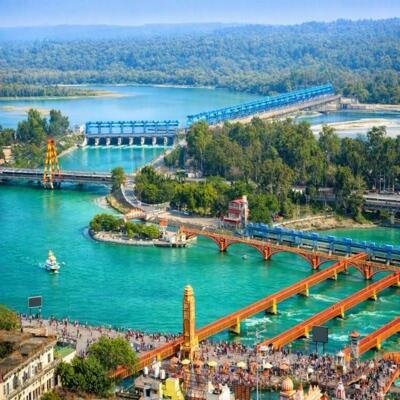
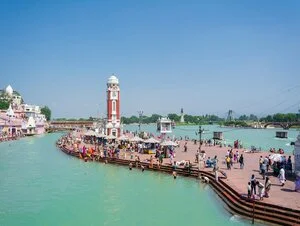
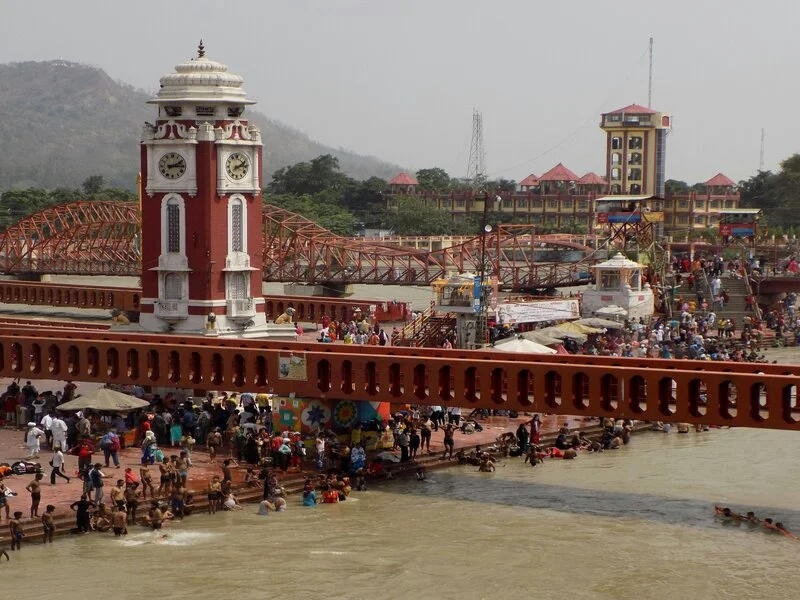
Haridwar is one of India’s oldest and most sacred spiritual cities, located at the point where the River Ganga leaves the mountains and enters the plains. The city is known for its ghats, temples, rituals, vibrant markets, and deeply rooted cultural traditions. Because Haridwar’s ambience changes significantly with seasons, weather, festival timings, and pilgrimage patterns, selecting the right time to visit makes a major difference in your overall experience.
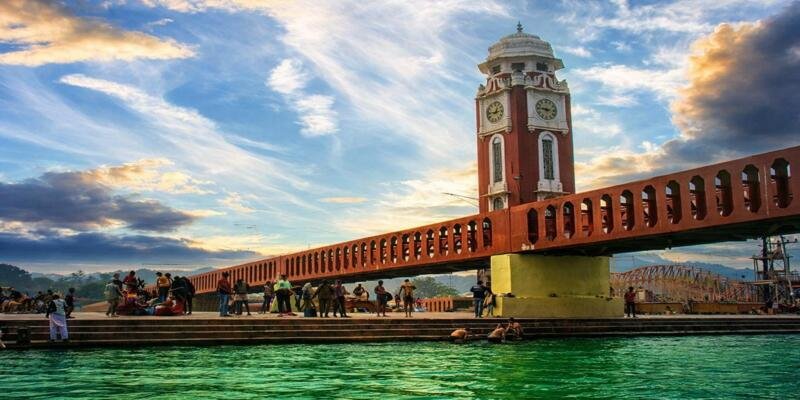
For some, the best time is winter, when the Ganga Aarti looks magical under clear skies and the mornings are calm and misty. For others, the ideal period is summer, especially for travellers who begin the Char Dham Yatra from Haridwar. Many visitors love the monsoon season because the ghats become peaceful, the surroundings turn green, and hotel prices drop. Understanding the strengths of each season allows you to choose the perfect time based on your interests.
Haridwar is not a place where every season offers the same experience.
The Ganga looks different in winter than in monsoon.
The markets feel different in November than in June.
The energy of the city changes completely during festival months.
Weather plays a big role here:
Choosing the right month affects:
Because Haridwar is a walking-heavy destination, temperature and humidity significantly influence your trip.
To keep things clear, here is a simple summary before we dive deeper:
Winter (October to February)
Cool, clear weather; great for ghats, Aarti, temples, safaris, and markets.
Summer (March to June)
Warm to hot weather, but perfect for spiritual activities early morning and late evening.
Monsoon (July to September)
Green surroundings, fewer tourists, off-season prices, and calmer market lanes.
Each season offers something unique, and your ideal time depends on what you want from your visit.
The widely recommended best time to visit Haridwar is from October to March.
These months offer:
The October–March window is ideal for families, spiritual seekers, cultural travellers, photographers, and first-time visitors.
Haridwar’s winter ranges from pleasantly cool to moderately cold.
Morning fog over the Ganga, soft sunlight, and calm breezes make winter extremely inviting.
Winter sunlight remains soft and warm, making it perfect for walking, sightseeing, ropeway rides, nature outings, and photography.
Winter is the best time to visit Haridwar as the pleasant weather makes temple visits, Ganga Aarti, and sightseeing comfortable and peaceful.
The city looks more serene in winter, with fewer crowds and a spiritually calming atmosphere along the ghats.
Clear skies and cool temperatures also make winter ideal for yoga retreats, spiritual walks, and nearby excursions.
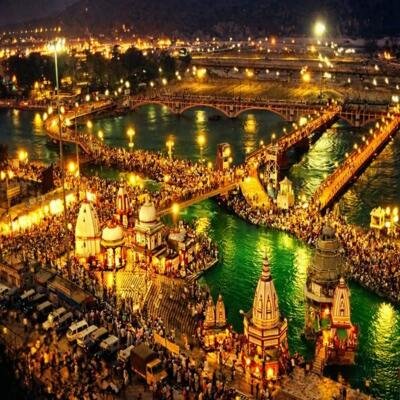
The Ganga Aarti becomes especially beautiful during winter because of the clear air and soft golden lighting. The reflections of the lamps shine brighter on the water, and the ghats feel calmer than the summer peak.
Travellers often sit longer near the river because the cool air makes the experience comfortable.
Key Points
Visiting Mansa Devi or Chandi Devi during winter is far more comfortable than in summer. Ropeway queues move smoothly, treks feel easier in cool weather, and temple courtyards remain pleasant throughout the day.
Key Points
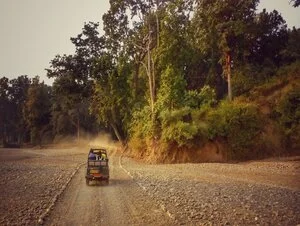
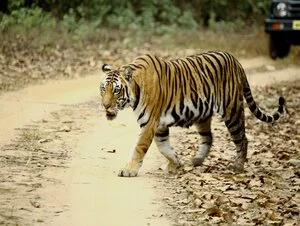
Rajaji National Park reopens in mid-November and remains accessible through the winter. This is when visibility is clear, water sources attract animals, and birdlife is abundant.
Travellers frequently spot elephants, spotted deer, antelopes, and migratory birds during winter safaris.
Key Points
Haridwar’s winter markets come alive with local sweets, hot milk in kulhads, jalebi, aloo puri, and warm snacks that taste better in the cool weather.
Markets like Moti Bazaar, Bara Bazaar, and Upper Road remain crowded but comfortable because the temperature stays mild.
Key Points
Winter is the most festive and vibrant season in Haridwar.
Some of the biggest celebrations occur during these months.
The ghats light up with thousands of diyas, temples glow beautifully, and the Aarti becomes even more visually striking.
Key Points
Considered one of the most auspicious bathing days, Kartik Poornima creates an extraordinary spiritual ambience at Har Ki Pauri.
Key Points
Another important holy dip day marking the beginning of longer days and new beginnings.
Key Points
The festival marks the arrival of spring. Yellow decorations, cultural programmes, and temple celebrations create a cheerful environment.
Key Points
Winter is recommended for:
Why?
Because winter offers the complete Haridwar experience with:

Ideal for Pilgrims, Char Dham Travellers, and Spiritual Seekers
Summer in Haridwar is warm to hot, especially during May and June. However, despite the rising temperatures, summer remains a crucial and culturally active season because millions of travellers begin their journey to the Char Dham shrines during this period.
Summer has three phases:
Mornings and evenings are comfortable, but afternoons can be harsh.
Even though the temperatures rise, summer offers several key benefits.
1. Gateway to the Char Dham Yatra
From April onwards, thousands of pilgrims travel to Kedarnath, Badrinath, Gangotri, and Yamunotri. Haridwar becomes the spiritual starting point, filled with energy, chanting, and devotion.
2. Ritual Activity Peaks
Many religious gatherings, processions, and temple events occur during the early summer months.
3. Excellent Morning and Evening Experiences
Sunrise dips at Har Ki Pauri, early Aarti, and calm river views are particularly enjoyable when the air is cooler.
4. Perfect for Photographs
Summer skies are bright and blue, creating excellent conditions for ghats, temples, and ropeway photography.
Summer is not the most comfortable season, but it is one of the most spiritually active ones.
Ideal for Peace Seekers, Nature Lovers, and Budget Travellers
The monsoon adds a refreshing charm to Haridwar. The city becomes green, quiet, and soothing, with fewer crowds and a calmer rhythm. Rain showers vary from mild to heavy, but the environment becomes naturally beautiful.
Although humidity increases, the heat reduces, making the weather pleasant enough for travel.
1. Least Crowded Time of the Year
The ghats, temples, ropeways, and markets remain peaceful compared to other seasons.
2. Lush Green Surroundings
The Shivalik hills, canals, and forest areas around Haridwar become vibrant with greenery, making nature walks and photography rewarding.
3. Lower Budget for Travellers
Hotels, ashrams, and local transport have significantly lower rates during the monsoon, making it the best season for budget travel.
4. Quiet, Spiritual Ambience
The Aarti feels more intimate. The ghats are less crowded, and the river appears calm and wide during the monsoon flow.
5. Excellent for Writers, Photographers, and Solo Travellers
The calm atmosphere and misty surroundings create an inspiring environment.
Haridwar remains accessible during the monsoon, but travellers should be aware of a few precautions.
Monsoon is best suited for:
Monsoon may not be ideal for first-time visitors due to occasional rain interruptions, but it offers a beautifully serene and authentic side of Haridwar.
Haridwar experiences major changes through the year — not only in temperature but also in crowd patterns, festival cycles, river behaviour, nature conditions, and overall atmosphere. Some months feel alive and festive, while others feel slow, peaceful, and deeply spiritual. Understanding each month allows travellers to choose a perfectly aligned time.
January is one of the most atmospheric months in Haridwar. The Ganga appears mystical during sunrise as thin layers of fog drift above the water. The evenings carry a distinct winter chill, and sweaters or jackets are essential.
Why January Is Worth Visiting
Atmosphere Summary
Quiet, devotional, scenic, and ideal for long walks with warm clothes.
February brings the first hints of spring. The air becomes slightly warmer, allowing travellers to stay outdoors for long periods. This is one of the most comfortable months in Haridwar.
Why February is Excellent
Atmosphere Summary
Fresh, lively, pleasantly warm, and full of subtle seasonal beauty.
March marks the end of winter. The days grow warmer, but mornings remain soft and pleasant. It is a colourful month due to Holi celebrations.
Why March is a Good Time
Atmosphere Summary
Vibrant, cheerful, festive, and ideal for travellers who enjoy cultural energy.
April is warmer, but the spiritual intensity rises dramatically. It marks the beginning of the Char Dham Yatra movement.
What April Offers
Atmosphere Summary
Spiritually charged, lively, busy, and great for early-morning activities.
May is the hottest month in Haridwar, but it is deeply significant for yatris. The city is full of pilgrims, buses, temple devotees, and travellers starting their Himalayan journey.
Why Travellers Choose May Despite the Heat
Atmosphere Summary
Very hot afternoon,s but spiritually intense mornings and evenings.
June remains hot with temperatures rising early in the day. However, the pre-monsoon clouds and breezes give relief towards mid and late June.
Why June Is Still Worth Visiting
Atmosphere Summary
Bright, tropical, mildly humid, and excellent for early morning travellers.
July brings the monsoon. Rain cleanses the entire city, cools the ghats, and transforms Haridwar into a peaceful retreat.
Why July Is Underrated but Beautiful
Atmosphere Summary
Serene, green, slow-paced, excellent for reflection and peaceful travel.
August is the peak monsoon month. Rainfall continues, but Haridwar remains fully operational.
Why August Works Well
Atmosphere Summary
Cool, lush, scenic, poetic, and perfect for calm travellers.
September is one of the most refreshing months. Monsoon starts withdrawing, the weather improves, and greenery remains intact.
Why September is a Hidden Gem
Atmosphere Summary
Balanced, green, refreshing, and very comfortable.
October marks the start of Haridwar’s best season. Weather becomes nearly perfect with soft sunshine and cool breezes.
Why October Is a Favourite
Atmosphere Summary
Festive, joyful, pleasant, and spiritually vibrant.
November is regarded as the single best month to experience Haridwar.
What Makes November Special
Atmosphere Summary
Holy, calm, scenic, festive — ideal for all travellers.
December brings in full winter. Fog creates magical mornings, and the city becomes tranquil.
Why December Is Worth a Trip
Atmosphere Summary
Quiet, cold, serene, and deeply spiritual.
Haridwar is one of the holiest pilgrimage sites city of India which is also referred to ...
Per Person
Haridwar is a spiritual City that is blessed with cultural and traditional teachings There are various ...
Per Person
Though Haridwar is a spiritual city but it is not just all that Haridwar has to ...
Per Person
Haridwar is an ancient city having a deep-rooted culture and traditions of ancient Vedic times These ...
Per Person
Haridwar was visited by millions of Hindu devotees every year and there are pilgrimage places that ...
Per Person
Uttarakhand is rightly said as the land of God s as here you can visit the ...
Per Person
Per Person
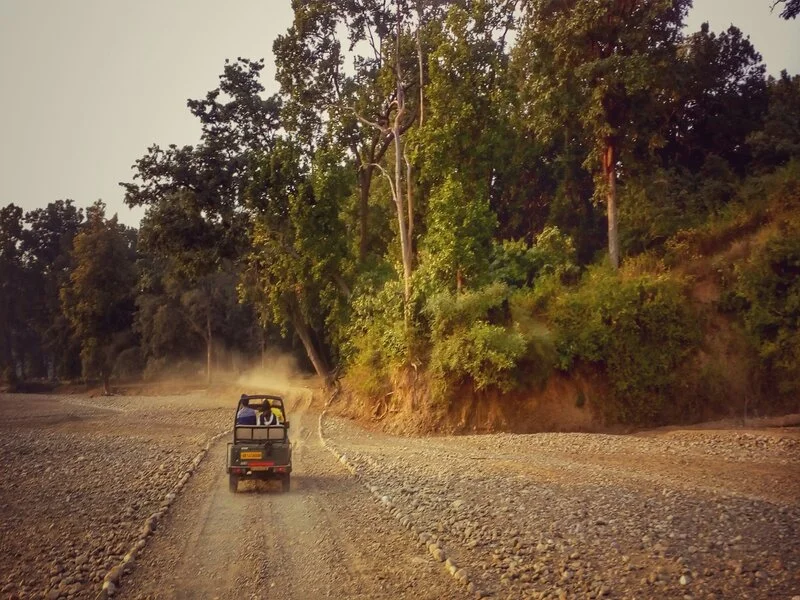
Experience the perfect blend of thrill spirituality and nature with an strong data-end data-start Adventure Tour ...
Per Person
Per Person
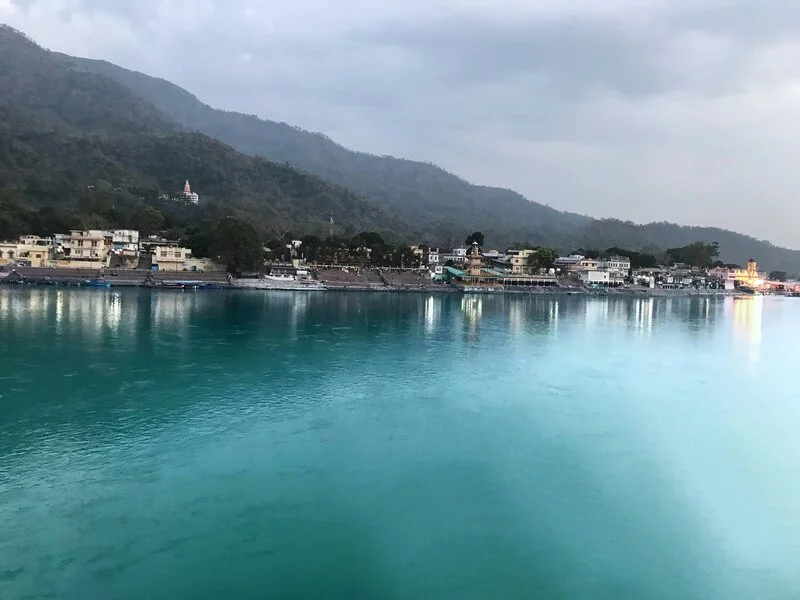
Step away from the city and immerse your family in the spiritual charm of Uttarakhand with ...
Per Person
Leave the city chaos behind and dive into a rejuvenating journey with a strong data-end data-start ...
Per Person
Showing 1 of 1 pages
You can anytime request for a pocket friendly and customized package as per your requirements.
No need to pay complete amount in one go, it can be paid in 3 installments of 30%, 30% and 40%.
Our travel support is available in your assistance at all times for a hassle free trip.
We are having the expertise of planning more 5000+ tours all around India.
One can take a dip in the Holy water of River Ganga but only on the banks and on the designated areas. It is not allowed to go deep into the water as the waves are highly unpredictable and there is a huge risk of life.
Jolly Grant Airport (DED) is the nearest airport that is located in Dehradun at a distance of 43 km from Haridwar. Haridwar and Rishikesh Railway stations are the closest railway station to Haridwar.
This is a Mela coordinated at a regular interval of 12 years in Haridwar city. Alongside Haridwar, it is likewise celebrated in Nasik, Prayagraj, and Ujjain. At the point when Samudra Manthan was held, the drops of Amrit ( Holy water of Immortality) fell on these four spots while the Son of Indra was conveying it. A great number of devotees accumulate in this festival from around the world. Individuals take a plunge in the sacred water of Ganga in Brahma Kund to limit their wrongdoings and to get Moksha. Individuals light Diya and lamps to venerate this sacred waterway. It is a tremendous social event and one of the blessed customs in the Hindu religion.
Along with Haridwar, you can also explore some of the prominent attractions of Uttarakhand such as Rishikesh, Dehradun, and Mussoorie located at a distance of 20 km, 53km, and 83 km respectively.
The best and ideal time to visit Haridwar is during winter when the climate becomes lovely that is from the period of October till February. If you need to go for profound and journey purposes, at that point you can visit in July during Kanwar or during the Diwali time in October month however in these months there is a Huge surge in Haridwar and traffic gets over-burden due to over vacationer appearance.
It is believed that Lord Vishnu and Lord Shiva visited Brahma Kund during the Vedic time frame. It is said that lord Vikramaditya built it, in memory of his sibling Bharthari who contemplated the bank of the Holy River Ganga. Each day, evening Ganga aarti is performed at this spot. Other than this numerous celebrations like Kumbh Mela, Ardh Kumbh, and Vaisakhi celebration of Sikh is praised here.
The weather in Haridwar remains blazing hot during the summer months, while during the months it remains clear and pleasant so it is advisable to visit Haridwar from October till April month.
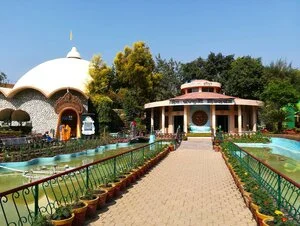
Some of the prominent attractions that can be visited in Haridwar are Mansa Devi temple, Chandi Devi temple, Bharat Mata Mandir, Maya Devi Temple, Daksh Mahadev temple, Har-ki-Pauri, and Shri Chintamani Parswanath Jain temple. All the sightseeing in Haridwar can be completed in the period of 1 night and 2 days.

You can take a direct flight from Indira Gandhi International Airport to Dehradun. Also, you can take a train journey from New Delhi Railway Station, Old Delhi Railway Station, or Hazrat Nizamuddin Railway Station to Haridwar or Rishikesh Railway station.
Fill the form or call us on :+91-9557559891