

To More Inquiry

Haridwar is one of the most revered spiritual destinations in India, holding immense significance in Hindu tradition and Indian culture. Situated on the banks of the holy River Ganga, this ancient city marks the point where the sacred river descends from the Himalayas into the plains. Haridwar is not just a pilgrimage centre but also a place where spirituality, history, mythology, and natural beauty coexist harmoniously. From revered ghats and ancient temples to serene ashrams and scenic viewpoints, the city offers a deeply enriching experience for every visitor. The rhythmic chants, temple bells, and the flowing Ganga create an atmosphere that feels timeless and meditative. Beyond its religious importance, Haridwar also serves as a gateway to the Garhwal Himalayas, making it a starting point for several spiritual and cultural journeys. Exploring Haridwar allows travelers to connect with centuries-old traditions while witnessing living rituals that continue to shape the spiritual identity of India.
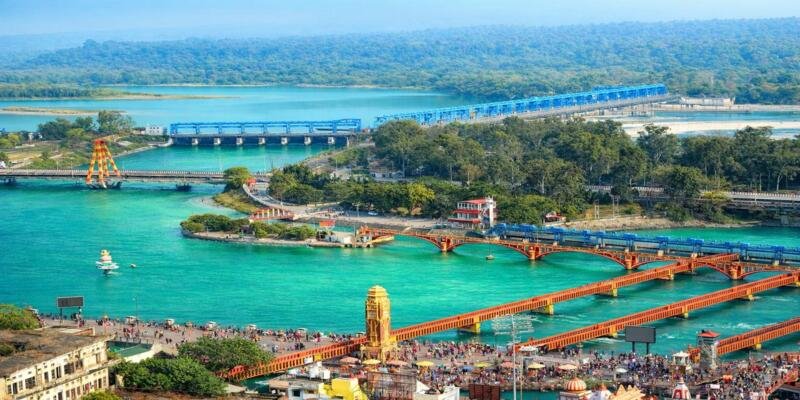
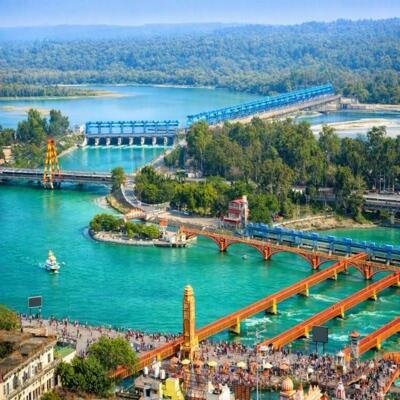
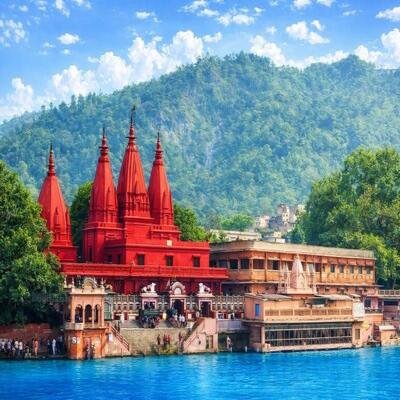
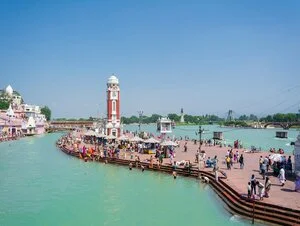
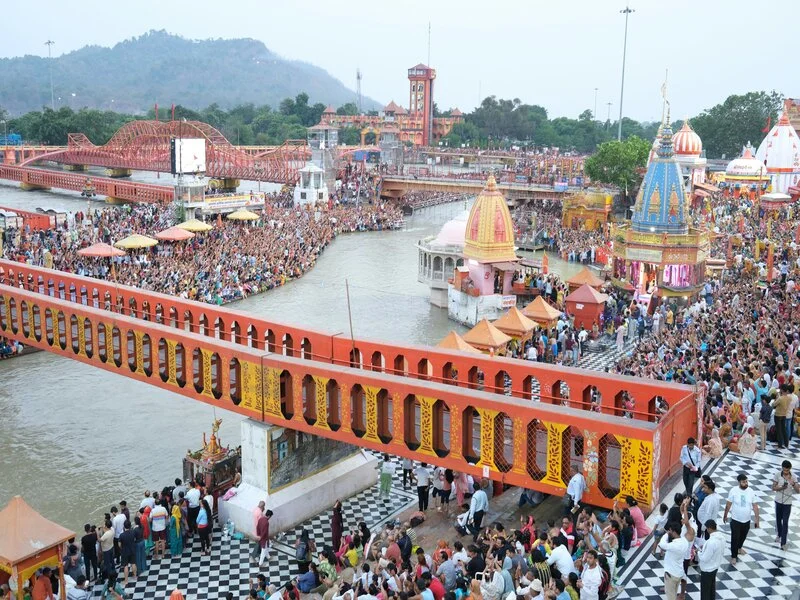
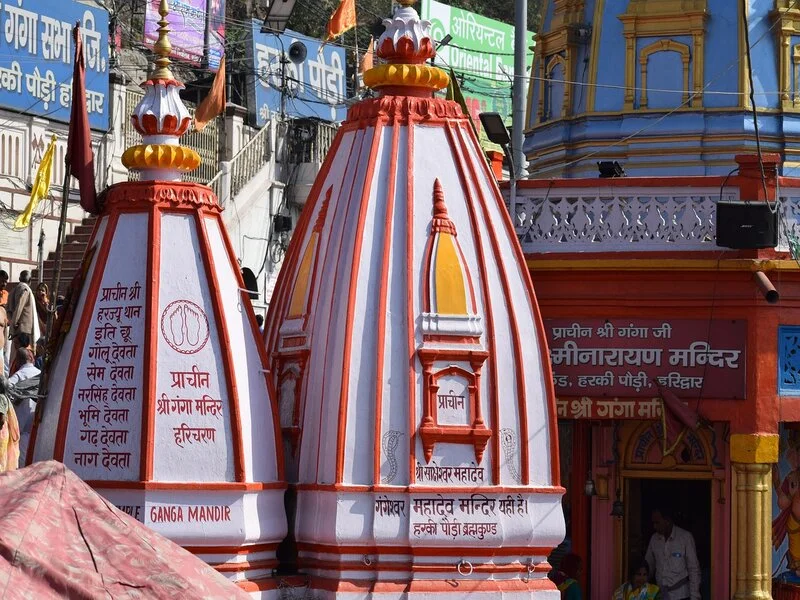
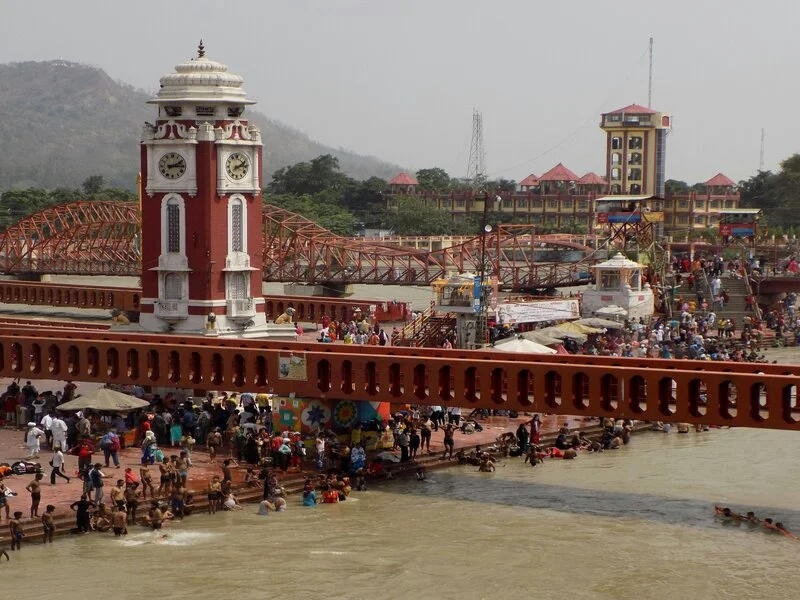
Har Ki Pauri is the most iconic and spiritually significant landmark in Haridwar. This revered ghat is believed to have been visited by Lord Vishnu and Lord Shiva, making it a central point of devotion and ritual practices. The ghat is known for its stone steps descending into the Ganga, where pilgrims gather throughout the day to take holy dips. The belief that bathing here washes away sins and grants liberation attracts devotees from all over the country. The surrounding temples, priests performing rituals, and the constant flow of devotees give Har Ki Pauri an atmosphere of intense spiritual energy.
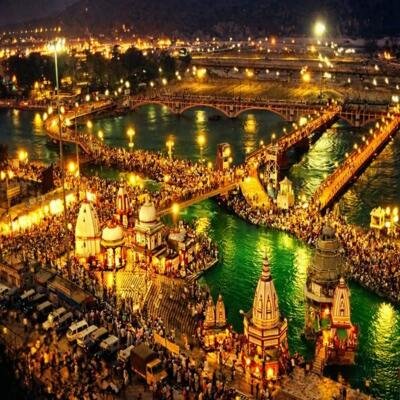
The evening Ganga Aarti at Har Ki Pauri is one of the most mesmerizing spiritual experiences in Haridwar. As the sun sets, priests perform synchronized rituals with lamps, flowers, and incense while chanting sacred mantras. Thousands of oil lamps are released into the river, creating a glowing reflection on the water’s surface. The sound of bells, devotional songs, and flowing river creates a deeply moving environment. This ritual symbolizes gratitude to the Ganga and represents the eternal connection between nature and spirituality, leaving a lasting impression on every visitor.
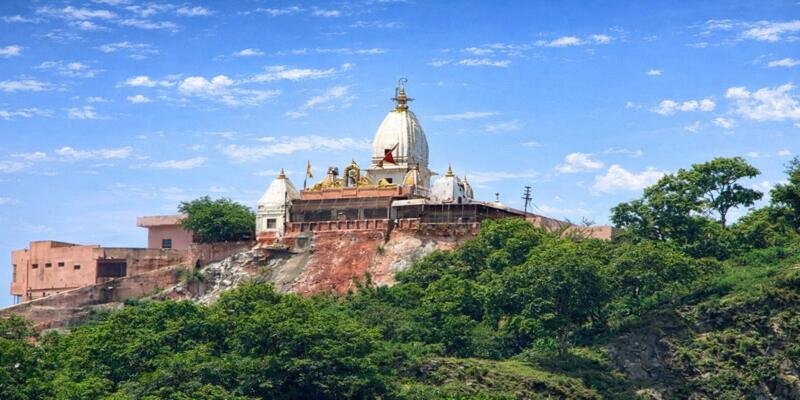
Mansa Devi Temple is perched atop the Bilwa Parvat in the Shivalik Hills and is one of the most visited religious sites in Haridwar. Dedicated to Goddess Mansa Devi, the temple is believed to fulfill the wishes of devotees who visit with sincere faith. The journey to the temple itself is spiritually uplifting, as visitors can reach the shrine either by trekking through scenic forest paths or by using the ropeway. From the hilltop, the panoramic view of Haridwar and the Ganga adds to the serene and divine atmosphere of the temple.
Devotees tie sacred threads to the temple trees while making wishes, returning later to untie them once their desires are fulfilled. The temple complex houses idols of Goddess Mansa Devi along with other deities, reflecting traditional Hindu temple architecture. Festivals like Navratri attract large crowds, transforming the temple into a vibrant center of devotion. The continuous chanting of prayers and offerings creates a powerful spiritual environment that reinforces the temple’s reputation as a place of blessings and divine grace.
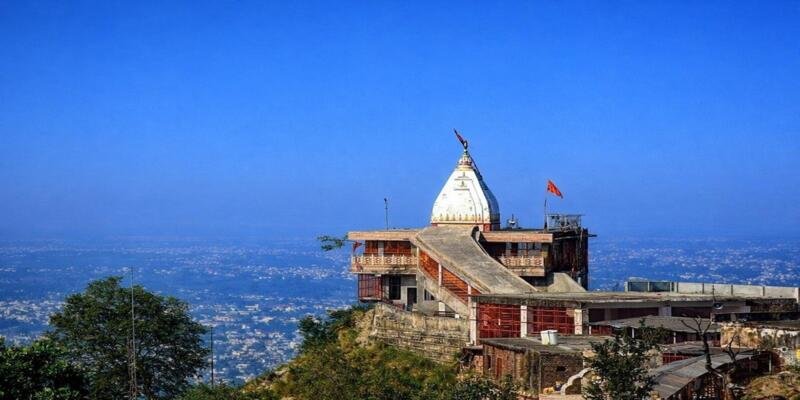
Chandi Devi Temple is located on Neel Parvat and is dedicated to Goddess Chandi, a powerful form of Goddess Durga. It is believed that the temple was established by Adi Shankaracharya in the 8th century, making it an important historical and spiritual site. The temple’s elevated location provides breathtaking views of the surrounding hills and the flowing Ganga, enhancing the spiritual experience of visitors. Reaching the temple involves either a scenic trek or a ropeway ride, both offering moments of calm reflection.
According to legend, Goddess Chandi rested at this spot after defeating the demon kings Shumbha and Nishumbha. This mythological association adds to the temple’s sacred status. Devotees visit the shrine to seek strength, protection, and divine guidance. The temple becomes especially lively during festivals, when rituals and prayers fill the air with devotion. The blend of mythology, history, and natural beauty makes Chandi Devi Temple an essential place to visit in Haridwar.
Daksh Mahadev Temple is one of the oldest and most historically significant temples in Haridwar, closely associated with Hindu mythology. The temple is dedicated to Lord Shiva and is named after King Daksha, the father of Goddess Sati. According to legend, this is the place where Daksha organized a grand yagna but deliberately insulted Lord Shiva, which ultimately led to Sati sacrificing herself in grief. This mythological event makes the temple an important site for devotees who wish to understand why the Daksh Mahadev Temple is considered sacred. The temple complex reflects traditional architecture and carries a deep sense of devotion rooted in ancient stories.
Many visitors often ask what is special about the Daksh Mahadev Temple, and the answer lies in its strong connection to Shaivism and Vedic traditions. The temple hosts important rituals during festivals like Maha Shivratri and the Shravan month, attracting large gatherings of devotees. The peaceful surroundings and spiritual atmosphere allow visitors to reflect on the profound stories associated with the temple. Pilgrims believe that offering prayers here brings inner purification and spiritual strength, making it a meaningful stop during a Haridwar visit.
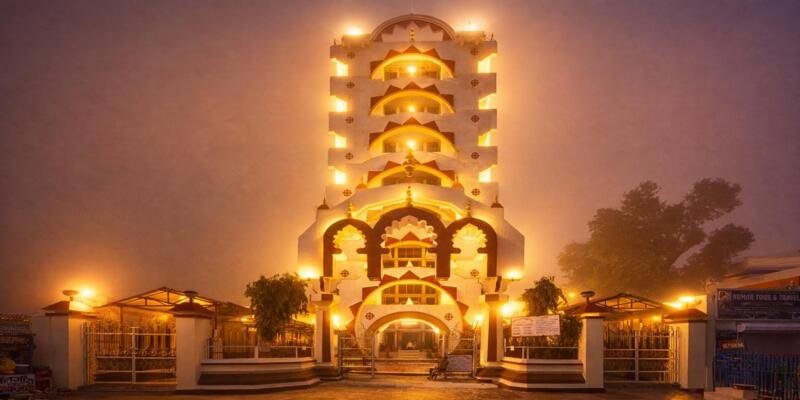
Bharat Mata Mandir stands out as a unique religious and cultural landmark in Haridwar. Unlike traditional temples dedicated to gods and goddesses, this temple is devoted to Mother India. Many people wonder why Bharat Mata Mandir is important, and its significance lies in promoting national unity and cultural heritage. The temple is an eight-story structure, with each floor dedicated to different aspects of Indian history, mythology, freedom fighters, saints, and cultural traditions. It beautifully blends spirituality with patriotism.
Each level of the temple represents a theme, such as ancient sages, women freedom fighters, and regional cultures of India. Visitors often ask what can be seen inside Bharat Mata Mandir, and the answer is a well-curated journey through India’s spiritual and historical evolution. The panoramic view from the upper floors adds to the experience, allowing visitors to see the city and the Ganga flowing below. This temple offers a broader understanding of India’s identity while maintaining a spiritual ambiance.
Sapt Rishi Ashram is a tranquil spiritual retreat located slightly away from the bustling areas of Haridwar. Many travelers ask where is Sapt Rishi Ashram located and why it is famous. The ashram is named after the seven great sages—Kashyapa, Atri, Bharadvaja, Vishwamitra, Jamadagni, Vasishtha, and Gautama—who are believed to have meditated here. According to legend, the River Ganga divided itself into seven streams to avoid disturbing their penance, making this place deeply symbolic in Hindu belief.
The calm environment of the ashram makes it ideal for meditation and spiritual reflection. Visitors often inquire whether Sapt Rishi Ashram is good for peace and meditation, and the answer is yes due to its serene surroundings and sacred energy. The ashram complex includes temples, meditation areas, and ghats where devotees can sit quietly by the river. This place offers a contrast to the lively ghats of Haridwar, providing a more introspective spiritual experience.
Maya Devi Temple is regarded as one of the most important Shakti Peethas in Haridwar, making it a significant destination for devotees of Goddess Shakti. Many people ask why Maya Devi Temple is famous, and the reason lies in its mythological importance. It is believed that the heart and navel of Goddess Sati fell at this location, giving the temple immense spiritual power. The temple is dedicated to Goddess Maya, along with idols of Goddess Kali and Goddess Kamakhya, forming a sacred triad worshipped by devotees throughout the year.
Visitors often wonder what the best time to visit Maya Devi Temple is, and festivals like Navratri are considered especially auspicious. During this time, the temple witnesses a large number of devotees offering prayers and seeking blessings for protection and prosperity. The temple’s ancient walls and traditional rituals reflect centuries-old worship practices. The calm yet powerful spiritual atmosphere makes this temple a central place for understanding Haridwar’s deep-rooted Shakti traditions.
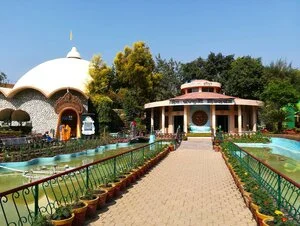
Shantikunj Ashram is a globally recognized spiritual and cultural center located near Haridwar. People frequently ask what Shantikunj Ashram is famous for, and it is known for promoting spiritual education, moral values, and holistic living. Founded by Pandit Shriram Sharma Acharya, the ashram serves as the headquarters of the All World Gayatri Pariwar. It attracts visitors who seek spiritual discipline, self-development, and inner peace through structured programs and workshops.
Many travelers ask whether Shantikunj Ashram is open for visitors, and the ashram welcomes people interested in spiritual growth. Daily activities include meditation sessions, Yagya ceremonies, discourses, and group prayers. The disciplined environment and serene campus encourage introspection and self-improvement. Surrounded by greenery and quiet pathways, the ashram provides a balanced spiritual experience that blends ancient wisdom with modern thought.
Pawan Dham is a lesser-known yet visually impressive religious site in Haridwar. Visitors often ask what is special about Pawan Dham, and it is particularly famous for its intricate glasswork and detailed craftsmanship. The temple complex is dedicated to Lord Krishna and Lord Rama, and its interiors are adorned with colorful statues, mirrors, and hand-crafted designs. The artistic beauty of the temple sets it apart from traditional stone temples in the city.
Devotees and tourists alike appreciate the peaceful environment of Pawan Dham. Many people ask whether Pawan Dham is worth visiting, and the answer lies in its unique combination of devotion and art. The temple promotes a calm devotional atmosphere where visitors can admire religious art while engaging in prayer. Its less crowded surroundings make it a pleasant stop for those seeking a quieter spiritual experience in Haridwar.
Neel Dhara Pakshi Vihar is a serene bird sanctuary located near the Bhimgoda Barrage in Haridwar. Many visitors ask what Neel Dhara Pakshi Vihar is known for, and it is primarily famous for being a seasonal habitat for migratory birds. During the winter months, birds from Central Asia, Siberia, and other cold regions migrate here, making it an ideal spot for nature enthusiasts. The sanctuary is surrounded by lush greenery and the flowing waters of the Ganga, creating a peaceful natural environment away from the crowded city areas.
People often ask when the best time is to visit Neel Dhara Pakshi Vihar, and the months between November and February are considered ideal. During this period, visitors can observe a wide variety of bird species in their natural surroundings. The calm atmosphere, combined with scenic walking paths and river views, makes it suitable for quiet exploration. This place adds a refreshing natural dimension to a Haridwar trip, balancing spirituality with ecological beauty.
Bhimgoda Tank is a historically significant site associated with the epic Mahabharata. Many travelers ask what Bhimgoda Tank is famous for, and according to legend, Bhima struck the ground here to release water for the Pandavas during their exile. The tank is located near Har Ki Pauri and remains an important water source even today. The presence of temples nearby enhances its religious importance, making it both a mythological and spiritual landmark.
Visitors often inquire whether Bhimgoda Tank is worth visiting, and its relevance lies in its sacred history and peaceful environment. Devotees believe that the water of the tank holds spiritual purity. The surrounding area is calm compared to the main ghats, allowing visitors to spend time reflecting on the mythological stories associated with the site. Its connection to ancient legends makes it an essential part of Haridwar’s spiritual landscape.
Patanjali Yogpeeth is a major center for yoga, Ayurveda, and traditional Indian wellness practices. Many people ask what Patanjali Yogpeeth is known for, and it is internationally recognized for promoting holistic health and natural healing. Founded by Swami Ramdev, the institution attracts visitors interested in yoga therapy, Ayurvedic treatments, and spiritual discipline. The campus reflects a modern yet spiritual approach to ancient wellness traditions.
Visitors often wonder whether Patanjali Yogpeeth is open to tourists, and the facility welcomes people interested in learning about yoga and Ayurveda. The campus includes research centers, treatment facilities, herbal gardens, and educational halls. The structured environment and disciplined lifestyle promote physical well-being and mental clarity. Patanjali Yogpeeth represents Haridwar’s role as a global center for spiritual health and traditional knowledge.
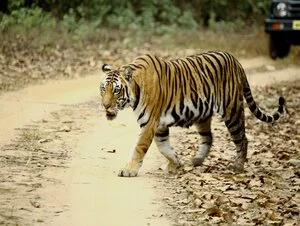
Rajaji National Park is one of the most prominent natural attractions near Haridwar, offering a completely different experience from the city’s spiritual landmarks. Many visitors ask what Rajaji National Park is known for, and it is famous for its rich biodiversity and scenic forest landscapes. Spread across the Shivalik ranges, the park is home to elephants, deer, leopards, tigers, and a wide variety of bird species. Its proximity to Haridwar makes it a popular destination for those looking to explore nature and wildlife during their visit.
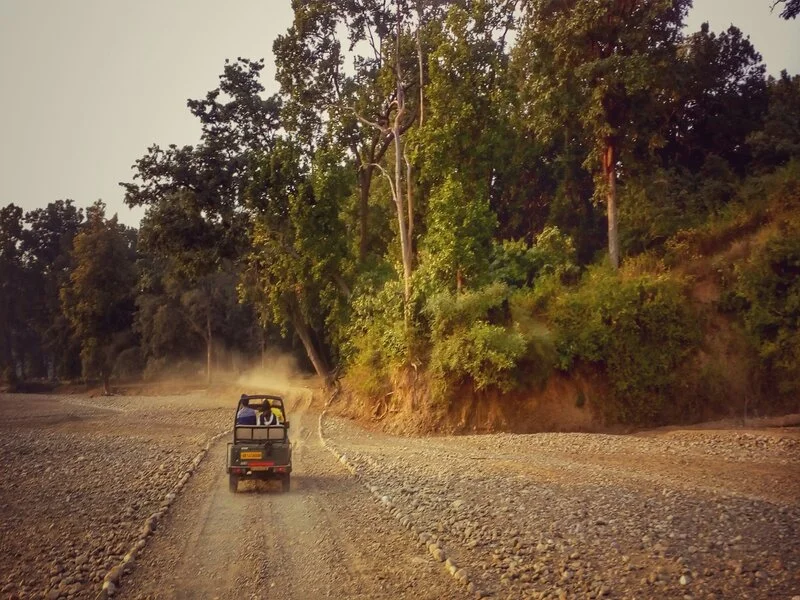
People often ask when the best time to visit Rajaji National Park is, and the ideal season is between November and June. Jeep safaris allow visitors to explore the dense forests and riverbeds while observing animals in their natural habitat. The peaceful surroundings and natural beauty offer a refreshing contrast to the busy ghats and temples. Rajaji National Park highlights the ecological richness of the Haridwar region and adds depth to the overall travel experience.
Vishnu Ghat is one of the lesser-known yet spiritually significant ghats in Haridwar. Many travelers ask why Vishnu Ghat is important, and it is closely associated with Lord Vishnu. The ghat is believed to be a sacred place for performing religious rituals, including holy baths and ancestral rites. Its relatively quieter environment makes it suitable for those seeking a peaceful spiritual experience away from the crowds.
Visitors often wonder whether Vishnu Ghat is crowded, and compared to Har Ki Pauri, it remains calm and less busy. The flowing Ganga, combined with traditional rituals performed by priests, creates a serene spiritual setting. Early mornings and evenings are especially peaceful, allowing visitors to connect with the sacred energy of the river. Vishnu Ghat represents the understated spiritual depth of Haridwar beyond its most famous landmarks.
Gau Ghat is another spiritually meaningful location associated with acts of charity and devotion. People often ask what Gau Ghat is famous for, and it is traditionally linked to cow-related rituals and religious donations. Devotees believe that performing charitable acts here brings spiritual merit. The ghat also offers a calm environment for prayer and reflection, making it suitable for quiet spiritual practices.
Visitors frequently inquire about the religious importance of Gau Ghat, and it is considered a place where faith and compassion are expressed through traditional practices. The simplicity of the ghat, combined with the sacred flow of the Ganga, creates an atmosphere of humility and devotion. Gau Ghat completes the spiritual journey of Haridwar by highlighting the city’s emphasis on charity, belief, and sacred traditions.
Haridwar is one of the holiest pilgrimage sites city of India which is also referred to ...
Per Person
Haridwar is a spiritual City that is blessed with cultural and traditional teachings There are various ...
Per Person
Though Haridwar is a spiritual city but it is not just all that Haridwar has to ...
Per Person
Haridwar is an ancient city having a deep-rooted culture and traditions of ancient Vedic times These ...
Per Person
Haridwar was visited by millions of Hindu devotees every year and there are pilgrimage places that ...
Per Person
Uttarakhand is rightly said as the land of God s as here you can visit the ...
Per Person

Per Person
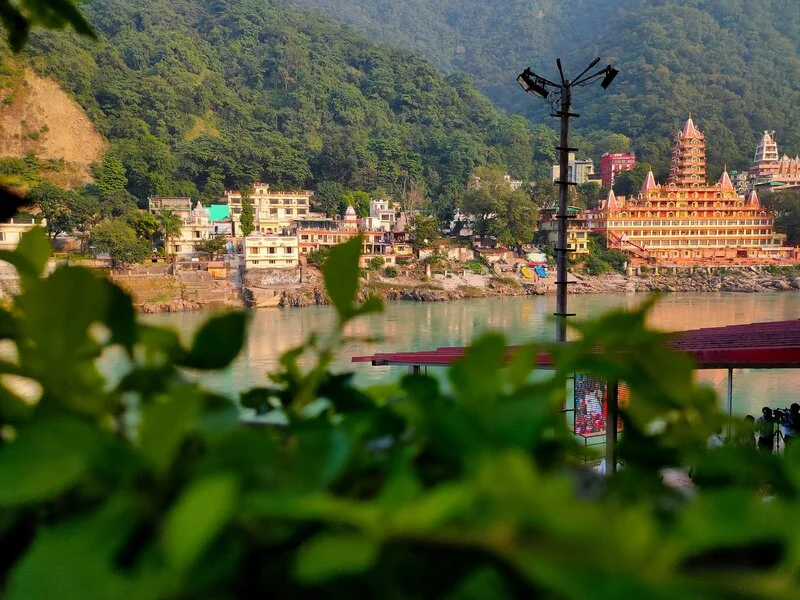
Experience the perfect blend of thrill spirituality and nature with an strong data-end data-start Adventure Tour ...
Per Person
Per Person
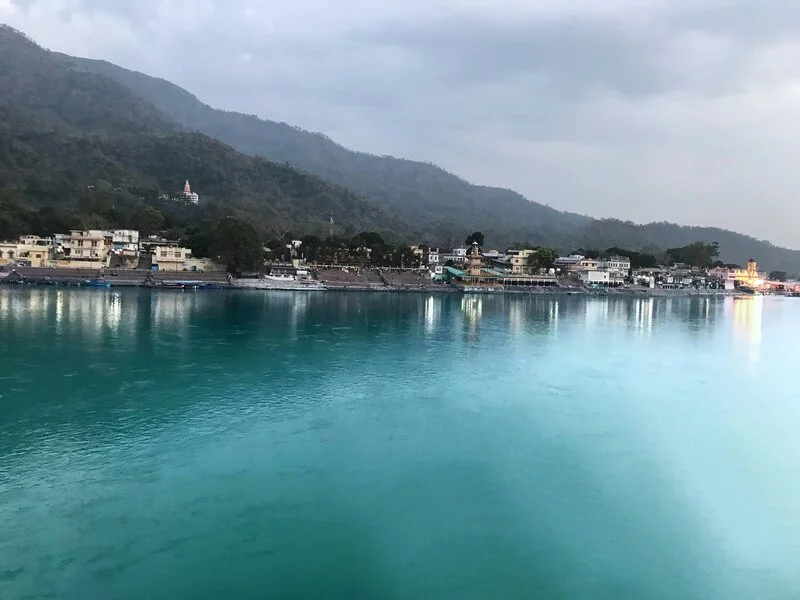
Step away from the city and immerse your family in the spiritual charm of Uttarakhand with ...
Per Person
Leave the city chaos behind and dive into a rejuvenating journey with a strong data-end data-start ...
Per Person
Showing 1 of 1 pages
You can anytime request for a pocket friendly and customized package as per your requirements.
No need to pay complete amount in one go, it can be paid in 3 installments of 30%, 30% and 40%.
Our travel support is available in your assistance at all times for a hassle free trip.
We are having the expertise of planning more 5000+ tours all around India.
One can take a dip in the Holy water of River Ganga but only on the banks and on the designated areas. It is not allowed to go deep into the water as the waves are highly unpredictable and there is a huge risk of life.
Jolly Grant Airport (DED) is the nearest airport that is located in Dehradun at a distance of 43 km from Haridwar. Haridwar and Rishikesh Railway stations are the closest railway station to Haridwar.
This is a Mela coordinated at a regular interval of 12 years in Haridwar city. Alongside Haridwar, it is likewise celebrated in Nasik, Prayagraj, and Ujjain. At the point when Samudra Manthan was held, the drops of Amrit ( Holy water of Immortality) fell on these four spots while the Son of Indra was conveying it. A great number of devotees accumulate in this festival from around the world. Individuals take a plunge in the sacred water of Ganga in Brahma Kund to limit their wrongdoings and to get Moksha. Individuals light Diya and lamps to venerate this sacred waterway. It is a tremendous social event and one of the blessed customs in the Hindu religion.
Along with Haridwar, you can also explore some of the prominent attractions of Uttarakhand such as Rishikesh, Dehradun, and Mussoorie located at a distance of 20 km, 53km, and 83 km respectively.
The best and ideal time to visit Haridwar is during winter when the climate becomes lovely that is from the period of October till February. If you need to go for profound and journey purposes, at that point you can visit in July during Kanwar or during the Diwali time in October month however in these months there is a Huge surge in Haridwar and traffic gets over-burden due to over vacationer appearance.
It is believed that Lord Vishnu and Lord Shiva visited Brahma Kund during the Vedic time frame. It is said that lord Vikramaditya built it, in memory of his sibling Bharthari who contemplated the bank of the Holy River Ganga. Each day, evening Ganga aarti is performed at this spot. Other than this numerous celebrations like Kumbh Mela, Ardh Kumbh, and Vaisakhi celebration of Sikh is praised here.
The weather in Haridwar remains blazing hot during the summer months, while during the months it remains clear and pleasant so it is advisable to visit Haridwar from October till April month.
Some of the prominent attractions that can be visited in Haridwar are Mansa Devi temple, Chandi Devi temple, Bharat Mata Mandir, Maya Devi Temple, Daksh Mahadev temple, Har-ki-Pauri, and Shri Chintamani Parswanath Jain temple. All the sightseeing in Haridwar can be completed in the period of 1 night and 2 days.
You can take a direct flight from Indira Gandhi International Airport to Dehradun. Also, you can take a train journey from New Delhi Railway Station, Old Delhi Railway Station, or Hazrat Nizamuddin Railway Station to Haridwar or Rishikesh Railway station.
Fill the form or call us on :+91-9557559891