
To More Inquiry





Auli, one of Uttarakhand’s most stunning hill destinations, is known for its snow-covered slopes, breathtaking Himalayan views, and peaceful natural surroundings. Famous as the skiing paradise of Uttarakhand, Auli attracts adventure lovers from across the country, especially during winter when the region turns into a sparkling white wonderland. The panoramic views of Nanda Devi, Mana Parvat, and other towering peaks make the landscape truly unforgettable.
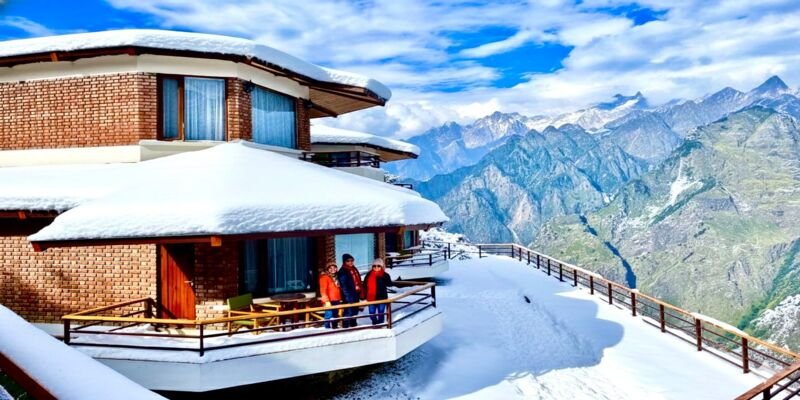
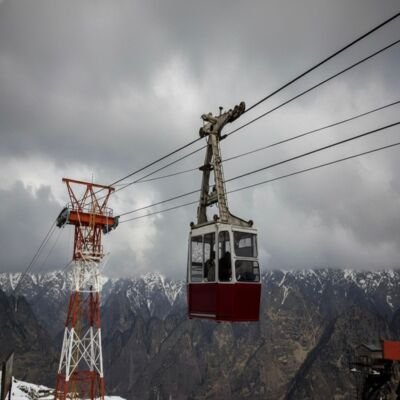
Auli is equally beautiful in summer, offering lush meadows, cool weather, and scenic trails perfect for nature walks and photography. The popular Auli Ropeway, one of the longest in India, gives travelers a thrilling ride with spectacular mountain scenery. Travelers also enjoy visiting Gurso Bugyal, Chattrakund, and nearby Joshimath for spiritual and cultural experiences.
Whether you love snow adventures or simply want a peaceful mountain escape, Auli offers a refreshing break with its clean air, calm environment, and unmatched Himalayan beauty.
Auli is one of the most striking mountain destinations of Uttarakhand, known for its snow-covered slopes, high-altitude meadows, cable car rides, and direct Himalayan views. Located in the Chamoli district near the pilgrimage town of Joshimath, Auli sits quietly on a long mountain ridge overlooking deep valleys and some of India’s highest Himalayan peaks. Unlike crowded hill stations, Auli feels open, wide, and calm, shaped more by wind, snow, and sky than by markets and traffic.
The identity of Auli is closely linked with snow and skiing, but its true character goes far beyond winter sports. It is a place of vast grassy slopes in summer, silent snowfields in winter, glowing sunsets in autumn, and cloud-wrapped mornings during the monsoon. The landscape keeps changing its mood with every season, making Auli a destination that never looks the same twice.
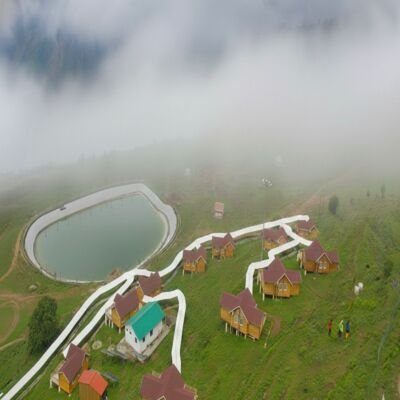
Auli is not built like a town. It is spread across a long ridge with scattered accommodation zones, ski slopes, ropeway stations, forest belts, and open meadows. There is no typical bazaar culture here. Life moves slowly, influenced by altitude, weather, and seasonal access rather than by commercial rhythm.
Auli is located in the upper Garhwal Himalayas and lies just above Joshimath, which acts as its base town. The region forms part of the greater Himalayan mountain system and remains surrounded by dense forests, steep slopes, and high ridges.
Key location features of Auli include:
Its elevated position gives Auli a commanding view of snow ranges and wide valley systems.
Auli is widely recognized as India’s premier skiing destination. The natural slope angle, consistent snowfall during winter months, and wide open ski fields make it suitable for both beginners and professional-level skiing. Unlike artificial ski parks, Auli’s skiing environment develops entirely through natural snow accumulation.
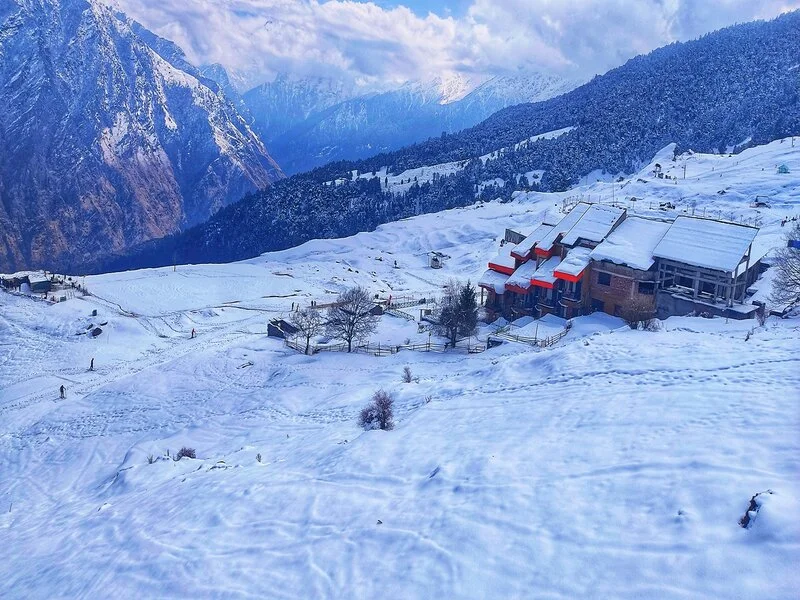
During winter, the entire landscape transforms into a white carpet. Slopes that appear as green meadows in summer become smooth snowfields. The atmosphere becomes silent, cold, and visually dramatic.
Auli’s snow identity is shaped by:
However, Auli is not limited to winter alone. Its summer and autumn beauty attracts a completely different type of traveler.
While skiing defines Auli’s global image, the destination is equally valued for its quiet mountain atmosphere, scenic walking zones, ropeway experience, and Himalayan viewing platforms. In summer, the snow melts and reveals vast alpine meadows known as bugyals. These grasslands stretch across gentle slopes with forest lines at their edges.
Clouds roll across the ridges during the monsoon, and wildflowers appear across meadows. Autumn brings clear skies and golden slopes, while spring softens the snow into mixed green-and-white textures.
Auli offers different experiences across seasons:
This seasonal transformation keeps Auli relevant throughout the year.
Auli’s strongest charm lies in its wide-open visual horizon. Unlike valley-based towns where views rise upward, Auli offers horizontal mountain views that stretch endlessly. When visibility is clear, travelers can see large Himalayan massifs directly from open slopes and walkways.
The landscape remains uncluttered by dense construction. Forest belts appear in controlled lines, and most structures remain low-built to match the mountain environment.
The visual landscape of Auli is defined by:
These visual elements create a constant feeling of altitude and openness.
The emotional experience of Auli is very different from crowded hill towns. There are no traffic jams, no busy shopping streets, and no loud nightlife. Instead, travelers experience silence broken only by wind, snowfall, distant bird sounds, and the soft movement of cable cars.
Mornings begin slowly with cold air, fog, or snow dust. Afternoons feel wide and bright. Evenings bring sudden temperature drops and golden light across snowfields or meadows. Nights remain silent and star-filled during clear weather.
The emotional rhythm of Auli includes:
Travelers often report a strong sense of inner quiet after spending time in Auli.
Auli attracts different kinds of travelers for different reasons. Unlike destinations built for only one category of tourism, Auli balances adventure, leisure, and nature retreat.
Auli is visited by:
Each group experiences Auli differently, depending on the season and travel intent.
Within Uttarakhand tourism, Auli holds a unique position. While places like Nainital, Mussoorie, and Rishikesh thrive on year-round crowds, Auli remains strongly season-driven. Its peak identity rises during winter, while summer attracts calm nature travelers.
It is also closely linked with nearby pilgrimage and trekking regions, which increases its importance as a multi-purpose mountain base.
Auli’s regional importance comes from:
Auli does not function like traditional hill stations with central marketplaces, mall roads, or dense traffic. There is no single crowded center. Instead, everything in Auli feels spread out, horizontal, and slow.
Movement happens mostly through walking paths, ropeways, short drives, and forest edges rather than busy streets.
What makes Auli different:
This makes Auli ideal for travelers who prefer calm destinations over commercial hill stations.
Auli is located in the upper Garhwal region of Chamoli district, Uttarakhand, at a high elevation in the Himalayan mountain system. It lies above the town of Joshimath and forms part of a long mountain ridge that stretches across deep valleys and forested slopes. The geography of Auli is defined by steep gradients, alpine meadows, snow-bound slopes, and dense coniferous forest belts.
The terrain shifts continuously across short distances. Wide grassy slopes known as bugyals dominate the upper ridges, while thick forests of oak, pine, fir, and deodar cover the lower mountain layers. These forests act as natural wind barriers and support diverse bird and animal life.
Auli’s ridge-based location allows it to receive direct snowfall without obstruction from surrounding peaks. Valleys drop sharply on both sides, creating wide visual depth and strong wind flow. During summer months, melting snow feeds seasonal streams that flow into river systems below.
Key geographical features of Auli include:
This physical structure shapes Auli’s identity as both a snow destination and a high-altitude nature retreat.
Historically, Auli remained a quiet high-altitude grazing ground used by local mountain communities for seasonal cattle movement. The meadows were primarily used by shepherds and farmers long before tourism reached the region. These alpine grasslands played an important role in the rural mountain economy.
The transformation of Auli began in the late twentieth century when it was identified as a potential international skiing destination due to its slope angle, snowfall consistency, and climate conditions. With support from the government and sports organizations, ski infrastructure, training facilities, and ropeway systems were gradually developed.
Over time, Auli gained national and international recognition as India’s leading ski destination. Today, it stands as a rare example of winter sports development in the Indian Himalayas while still retaining its basic mountain character and seasonal rhythm.
Historical evolution of Auli includes:
The climate of Auli is shaped entirely by its high-altitude Himalayan position. Weather conditions remain cool for most of the year, with long winters, short summers, heavy snowfall, and sudden temperature changes. Unlike low-altitude hill stations, Auli experiences true alpine weather, especially during the winter months.
Seasonal change dramatically alters the landscape. Snow dominates winter, lush greenery appears in summer, clouds wrap the slopes during monsoon, and clear skies return in autumn. Wind strength also increases with altitude, making the weather feel colder than actual temperature readings.
Key climate characteristics of Auli include:
Winter is the defining season of Auli. Snowfall begins gradually in December and intensifies through January and February. The entire ski slope, meadows, rooftops, and forest edges turn completely white. Daytime temperatures remain cold, while nights become extremely chilly.
This is the peak season for skiing, snowboarding, and snow play. Visibility often remains excellent after fresh snowfall, offering sharp views of Himalayan peaks.
Winter weather features:
Summer brings a gradual retreat of snow from lower slopes. Meadows turn green, wildflowers bloom, and forest trails become walkable. The climate remains cool and refreshing, making it ideal for travelers who prefer pleasant weather without extreme cold.
Daytime temperatures are comfortable, while mornings and evenings remain cool. This season is best for sightseeing, walking, photography, and ropeway rides without snow activity.
Summer climate features:
Monsoon introduces heavy cloud movement, rain, and mist across Auli. Slopes often disappear into thick fog, and forest belts absorb large amounts of moisture. Landslides may affect approach routes during peak rain periods.
While the landscape becomes intensely green, outdoor movement becomes limited due to slippery trails and low visibility.
Monsoon climate features:
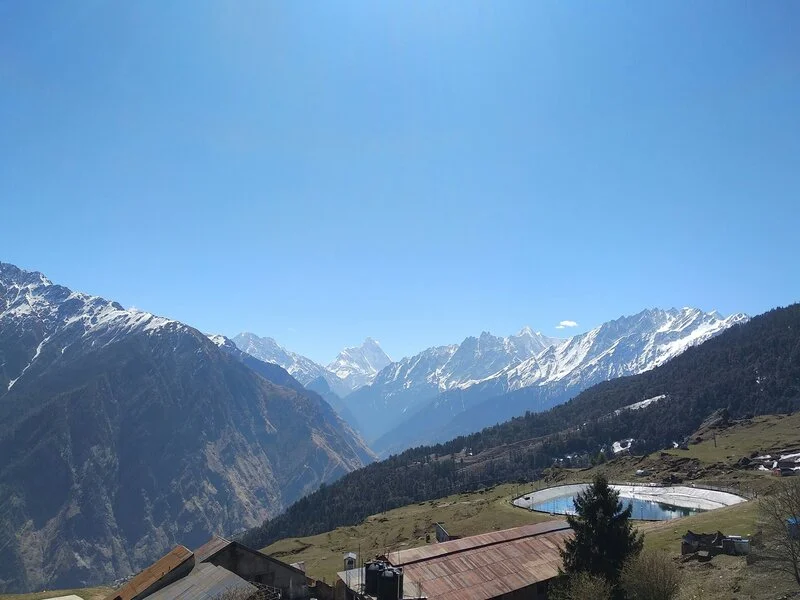
Autumn marks the clearest and most visually stable period in Auli. Skies remain blue, slopes stay dry, and Himalayan peaks appear sharp and close. This is a favorite season for photographers and calm mountain travelers.
Cold begins to return gradually by late November as winter approaches.
Autumn climate features:
The best time to visit Auli depends completely on the experience a traveler is seeking, because this destination changes its entire personality with every season. Being a high-altitude Himalayan ridge, Auli does not follow the typical year-round tourism pattern of common hill stations. Instead, snowfall, cloud movement, temperature shifts, and road accessibility decide how the destination feels and functions in every month. Snow defines winter, greenery defines summer, clouds dominate monsoon, and crystal-clear skies return in autumn. Because of this sharp seasonal transformation, travel planning for Auli must always be done with weather behavior in mind.
Auli does not offer the same visual or travel comfort throughout the year. Every season brings both opportunities and limitations. Some months are ideal for snow lovers, others for peaceful sightseeing, while a few are suitable only for travelers who value isolation over convenience.
Winter is the most dramatic and defining season of Auli. From late December onward, the landscape slowly turns white as snowfall settles across slopes, rooftops, forest edges, and walking paths. By January and February, Auli becomes a full alpine snowfield. This is the time when skiing, snowboarding, and snow walking become the primary travel purpose. Ropeway rides during this season create a moving aerial view of endless white ridges and deep valleys.
At the same time, winter also demands physical and travel preparedness. Temperatures remain extremely low, especially at night, and fresh snowfall can temporarily slow down road movement. Walking becomes difficult during heavy snow days, and outdoor exposure requires warm clothing and careful planning.
This season is best suited for:
From March to June, Auli transforms completely as snow begins to melt from the lower slopes and green meadows reappear. The bugyals turn fresh and wide, forest trails open up, and outdoor movement becomes easy and comfortable. This period offers the best balance between accessibility, visibility, and physical comfort.
Daytime temperatures remain pleasant while mornings and evenings stay cool. Ropeway rides during summer provide uninterrupted valley views and distant Himalayan visibility without snow-related weather risks. This is the most preferred time for travelers who want to explore Auli without extreme cold or travel disruptions.
This season is ideal for:
Monsoon arrives in Auli between July and September and brings heavy rainfall, dense cloud layers, fog, and slippery slopes. During this phase, the mountains often disappear into mist, and long-distance Himalayan views remain blocked for days. Walking trails become wet, and road access may face disruptions due to landslides on lower approach routes.
Although the scenery becomes deeply green and cloud-dramatic, movement remains limited. This season is suitable only for travelers who specifically enjoy mist-filled mountain environments, off-season silence, and forest freshness rather than sightseeing clarity.
Monsoon travel is suitable for:
October and November mark the most visually stable and refined phase of Auli. The monsoon clouds clear, skies turn deep blue, and Himalayan peaks appear sharp and close. Walking surfaces remain dry, ropeway views stay uninterrupted, and the cold begins to return gently without becoming harsh.
This period is highly preferred by photographers, couples, and calm nature travelers. The slopes appear golden, mornings feel crisp, and evenings carry a soft mountain chill. Tourist movement remains controlled and peaceful.
This season is best for:
Different travelers choose Auli for different reasons, and the best time varies accordingly:
Every season in Auli also carries certain natural restrictions. Winter may bring road blockages due to heavy snow. Summer can experience return-traffic pressure. Monsoon carries landslide risks and fog dominance. Autumn may suddenly shift into early snowfall by late November.
Understanding these seasonal limits helps travelers choose the correct month wisely instead of relying on random travel timing.
Reaching Auli is a gradual journey from the plains into the higher Himalayas. Because Auli is located on a high ridge above Joshimath, travel involves a combination of road, rail, air, and ropeway movement. The final ascent into Auli always happens through mountain terrain, which makes weather conditions an important factor in travel planning.
Joshimath acts as the main base town for Auli. All long-distance travel modes ultimately connect first to Joshimath, from where travelers move onward to Auli either by road or by ropeway.
Road travel is the most commonly used method to reach Auli, especially for travelers coming from within Uttarakhand and nearby northern regions. The mountain roads pass through river valleys, forested slopes, and winding Himalayan routes before reaching Joshimath.
From Joshimath, the final ascent to Auli is short but steep. In the snow season, this upper stretch may experience temporary blockage, in which case ropeway access becomes the most reliable option.
Road travel characteristics:
Road travel offers flexibility but also requires patience due to mountain terrain.
Rail travel remains a preferred option for long-distance visitors. The nearest railway stations are located in the lower plains. From the railway station, travelers continue their journey by road toward Joshimath and then onward to Auli.
The rail journey reduces the physical fatigue of long highway driving, especially for those traveling from distant cities. Once the rail route ends, the remaining journey transitions into a slow and scenic mountain drive.
Train travel advantages:
Train travel makes Auli accessible even for travelers coming from far-off regions.
Air travel is the fastest method to reach the Himalayan region nearest to Auli. After landing, travelers complete the journey by road through mountain highways. The aerial approach saves time but must always be combined with a long uphill drive.
This option is most suitable for travelers with limited time who wish to reduce total travel days.
Air travel features:
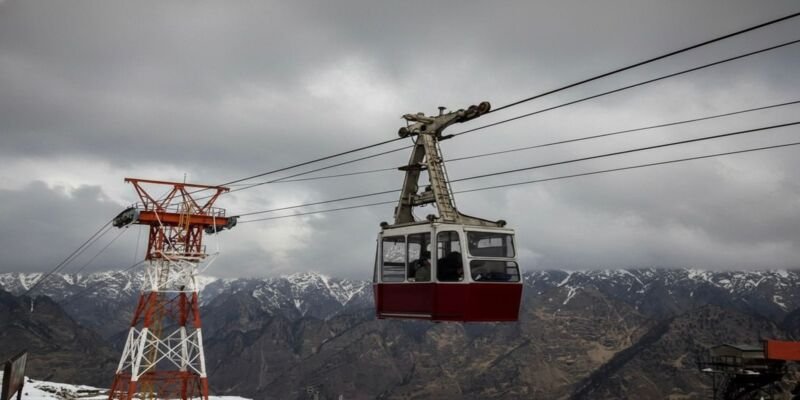
The ropeway between Joshimath and Auli is one of the most distinctive travel experiences in the region. This cable system climbs steeply from the base town to the upper slopes, offering sweeping aerial views of valleys, rivers, forests, and distant snow ranges.
During winter, when snow blocks the upper road stretch, the ropeway becomes the most reliable access route. Even in summer, many travelers prefer this route for its visual experience alone.
Ropeway access highlights:
The ropeway turns the journey into an experience rather than just transportation.
Local movement in Auli is slow and limited due to its ridge-based layout and high altitude. There are no crowded marketplaces or dense internal roads. Travel inside Auli focuses on short drives, walking paths, and ropeway movement rather than continuous vehicle use.
Taxis are used mainly for movement between Joshimath and Auli or for short travel between different slope zones and accommodation areas. Inside the core slope region, vehicle movement remains limited due to narrow roads and weather conditions.
Private vehicles are allowed, but snow chains and experienced driving become necessary in the winter months.
Taxi movement features:
Walking forms a major part of local movement in Auli. Many paths connect ski slopes, viewing points, ropeway stations, forest edges, and accommodation zones. Walking here feels slow due to altitude and cold air.
During winter, snow walking becomes physically demanding, while in summer and autumn, meadow walking feels gentle and scenic.
Walking movement benefits:
Transport in Auli changes drastically with the seasons. Unlike cities where transport remains stable year-round, Auli’s accessibility is deeply affected by snow and rain.
Travel plans must always remain flexible according to real-time weather conditions.
Arrival timing plays an important role in high-altitude destinations like Auli. Reaching late at night is generally avoided due to cold temperatures, fog, and reduced road visibility. Daytime arrival allows travelers to adjust to altitude, temperature, and terrain more comfortably.
In winter, reaching before sunset is especially important due to rapid temperature drops and possible snowfall after dusk.
Smart arrival planning includes:
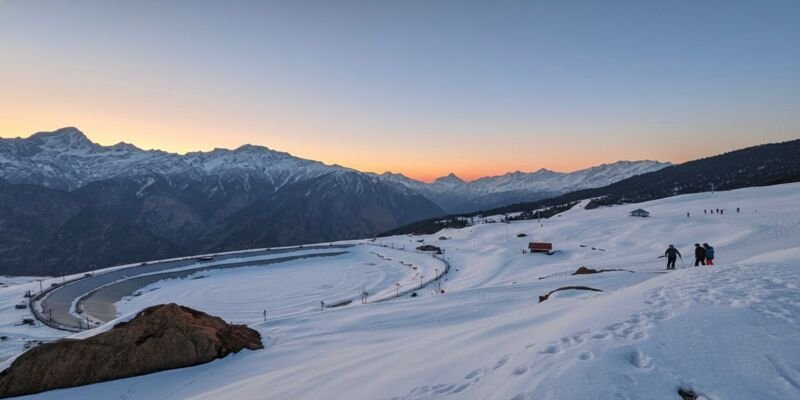
Auli offers a beautiful mix of scenic viewpoints, peaceful meadows, and adventure-friendly spots that make it one of Uttarakhand’s most charming destinations. The top attraction is the Auli Ropeway, which provides a stunning aerial view of snow-covered peaks and lush valleys. Another must-visit place is Gurso Bugyal, a wide green meadow offering panoramic Himalayan views and an easy, refreshing hike.
Close to Gurso Bugyal lies Chattrakund, a small, crystal-clear lake surrounded by quiet forests, perfect for nature lovers and photographers. The Auli Artificial Lake is another highlight, known for its calm setting and beautiful reflections during sunrise and sunset. Adventure enthusiasts often explore the nearby ski slopes, which come alive in winter with skiing and snowboarding activities.
Travelers can also visit Joshimath, a nearby spiritual hub, home to ancient temples and cable-car access to Auli. Together, these places make Auli a perfect destination for both relaxation and adventure.
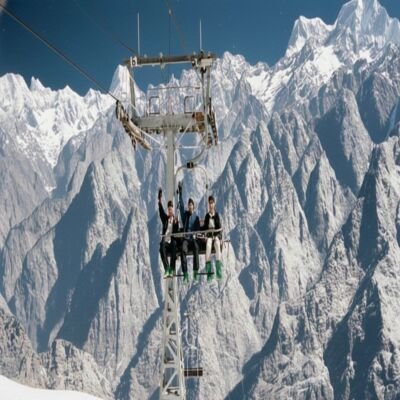
The ski slopes of Auli form the heart of its identity and remain the most iconic attraction of the region. These slopes stretch across long alpine ridges and gentle mountain gradients, making them naturally suitable for skiing without artificial shaping. During winter, thick layers of snow cover the entire slope area, transforming the landscape into a smooth white playground for snow sports.
In summer and autumn, these same slopes appear as wide green meadows with uninterrupted mountain views. Travelers walking across these slopes experience open sky, deep valley drops, and forest edges lining the horizon. The space feels vast, silent, and visually powerful.
Why Auli Ski Slopes are special:
The ropeway connecting Joshimath to Auli is one of the longest and steepest cable transport systems in the region. It lifts travelers rapidly from the base town up to the high ridge of Auli, offering an unmatched aerial view of valleys, rivers, forests, and distant snow peaks.
The ropeway ride itself becomes a major attraction rather than just a transport option. In winter, the entire view below turns white with disappearing roads and rooftops. In summer, dense green valleys spread out in wide layers below.
Why the Auli ropeway is popular:
Gorson Bugyal is a vast alpine meadow located a short distance from the main Auli slopes. In summer, this meadow opens up as a soft green carpet bordered by dark forest lines and distant snow peaks. During winter, the same meadow becomes a silent snowfield stretching toward the horizon.
Travelers usually reach this meadow through walking trails that pass through forest edges and ridge paths. The area feels completely open, wind-driven, and untouched by construction.
Why Gorson Bugyal is special:
Chattrakund is a small, crystal-clear lake hidden inside dense forest near Auli. Unlike the open slopes, this area feels enclosed, shaded, and deeply calm. The lake reflects surrounding trees and sky, creating a mirror-like surface during still weather.
A short forest trail leads to the lake, making the visit feel more exploratory than scenic. The silence here feels heavier than on open ridges.
Why Chattrakund Lake is popular:
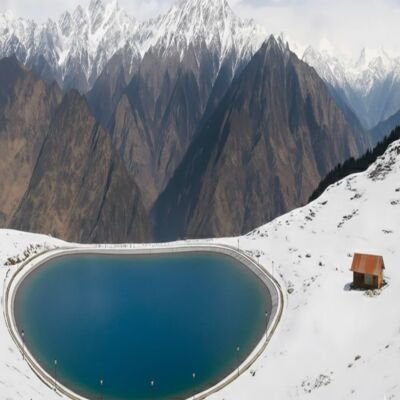
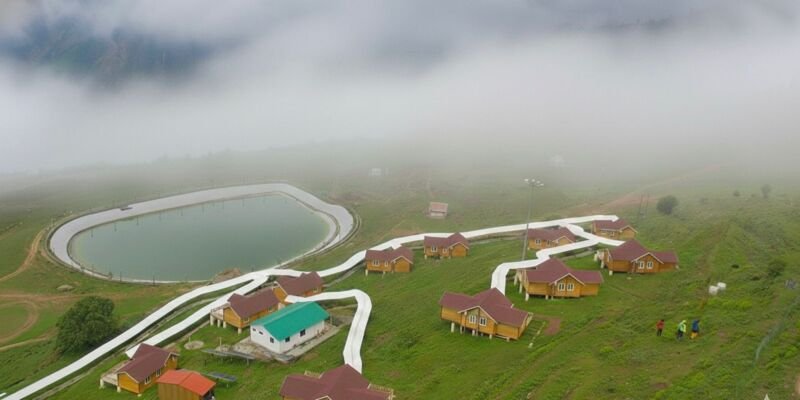
The artificial lake of Auli was created to support consistent snow conditions on the ski slopes. It plays a functional role in winter sports while also adding a visual water body to the otherwise snow-and-meadow-dominated landscape.
During winter, the lake partially freezes, blending into the snow fields. In summer, it reflects blue skies and surrounding ridges.
Why the Auli Artificial Lake is important:
This ancient temple holds strong religious importance in the region and is closely connected with the local spiritual tradition. Though located near Joshimath, it remains an essential cultural visit for travelers staying in Auli.
Unlike large pilgrimage centers, this temple maintains a calm, simple, and devotional atmosphere.
Why Narsingh Temple is important:
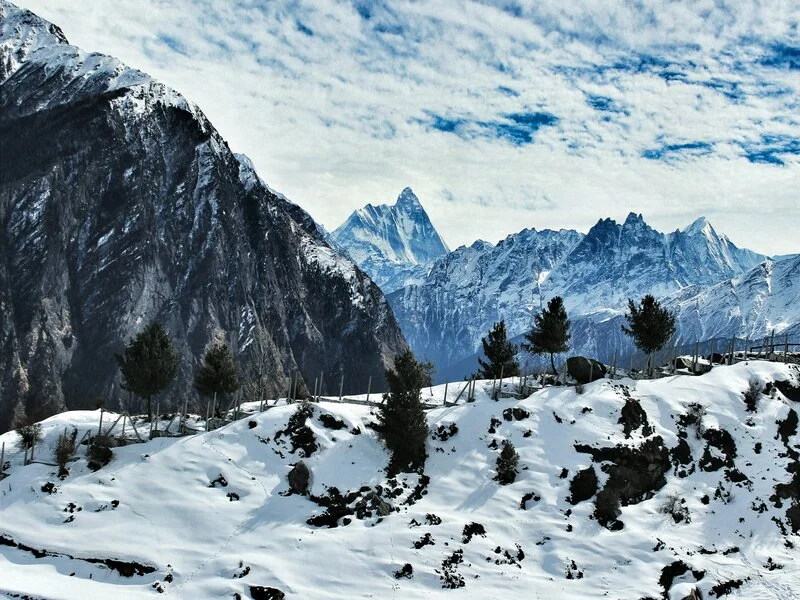
One of the strongest visual attractions of Auli is the direct view of the Nanda Devi mountain group. From open slopes and ridge walkways, travelers can observe this massive snow-covered Himalayan system glowing during sunrise and sunset.
The peaks appear especially sharp during autumn and winter clear-sky days.
Why the Nanda Devi views are special:
Joshimath acts as the base town for Auli and also holds strong religious, cultural, and travel importance. It is the main access point for road travel, ropeway services, and regional pilgrim movement.
Unlike Auli’s open silence, Joshimath feels lived-in, functional, and active. Travelers often explore this area for basic shopping, temples, and overnight transit.
Why Joshimath is important:
At the upper ropeway station and nearby ridge edges, designated viewing points allow travelers to experience uninterrupted 360-degree mountain and valley views. These viewing platforms feel exposed, wind-driven, and extremely open.
During winter, these points are surrounded entirely by snow. In summer, they open into green ridgelines with a layered mountain backdrop.
Why these top viewpoints are special:
Tali Lake is a quiet high-altitude lake located on a remote ridge beyond the main slopes of Auli. Reaching this lake involves walking through forest trails and long mountain meadows, which keeps the area untouched by heavy tourist movement. The lake rests in a natural depression surrounded by grassy slopes and distant Himalayan ridges.
The environment here feels completely isolated and wind-driven. There are no shops, crowds, or built structures nearby. The silence is broken only by the movement of grass, birds, and distant mountain winds.
Why Tali Lake is special:
The lower approach trails of the Kuari Pass trekking route begin from forest belts near Auli and move gradually toward higher snow ridges. These trails pass through dense oak and rhododendron forests, open meadows, and narrow ridge paths.
Even without completing the full trek, walking these base trails gives travelers a strong sense of mountain depth, altitude change, and forest variation. The experience feels adventurous yet controlled.
Why Kuari Pass base trails are special:
Tugasi is a small mountain village located on the lower slopes below Auli. Life here follows agricultural cycles, livestock care, and slow mountain routines. The village is surrounded by terrace farming fields, forest edges, and deep valley views.
Travelers visiting Tugasi can observe real mountain life without tourism performance. Mornings are filled with farming activity, while evenings settle into deep silence after sunset.
Why Tugasi Village is special:
Beyond the main ski slopes, several lower alpine meadows stretch quietly across gentle ridges. These meadows are used mainly for seasonal grazing and remain free from heavy tourist activity.
Wildflowers bloom here during summer, and during winter, these same spaces become silent snowfields without ski traffic. These bugyals offer uninterrupted open walking space.
Why lower bugyals are special:
Several unnamed ridges beyond the main Auli slopes offer clear snow views during winter without crowd presence. These ridges require small exploratory walks and remain free from ropeway noise and ski movement.
During sunrise and sunset, these remote edges glow softly without human disturbance. The experience here feels deeply personal and expansive.
Why remote snow ridges are special:
Dense forest zones surrounding Auli hold secret walking paths used mostly by villagers and forest workers. These trails pass through oak, fir, and pine forests where sunlight filters in broken patterns through the canopy.
Walking here feels very different from open meadow walking. The space feels enclosed, shaded, and deeply earthy.
Why forest walk zones are special:
Several ridge-top footpaths connect hidden settlements and grazing zones across the Auli region. These trails run along narrow ridges with deep valleys dropping on one or both sides.
Walking these trails creates a strong sense of altitude, wind movement, and distance. The experience feels raw and physically grounding.
Why Village Ridge Trails are special:
During winter, several depressions between ridges form natural, silent snow valleys away from active ski areas. These zones remain untouched by machinery, crowd movement, or loud activity.
The snow here remains smooth, deep, and undisturbed. The silence becomes extremely pronounced, especially during snowfall.
Why are silent snow valleys special?
Auli offers a wonderful mix of adventure, nature, and peaceful experiences that make every trip memorable. The most popular activity here is skiing, especially in winter when the slopes are covered in fresh snow and attract travelers from all over India. If you’re visiting in any season, the breathtaking Auli Ropeway is a must-do, offering panoramic views of Nanda Devi and the surrounding Himalayan peaks.
Nature lovers can explore the scenic trail to Gurso Bugyal, a beautiful meadow known for its wide-open views and calm atmosphere. A short walk further takes you to Chattrakund, a clear blue lake perfect for photography and quiet moments. The Auli Artificial Lake is another peaceful spot where visitors enjoy sunrise and sunset views.
Adventure seekers can also try trekking, camping, and short hikes around the region. Whether you want thrill or tranquillity, Auli provides a refreshing and scenic mountain experience.
Skiing is the defining activity of Auli and remains the strongest reason many travelers visit during winter. The natural slope gradient, open terrain, and consistent snowfall create ideal conditions for both beginners and experienced skiers. Unlike artificial ski parks, Auli’s skiing environment develops entirely through natural snow settlement across large open areas.
During peak winter, the slopes remain active from morning to late afternoon. Early hours offer firm snow for controlled movement, while midday brings slightly softer snow for comfortable gliding. Even for non-skiers, watching skiers descend across white slopes becomes a visual experience in itself.
Why skiing in Auli is special:
The ropeway ride between Joshimath and Auli is more than just a transport system. It is one of the most dramatic cable rides in the Indian Himalayas. As the cable car moves upward, valleys open beneath, forests stretch below, and snow ridges appear at eye level.
In winter, the view turns into a moving white landscape. In summer, deep green valleys and river lines create strong visual depth. The slow ascent allows travelers to absorb the scale of the mountains without noise or road stress.
Why the ropeway ride is special:
During winter, walking on untouched snow becomes one of the simplest yet most powerful experiences in Auli. Snow walking does not require equipment or training. Travelers move slowly across soft snowfields, leaving trails behind with each step.
Snow play includes simple activities like sliding, throwing snow, building snow shapes, and sitting quietly amid falling snow. The environment itself becomes the experience rather than any organized activity.
Why snow walking feels meaningful:
Photography in Auli is driven by light, snow texture, cloud layers, and sky clarity. During winter, the contrast between white snow and deep blue sky creates high-impact visuals. In summer, rolling green meadows, forest shadows, and wildflowers dominate the frame.
Sunrise and sunset hours offer the strongest shadow play across ridges and slopes. Photographers often focus on wide landscapes rather than tight subjects due to the openness of the terrain.
Why photography in Auli is special:
Surrounding Auli are shaded forest belts that offer a completely different walking experience compared to open slopes. Walking through oak, pine, fir, and deodar forests feels enclosed, quiet, and cool.
Bird sounds, rustling leaves, filtered sunlight, and forest fragrance define these walks. These trails remain ideal for travelers who prefer silence over open exposure.
Why forest walks are refreshing:
Sunrise and sunset become daily rituals in Auli due to its ridge-based location. Early mornings reveal snow peaks glowing pink and gold, while evenings soften the slopes with warm amber light.
Unlike crowded viewpoint culture, these moments are usually experienced in silence from open slopes, ridge edges, or ropeway platforms.
Why sunrise and sunset are special:
Short village walks near the lower slopes allow travelers to step into authentic mountain life. These walks pass through stone houses, terraced fields, grazing land, and narrow footpaths.
Life here unfolds slowly with agriculture, livestock care, and simple household routines. Travelers experience mountain culture without a formal presentation.
Why village walks feel authentic:
Temple visits around Auli are marked by simplicity rather than scale. Small hill temples, roadside shrines, and ancient village temples appear quietly along forest edges and ridge paths.
These spaces offer a spiritual pause without crowd or noise. The environment itself adds depth to the experience.
Why spiritual pause in Auli feels different:
One of the most underrated activities in Auli is doing nothing. Sitting quietly on slopes, benches, or ridge rocks allows travelers to absorb wind movement, cloud motion, bird flight, and changing light.
This slow observation becomes deeply therapeutic, especially for travelers escaping urban pressure.
Why quiet sitting becomes meaningful:
Watching snowfall in Auli is a slow, silent, and emotional experience. Snow falls gently across slopes, rooftops, forests, and walking paths, transforming the landscape in real time.
Visibility drops, sound softens, and the entire space turns muted and calm. Unlike activity-driven moments, snowfall watching becomes a pure observation experience.
Why snowfall watching feels special:
The food experience in Auli is simple, warm, and comforting—perfect for the cold mountain weather. Most eateries and cafés serve fresh, homely meals that bring a sense of coziness after a day of sightseeing or adventure. You’ll find delicious North Indian dishes, hot soups, steaming parathas, and seasonal vegetables that taste even better in the crisp mountain air. Many travelers enjoy sipping hot tea, kahwa, or coffee while admiring the snow-covered peaks.
Local restaurants and lodges also offer flavours of Garhwali cuisine, known for its earthy ingredients and traditional cooking style. Simple dishes prepared with lentils, millets, and fresh produce create a wholesome mountain-food experience. Street-style snacks like maggie, momos, and pakoras are extremely popular, especially during winter.
Food in Auli is less about luxury and more about warmth, freshness, and the charm of eating amidst stunning Himalayan scenery, making every meal feel comforting and memorable.
The local food culture around Auli is deeply influenced by the Garhwal region’s mountain lifestyle. Meals are simple, warm, and nutrition-focused, designed to support the body in cold and high-altitude conditions. Ingredients are seasonal and mostly sourced from nearby villages, forests, and terraced farms.
Garhwali cuisine does not focus on heavy spices or rich oil usage. Instead, it emphasizes slow-cooked lentils, grains, leafy vegetables, and natural flavors that suit both digestion and the cold climate.
Why Garhwali food feels special in Auli:
During winter, food in Auli becomes warmer, heavier, and more energy-rich. Cold temperatures increase the body’s need for warmth and calories. As a result, meals focus on hot grains, thick lentils, potatoes, ghee-based preparations, soups, and warm beverages.
These meals are not about luxury but about maintaining body heat and strength during long, snowy days.
Why winter meals feel comforting:
Resort dining in Auli is shaped by the climate and landscape. Most dining areas offer indoor heated spaces in winter and open valley-facing seating in summer. Meal timings often follow the natural travel rhythm—early breakfast for sightseeing, relaxed lunches, and quiet dinners.
Dining feels slow and quiet rather than social and loud. Outside noise is minimal, and most sounds come from wind, snowfall, or forest movement.
Why resort dining feels different in Auli:
Breakfast in Auli is shaped by early cold mornings and planned outdoor movement. Mornings begin with hot beverages followed by warm, energy-rich food. The combination of cold air and hot food creates a strong sensory contrast that most travelers remember clearly.
In winter, breakfast becomes heavier and warmer. In summer, it remains balanced and lighter.
Why breakfast feels important here:
Evenings in Auli slow down naturally with hot tea, coffee, and light snacks. As temperatures drop quickly after sunset, this teatime becomes both a comfort ritual and a social pause.
Travelers gather quietly in common seating areas, near fireplaces, or along sheltered balconies.
Why evening tea feels special:
Food in Auli changes naturally with the seasons. Summers bring lighter meals with fresh vegetables and fruits. Winters' focus on warm grains, root vegetables, thick soups, and ghee-based foods. Monsoon introduces hot snacks and steam-based cooking to balance humidity and cold rain.
Travelers experience how the climate directly shapes eating habits in the mountains.
Why seasonal food feels meaningful:
Most casual local eateries serving travelers are located in Joshimath rather than inside Auli itself. These small food spaces serve simple North Indian and Garhwali meals at practical prices.
These eateries focus on daily nourishment rather than presentation or luxury dining.
Why local eateries feel authentic:
Hot beverages play an essential role in Auli’s food culture. Tea, herbal drinks, soup broths, and warm milk-based beverages are consumed throughout the day in winter.
These drinks serve both physical warmth and mental comfort.
Why warm drinks matter in Auli:
In Auli, meals are not rushed. Cold weather naturally slows down eating habits. People sit longer with hot food, allowing the body to warm gradually.
There is no pressure of fast dining or crowded tables. Eating becomes part of the travel experience rather than a break between activities.
Why dining feels slow and grounding:
Shopping in Auli is minimal, practical, and climate-driven. Unlike crowded hill stations with busy bazaars, Auli does not revolve around commercial shopping streets. Most purchases here are made out of need rather than leisure, especially related to cold weather, daily essentials, and small travel utilities.
Travelers usually shop either at small roadside stalls near the slopes or in the larger market area of Joshimath. The overall shopping environment remains calm, uncrowded, and functional, matching the quiet rhythm of the mountains.
Why shopping feels different in Auli:
Due to frequent snowfall, cold winds, and sudden temperature drops, winter wear remains the most commonly purchased category in Auli. Travelers often buy gloves, woolen caps, mufflers, socks, thermals, and simple jackets for immediate use.
These products focus on warmth and usefulness rather than fashion design. Local wool products are also seen during the peak winter months.
Why winter wear shopping is essential:
Local handicrafts available near Auli are simple and rustic. These include wooden kitchen tools, handmade walking sticks, basic decorative pieces, and storage items. The craftsmanship reflects mountain practicality rather than decorative luxury.
These products are usually made by nearby village artisans using locally sourced wood and natural materials.
Why wooden handicrafts feel meaningful:
Wool products form an important part of mountain life and are commonly sold in and around Joshimath. Shawls, sweaters, blankets, and socks are produced using regional wool traditions.
These items are built for warmth and durability rather than style, making them useful even after returning from travel.
Why wool products are popular:
Joshimath hosts the main commercial market serving Auli and the surrounding villages. This market provides travelers with daily essentials, winter clothing, medicines, snacks, packaged food, and basic travel supplies.
Unlike tourist markets, the Joshimath market remains practical and community-focused. It serves local residents first and travelers second.
Why Joshimath market is important:
Small shops sell locally sourced honey, pickles, dried fruits, herbal items, and basic packaged food for travel use. These food products are bought mainly for road journeys and cold-weather snacking.
Most of these items are simple, seasonal, and prepared in small batches rather than mass commercial production.
Why local food shopping is useful:
During peak tourist seasons, small roadside stalls appear near ropeway stations, slope entry points, and walking paths. These stalls sell caps, gloves, souvenirs, snacks, walking sticks, and small decorative items.
Purchases here are usually spontaneous rather than planned.
Why roadside stalls feel special:
In Auli, shopping becomes part of slow walking rather than a separate travel activity. Travelers casually browse while walking toward viewpoints, ropeway stations, or slope areas.
There is no rushing or bargaining pressure. The experience remains relaxed and mood-based.
Why shopping feels relaxed here:
Responsible buying becomes especially important in fragile mountain environments like Auli. Travelers are encouraged to avoid heavy plastic use and prefer reusable, eco-friendly products.
Supporting local artisans and vendors helps maintain sustainable mountain livelihoods without disturbing the environmental balance.
Why responsible shopping matters:
Auli is one of Uttarakhand’s most stunning winter destinations, known for its snow-draped slopes, thrilling skiing experiences, and breathtaking Himalayan views. To help you enjoy a smooth and well-planned trip.
Auli’s winter temperatures can drop below freezing, especially from December to February, so carry proper winter clothing. Pack heavy woollens, thermals, gloves, mufflers, caps, woollen socks, and insulated jackets. Shoes with high grip or snow boots are essential for walking on icy surfaces. Even in summer, evenings are cold, so light woollens must be included.
Most travellers reach Auli via Joshimath, which is the main base town. From there, you can take the ropeway, chair lift, or drive uphill. During snowfall, roads can become slippery, so check weather updates, road conditions, and traffic guidelines before you start. Always keep some buffer time for unexpected delays.
The Auli Ropeway is one of India’s longest and most scenic ropeways. It often gets crowded during weekends and the peak winter season. Pre-booking your tickets or choosing early morning timings reduces waiting time. The ride itself is a memorable experience with panoramic views of Nanda Devi and other Himalayan peaks.
Hotels in Auli are limited and fill up fast in winter. Booking months in advance is important, especially if you want to stay near the ski slopes. If you choose to stay in Joshimath, select a hotel close to the ropeway station for convenience. Carry warm bedding or request extra blankets from your hotel during winter.
Auli is famous for skiing, but equipment and instructors may be in high demand during peak season. Book your skiing packages in advance. Wear proper ski gear, including gloves, jackets, and helmets. Beginners should choose guided lessons for safety. Follow all instructions, especially when skiing on steep or icy slopes.
If you plan to visit Gurso Bugyal, Chattrakund, or other viewpoints, carry water, snacks, a light jacket, sunglasses, sunscreen, and a cap. These areas do not have food stalls or shops, so preparation is important. The trails are easy but require good shoes and slow, steady walking.
Auli is a peaceful and less-commercialised destination. Many small shops and stalls do not accept digital payments. ATMs are available only in Joshimath, so withdraw enough cash before going uphill.
Mobile networks may fluctuate, especially during snowfall or cloudy weather. Keep a power bank, spare cables, and fully charged devices. Some hotels may experience temporary power cuts, so it’s better to be prepared.
Auli is at a high altitude, so that some travellers may experience mild headaches or breathlessness on the first day. Rest well, stay hydrated, and avoid heavy physical activity immediately upon arrival.
Auli’s beauty lies in its clean, untouched snow and peaceful atmosphere. Do not litter, respect local rules, avoid venturing into restricted zones, and maintain cleanliness around lakes, slopes, and viewpoints.
With the right planning and these practical tips, Auli becomes a smooth, comfortable, and truly unforgettable Himalayan experience for every traveler—whether you’re seeking adventure, snow, or serenity.
With this -night and -day strong Auli Chopta Rishikesh tour package strong you will have the ...
Per Person
Travel Ride rsquo s strong Auli honeymoon package strong offers romantic escapes amidst snow-capped peaks skiing ...
Per Person
Per Person
Per Person
This nbsp strong Auli Chopta Trip nbsp strong of nights and days will start from Haridwar- ...
Per Person
Per Person
Discover the snowy wonderland of Auli with our exclusive strong data-end data-start Auli Tour Package from ...
Per Person
Showing 1 of 1 pages
Several local agents have ample Skiing equipment which is rented out to the tourists to enjoy Skiing in Auli.
Various splendid destinations can be explored along with Auli such as Joshimath which is at a distance of 16km. Other than this you can also explore Badrinath and Mana which are at a distance of 60 km and 64 km.
The nearest airport to Auli is, Dehradun Jolly Grant airport, from here you have to take a taxi to reach Auli. There are many flights from Delhi airport to Dehradun. The nearest railway station to Auli is Rishikesh Railway station and from here many private taxis or buses are available to reach Auli.
Auli is probably the best spot in the world for skiing. With high inclines, a 3km height upgrades the excitement of skiing. The snow-covered mountains, snow in wide territory, and skiing in a particularly wonderful spot will be your lifetime experience. GMVB conducts a course for 7 and 14 days for skiing. GMVN and Uttarakhand the travel industry improvement board coordinated skiing celebrations to advance Auli the travel industry.
If you want to visit Auli, the best and ideal opportunity to visit is October to March and April to June as numerous exercises should be possible in these seasons like skiing celebration and title. The temperature goes under zero degrees in the long stretch of December to February and this time you can appreciate the skiing. Storm season does not merit visiting this spot.
Auli is dotted with coniferous, old oak and cedar trees that offer nature lovers a different delight. Here you can explore some magnificent destinations such as Nanda Devi National Park, Joshimath, Chattrakund Lake, Gurso Bugyal, and Artificial Lake.
Skiing and ropeway ride is the most courageous movement in Auli. It is Asia's second longest and most noteworthy trolley riding. This riding is probably the best movement in Auli for travelers. A rope ride offers the chance to see the magnificence of the scene and the strong Himalayas. One can appreciate the excellence of nature from this ropeway ride. You can likewise appreciate Camping, Sitting under the brilliant sky and getting a charge out of huge fires will fill your heart with delight.
If you need to come from Delhi, first should come to Haridwar or Rishikesh then from here you need to take a taxi, or transport to Joshimath then from that point streetcar to Auli. The trolley takes around 30 minutes and covers 22km. No immediate transport is accessible to Auli so you can take a private taxi or there are many transports to Joshimath from Haridwar.
All adventure enthusiasts can now enjoy a helicopter ride to Auli from Dehradun. You can directly avail of helicopter service and fly to Auli from Jolly Grant Airport.