

To More Inquiry

Planning a trip to the snowy slopes of Uttarakhand becomes much easier when you know exactly how to reach Auli. Located near Joshimath in the Chamoli district, Auli is famous for skiing, winter views, and peaceful mountain landscapes. Although Auli doesn’t have its own airport or railway station, it is well connected through nearby travel hubs.
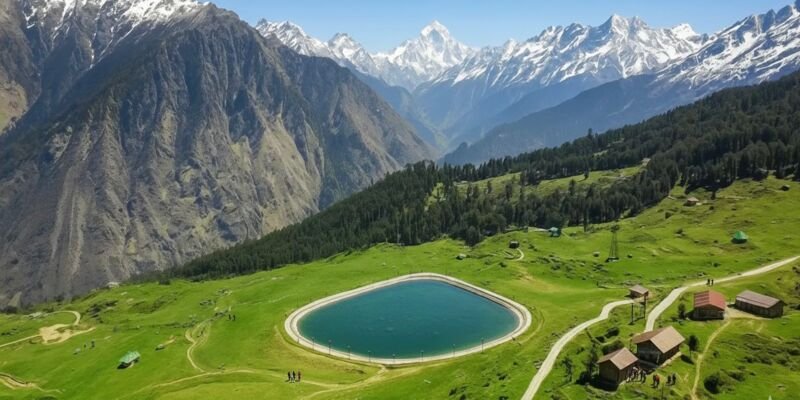
The nearest airport is Jolly Grant Airport in Dehradun, around 270 km away. From the airport, travellers can hire a taxi or take a bus to reach Joshimath, followed by a scenic cable car or road journey to Auli. For those coming by train, the closest railway station is Haridwar or Rishikesh, both offering strong connectivity from major Indian cities. From there, buses and private cabs operate regularly to Joshimath.
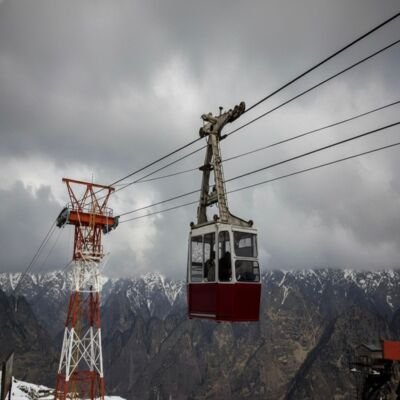
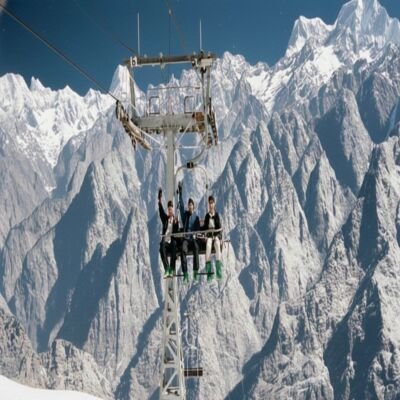
Reaching Auli by road is also a popular choice. The route passes through Rishikesh, Karnaprayag, and Chamoli, offering breathtaking mountain views throughout the drive. Most travellers prefer reaching Joshimath first, and then taking the famous Auli Ropeway, one of Asia’s longest cable cars, for a stunning ride above the snow-covered slopes.
Whether you choose air, rail, or road, the journey to Auli is filled with natural beauty and sets the perfect tone for a refreshing Himalayan adventure.
Auli is located in the Garhwal Himalayas at an altitude of around 2,800 metres, which makes it a breathtaking but slightly remote destination. Travellers searching for how to reach Auli, best routes to Auli, or the most comfortable way to travel to Auli should understand that the journey involves a combination of road travel and optional ropeway access. Since Auli does not have its own airport or railway station, reaching it requires reaching Joshimath first, which acts as the main gateway. Proper route planning helps ensure smoother travel, safer navigation and better timing during seasonal weather changes.
Auli lies in the Chamoli district of Uttarakhand, surrounded by dense forests, meadows and high Himalayan peaks. Joshimath, located about 12–14 kilometres below Auli, serves as the main transit town. Travellers searching for the nearest town to Auli or the starting point for Auli ropeway rides must begin their journey at Joshimath. All major road and public transport options connect to Joshimath, from where travellers can continue the uphill journey by road or by ropeway.
Key location facts:
Auli is around 2,800 metres above sea level
Joshimath sits at around 1,875 metres
Auli is 12–14 km uphill from Joshimath
Ropeway and road are the only ways to reach upper Auli
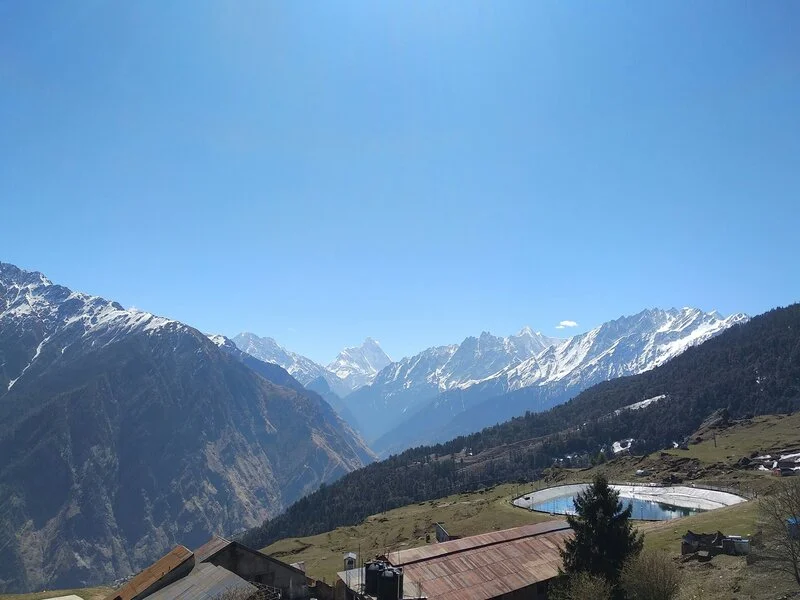
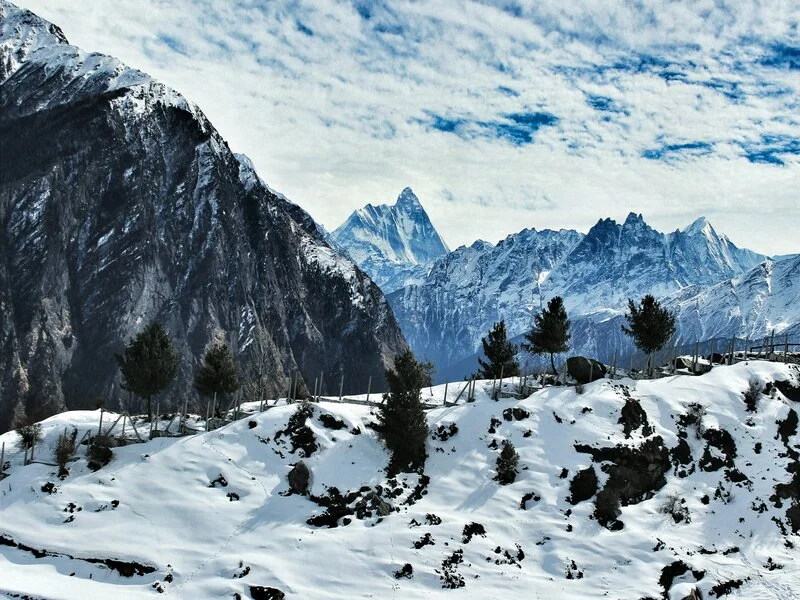
Surrounded by mountain ranges including Nanda Devi, Hathi Parvat and Kamet
Because Auli is a high-altitude destination, accessibility varies depending on the time of year. Travellers searching for how to reach Auli in winter, the safest route in snow season or best travel timing must account for seasonal differences. Winter often brings snowfall on upper roads, while monsoon can occasionally affect road conditions.
Seasonal route considerations:
Winter road access may slow due to snow
Ropeway may close during bad weather
Summer roads remain mostly stable
Autumn offers clear visibility and smooth travel
Monsoon requires caution due to occasional rain-related delays
Auli does not have its own airport or railway station, so most travellers combine air, rail or long-distance road travel with a final approach to Joshimath and then Auli. Choosing the best hub depends on where you are coming from, how much time you have, and whether you prefer speed (fly + drive), comfort (train + taxi) or a scenic road journey. Travellers searching for the best way to reach Auli, fastest route to Auli from Delhi, or how to reach Auli by train/flight should match the hub with their priorities to create a smooth onward plan.
The fastest option for long-distance travellers is to fly to the nearest airports and continue by road to Joshimath; this reduces overall travel time and is practical for short trips. Pantnagar provides the closest scheduled commercial flights, while Dehradun and Delhi offer many more daily connections. People searching for the nearest airport to Auli or best flight route to Auli commonly choose Pantnagar for proximity or Delhi for frequency.
Air route details:
Pantnagar Airport (nearest, about 270–300 km by road to Joshimath depending on route): regular flights from Delhi; after landing, hire a taxi to reach Joshimath (6–8 hours by road depending on stops).
Jolly Grant Airport, Dehradun (more frequent flights, about 8–10 hours by road): good alternative for travellers combining Dehradun sightseeing or Rishikesh.
Indira Gandhi International Airport, Delhi (major hub): best for international or long-distance domestic travellers; proceed by road or rail to Haridwar/Dehradun/Kathgodam and then onward to Joshimath.
From any airport, pre-booked taxis or private transfers to Rishikesh/Dehradun and onward to Joshimath are widely available; expect mountain driving time and stops for meals and breaks.
Rail travel offers comfort and affordability for many visitors; the nearest practical railway heads are Rishikesh and Kathgodam for onward road travel, while some travellers use Haridwar or Haldwani depending on train availability. Those searching for nearest railway station to Auli or how to reach Auli by train should plan for a scenic but longer onward drive from the station.
Rail route details:
Rishikesh Railway Station: well connected by express trains; from Rishikesh a road journey via Devprayag, Srinagar (Uttarakhand) and Rudraprayag towards Joshimath takes roughly 8–10 hours depending on road speed and stops.
Haridwar Railway Station: major junction with many trains from Delhi; onward road travel to Joshimath is similar to Rishikesh but often used for more timetable flexibility.
Kathgodam / Haldwani / Bareilly: used primarily when combining a visit to Kumaon or Nainital; onward road travel from Kathgodam to Joshimath is long (8–10+ hours) and not the most direct for Auli — choose only if your itinerary includes those regions.
From any station, book a private taxi, shared cab or a pre-arranged resort transfer to reach Joshimath; overnight journeys are common and advisable to break the long drive.
For many travellers, the road journey is part of the Auli experience: scenic plains, foothill towns and progressively narrowing mountain roads leading to Joshimath. Road travel offers flexibility and the ability to stop at key viewpoints, temples and towns (Rishikesh, Devprayag, Karnaprayag, Chamoli). Travellers searching for best road route to Auli from Delhi, can I drive to Auli, or bus to Auli/Joshimath should review the common routes and safety tips below.
Main road options and practical advice:
Delhi → Rishikesh → Devprayag → Srinagar (UK) → Rudraprayag → Karnaprayag → Chamoli → Joshimath: the most common scenic route used by private cars and buses. Expect 10–12 hours to reach Joshimath from Rishikesh with stops; road conditions improve on main stretches but mountain driving requires caution.
Delhi → Haldwani/Kathgodam → Almora → Ranikhet → Karnaprayag → Joshimath: a longer, more scenic route preferred by travellers combining Kumaon visits; allow extra travel time.
Public buses and Volvo services: regular buses run to Rishikesh and some to Srinagar/Rudraprayag; limited state-run and private buses operate to Chamoli and Joshimath—book in advance in peak season. Shared cabs and taxis are common from major towns to Joshimath.
Self-drive tips: avoid night driving in the mountains, keep fuel topped up before uphill stretches, carry a basic first-aid kit, and allow buffer time for weather or slow-moving vehicles.
Final leg to Auli (Joshimath → Auli): either a steep road drive (12–14 km uphill) or the Auli–Joshimath ropeway (cabin ride approx. 20–25 minutes). Many travellers prefer to stay in Joshimath and take the ropeway in the morning for calm weather and best visibility.
The final approach from Joshimath to Auli can be done in two clear ways: the aerial ropeway (cable car) or the uphill road drive. The ropeway is the fastest, most scenic and most commonly used option, while the road gives you flexibility, luggage convenience and a chance to stop en route. Which one is best depends on the season, weather and your comfort with mountain driving — and on whether ropeway services are running on the day you travel.
The ropeway spans roughly 4.1 km and takes about 20–25 minutes each way, offering uninterrupted aerial views of the Garhwal Himalayas and the Auli slopes. It is operated by the regional/state tourism authority and runs during normal tourist seasons; typical operating hours reported by several local guides and travel sites are roughly 8–9 a.m. to late afternoon (often around 5 p.m.), though exact hours vary with weather. Each cabin holds about 20–25 passengers and cabins run continuously while the ropeway is open. The usual round-trip fare seen across current travel sources is about ?1,000 per person (round trip); separate chair-lift charges for short slope transfers are reported around ?300–?500 depending on operator and season. Booking online via official GMVN/authorized portals or buying on-site (when available) are both common; during peak winter expect queues and sold-out cabins, so book in advance where possible.
Practical ropeway notes:
Duration: ~20–25 minutes (one way).
Typical capacity: ~20–25 passengers per cabin.
Typical round-trip fare: ~?1,000 per person (subject to change).
Normal reported hours: around 08:00–17:00 (check same-day schedule).
Best practice: arrive early, book online if possible, allow extra time for queues in peak winter.
The road from Joshimath to Auli is a steep mountain stretch of roughly 11–14 km depending on the exact start/end points; typical driving time in good weather is about 30–45 minutes. The road gives you luggage freedom (many ropeway cabins limit luggage) and is the fallback when the ropeway is not operating. In winter the road can be affected by snow, slush or occasional closures; during monsoon there may be landslide-related slowdowns. Use a high-clearance vehicle (SUV/4x4) for comfort, hire experienced local drivers for safety, and avoid driving at night.
Road practicalities:
Distance: ~11–14 km (Joshimath → Auli by road).
Typical drive time: 30–45 minutes in normal conditions; allow extra time in winter/monsoon.
Vehicle suggestions: high-clearance SUVs or local 4×4 taxis for winter/snow conditions.
Luggage and accessibility: road is best for heavy luggage, elderly travellers and when ropeway capacity is constrained.
Prices and operating schedules are maintained by the ropeway operator (GMVN or authorised concessionaire) and can vary by season, maintenance windows and local decisions. Most current travel guides report a round-trip ropeway fare around ?1,000 per person and chair-lift fares in the ?300–?500 range — but these are approximations from travel sites and traveller reports, so check the official booking page or your resort/agent the day before travel. During peak winter (ski season) and public holidays, cabins sell out quickly; you should reserve slots in advance if possible. If the ropeway is closed for maintenance or safety (weather or local restrictions), the road remains the only option.
Winter (December–February): ropeway is often the preferred route because roads can be snowbound or slippery; however ropeway might also close during storms — check status. If you must travel by road in winter, prefer a driver experienced with snowy mountain roads and confirm vehicle winter readiness.
Spring (March–April) and Autumn (October–November): excellent visibility and both ropeway and road usually operate smoothly; these are the best windows for clear aerial views and comfortable drives.
Summer (May–June): good for road travel, meadows are green and ropeway runs — ideal for family trips.
Monsoon (July–September): ropeway may run but heavy rains can cause temporary closures and road disruptions; many travellers avoid Auli during peak monsoon for safety and access reasons.
Joshimath and surrounding zones have experienced ground-stability issues in recent years; some government projects and constructions have been paused or adjusted, and local conditions can affect roads and infrastructure. It is prudent to check recent local advisories (district administration, GMVN updates or your hotel) before travel. If there are temporary closures or special instructions, follow local authorities’ guidance — your operator or resort will normally inform you of any changes to ropeway/road access.
Reaching Auli becomes far easier when travellers understand the terrain, weather behaviour, ropeway timings and how road conditions change throughout the year. This section brings together practical advice, safety guidelines and useful planning tips for those searching for how to reach Auli safely, best time to travel to Auli by road, ropeway travel guidance, and smooth travel experiences to Joshimath and Auli. With the right preparation, the journey to Auli can be both comfortable and memorable.
High-altitude travel requires better planning than most hill stations. These tips help travellers manage comfort, timing and accessibility during their journey.
Useful general tips:
Always check the weather forecast before leaving Rishikesh or Haridwar
Begin your journey early to avoid late-evening driving in the mountains
Wear comfortable layered clothing (mountain weather changes suddenly)
Keep essential medicines, dry snacks and water easily accessible
Avoid long breaks in narrow mountain sections with steep curves
Maintain phone battery and carry a power bank for long travel days
Winter is the most beautiful but also the trickiest season to access Auli, especially if snowfall is active around Joshimath or the upper road. Travellers searching for how to reach Auli in winter should follow these guidelines.
Winter advice:
Prefer the ropeway when it is operational, as the road may be slippery
If travelling by road, choose a 4×4 or high-clearance SUV
Hire experienced local drivers familiar with snow conditions
Keep warm clothing, gloves, caps and snow shoes readily accessible
Keep buffer time as traffic moves slow during snowfall
Confirm ropeway status early in the morning with GMVN or your hotel
These seasons offer the easiest access to Auli with stable weather and clear visibility. Travellers searching for best seasons for a smooth journey to Auli will find these months ideal.
Summer & Autumn advice:
Roads remain mostly stable and safe
Ropeway runs smoothly with excellent visibility
Perfect time for family trips and comfortable travel
No need for heavy winter gear, but light woollens are advisable
Ideal season to drive self-car if you enjoy road journeys
Expect moderate traffic around holidays; start early from Rishikesh/Haridwar
Monsoon brings lush beauty but also road challenges due to rain-related disruptions. Travellers curious about whether Auli is accessible in monsoon should consider caution.
Monsoon advice:
Landslides or blockages may cause delays
Ropeway may temporarily halt in bad weather
Choose experienced mountain drivers
Keep updated on road conditions from district or local travel advisories
Avoid late-evening or night travel during rains
Carry rain protection for yourself and your luggage
These sample routes help travellers understand how long it takes and what the ideal plan looks like.
From Delhi → Auli (Most Common Route)
Delhi → Rishikesh (5–6 hours by road)
Rishikesh → Rudraprayag → Karnaprayag → Chamoli → Joshimath (8–10 hours)
Joshimath → Auli by road or ropeway (30 minutes by road / 20–25 minutes by cable car)
From Dehradun Airport → Auli
Jolly Grant Airport → Rishikesh (45–60 minutes)
Rishikesh → Joshimath (8–10 hours)
Joshimath → Auli (road or ropeway)
From Haridwar Railway Station → Auli
Haridwar → Rishikesh → Karnaprayag → Joshimath (9–10 hours)
Joshimath → Auli
From Kathgodam → Auli (if coming via Kumaon)
Kathgodam → Ranikhet → Karnaprayag → Chamoli → Joshimath (9–11 hours)
Joshimath → Auli
Make sure you have:
Pre-booked accommodation in Auli or Joshimath
Ropeway timing and status confirmation (in winter)
A fully charged phone + power bank
Sufficient cash (ATMs are limited in upper areas)
Warm clothing depending on season
Snacks, drinking water and basic medicines
A travel buffer of 1–2 hours for unexpected delays
Although Auli sits at a high altitude and does not have direct air or rail connectivity, it is easily accessible when travellers plan their routes well. By reaching Joshimath first and then choosing between the ropeway or the road depending on the weather, visitors can enjoy a smooth and scenic journey. Whether you come by flight, train or self-drive, the final stretch to Auli rewards you with grand Himalayan views and a memorable mountain experience.
With this -night and -day strong Auli Chopta Rishikesh tour package strong you will have the ...
Per Person
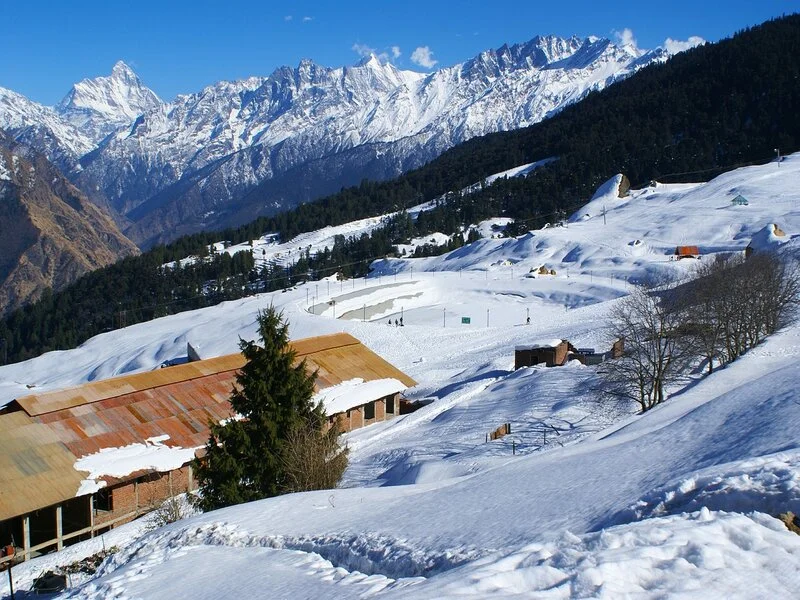
Travel Ride rsquo s strong Auli honeymoon package strong offers romantic escapes amidst snow-capped peaks skiing ...
Per Person
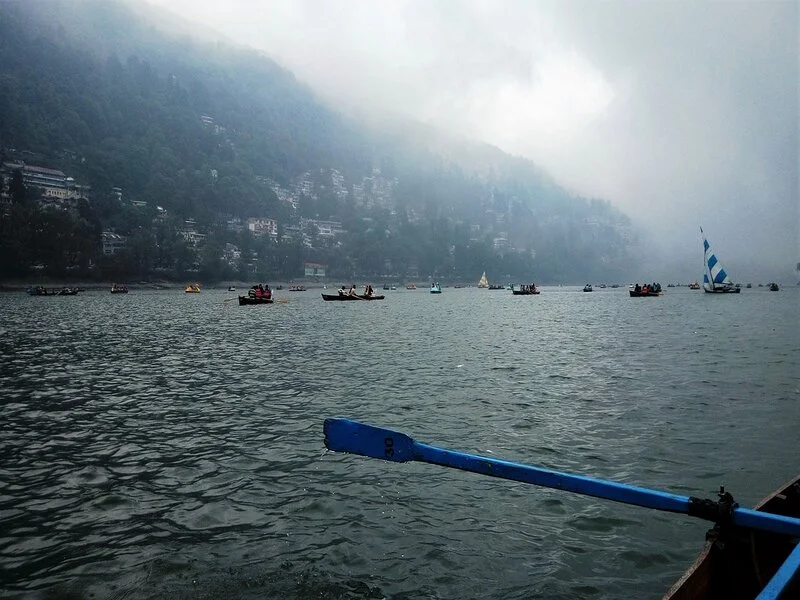
Per Person
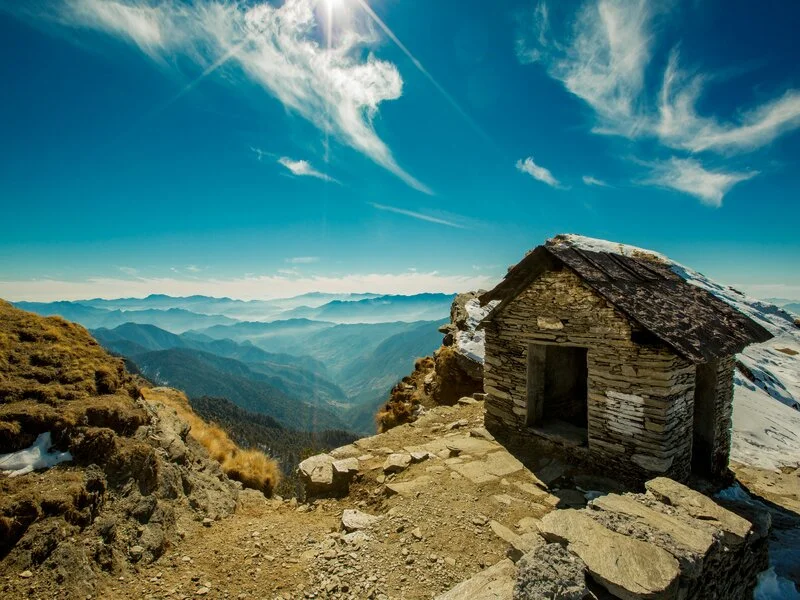
Per Person
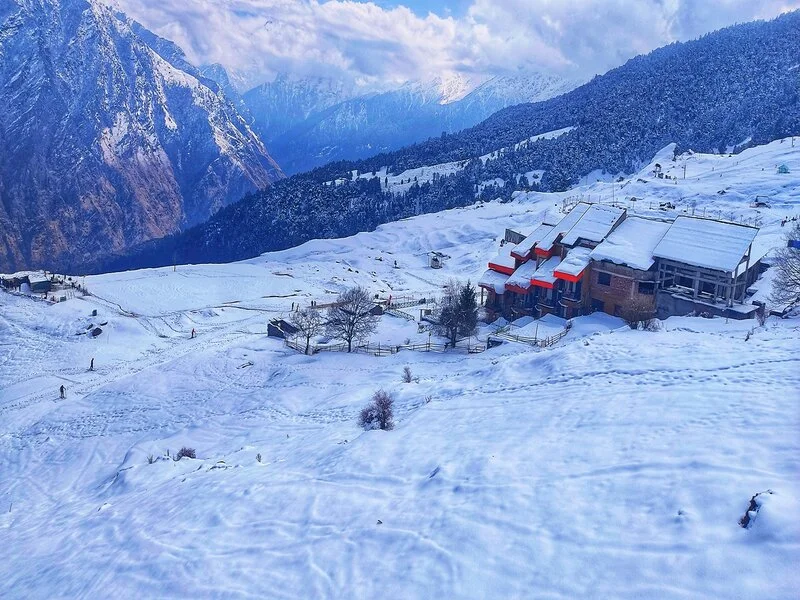
This nbsp strong Auli Chopta Trip nbsp strong of nights and days will start from Haridwar- ...
Per Person
Per Person
Discover the snowy wonderland of Auli with our exclusive strong data-end data-start Auli Tour Package from ...
Per Person
Showing 1 of 1 pages
You can anytime request for a pocket friendly and customized package as per your requirements.
No need to pay complete amount in one go, it can be paid in 3 installments of 30%, 30% and 40%.
Our travel support is available in your assistance at all times for a hassle free trip.
We are having the expertise of planning more 5000+ tours all around India.
Several local agents have ample Skiing equipment which is rented out to the tourists to enjoy Skiing in Auli.
Various splendid destinations can be explored along with Auli such as Joshimath which is at a distance of 16km. Other than this you can also explore Badrinath and Mana which are at a distance of 60 km and 64 km.
The nearest airport to Auli is, Dehradun Jolly Grant airport, from here you have to take a taxi to reach Auli. There are many flights from Delhi airport to Dehradun. The nearest railway station to Auli is Rishikesh Railway station and from here many private taxis or buses are available to reach Auli.
Auli is probably the best spot in the world for skiing. With high inclines, a 3km height upgrades the excitement of skiing. The snow-covered mountains, snow in wide territory, and skiing in a particularly wonderful spot will be your lifetime experience. GMVB conducts a course for 7 and 14 days for skiing. GMVN and Uttarakhand the travel industry improvement board coordinated skiing celebrations to advance Auli the travel industry.
If you want to visit Auli, the best and ideal opportunity to visit is October to March and April to June as numerous exercises should be possible in these seasons like skiing celebration and title. The temperature goes under zero degrees in the long stretch of December to February and this time you can appreciate the skiing. Storm season does not merit visiting this spot.
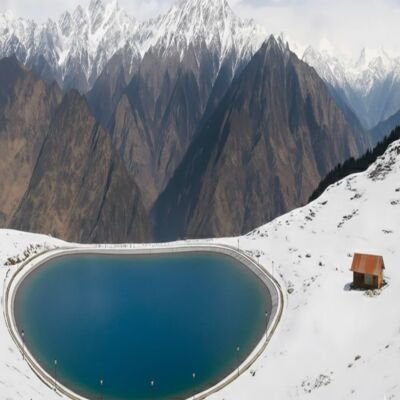
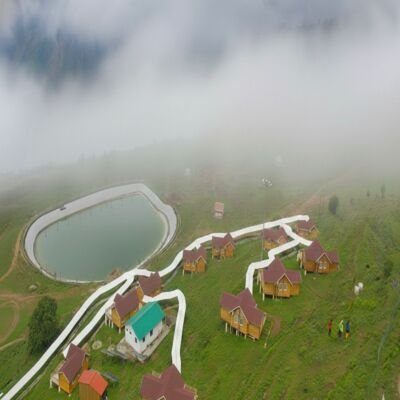
Auli is dotted with coniferous, old oak and cedar trees that offer nature lovers a different delight. Here you can explore some magnificent destinations such as Nanda Devi National Park, Joshimath, Chattrakund Lake, Gurso Bugyal, and Artificial Lake.
Skiing and ropeway ride is the most courageous movement in Auli. It is Asia's second longest and most noteworthy trolley riding. This riding is probably the best movement in Auli for travelers. A rope ride offers the chance to see the magnificence of the scene and the strong Himalayas. One can appreciate the excellence of nature from this ropeway ride. You can likewise appreciate Camping, Sitting under the brilliant sky and getting a charge out of huge fires will fill your heart with delight.
If you need to come from Delhi, first should come to Haridwar or Rishikesh then from here you need to take a taxi, or transport to Joshimath then from that point streetcar to Auli. The trolley takes around 30 minutes and covers 22km. No immediate transport is accessible to Auli so you can take a private taxi or there are many transports to Joshimath from Haridwar.
All adventure enthusiasts can now enjoy a helicopter ride to Auli from Dehradun. You can directly avail of helicopter service and fly to Auli from Jolly Grant Airport.

Fill the form or call us on :+91-9557559891