
To More Inquiry





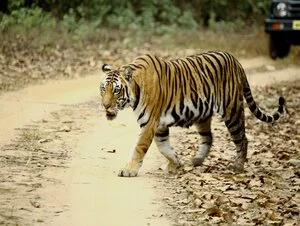
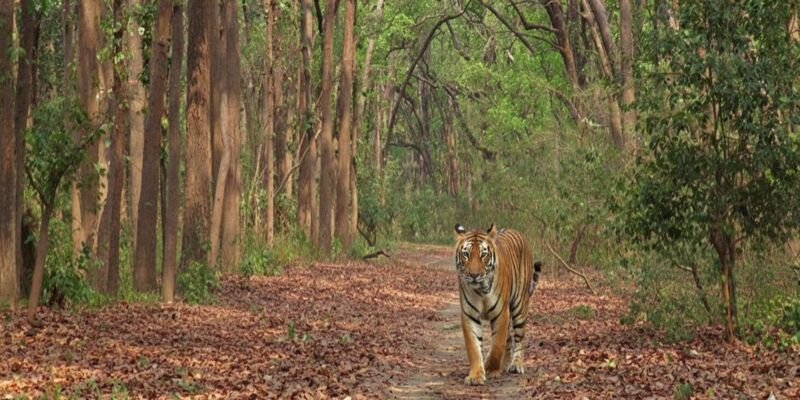
Jim Corbett National Park, located in Uttarakhand, is India’s oldest and one of the most famous wildlife destinations. Known for its rich biodiversity, dense forests, and the majestic Royal Bengal Tiger, Corbett offers a perfect escape for nature lovers and adventure seekers. Spread across rivers, grasslands, and lush Sal forests, the park provides a peaceful yet thrilling environment for visitors.
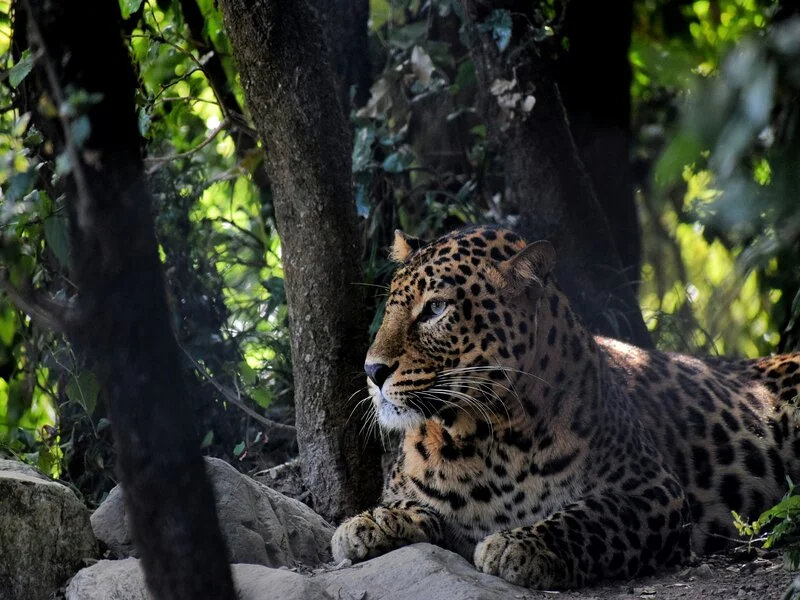
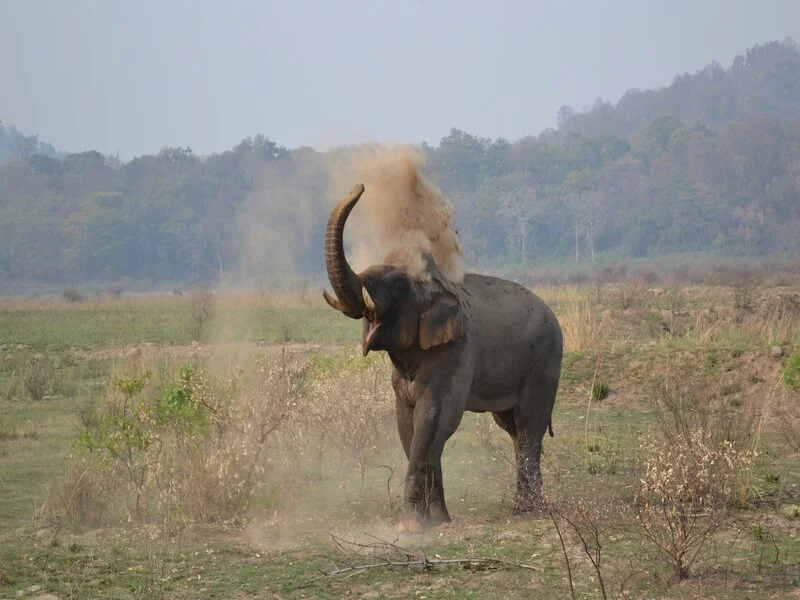
The main attraction of Jim Corbett is its exciting jungle safari, where travelers can spot elephants, deer, leopards, and a wide variety of birds. Popular zones like Dhikala, Bijrani, Jhirna, and Dhela each offer unique landscapes and wildlife experiences. Apart from safaris, the region also features beautiful spots like Garjiya Devi Temple, Corbett Waterfall, and the serene Kosi River.
With its untouched natural beauty, diverse wildlife, and refreshing atmosphere, Jim Corbett National Park remains one of the best places in India for wildlife tourism and peaceful nature experiences.
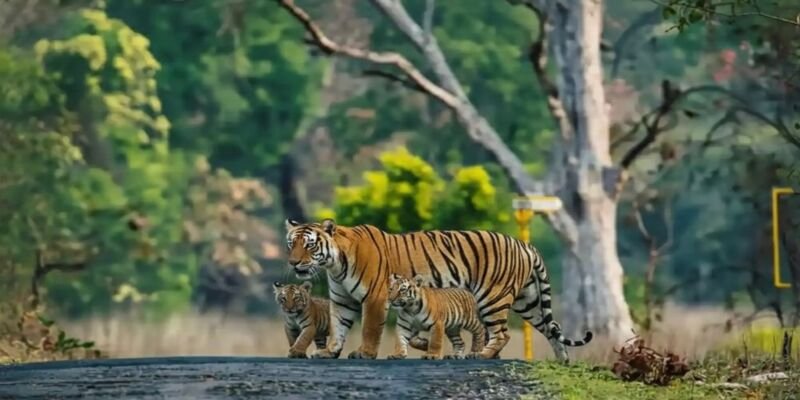
Jim Corbett is one of the most significant wildlife destinations in India and holds a unique place in the country’s conservation history. Located in the foothills of the Kumaon Himalayas in Uttarakhand, this vast forest landscape is known for its dense sal forests, river systems, grasslands, and rich wildlife population. It is not only a tourism destination but also a protected ecological zone that supports one of India’s strongest natural ecosystems.
Unlike hill stations or pilgrimage towns, Jim Corbett offers a completely nature-driven travel experience. The environment here is shaped by forests, rivers, wildlife movement, and seasonal changes. The rhythm of travel is slow, silent, and observation-based rather than activity-heavy.
Jim Corbett is situated at the edge of the Himalayan foothills, where plains gradually rise into forested mountain terrain. This transition zone creates diverse vegetation and supports a wide range of animal species.
Key location features include:
This geographical positioning makes Jim Corbett rich in biodiversity and ecological balance.
Jim Corbett holds national importance as India’s first national park. It marked the beginning of structured wildlife protection in the country. What was once a heavily hunted forest region later became the foundation of India’s conservation movement.
Over the years, it evolved into a protected tiger reserve and became a model for other national parks across the country.
Its national importance is based on:
The forest structure of Jim Corbett is highly diverse. It is not a uniform jungle but a combination of riverine belts, dense sal forests, grasslands, and hill slopes. This variation allows different species to thrive in different zones.
Major forest elements include:
This layered terrain makes every safari visually and ecologically different.
Jim Corbett is most famous for its tiger population, but the forest supports a much wider wildlife system. Herbivores, predators, birds, reptiles, and aquatic species together maintain the forest balance.
Wildlife identity is based on:
Animal movement here is completely natural and not restricted to display zones.
Rivers form the lifeline of Jim Corbett. They provide water, support vegetation growth, attract wildlife, and shape the surrounding terrain. Most animal movement increases near riverbeds, especially during dry seasons.
River systems influence:
A visit to Jim Corbett is defined by silence, patience, and nature observation. Unlike city travel, the experience here is slow and deeply meditative. Mornings begin early, afternoons remain quiet, and evenings slow down naturally as daylight fades behind the forest.
The emotional travel atmosphere includes:
Travelers often realize that the forest itself becomes the main experience.
Jim Corbett attracts not only tourists but also wildlife researchers, photographers, conservationists, and bird experts. The forest acts as a living laboratory for studying predator behavior, forest ecology, and river-based ecosystems.
It is important for:
Jim Corbett is not built around markets, temples, or hill viewpoints. Its identity is built around untouched nature and living wildlife. Every visitor experience depends entirely on natural movement rather than fixed attractions.
What makes Jim Corbett unique:
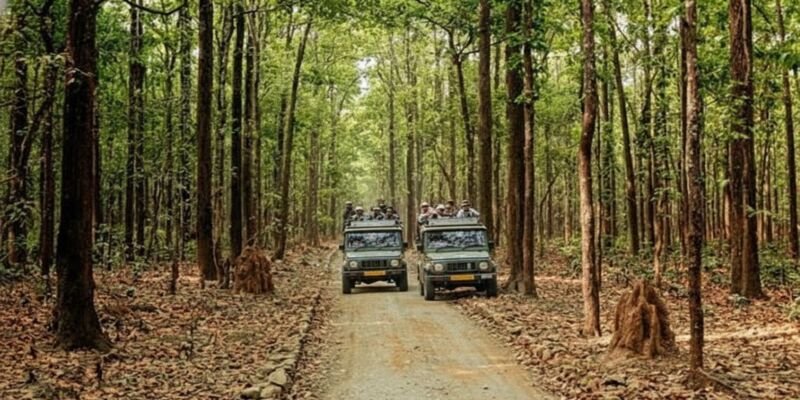
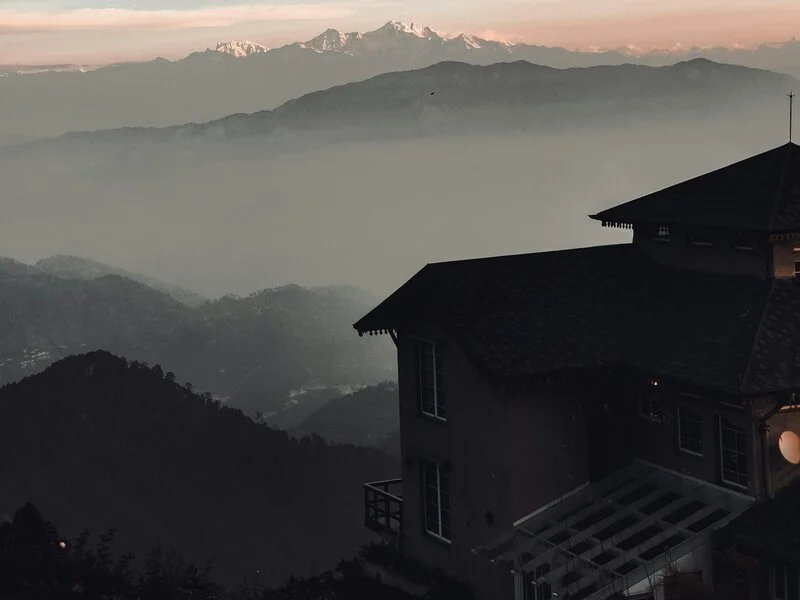
Jim Corbett National Park is located in the foothills of the Kumaon Himalayas in Uttarakhand, where the flat plains of northern India gradually rise into forested hills and river valleys. This transitional geography is the primary reason behind Corbett’s rich biodiversity. The terrain is not uniform and keeps changing across zones, ranging from wide riverbeds and open grasslands to dense sal forests, ridges, and low hill slopes.
Two major river systems, the Ramganga and the Kosi, shape the physical structure of the region. These rivers create fertile floodplains, seasonal streams, marshy belts, and permanent water pools. The riverine belts attract a high concentration of wildlife, especially during dry months when animals depend heavily on water sources.
The forest cover is dominated by sal trees, along with mixed deciduous vegetation, bamboo groves, shrubs, and tall grasses. Some parts of the park remain thick and shadowed, while others appear open and sunlit with tall grasslands.
Key geographical elements include:
Himalayan foothill terrain
Riverine floodplains and forest belts
Dense sal-dominated forests
Open grasslands for grazing species
Forested ridges and low hill slopes
This varied physical structure allows multiple species to thrive within a single protected ecosystem.
The history of Jim Corbett is closely connected with the early phase of wildlife conservation in India. During the British period, this forest region was extensively used for controlled hunting, timber extraction, and forest management. Continuous hunting pressure on wildlife led to a growing realization that the area needed structured protection.
In 1936, the forest was declared Hailey National Park, making it India’s first national park. Later, it was renamed Jim Corbett National Park in memory of Jim Corbett, a legendary hunter who later became a strong supporter of wildlife conservation. His efforts in tracking dangerous animals and his later advocacy for forest protection played a major role in shaping Corbett’s identity.
After independence, the park became central to India’s wildlife conservation movement. In 1973, Corbett was brought under Project Tiger, turning it into one of the most important tiger reserves in the country.
Historical importance includes:
India’s first national park status
Foundation of tiger conservation in India
Shift from hunting ground to protected forest
Global recognition as a conservation landmark
Jim Corbett is well connected by road and rail due to its location in the foothills of the Kumaon Himalayas. The nearest town serving as the main entry point is Ramnagar, which acts as the primary transport hub for travelers entering the forest region. From Ramnagar, all forest zones, safari gates, and surrounding resort areas can be accessed by short road journeys.
Although the park is located inside a forest belt, access remains relatively smooth throughout most of the year except during heavy monsoon rains when certain routes may experience temporary disruptions.
Road travel is the most flexible and commonly used method to reach Jim Corbett. The highways connecting the region pass through plains, river valleys, and forested foothills, making the final stretch of the journey scenic and gradual.
The approach road to Ramnagar remains drive-friendly for most vehicles. As travelers near the forest boundary, traffic density decreases and greenery increases rapidly.
Road travel highlights:
Road travel is preferred by families and group travelers due to comfort and route flexibility.
Rail travel is one of the most reliable ways to reach Jim Corbett. Ramnagar has a railway station that connects directly with several major cities. This makes train travel especially suitable for long-distance travelers.
After reaching the railway station, travelers continue their journey by taxi or local transport to nearby forest zones and resort areas. The transition from railway town to forest belt happens quickly once road travel begins.
Train travel advantages include:
Train connectivity makes Corbett easily accessible even for travelers coming from distant regions.
The nearest airport to Jim Corbett is located in the plains. From the airport, travelers continue by road to Ramnagar and then into the forest region. Air travel suits travelers with limited travel time or those arriving from far-off cities.
After landing, the road journey gradually transitions from open plains into forested foothill routes.
Air travel features include:
Air connectivity supports fast access but always requires road continuation.
Jim Corbett is divided into multiple forest zones, and each zone has a designated entry gate. Entry into these zones is controlled and based on regulated movement rules for wildlife protection.
Each gate connects to a specific safari zone, and travelers must enter through the permitted gate only. Internal movement between zones is not allowed directly through forest routes.
Entry system characteristics:
This gate-based entry system ensures wildlife safety and controlled tourism flow.
Movement within the Corbett region is primarily done using taxis, safari vehicles, and resort-arranged transport. Public transport inside forest zones is not allowed due to wildlife safety rules.
Taxis are the most common form of transport for moving between Ramnagar, forest gates, resorts, and nearby attractions. Private vehicles are allowed only up to designated gate areas, not inside core safari zones.
Taxi travel advantages:
Only authorized safari vehicles are allowed inside the core forest zones. These vehicles operate under strict forest department rules and follow fixed safari routes and time slots.
Safari vehicle features include:
These vehicles are designed specifically for wildlife movement and observation.
Walking is limited mostly to resort areas, village zones, and riverbank spaces outside core forest regions. Inside safari zones, walking is not allowed for safety reasons.
Walking movement is suitable for:
Transport conditions in Jim Corbett change with seasons due to weather and forest regulations.
The core area of Jim Corbett represents the most strictly protected and ecologically sensitive part of the entire reserve. This is where the natural forest cycles operate with minimal human interference. The landscape here includes dense sal forests, tall riverine grasslands, narrow forest corridors, and deep shade zones that remain untouched for most of the year.
Wildlife movement inside the core area follows ancient forest paths shaped by rivers, prey migration routes, and seasonal water availability. The silence here feels intense and complete, broken only by bird calls, rustling leaves, and distant animal movement. This zone offers the most authentic experience of untouched wilderness.
Why the Core Area is important:
Jim Corbett National Park is divided into several safari zones, each offering a unique wildlife and landscape experience. The most popular zone is Dhikala, known for its vast grasslands and higher chances of spotting tigers and elephants. Bijrani offers beautiful forest trails and open areas ideal for photography. Jhirna is open throughout the year and is known for its peaceful surroundings and diverse wildlife. Dhela, a newer zone, provides scenic routes with fewer crowds. Durga Devi is perfect for birdwatchers and nature lovers. Together, these zones make Corbett a thrilling destination for jungle safaris.
Dhikala is the most iconic and visually dramatic zone of Jim Corbett. It is known for its vast open grasslands extending along the Ramganga river, creating wide panoramic jungle views. Unlike dense forest zones, Dhikala allows travelers to observe animal movement across long distances.
Large herds of deer, elephants, and wild boar frequently appear in open stretches, followed by predators along forest edges. The contrast between open meadows, water channels, and distant forested ridges gives Dhikala a unique visual identity within Corbett.
Why Dhikala is popular:
Bijrani offers a more enclosed and intimate jungle experience compared to Dhikala. The terrain here shifts continuously between grass patches, shallow streams, thick tree cover, and narrow dirt tracks. The forest canopy often blocks direct sunlight, creating a shaded and mysterious jungle atmosphere.
Animal movement in Bijrani is sudden and often close-range. Leopards, deer, and wild elephants appear unexpectedly from behind forest bends. The zone feels wild, compact, and unpredictable.
Why Bijrani is popular:
Jhirna remains one of the most dependable wildlife zones in Jim Corbett because of its long operational season. The terrain here is dominated by dry deciduous forest, shrubs, and open dusty tracks. Compared to river-dominated zones, Jhirna feels warmer and more exposed.
Herbivores remain active here year-round, which naturally attracts predators. Because the vegetation remains relatively low, visibility stays consistent even during warmer months.
Why Jhirna is popular:
Dhela is a newer and ecologically sensitive zone that plays a crucial role as a wildlife corridor between different parts of Corbett. The forest here is thick, green, and less disturbed by heavy tourism traffic. It feels quieter and more experimental in terms of eco-management.
This zone supports high bird diversity, sloth bears, deer species, and occasional big cat movement. It is also important for maintaining genetic flow between wildlife populations.
Why Dhela is popular:
Jim Corbett National Park offers a variety of scenic and wildlife-rich places to explore. The iconic Dhikala Zone is known for its breathtaking landscapes and high chances of spotting tigers. Garjiya Devi Temple, located on a rock in the Kosi River, is a peaceful spiritual spot. The beautiful Corbett Waterfall, surrounded by dense forest, is perfect for nature lovers. Visitors also enjoy the calm riverside views at the Kosi River, ideal for photography and relaxation. For history enthusiasts, the Corbett Museum in Kaladhungi showcases Jim Corbett’s life and legacy. Together, these attractions make Corbett a complete nature and wildlife destination.
Garjiya Devi Temple stands on a large rock formation in the middle of the Kosi River and holds deep spiritual importance across the Corbett region. The temple environment blends natural calm with devotional activity.
Water flows around the rocky base of the temple, creating a peaceful soundscape. Early mornings and evening hours remain especially tranquil, attracting both devotees and travelers seeking quiet reflection.
Why the Garjiya Devi Temple is popular:
The Corbett Museum preserves the personal history, writings, photographs, and forest legacy of Jim Corbett. The museum is housed in a heritage structure and provides insight into the early days of forest exploration, man-animal conflict, and conservation philosophy.
It acts as a cultural bridge between modern tourism and the historical roots of wildlife protection in the region.
Why the Corbett Museum is popular:
The Kosi river belt is a wide open river landscape that runs along the forest boundary. Unlike core safari zones, this area remains easily accessible and allows slow, quiet interaction with the river environment.
Birds gather along sandbanks, fish ripple below the surface, and forest edges reflect softly in the water. It is ideal for silent observation rather than wildlife tracking.
Why the Kosi River Belt is popular:
Sitabani is a quieter forest region located outside the core reserve and holds both ecological and mythological importance. The forest here remains thick and spiritually associated with ancient traditions.
Wildlife movement is natural and unforced, and tourism pressure remains low. This zone is known for its silence, forest depth, and cultural storytelling connection.
Why Sitabani is popular:
Sitabani Ashram lies deep inside a quiet forest belt on the outskirts of the core reserve and holds strong spiritual and cultural significance in the Corbett region. This area is believed to be associated with ancient mythological stories and continues to attract spiritual seekers, forest lovers, and travelers looking for complete silence away from the main safari movement.
The forest here feels darker and more untouched than most tourism zones. Tall sal trees, thick undergrowth, and narrow dirt trails define the landscape. Animal movement remains completely natural, as there is no continuous tourist flow like in core safari zones. The atmosphere feels slow, meditative, and deeply forest-centric, especially during early mornings and late evenings.
Why Sitabani Ashram Area is special:
Kyari is a forest-edge village located near the outer boundary of Jim Corbett, where rural life blends gradually into forest ecology. The village remains untouched by heavy tourism infrastructure and represents the authentic lifestyle of communities living close to protected forest zones. Daily life here revolves around farming, cattle rearing, forest produce, and seasonal agriculture.
The surrounding landscape includes open crop fields, forest edges, grazing land, narrow mud paths, and shallow water channels during monsoon months. Early mornings feel especially peaceful with mountain air, soft mist drifting over farms, and distant forest sounds merging with village activity.
Why Kyari Village Area is special:
Marchula is one of the most remote river-side forest regions associated with the outer Corbett landscape. Located along the lesser-explored stretch of the Ramganga river, this area feels wide, open, and completely detached from mainstream tourism. The approach roads pass through long forest segments without shops, towns, or market activity.
The river appears broader here, with stone-filled banks, curved water channels, and forested hills rising gently from both sides. Wildlife movement remains quiet and scattered, while birdlife dominates the river edges. Evenings here feel deeply isolated, with fading light reflecting across slow-moving water.
Why Marchula is special:
The Corbett Waterfall Area is hidden inside dense sal forest zones and reached through narrow forest roads followed by a short walking trail. Unlike the wide river belts of Corbett, this space feels enclosed, shaded, and intimate. The environment is shaped by falling water, wet rocks, thick tree cover, and forest moisture.
After the monsoon, the waterfall becomes lively and forceful, while winter brings clearer water and cooler air. The surrounding forest remains alive with bird sounds, insects, and moving shadows. The experience here is less about sightseeing and more about quiet nature immersion.
Why the Corbett Waterfall Area is special:
Tumaria Dam is located outside the core Corbett tourism belt and offers a completely different ecological landscape dominated by a massive water reservoir. The dam creates a wide open water surface surrounded by forested slopes, grasslands, and open sky. This makes the region feel expansive rather than closed-in like forest interiors.
Seasonal bird migration becomes very visible across the dam waters. The open horizon, wind movement, and reflective water surface create a slow, visually calming environment. This area remains uncrowded due to limited tourism infrastructure.
Why the Tumaria Dam Region is special:
Hanuman Dham is positioned on a raised forested ridge near the outer perimeter of the Corbett landscape. Unlike enclosed jungle zones, this area feels open, airy, and wind-exposed. Forest slopes descend below the ridge, offering long-distance valley views and wide sky visibility.
The environment here remains simple and quiet. The combination of hilltop space, forest depth, and natural airflow creates a strong sense of elevation and calm. Sunrise and sunset hours transform the ridge with shifting light across treetops and distant hills.
Why the Hanuman Dham Area is special:
Beyond the mapped safari routes and tourist roads, several unmarked forest village trails extend through farming land, grazing fields, shallow streams, and forest edges. These trails are used daily by villagers for agriculture, cattle movement, and local travel.
Walking along these trails introduces travelers to the slower, functional rhythm of forest-edge life. There are no signboards, vehicles, or shops—only earth paths, bird sounds, grazing cattle, and open sky.
Why Forest Village Trails are special:
Apart from major river belts, multiple lesser-known riverbank zones exist along the extended forest boundary where water flows gently through sandbanks, shallow pools, and pebble beds. These areas remain ideal for slow walking and silent water observation rather than wildlife tracking.
Morning light reflects beautifully across rippling water, bird movement increases along sand edges, and forest reflections shimmer on the surface. These zones feel therapeutic rather than adventurous.
Why Riverbank Walk Zones are special:
Jim Corbett National Park offers a wide range of exciting activities that allow visitors to connect closely with nature and wildlife. The most popular experience is the jungle safari, available in zones like Dhikala, Bijrani, Jhirna, Dhela, and Durga Devi. Each zone offers a different landscape and the chance to spot tigers, elephants, deer, and rare birds. Nature lovers can spend quiet moments by the Kosi River, enjoying riverside walks, photography, and the peaceful forest atmosphere.
A visit to the beautiful Corbett Waterfall adds a refreshing touch to your trip, while the historic Corbett Museum gives insight into the life of Jim Corbett and the park’s heritage. Birdwatchers can explore forest trails early in the morning to spot a variety of colorful species. Adventure enthusiasts can also enjoy light trekking, camping, and nature walks around the reserve.
With its blend of wildlife, scenic views, and outdoor activities, Jim Corbett promises a memorable and refreshing travel experience.
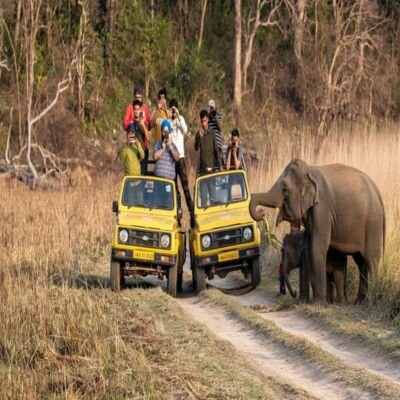
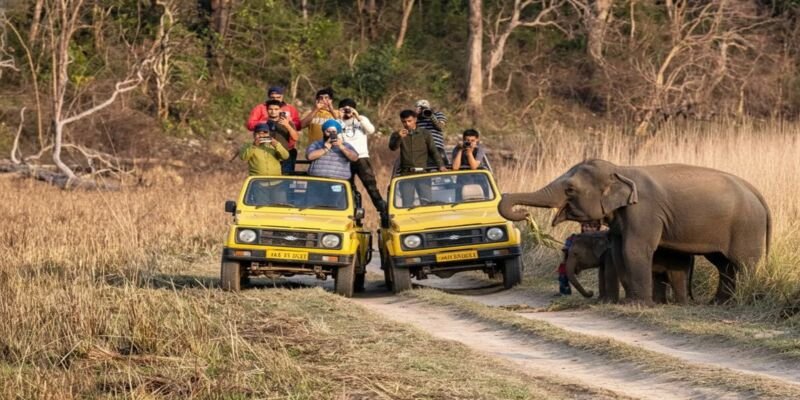
Jeep safari is the most immersive way to explore the forest landscape of Jim Corbett. The open forest vehicle moves slowly through narrow jungle tracks, riverbeds, grasslands, and shaded sal corridors, allowing travelers to experience the forest at ground level. The movement is carefully controlled to maintain silence and avoid disturbing wildlife.
Early morning safaris carry a special charm as the forest slowly wakes up with bird calls, rustling leaves, and shifting light through tree canopies. Afternoon safaris feel warmer and brighter, with animals often resting near shaded zones or riverbanks.
Why Jeep Safari is special:
Canter safari offers a broader, elevated forest viewing experience. It uses larger open vehicles that move through wide grasslands and river stretches, especially in expansive zones. This allows groups to observe wildlife across long distances rather than close forest corridors.
The elevated seating provides wide panoramic views of grasslands, river bends, and distant forest edges. This format suits travelers who prefer wide-angle observation rather than close-range tracking.
Why Canter Safari is special:
Jim Corbett is one of the strongest bird habitats in northern India. From riverbanks to dense forest canopies, birds remain active throughout the day. Early mornings and late afternoons offer the highest visibility for bird calls, flight patterns, nesting behavior, and feeding movements.
Wildlife observation here goes beyond large predators. Deer herds, langurs, elephants, otters, reptiles, and aquatic species complete the observation experience.
Why Birdwatching is special:
Outside the core safari zones, riverbanks and forest-edge trails allow slow, silent walking experiences. These walks focus less on animal tracking and more on observing water flow, sand textures, bird movement, and forest reflections.
Morning walks feel cool and misty, while evenings bring golden light reflecting across water and tree lines. These walks act as emotional decompression after intense safari hours.
Why Riverbank Walks are special:
Photography in Jim Corbett is driven not only by wildlife but also by light, shadow, texture, and seasonal mood. Dust trails in summer, mist in winter, rain-heavy foliage in monsoon, and golden grasslands in autumn offer constantly shifting visual conditions.
Photographers often capture forest depth, animal silhouettes, bird flight patterns, water reflections, and layered vegetation rather than only direct wildlife portraits.
Why Jungle Photography is special:
Village walks around the outer Corbett landscape introduce travelers to slow, functional rural life. These walks move through crop fields, forest edges, grazing routes, and village homes. Life here unfolds quietly without tourism performance.
Morning village walks reveal agricultural routines, cattle movement, and local interactions, while evening walks feel softer and calmer as daily work winds down.
Why Village Walks are special:
Sunrise and sunset in Jim Corbett feel different from hill stations or plains due to the forest depth and river reflections. Early mornings bring mist rising from riverbeds, while sunsets bathe grasslands and tree canopies in soft golden tones.
Unlike busy viewpoints, these moments are often experienced quietly from river edges, forest clearings, or ridge paths.
Why Sunrise & Sunset Viewing is special:
Spiritual visits near Jim Corbett are marked by simplicity rather than grand architecture. Forest-side temples, river shrines, and hilltop devotional spaces offer quiet moments of reflection.
These places often blend seamlessly into natural surroundings, allowing spiritual calm without disturbing the forest environment.
Why Spiritual Pauses are special:
Resort life in Jim Corbett focuses on open natural spaces rather than structured entertainment. Travelers spend long hours sitting outdoors, listening to forest sounds, watching birds, and observing changing light.
Morning tea in cold air, afternoon rest under shaded trees, and evening silence become part of the slow forest routine.
Why Resort Leisure is special:
Unlike city nights, nights near Jim Corbett belong to the forest. Insect sounds dominate the darkness, owls call from distant trees, and wind moves through tall canopies. Artificial noise remains minimal.
Travelers often experience a deep shift in sleep rhythm due to natural darkness and forest silence.
Why Night Forest Experience is special:
Jim Corbett National Park is divided into multiple safari zones, and each zone is accessible through a specific entry gate. Every gate has its own location, landscape, wildlife density, safari timings, and ideal visiting season. Understanding all safari gates helps you choose the right zone and plan your trip smoothly.
Dhangarhi Gate is one of the most important safari entry points in Corbett. It leads to the Dhikala Zone, the largest and most famous safari zone in the park. This gate is located about 18 km from Ramnagar. Only visitors with night-stay permits or canter safari bookings can enter Dhikala. The route beyond the gate passes through dense forests, riverbeds, and grasslands, offering some of the best tiger and elephant sightings in the park.
Key Points
Zone Accessed: Dhikala Zone
Why Choose Dhangarhi Gate?
If you want the most authentic and iconic jungle experience, Dhangarhi Gate is ideal. Dhikala is known for its exceptional visibility, wildlife density, and stunning Ramganga reservoir views.
Amdanda Gate is the main entry gate for the Bijrani Zone, known for its beautiful meadows, open forest trails, and high wildlife activity. Located just 2 km from Ramnagar, this is one of the most popular gates among tourists. The permit counter is also nearby, making it convenient for morning and afternoon jeep safaris. Bijrani is well-known for clean safari routes, scenic beauty, and frequent tiger sightings.
Key Points
Why Choose Amdanda Gate?
The route is smooth and scenic, ideal for families and first-time visitors. Bijrani’s open trails increase the chance of spotting tigers and elephants.
Jhirna Gate – Entry Gate for Jhirna Zone
Jhirna Gate provides entry to the Jhirna Zone, which remains open throughout the year, including monsoon season. This makes it a great choice for off-season travelers. Jhirna Gate is around 16 km from Ramnagar and the zone is known for its mixed vegetation, open fields, and good sightings of sloth bears, deer, and occasional tigers. It’s a peaceful and highly recommended zone for birdwatchers and nature enthusiasts.
Key Points
Why Choose Jhirna Gate?
Ideal for off-season travelers and wildlife lovers who want a smooth jungle experience even during monsoon months.
Dhela Gate leads to the Dhela Zone, a newer safari zone created in 2014. It is located close to the Jhirna Gate and offers diverse landscapes, including grasslands, water bodies, and dense forests. Dhela is less crowded compared to other zones, making it perfect for travelers seeking a quiet wildlife experience. The zone has a healthy population of elephants, deer, jackals, and a variety of birds.
Key Points
Why Choose Dhela Gate?
If you prefer peaceful safaris with fewer jeeps around, Dhela is a great choice. It’s also ideal for photography.
Durga Devi Gate provides access to the Durga Devi Zone, located in the northeastern part of the park. This gate is about 30 km from Ramnagar and the zone is well-known for its hilly terrain, river streams, and rich birdlife. The area around the Ramganga River inside this zone is famous for Mahseer fishing and spotting rare Himalayan birds. It’s an excellent choice for nature lovers and photographers.
Key Points
Why Choose Durga Devi Gate?
The area around the Ramganga River provides excellent chances to spot Mahseer fish and rare Himalayan bird species like the Himalayan Kingfisher and the Crested Laughingthrush.
Kalagarh Gate leads to the Sonanadi Wildlife Sanctuary, which is part of the larger Corbett Tiger Reserve. This gate is located near the Kalagarh Dam and offers a peaceful safari experience away from the main tourist crowd. The Sonanadi Zone is known for elephant herds, leopards, and a large variety of deer species. It’s ideal for travelers who want to explore lesser-known wilderness areas.
Key Points
Why Choose Kalagarh Gate?
If you want a quiet safari away from crowds and enjoy untouched nature, this gate is perfect. The famous Kalagarh Dam is also nearby.
This gate offers access to deeper areas of the Sonanadi Sanctuary.
Key Points
Why Choose Vatanvasa Gate?
It’s an ideal gate for travelers who enjoy rugged jungle routes and want a raw, non-touristy safari.
Both Dhela and Jhirna are connected through a common approach road.
Key Points
Why It Matters?
Visitors can explore two different zones from one side of Corbett, making trip planning simpler.
Jim Corbett National Park offers diverse safari experiences through its multiple entry gates. Whether you choose the iconic Dhikala via Dhangarhi Gate, the scenic Bijrani via Amdanda Gate, the peaceful Dhela, or the hilly Durga Devi region, every gate takes you into a different world of forests, rivers, mountains, and wildlife. Understanding each gate helps you select the right safari based on your interests—be it tigers, birds, scenic landscapes, or peaceful nature trails.
Travel etiquette in Jim Corbett focuses heavily on silence, patience, cleanliness, and respect for forest rules. Unlike city travel, loud behavior, careless driving, or littering directly affects wildlife and local life.
Visitors are expected to adapt to forest rhythms rather than impose urban habits.
Why travel etiquette matters here:
Inside safari zones and forest edges, responsible behavior becomes critical. This includes staying silent during wildlife observation, following vehicle rules, avoiding sudden movement, and respecting guide instructions.
Even small actions directly influence animal behavior and habitat stability.
Why is responsible forest behavior essential?
Interactions with locals in the Corbett region are generally warm but reserved. People assist travelers when approached, but maintain their own slow working rhythm without commercial pressure.
Travelers who speak calmly, wait patiently, and show cultural respect are often welcomed with genuine friendliness.
Why local interaction feels comfortable:
Environmental sensitivity is built into daily life around Jim Corbett. Forest protection, water conservation, waste control, and plastic reduction are increasingly part of community awareness.
Travelers are expected to support these practices rather than challenge them.
Why environmental care is taken seriously:
The overall travel mood of Jim Corbett is defined by quiet observation, slow movement, and emotional grounding. Unlike loud tourist towns, the region offers silence as its biggest experience.
Visitors often leave with a deeper sense of calm rather than excitement.
Why Jim Corbett’s social mood feels different:

Per Person

Per Person
Per Person
Per Person
Get ready for a thrilling nature escape with a strong data-end data-start -night -day Jim Corbett ...
Per Person
Showing 1 of 1 pages
Jim Corbett National park is situated in the foothills of the Himalayas. Here you can explore some of the magnificent nearby places such as Bhowali, Ramnagar, Garjiya Temple, Haldwani, Kathgodam, Nainital, Bhimtal, and Naukuchiatal.
The best way to explore this park is through safari. Here you can enjoy three types of safari-like elephant safari, canter safari, and Jeep safari. During the safari, you can see animals like deer, leopards, langurs, crocodiles etc. you can also see the royal Bengal tiger.
Pantnagar air terminal is the closest airport for Jim Corbett. This air terminal is situated a good distance of 80 km from Jim Corbett and is associated with a well-motorable street. The closest rail line station to Jim Corbett is the Ramnagar railway station which is 5 km away. Ramnagar railway station is very much associated with significant urban areas like Delhi, Lucknow, and Kolkata.
Distance from Delhi: 240 Kms
Distance from Rishikesh: 129 Kms
Distance from Haridwar: 111 Kms
Distance from Agra: 309 Kms
Distance from Rajasthan: 671 Kms
Distance from Mumbai: 1512 Kms
Distance from Kolkata: 1389 Kms
Distance from Bangalore: 2240 Kms
Distance from Chennai: 2273 Kms
Jim Corbett stays freezing and crisp throughout the colder time of year month when the temperature goes from - 2°C to 20°C. You need to convey weighty woolen during the wintertime. Throughout the late spring, the season temperature goes from 30°C to 6°C and you need to convey light woolens during this time. It additionally gets normal precipitation during the rainstorm months.
Here is the list of Zones that you will be witnessing in the Jim Corbett National Park:
Bijrani zone: There are different vegetation species in this zone and you can likewise appreciate flying creatures and natural life watching from this zone.
Dhikala zone: This is the biggest zone of this National park where you can appreciate nature at its best. You can solely spot hoard deer in this zone.
Jhirna zone: This zone is effectively available by sightseers and different convenience offices are available in this zone. Here you can discover Hornbill in wealth.
Dhela zone: This is the most recent zone added to the National park having thick timberland, boundless meadows, and furthermore different natural life species.
Durga Devi Zone: This zone is exceptionally important for Bird lovers and it has different types of fowl in this zone. You can likewise appreciate fishing Mahseer fish which is the biggest fish species. It is on the upper-east corner of this National park.
Sitabani Buffer Zone: this zone isn't important for the fundamental National Park yet it comprises close backwoods for certain sanctuaries.
Some of the celebrated spots to accommodate in Jim Corbett are Le Roi Corbett, Corbett The Baagh Spa and Resort, The Sollun Resort, The Riverview Retreat by Leisure Hotels, Sterling Corbett, Iris Resort, Regenta Resort Tarika, and some more.
You can appreciate getting different fishes in the Ramganga river while fishing. You can likewise have the exciting experience of quick and violence in the water of RamGanga River while rafting. You will encounter grade I and II rapids at Jim Corbett Park. This spot can be offered as a paradise for wildlife fans. One can have an awesome wildlife photoshoot with a decent advanced camera.
Jim Corbett National Park is The first forever project that was begun to save tigers in the year 1973 in this National park. Jim Corbett National Park which gives significant security to Bengal Tigers was set up in 1936 and was initially known as Hailey National Park. You can discover around 480 types of greenery in this National park. It is situated in the lower regions of the Himalayas along the bank of River Ramganga in Uttarakhand.