How to Prepare for High-Altitude Travel on Char Dham Yatra

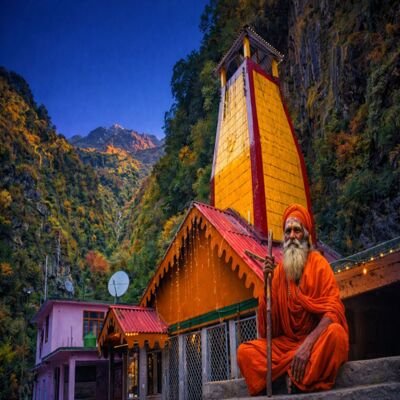
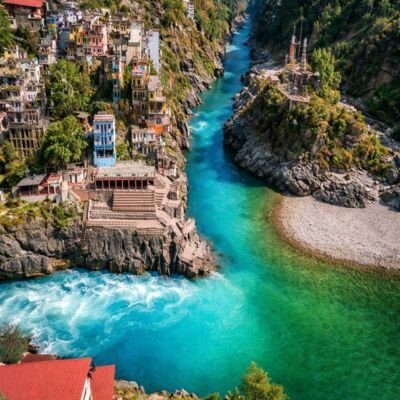
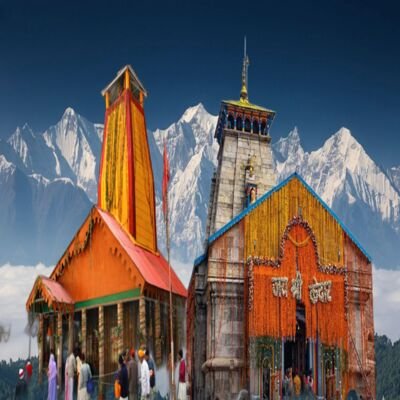
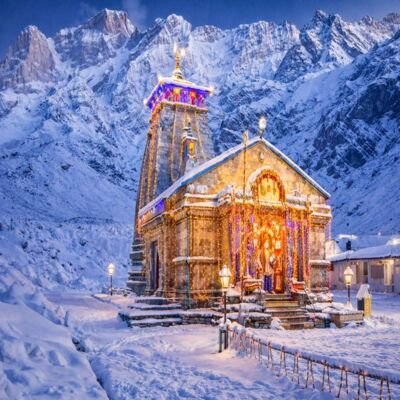
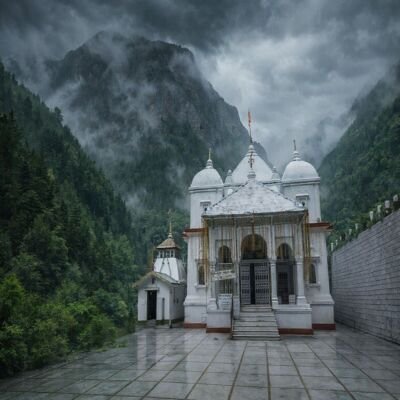
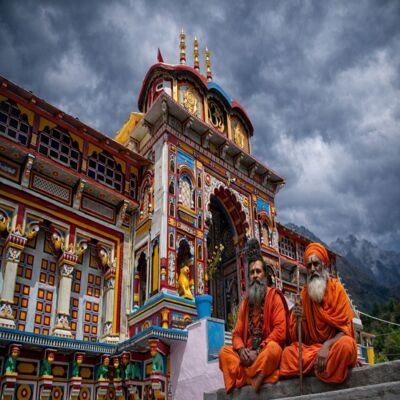
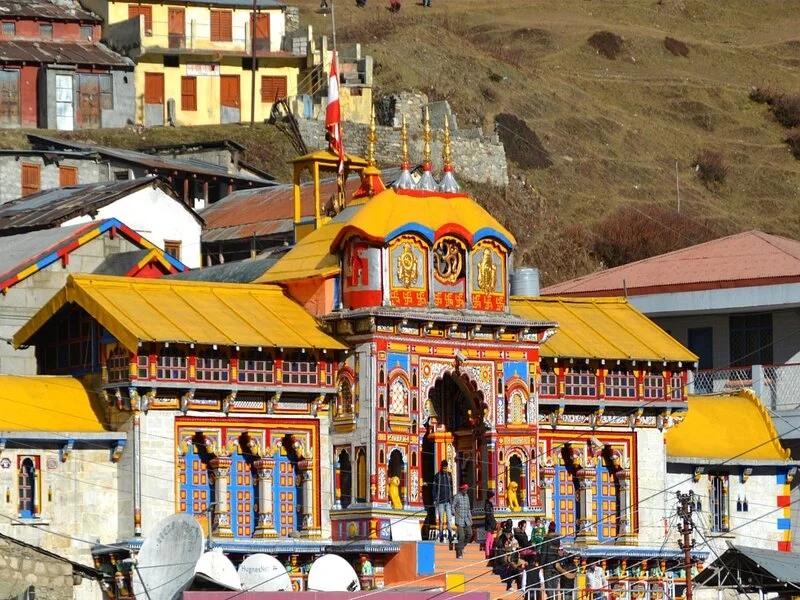
Embarking on the Char Dham Yatra is not just a spiritual journey—it is also a significant physical challenge. The pilgrimage spans four sacred sites in the Garhwal region of Uttarakhand—Yamunotri, Gangotri, Kedarnath, and Badrinath—many of which are situated at altitudes exceeding 3,000 meters. High-altitude travel can pose unique health risks and logistical challenges that require careful preparation. Understanding these factors is the first step toward ensuring a safe and fulfilling experience.
Understanding High-Altitude Conditions
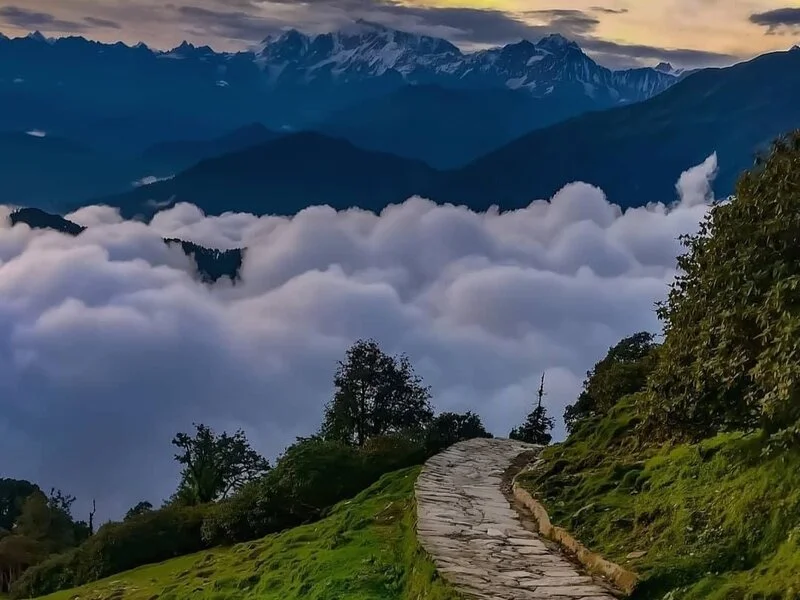
High altitudes affect the body in various ways, primarily due to lower oxygen levels, reduced atmospheric pressure, and colder temperatures. Travelers may experience symptoms such as breathlessness, fatigue, dizziness, headaches, and disrupted sleep. These symptoms are often the early signs of altitude sickness, which can become severe if not addressed promptly. Conditions on the Char Dham route can also include steep climbs, uneven terrain, and unpredictable weather, further increasing the strain on the body.
Acclimatization is the key to preventing altitude-related illnesses. Spending a day or two at intermediate elevations before ascending to higher altitudes allows your body to adjust to reduced oxygen levels gradually. Many Char Dham tour packages build acclimatization days into the itinerary, especially before reaching Kedarnath and Badrinath, which are among the highest points of the pilgrimage.
Building Physical Fitness
Physical fitness is the cornerstone of preparation for Char Dham Yatra. The pilgrimage involves long hours of walking, climbing, and sometimes navigating slippery or rocky paths. To prepare effectively, focus on improving cardiovascular endurance, leg strength, and overall stamina.
- Cardiovascular exercises such as brisk walking, jogging, cycling, or swimming enhance the heart and lung capacity, making it easier to cope with thinner air at higher altitudes. Engaging in these exercises regularly—ideally 3–5 times a week—can significantly reduce fatigue during the Yatra.
- Strength training is equally important. Exercises targeting the legs, core, and back—such as squats, lunges, planks, and step-ups—prepare your muscles for prolonged walking and climbing. Strengthening the core also improves balance, which is essential for navigating uneven or rocky terrain.
- Flexibility and balance exercises like yoga, stretching routines, or light Pilates can reduce the risk of injuries and muscle strains. Yoga, in particular, not only improves flexibility but also aids in controlled breathing, which can be beneficial when adjusting to higher altitudes.
Gradual Exposure to High Altitudes
If possible, incorporate short trips to elevated locations before the Yatra. Spending weekends trekking in nearby hills or visiting towns at moderate altitudes can help your body begin to adjust to lower oxygen levels. Even day hikes on inclines can make a significant difference in preparing the respiratory system for the demands of the Char Dham route.
Preparing Mentally for the Journey
Physical preparation alone is insufficient; mental readiness plays a crucial role. The pilgrimage involves early morning starts, long days on your feet, and sometimes unexpected delays due to weather or road conditions. Practicing patience, maintaining a positive mindset, and visualizing the journey can make the challenges more manageable. Meditation or breathing exercises can also reduce stress and improve mental resilience during physically taxing sections of the Yatra.
Proper Nutrition and Hydration
A balanced diet is essential for building stamina and ensuring the body can adapt to high-altitude conditions. Include complex carbohydrates, lean proteins, healthy fats, and plenty of fruits and vegetables in your daily meals. Carbohydrates provide sustained energy for long walks and climbs, while proteins aid in muscle recovery and repair.
Hydration is equally critical. High altitudes can lead to increased fluid loss due to faster breathing and dry mountain air. Drinking ample water and electrolyte-rich fluids throughout the day helps prevent dehydration, fatigue, and headaches. Avoid excessive alcohol or caffeine, as these can exacerbate dehydration and interfere with sleep patterns at high altitudes.
Choosing the Right Gear
Selecting appropriate clothing and gear is another aspect of preparation that cannot be overlooked. Layered clothing is essential to adjust to fluctuating temperatures, while waterproof jackets, trekking shoes with good grip, and thermal wear can protect against cold, rain, and snow. Lightweight backpacks, trekking poles, hats, gloves, and sunglasses are also valuable for comfort and safety during long treks.
Monitoring and Managing Altitude Sickness
Altitude sickness, also called acute mountain sickness (AMS), is the most common concern at high elevations. Early symptoms include headaches, nausea, dizziness, shortness of breath, and loss of appetite. If ignored, it can progress to more severe conditions like high-altitude pulmonary edema (HAPE) or high-altitude cerebral edema (HACE), which are medical emergencies.
To reduce the risk:
-
Ascend gradually: Avoid rushing from low altitudes to high elevations. Many Char Dham tour packages include rest days at intermediate points such as Haridwar, Rishikesh, or Joshimath to allow acclimatization.
-
Listen to your body: If symptoms appear, rest, hydrate, and avoid strenuous activity. Severe or worsening symptoms require descending to a lower altitude immediately.
-
Medication: Some travelers consult a doctor about prophylactic medication such as acetazolamide, which helps with acclimatization. Always take it under medical supervision.
-
Oxygen support: Portable oxygen cylinders are available at higher points and can provide temporary relief if needed.
Health and Safety Precautions
High-altitude travel also brings other health considerations. Immune function can weaken due to stress and cold, so maintaining hygiene, eating clean meals, and using hand sanitizers are essential. Travel insurance that covers emergency evacuation is highly recommended.
Carrying a basic medical kit is crucial. Essentials include:
-
Pain relievers and anti-inflammatory drugs
-
Antacids and medications for digestive issues
-
Oral rehydration salts
-
Bandages and antiseptics
-
Any personal prescription medicines
Keeping emergency contact numbers for local hospitals and tour operators can provide extra assurance.
Planning Your Itinerary and Travel Logistics
A well-structured itinerary not only helps with acclimatization but also reduces travel stress. Most Char Dham packages follow a clockwise or counterclockwise route, beginning at Haridwar or Rishikesh. It is essential to allow enough time for each temple visit without rushing, as fatigue can worsen altitude-related issues.
Transportation choices also play a role in reducing strain. While private vehicles or taxis provide comfort and flexibility, shared buses or helicopters are options for reaching remote locations quickly. Ensure that your transportation plan allows for rest stops and avoids back-to-back long drives, which can be exhausting at high altitudes.
Managing Weather and Environmental Conditions
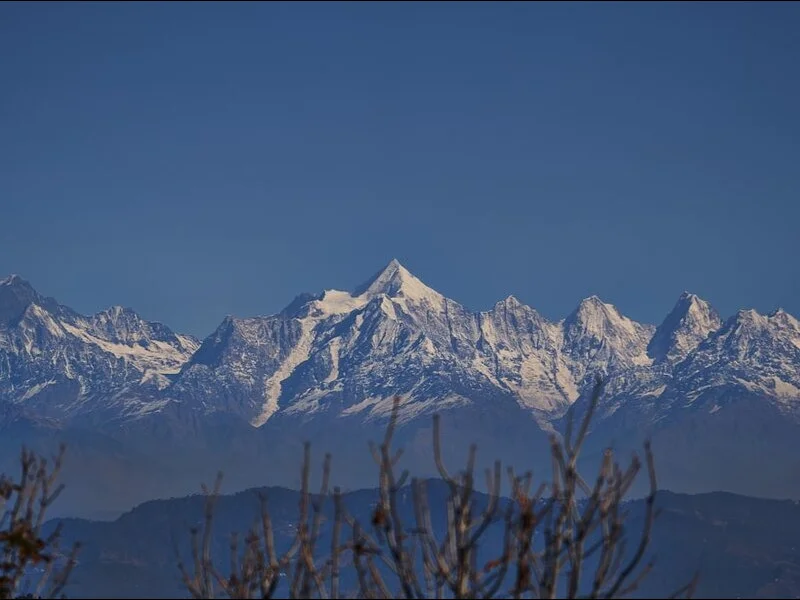
The weather in the Garhwal Himalayas is unpredictable. Snow, rain, and sudden temperature drops are common, especially from June to September. Travelers should monitor weather updates regularly and be prepared to adjust plans accordingly.
Essential precautions include:
-
Waterproof jackets, trekking shoes, and quick-dry clothing
-
Layering clothes to adapt to temperature changes
-
Sunglasses and sunscreen to prevent UV-related issues, as sunlight is stronger at higher altitudes
-
Warm gloves, hats, and thermal socks for early mornings and evenings
Staying Comfortable During Long Treks
On long walking stretches or uphill climbs, pacing yourself is critical. Avoid overexertion by taking regular breaks, practicing slow, deep breathing, and staying hydrated. Light snacks such as energy bars, nuts, or dry fruits can provide quick energy.
Using trekking poles can reduce stress on knees and joints, particularly on steep descents. Foot care is equally important: moisture-wicking socks, properly fitting shoes, and periodic foot checks help prevent blisters and discomfort.
Mental and Spiritual Preparedness on the Yatra
Even after physical, health, and logistical preparations, maintaining a calm and focused mindset enhances both safety and spiritual experience. Patience is key—roads may be congested, weather may delay travel, and treks may be tiring. Approaching these challenges with a positive attitude helps prevent frustration and fatigue.
Mindful practices like meditation, chanting, or prayer not only enrich the spiritual aspect of the Yatra but also help manage stress and maintain mental clarity. Reflecting on the purpose of the pilgrimage can motivate you during difficult stretches.
Practical Tips for a Smooth Char Dham Experience
-
Start early: Begin each day early to maximize daylight hours and avoid traveling in low-visibility conditions.
-
Travel light: Carry only essentials in a small, comfortable backpack; keep heavier luggage in your vehicle or hotel.
-
Stay connected: Keep a mobile phone with emergency contacts and portable charging solutions.
-
Follow local advice: Locals and guides are experienced with mountain conditions. Respect their guidance on safe routes, weather updates, and altitude management.
-
Document the journey: Photos, journals, or travel logs not only preserve memories but also help track health and energy levels during the Yatra.
Conclusion
Preparing for high-altitude travel on the Char Dham Yatra involves a holistic approach: building physical fitness, acclimatizing gradually, maintaining health, planning logistics meticulously, and staying mentally resilient. Many pilgrims choose well-organized 4 Dham tour packages to streamline transportation, accommodation, and on-ground assistance, allowing them to focus more on spiritual reflection rather than logistical concerns. Careful preparation ensures that the pilgrimage is not only safe and manageable but also spiritually rewarding. By respecting the challenges of high-altitude travel and taking preventive measures, devotees can fully immerse themselves in the divine experience of visiting Yamunotri, Gangotri, Kedarnath, and Badrinath, making the journey a blend of physical endurance, mental fortitude, and deep spiritual fulfillment.