How to Reach Char Dham Yatra by Air Rail and Road
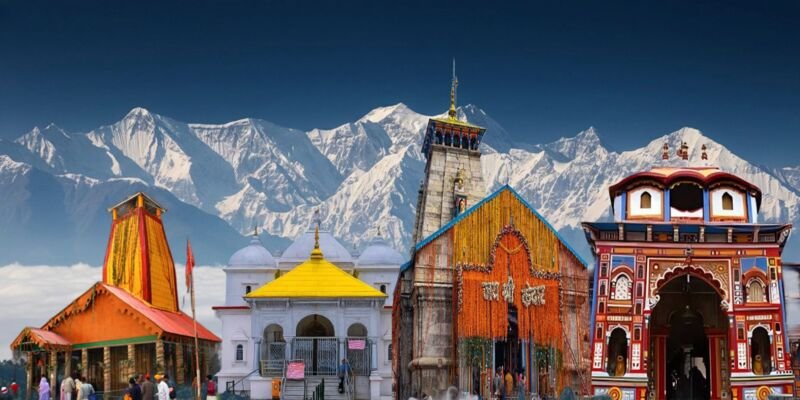
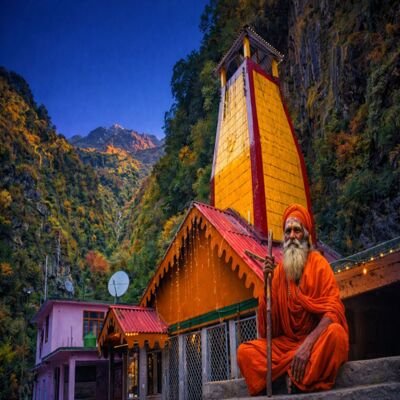
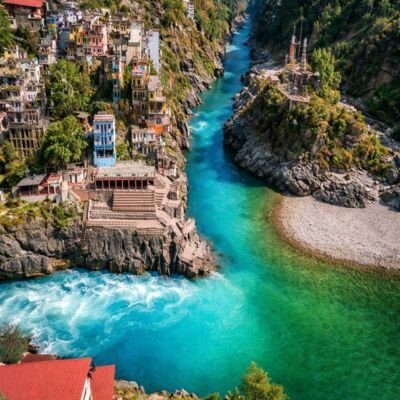
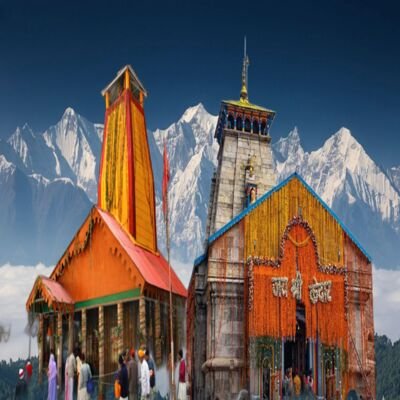
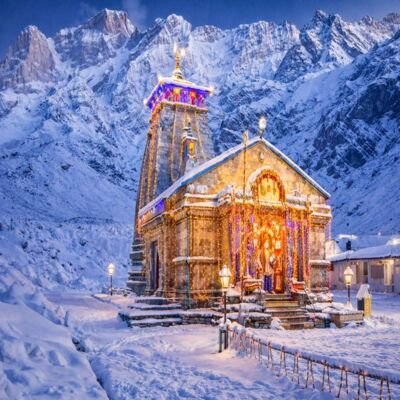
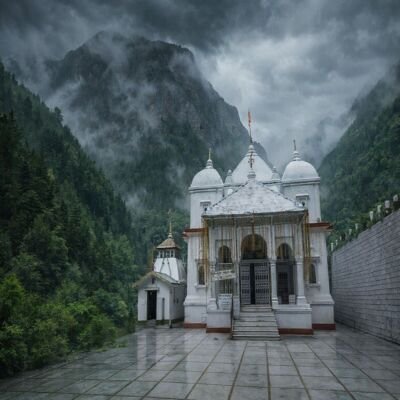
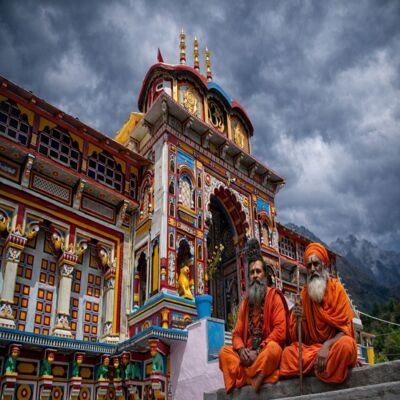
The Char Dham Yatra, covering Yamunotri, Gangotri, Kedarnath, and Badrinath, is one of the most revered pilgrimages in India. Planning the journey efficiently starts with knowing how to reach the Char Dham Yatra by air, rail, and road, ensuring convenience, safety, and a smooth start to the pilgrimage while enjoying the scenic Garhwal Himalayas.
By Air
Air travel is the fastest way to reach the base towns of the Char Dham Yatra. Pilgrims can save time and avoid long road journeys by flying to the nearest airports, which are connected to major Indian cities.
Nearest Airports
Jolly Grant Airport, Dehradun: This is the closest airport to the Char Dham circuit, approximately 240 kilometers from Badrinath and 220 kilometers from Yamunotri. It receives daily flights from Delhi, Mumbai, Bangalore, and other major cities, making it the most convenient starting point for pilgrims. Travelers can hire taxis or private cabs, or take state-run buses from Dehradun to reach the base towns. Booking flights in advance during the peak Yatra season (May to October) is strongly recommended to avoid last-minute unavailability.
By Rail
Rail travel is another convenient option for pilgrims, especially those coming from northern and central India. While there are no direct trains to the high-altitude Dhams, major railway stations serve as gateways for road transport to the pilgrimage sites.
Nearest Railway Stations
Rishikesh Railway Station: Located around 230 kilometers from Badrinath, Rishikesh connects well with Delhi, Lucknow, and other major cities. Pilgrims can hire taxis, private cabs, or use state-run buses to reach the base towns of Yamunotri, Gangotri, Kedarnath, and Badrinath.
Haridwar Railway Station: This station is another key hub, offering excellent connectivity to Yamunotri, Gangotri, Kedarnath, and Badrinath via road transport. Many pilgrims prefer arriving at Haridwar and then traveling by buses or taxis to begin their Yatra comfortably. Booking train tickets well in advance is advisable, as trains to Rishikesh and Haridwar are often fully booked during the Yatra season.
By Road
Road travel is the most common and flexible way to reach Char Dham Yatra destinations. It allows pilgrims to enjoy the scenic Himalayan views, stop at local attractions, and manage their travel schedule according to convenience.
Road Routes to Char Dham
State-run buses, private taxis, and tour operators provide connectivity from Dehradun, Rishikesh, and Haridwar to the base towns of Yamunotri, Gangotri, Kedarnath, and Badrinath. Well-maintained highways ensure smooth travel up to the starting points of the Dhams, where short treks or ropeway rides complete the journey to the temples. Starting early in the morning is recommended to avoid traffic and reach base towns comfortably. During monsoon or winter, checking road conditions and possible landslides ensures safe travel.
- Air Travel Convenience: Jolly Grant Airport in Dehradun provides quick and easy access for pilgrims coming from major Indian cities, reducing travel time and avoiding long road journeys.
- Railway Connectivity: Rishikesh and Haridwar Railway Stations act as key gateways, offering smooth access to taxis, buses, and other road transport for the Char Dham Yatra.
- Road Travel Flexibility: State-run buses, private cabs, and scenic Himalayan highways connect pilgrims to all the base towns of Yamunotri, Gangotri, Kedarnath, and Badrinath, providing both comfort and flexibility.
- Travel Experience: Combining air, rail, and road travel ensures a safe, comfortable, and memorable Char Dham Yatra while allowing pilgrims to enjoy the breathtaking Himalayan landscapes and manage their travel efficiently.
Road Travel Options
Road travel is the most commonly used mode to reach the Char Dham temples. State-run buses, private taxis, and shared cabs operate throughout the year, offering flexibility for pilgrims who want to explore the Himalayan landscapes while reaching the base towns conveniently.
State-Run Buses and Private Taxis
Uttarakhand State Transport Service runs regular buses from Dehradun, Rishikesh, and Haridwar to the base towns of Yamunotri, Gangotri, Kedarnath, and Badrinath. These buses are budget-friendly and reliable for pilgrims traveling in groups.
Private taxis provide a more comfortable and faster option. Many travelers prefer hiring taxis from Dehradun or Rishikesh to reach the pilgrimage sites directly without multiple stops. Private taxis also allow flexibility to visit nearby attractions or take breaks during the journey.
Local Transport at Base Towns
Once pilgrims reach the base towns, local transport options like shared jeeps, taxis, and shuttle buses are available to cover the remaining distance to the temples. For example, from Uttarkashi to Yamunotri or Sonprayag to Kedarnath, shared jeeps and shuttle services save time and energy for pilgrims who prefer not to trek long distances.
Travel Tip: Hiring local guides or transport services at the base towns can make navigation easier and enhance the pilgrimage experience by providing information about the routes and temples.
Seasonal Travel Considerations
The weather in the Himalayas varies significantly across seasons, affecting road conditions and accessibility. Pilgrims should plan according to seasonal factors to ensure safe and comfortable travel.
Summer Travel (April–June)
Summer is the most favorable season for road travel to Char Dham. Roads are mostly clear, and pilgrims can enjoy scenic Himalayan views during the journey. Carrying light jackets, water bottles, and sun protection is advisable while traveling on open roads and during short treks.
Monsoon Travel (July–August)
Monsoon season brings heavy rainfall in the Garhwal region, causing slippery roads and occasional landslides. Pilgrims traveling during this season should check road conditions, travel advisories, and weather updates before starting the journey. Using sturdy vehicles like SUVs or shared jeeps is recommended for safer travel.
Autumn and Winter Travel (September–February)
Winter travel requires preparation for cold weather, snowfall, and icy roads. Thermal wear, woolens, and suitable footwear are essential for comfort and safety. Road travel may be slower during these months due to snow accumulation, so planning extra time for journeys is crucial.
Travel Tips for Comfortable Road Travel
- Start early in the morning to avoid traffic and reach base towns before sunset, especially during high season.
- Carry essential snacks, water, and a first-aid kit for the long Himalayan road journeys.
- Always confirm vehicle bookings in advance during peak Yatra months, as taxis and shared jeeps fill up quickly.
- Stay updated on road closures, landslides, and weather forecasts through official Uttarakhand transport websites or local authorities.
Air, Rail, and Road Integration: Combining flights to Dehradun, train travel to Rishikesh or Haridwar, and road transport to the base towns allows pilgrims to save time, enjoy comfort, and plan the journey according to personal schedules.
Safe Himalayan Travel: Understanding seasonal conditions, hiring reliable transport, and following travel advisories ensures a secure and spiritually enriching Char Dham Yatra.
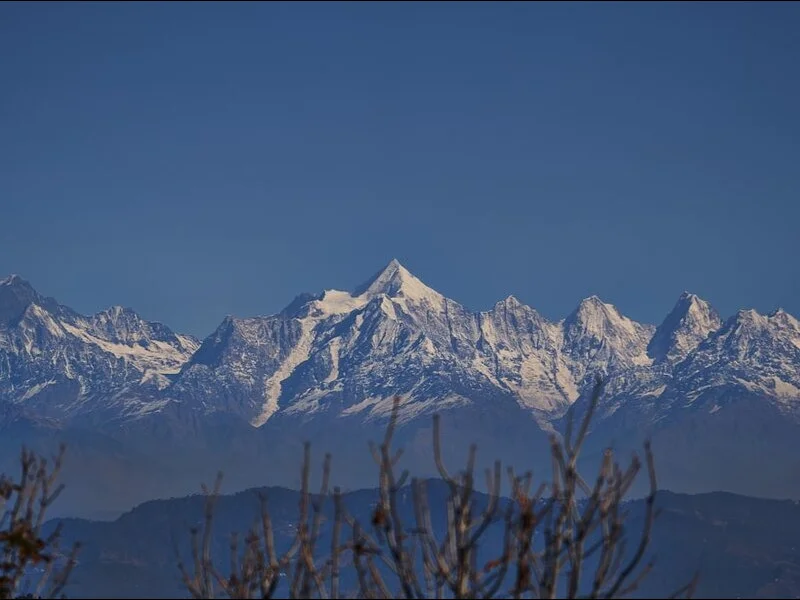
Scenic Journey Experience: Pilgrims experience breathtaking Himalayan views, river valleys, and lush forests while traveling by road, making the journey to Yamunotri, Gangotri, Kedarnath, and Badrinath a memorable part of the pilgrimage itself.
The Char Dham Yatra can be conveniently reached by air, rail, and road. Pilgrims traveling by air can arrive at Jolly Grant Airport in Dehradun, which is well connected to major cities across India. Haridwar and Rishikesh railway stations serve as the main rail gateways to the region. From these points, a well-developed road network connects to Yamunotri, Gangotri, Kedarnath, and Badrinath. For a structured and hassle-free experience, Travel Ride offers carefully designed yatra packages for Char Dham, ensuring coordinated transfers, accommodations, and guided support throughout the pilgrimage.