

To More Inquiry





Ayodhya is one of the most sacred cities in India, known for its deep spiritual importance and strong connection with Hindu mythology. Believed to be the birthplace of Lord Rama, the city attracts devotees and travelers seeking peace, devotion, and cultural understanding. With its temples, ghats, rituals, and improving infrastructure, Ayodhya offers a meaningful travel experience rooted in faith and tradition. The city blends ancient beliefs with modern development, making it an important destination for pilgrimage as well as cultural exploration.
Ayodhya holds immense importance in Hindu tradition as it is closely associated with the life and legacy of Lord Rama. The city’s identity is shaped by temples, rituals, and continuous devotional practices followed by devotees. Visiting Ayodhya allows travelers to experience strong faith, spiritual energy, and a deep connection with religious traditions that have been preserved for generations.
Ayodhya is believed to be the birthplace of Lord Rama, making it one of the most important pilgrimage destinations in India.
The city is filled with temples and sacred sites that offer a peaceful and spiritually uplifting environment for visitors.
Devotees visit Ayodhya to participate in rituals, prayers, and religious activities that reflect strong faith and tradition.
Ayodhya is home to several important temples and religious landmarks that attract pilgrims and visitors throughout the year. These sites represent both spiritual importance and architectural beauty. Exploring these temples provides insight into religious traditions while also offering a meaningful cultural experience connected to the history of the region.
Ram Janmabhoomi is the most important site, believed to mark the birthplace of Lord Rama and a major attraction.
Hanuman Garhi is a popular temple known for its spiritual significance and elevated location offering views of the city.
Kanak Bhawan is famous for its beautiful structure and strong association with Lord Rama and Goddess Sita.
Ayodhya offers a calm and peaceful environment that allows visitors to experience spiritual connection and inner reflection. The presence of temples, chants, and rituals creates a soothing atmosphere across the city. Visitors often feel a sense of calm while exploring sacred places, making Ayodhya an ideal destination for those seeking peace and spiritual comfort.
The presence of temples, chants, and rituals creates a peaceful and spiritually enriching environment across the city.
Visitors can experience calmness and reflection while exploring ghats and sacred spaces in Ayodhya.
The overall atmosphere makes Ayodhya an ideal destination for spiritual seekers and pilgrims.
Ayodhya is not only a religious destination but also a city with deep cultural and historical roots. It is closely connected with the epic Ramayana and continues to preserve traditions and stories associated with it. Exploring Ayodhya allows visitors to understand its cultural depth and historical significance.
The city is closely connected with the epic Ramayana, giving it strong cultural and mythological importance.
Traditional customs, rituals, and storytelling help preserve the heritage and identity of Ayodhya over generations.
Visitors can explore sites that reflect the historical depth and cultural legacy of this ancient city.
Ayodhya is well-connected to major cities in India, making it easily accessible for pilgrims and travelers. With improved infrastructure, better roads, and enhanced transport facilities, reaching Ayodhya has become more convenient than before. Its connectivity through rail, road, and nearby airports allows visitors to plan both short and long journeys comfortably. The city’s growing importance as a religious destination has further strengthened its accessibility.
Ayodhya is connected by rail routes with major cities like Lucknow, Varanasi, Delhi, and other important destinations across India.
Well-maintained roads and highways allow smooth travel by buses, private vehicles, and taxis from nearby cities and regions.
Nearby airports and improved transport options make it easier for travelers to reach Ayodhya from different parts of the country.
Ayodhya is an ideal destination for both spiritual journeys and short trips due to its compact layout and concentration of important religious sites. Visitors can explore major temples and ghats within a limited time while experiencing the city’s spiritual atmosphere. It is especially suitable for weekend travel plans and quick religious visits.
Ayodhya can be explored within one or two days, making it suitable for short trips and weekend travel plans.
The city offers a complete spiritual experience with temples, rituals, and sacred sites located within a manageable distance.
It is a popular choice for pilgrims looking for a quick yet meaningful religious journey.
Ayodhya offers a unique spiritual experience where devotion is visible in everyday life through rituals, prayers, and temple activities. The city provides a deep sense of faith and connection that makes every visit special. Visitors can experience traditions and practices that have been followed for centuries.
Devotional activities, chants, and rituals are part of daily life, creating a strong spiritual environment across the city.
Visitors can participate in temple rituals and experience traditions practiced with deep faith and dedication.
The overall experience provides a meaningful connection with spirituality and cultural beliefs associated with Lord Rama.
Ayodhya beautifully combines its ancient traditions with modern development, offering visitors a balanced travel experience. While the city preserves its cultural and religious heritage, it is also evolving with improved infrastructure and facilities. This blend makes travel more comfortable without losing its traditional essence.
The city preserves its historical and religious heritage while developing modern facilities for visitors and pilgrims.
Improved infrastructure, transport, and accommodation options enhance the overall travel experience in Ayodhya.
Visitors can experience both traditional culture and modern convenience during their journey.
Ayodhya is a sacred city known for its deep spiritual significance, ancient temples, and strong connection with the Ramayana. The city offers a wide range of religious and cultural attractions that reflect devotion, history, and tradition. From grand temples to peaceful river ghats, each place provides a meaningful experience for visitors. Exploring these sites allows travelers to understand the spiritual essence of Ayodhya while witnessing rituals, architecture, and traditions that continue to shape its identity as an important pilgrimage destination in India.
Ram Janmabhoomi is the most important religious site in Ayodhya and is believed to be the birthplace of Lord Rama. It holds immense spiritual importance and attracts devotees from across the country throughout the year. The site reflects deep faith, strong cultural identity, and historical relevance, offering visitors a powerful spiritual experience connected with traditions that have been followed for generations in Ayodhya.
The site is considered highly sacred and represents the birthplace of Lord Rama with deep religious significance among visiting devotees.
It attracts pilgrims throughout the year who come to offer prayers and experience strong spiritual energy at this holy place.
The location reflects deep cultural, historical, and religious importance connected with traditions followed continuously in Ayodhya for many generations.
Hanuman Garhi is one of the most popular temples in Ayodhya, dedicated to Lord Hanuman and known for its strong spiritual importance. The temple is situated on an elevated platform and requires climbing several steps to reach the main shrine. It offers a peaceful environment where devotees come to seek blessings, experience devotion, and connect with religious practices that are deeply rooted in tradition.
The temple is dedicated to Lord Hanuman and holds strong religious importance among devotees visiting Ayodhya for spiritual purposes.
It is located on a raised platform and requires climbing steps to reach the main temple complex area comfortably.
The temple offers a peaceful environment along with a wide view of the city and surrounding areas for visitors.
Kanak Bhawan is a well-known temple in Ayodhya associated with Lord Rama and Goddess Sita, admired for its beautiful architecture and decorated interiors. The temple holds strong religious importance and attracts devotees who come to offer prayers and experience its calm and peaceful environment. It is considered one of the most significant and visually appealing temples in the city.
The temple is known for its beautiful structure and decorated interiors that attract visitors throughout the year regularly.
It is associated with Lord Rama and Goddess Sita and holds strong religious significance among devotees visiting Ayodhya.
Visitors come to offer prayers and experience a calm and peaceful environment inside the temple complex area.
The ghats of the Saryu River are among the most peaceful and spiritually significant places in Ayodhya, where devotees gather for rituals and prayers. These ghats offer a calm environment and are especially known for evening aarti ceremonies. The surroundings create a spiritual atmosphere that allows visitors to relax, reflect, and experience the devotional essence of the city.
The ghats are used for religious rituals, holy dips, and prayers performed by devotees visiting Ayodhya throughout the year.
Evening aarti at the river creates a calm and spiritually uplifting atmosphere for visitors and devotees present there.
The peaceful surroundings provide an ideal environment for reflection, relaxation, and experiencing spiritual energy near the river banks.
Nageshwarnath Temple is an important religious site in Ayodhya dedicated to Lord Shiva and holds strong spiritual significance among devotees. It is believed to have been established by Kush, the son of Lord Rama, making it historically important. The temple attracts visitors throughout the year who come to offer prayers and experience its peaceful environment rooted in devotion and tradition.
The temple is dedicated to Lord Shiva and holds strong religious importance among devotees visiting Ayodhya for spiritual purposes.
It is believed to have been established by Kush, linking it directly with the historical and mythological significance of Ayodhya.
Visitors come to offer prayers and experience a peaceful and spiritually uplifting environment inside the temple premises daily.
Treta Ke Thakur is a significant temple in Ayodhya associated with Lord Rama and believed to mark the place of important events from the Ramayana. The temple is known for its religious importance and attracts devotees who wish to connect with its historical and spiritual relevance. It offers a calm environment where visitors can experience devotion and tradition together.
The temple is associated with Lord Rama and holds strong religious importance connected with events described in the Ramayana.
It attracts devotees who visit to offer prayers and experience spiritual connection with traditions followed for many generations.
The temple provides a peaceful environment where visitors can experience devotion, culture, and historical significance together in Ayodhya.
Ram Ki Paidi is a famous ghat area along the Saryu River known for its spiritual importance and scenic beauty. It is a popular place for rituals, holy dips, and evening aarti. The area is well-maintained and attracts both devotees and tourists who come to experience its peaceful surroundings and devotional atmosphere.
The ghat is used for holy dips, rituals, and religious activities performed by devotees visiting Ayodhya throughout the year.
Evening aarti at Ram Ki Paidi creates a beautiful and spiritually uplifting atmosphere for visitors and devotees present there.
The well-maintained surroundings and river views provide a calm environment for relaxation and experiencing the spiritual essence.
Guptar Ghat is a sacred and peaceful site in Ayodhya associated with Lord Rama’s departure from the earth. Located along the Saryu River, it is an important spiritual destination visited by devotees seeking calmness and reflection. The ghat offers a serene environment away from crowded areas, making it ideal for quiet spiritual experiences.
The ghat is associated with Lord Rama’s departure and holds strong religious significance among devotees visiting Ayodhya regularly.
It provides a calm and less crowded environment compared to other ghats, making it ideal for peaceful visits.
Visitors can experience a serene atmosphere while observing rituals and enjoying the natural surroundings near the river banks.
Ayodhya offers a deeply spiritual and culturally enriching experience where visitors can explore temples, participate in rituals, and witness traditions connected with the Ramayana. The city provides a meaningful blend of devotion, history, and local life, making it ideal for pilgrims and travelers alike. From temple visits and river rituals to cultural exploration and peaceful reflection, every activity helps visitors connect with the spiritual essence of Ayodhya and understand its timeless heritage and traditions.
Visiting Ram Janmabhoomi is one of the most important activities in Ayodhya, as it is believed to be the birthplace of Lord Rama. The site holds immense spiritual importance and attracts thousands of devotees daily. The atmosphere is filled with devotion, prayers, and rituals, offering a powerful experience that reflects deep faith and long-standing religious traditions.
Offer prayers at the sacred birthplace and experience strong spiritual connection with traditions followed by devotees for many generations.
Observe rituals and religious practices that reflect deep devotion and cultural beliefs associated with Lord Rama in Ayodhya.
Experience the spiritual atmosphere filled with chants, prayers, and continuous devotional activities performed throughout the day at the site.
Attending the evening aarti at the Saryu River is a peaceful and spiritually uplifting experience in Ayodhya. The ritual includes lamps, chants, and prayers performed along the riverbanks, creating a calm and devotional environment. It is a meaningful activity that allows visitors to connect with the spiritual energy of the city.
Witness the evening aarti with lamps, chants, and rituals that create a calm and spiritually uplifting atmosphere.
Experience the connection between devotees and the sacred Saryu River during this meaningful and traditional ceremony.
Enjoy the peaceful surroundings and scenic beauty of the riverbanks while observing spiritual activities during evening hours.
Exploring Hanuman Garhi allows visitors to experience one of the most important temples in Ayodhya dedicated to Lord Hanuman. The temple offers a peaceful environment along with a sense of devotion and tradition. Climbing the steps to reach the temple adds to the overall experience.
Visit the temple dedicated to Lord Hanuman and experience strong spiritual energy present throughout the temple complex.
Climb the steps leading to the temple and enjoy views of the city and surrounding areas from above.
Observe rituals and prayers performed by devotees that reflect strong faith and traditional practices followed in Ayodhya.
Kanak Bhawan is one of the most beautiful temples in Ayodhya, known for its architectural elegance and spiritual importance. Visiting this temple provides a peaceful experience along with an opportunity to understand its cultural and religious significance.
Visit the temple associated with Lord Rama and Goddess Sita and experience a calm and peaceful spiritual environment.
Observe the beautifully decorated interiors that reflect traditional design and religious significance of the temple structure.
Offer prayers and experience devotion while understanding the cultural importance of this important temple in Ayodhya.
Taking a holy dip in the Saryu River is one of the most important spiritual activities in Ayodhya. Devotees believe that bathing in the river purifies the soul and removes negative energy. The calm surroundings and religious atmosphere enhance the experience. It is a meaningful ritual that allows visitors to connect with faith, tradition, and the spiritual significance of the city.
Take a holy dip in the Saryu River and experience purification, spiritual cleansing, and connection with religious beliefs.
Observe devotees performing rituals and prayers along the riverbanks reflecting strong faith and cultural traditions in Ayodhya.
Enjoy the calm surroundings and peaceful atmosphere while experiencing the spiritual importance of the sacred river environment.
Visiting Ram Ki Paidi offers a peaceful and visually appealing experience along the banks of the Saryu River. The area is known for its well-maintained ghats and spiritual importance. It is a popular place for rituals, relaxation, and evening visits. The environment allows visitors to enjoy both devotion and scenic beauty together.
Walk along the ghats and experience the peaceful environment while observing rituals performed by devotees visiting the site.
Enjoy the well-maintained surroundings and river views that provide a calm and relaxing experience for visitors.
Visit during evening hours to witness the spiritual atmosphere and activities taking place along the riverbanks.
Exploring local markets in Ayodhya offers a lively and culturally engaging experience where visitors can discover traditional items and observe daily life. These markets are filled with religious goods, souvenirs, and local products that reflect the city’s heritage.
Visit local markets to explore religious items, souvenirs, clothing, and traditional products reflecting Ayodhya’s cultural identity and heritage.
Interact with shopkeepers and locals to understand traditions and the importance of items sold in markets.
Experience the vibrant atmosphere filled with activity, colors, and sounds that showcase the city’s everyday lifestyle.
Experiencing festivals in Ayodhya allows visitors to witness the city’s vibrant cultural and spiritual life. Festivals are celebrated with devotion, rituals, and community participation, creating a lively and energetic environment.
Experience grand celebrations of Ram Navami with rituals, decorations, and cultural activities across temples and city areas.
Witness Diwali celebrations in Ayodhya known for grand lighting, devotion, and large-scale cultural participation by locals.
Enjoy festive atmosphere filled with devotion, music, rituals, and strong community participation during important religious occasions.
Ayodhya can be visited throughout the year, but the overall experience depends on weather conditions and festival timings. The city experiences hot summers, moderate monsoon rains, and pleasant winters, making seasonal planning important. Since most activities involve temple visits, ghats, and outdoor exploration, choosing the right time ensures comfort. Winter is considered the best season for a relaxed trip, while festival periods like Ram Navami and Diwali offer a vibrant and culturally rich experience.
Winter is the best time to visit Ayodhya as the weather remains pleasant and suitable for temple visits and sightseeing. The temperature ranges between 8°C to 25°C, making it comfortable for outdoor exploration. This season also includes major festivals that enhance the overall travel experience with cultural and spiritual activities.
Pleasant weather allows comfortable visits to temples, ghats, and local attractions without facing extreme heat or discomfort.
Ideal time for walking tours, attending aartis, and exploring cultural and religious sites across the city easily.
Festivals during this season enhance the experience with vibrant celebrations and strong devotional atmosphere in Ayodhya.
Summers in Ayodhya are very hot, with temperatures often rising above 40°C, making daytime travel challenging. However, early mornings and evenings can still be suitable for temple visits and short activities.
High temperatures can make outdoor exploration uncomfortable, especially during afternoon hours across the city areas.
Early morning and evening visits are recommended to avoid heat and crowds at major temples and ghats.
Fewer tourists during this season may offer a quieter experience and better availability of accommodations.
The monsoon season brings moderate rainfall, making the surroundings greener and more refreshing. While rain may occasionally affect travel plans, the city appears calm and less crowded during this period.
Rainfall enhances the beauty of ghats and surrounding areas, creating a fresh and peaceful environment for visitors.
Fewer crowds allow visitors to explore temples and markets in a more relaxed and comfortable manner.
Occasional travel disruptions due to rain may require flexible planning while visiting Ayodhya during this season.
Ayodhya is well-connected to major cities in India through rail, road, and nearby air routes, making it easily accessible for pilgrims and travelers. Located in Uttar Pradesh, the city has seen significant improvements in infrastructure, enhancing travel convenience. Whether you prefer a fast journey or a budget-friendly option, multiple transport choices are available. Its connectivity ensures that visitors can plan short trips as well as extended journeys comfortably while experiencing a smooth and hassle-free travel process to this important spiritual destination.
Ayodhya now has improved air connectivity, making it more convenient for travelers coming from different parts of the country. Nearby airports also provide additional options for reaching the city.
The nearest airport provides connectivity to major cities, making travel faster and more convenient for visitors planning their journey.
Nearby airports like Lucknow offer additional flight options for travelers coming from different regions across India.
From the airport, visitors can easily reach Ayodhya by road using taxis or other available transport services.
Ayodhya is well-connected by an extensive railway network, making train travel one of the most convenient and widely used options for reaching the city. It serves as an important station for pilgrims.
Ayodhya railway stations connect the city with major destinations like Lucknow, Varanasi, Delhi, and other parts of India.
A variety of train options including express and passenger trains provide affordable and comfortable travel choices for visitors.
Rail connectivity makes it easy for pilgrims to plan direct or connecting journeys to Ayodhya from different regions.
Ayodhya has good road connectivity with nearby cities, making it a preferred destination for road travel and short trips. Well-maintained highways ensure a smooth and comfortable journey.
The city is connected by national highways, allowing easy travel from Lucknow, Varanasi, Prayagraj, and other nearby regions.
Regular bus services, including government and private buses, operate frequently to and from Ayodhya for travelers.
Traveling by car or taxi offers flexibility and convenience, especially for those planning to explore nearby destinations comfortably.
Ayodhya is a city deeply rooted in cultural heritage and ancient traditions that have been preserved and practiced for centuries. Known as the birthplace of Lord Rama, the city holds immense spiritual and historical importance in Indian culture. Its identity is shaped by mythology, religious practices, festivals, and community traditions that continue to thrive in daily life. From sacred temples and ghats to storytelling, rituals, and local customs, every aspect of Ayodhya reflects its rich legacy. Exploring the city allows visitors to experience a living heritage where faith, history, and tradition exist together, creating a meaningful and culturally enriching journey.
Ayodhya’s cultural identity is strongly influenced by religious traditions that are practiced daily with deep devotion and discipline. Temples and ghats serve as major centers of spiritual activity where rituals such as aarti, prayers, and offerings are performed throughout the day. These practices have been preserved over generations, maintaining continuity in faith and tradition. Visitors can observe these rituals closely and experience the spiritual rhythm of the city, which reflects strong belief systems and cultural values deeply rooted in Ayodhya’s heritage.
Daily rituals include aarti, prayers, and offerings performed with devotion, reflecting long-standing religious practices followed by devotees across generations.
Spiritual activities at temples and ghats create a continuous atmosphere of faith, devotion, and cultural connection throughout the city.
Religious customs and traditions are carefully preserved and passed down, maintaining the spiritual identity and cultural continuity of Ayodhya.
Festivals in Ayodhya are celebrated with great enthusiasm and devotion, showcasing the city’s strong cultural and religious foundation. These celebrations bring together communities and transform the city into a vibrant space filled with rituals, music, decorations, and traditional activities. Festivals are not only religious occasions but also cultural expressions that highlight the values, beliefs, and unity of the people.
Ram Navami is the most important festival, celebrated with grand rituals, processions, decorations, and cultural programs across the city.
Diwali in Ayodhya is known for large-scale lighting, religious ceremonies, and vibrant celebrations that attract visitors from across the country.
Festivals create a lively environment filled with devotion, cultural expression, music, and strong community participation throughout Ayodhya.
Ayodhya’s cultural richness is also reflected through traditional art forms, storytelling, and daily practices that highlight its historical and spiritual background. These elements play a vital role in preserving the city’s identity and passing it on to future generations. Visitors can witness cultural expressions that bring mythology and traditions to life.
Traditional storytelling and cultural practices preserve the legacy of the Ramayana and its deep connection with Ayodhya’s identity.
Local customs, rituals, and everyday activities reflect the cultural richness and spiritual lifestyle followed by residents of the city.
Visitors can experience a living culture where traditions, beliefs, and practices continue to shape daily life in Ayodhya.
Ayodhya offers a simple yet flavorful culinary experience that reflects its spiritual lifestyle and cultural traditions. The food here is influenced by traditional cooking methods, local ingredients, and religious practices followed in daily life. From popular street snacks to well-known sweets, every dish carries a sense of authenticity and cultural connection. Exploring the local food of Ayodhya allows visitors to experience the city beyond temples and rituals, through its flavors, aromas, and everyday dining habits.
Kachori and Sabzi – A popular dish served hot with spicy potato curry, offering a rich and satisfying taste enjoyed by locals daily.
Aloo Puri – A traditional meal combination known for its simple preparation and delicious flavor, commonly eaten during breakfast or festive occasions.
Chaat – Tangy and spicy street food varieties prepared with chutneys and spices, offering bold flavors loved by visitors and locals.
Lassi – A refreshing drink made from curd, often served chilled, providing relief from heat and complementing local food flavors.
Jalebi – A crispy and syrupy dessert, usually enjoyed hot, especially during mornings and festive celebrations across the city.
Rabri – A thick and creamy sweet dish made from condensed milk, offering a rich and indulgent taste experience.
Street Food Culture – Local stalls offer freshly prepared snacks that reflect traditional flavors and the vibrant food culture of Ayodhya.
Ayodhya offers a vibrant shopping experience through its traditional markets, where visitors can explore religious items, handicrafts, textiles, and local products. These markets reflect the city’s spiritual identity and cultural richness, making shopping a meaningful part of the journey. From temple-side stalls to busy bazaars, each market provides a unique atmosphere filled with colors, devotion, and local life. Walking through these markets allows travelers to experience Ayodhya’s traditions while discovering authentic souvenirs and everyday items.
Ram Bazaar – A bustling market near the temple area known for religious souvenirs, idols, handicrafts, and items inspired by Ramayana traditions.
Chowk Market – One of the oldest markets offering fabrics, jewelry, footwear, sweets, and traditional items reflecting Ayodhya’s cultural charm.
Ram Ki Paidi Market – Located near the ghats, famous for puja items, rudraksha, idols, and souvenirs connected with spiritual practices.
Saryu Ghat Market – A riverside market known for religious goods, flower garlands, incense sticks, and devotional products for visitors.
Hanuman Garhi Bazaar – A popular shopping area near the temple offering prasad items, souvenirs, sweets, and local handicrafts.
Ram Nagar Market – A busy market known for clothing, textiles, handicrafts, and a wide variety of everyday shopping options.
Naya Ghat Market – A lively market offering spiritual items, snacks, and affordable goods with a vibrant local atmosphere.
Rikabganj Market – A local market known for garments, utensils, daily-use products, and a traditional shopping experience in Ayodhya.
Traveling to Ayodhya can be a peaceful and spiritually enriching experience when planned with basic awareness of local customs, crowd patterns, and travel conditions. As a major pilgrimage destination, the city often experiences heavy footfall, especially during festivals and weekends. Understanding temple etiquette, timing your visits, and preparing for weather conditions will help you enjoy a smooth journey. These tips will ensure comfort, safety, and a meaningful experience while exploring Ayodhya’s spiritual and cultural heritage.
Visit major temples early morning or late evening to avoid crowds and experience a more peaceful and comfortable spiritual environment.
Dress modestly while visiting temples and religious sites to respect local customs and cultural traditions followed in Ayodhya.
Keep your belongings secure in crowded areas like temples, ghats, and markets to avoid any inconvenience during your visit.
Remove footwear before entering temples and follow rules and instructions given by temple authorities for a respectful experience.
Stay hydrated and carry essentials like water, especially during warmer months when temperatures can rise significantly.
Plan your trip during weekdays if possible to avoid heavy weekend crowds at major attractions and religious sites.
Be prepared for large crowds during festivals like Ram Navami and Diwali when the city becomes very busy and vibrant.
Use local transport options like auto-rickshaws or e-rickshaws for easy movement within the city and nearby areas.
Try local food from clean and popular places to enjoy authentic flavors while maintaining hygiene and safety.
Respect local traditions, rituals, and religious sentiments to ensure a positive and meaningful travel experience.
Ayodhya is a destination that offers a unique blend of spirituality, culture, history, and living traditions, making it an ideal choice for travelers seeking a meaningful experience. Known as the birthplace of Lord Rama, the city holds deep religious importance while also offering vibrant festivals, sacred sites, and rich cultural practices. From peaceful temple visits and river rituals to local markets and traditional experiences, Ayodhya provides a journey that goes beyond sightseeing. Its improving infrastructure and accessibility make it suitable for both short trips and extended spiritual travel.
A deeply spiritual destination associated with Lord Rama, offering a meaningful experience rooted in faith, devotion, and timeless traditions.
Home to important temples and ghats that provide a peaceful environment for prayer, rituals, and spiritual exploration throughout the city.
Vibrant festivals like Ram Navami and Diwali create unforgettable experiences filled with devotion, lights, and cultural celebrations.
Rich cultural traditions and daily practices allow visitors to witness living heritage and experience authentic spiritual lifestyle in Ayodhya.
Ideal for short trips due to its compact layout and improved connectivity from major cities like Lucknow, Varanasi, and Delhi.
Offers a calm and peaceful atmosphere that is perfect for reflection, meditation, and spiritual retreat away from busy life.
Local markets and cultural experiences provide opportunities to explore traditions, handicrafts, and everyday life of Ayodhya.
Suitable for all types of travelers including pilgrims, families, solo travelers, and those seeking cultural and spiritual experiences.
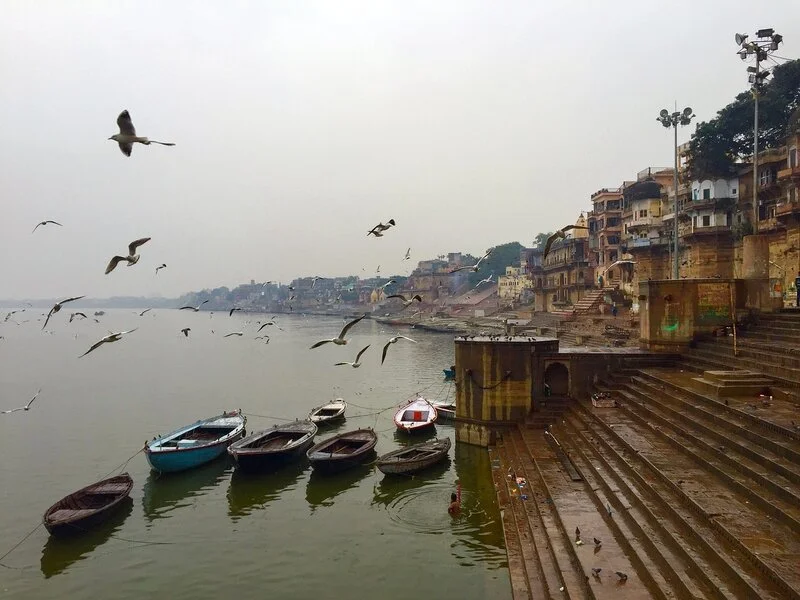
Per Person

Step into a journey of faith and culture with the Uttar Pradesh Pilgrimage Package by Travel ...
Per Person

Per Person
Showing 1 of 1 pages
Ayodhya is well-connected by road, rail, and air:
By Air: The newly inaugurated Maharishi Valmiki International Airport, Ayodhya Dham connects the city with major Indian metros.
By Train: Ayodhya Junction and Ayodhya Cantt Railway Station are major hubs.
By Road: Regular buses and taxis connect Ayodhya with Lucknow (135 km), Varanasi (200 km), and Gorakhpur (150 km).
Some must-visit attractions in Ayodhya are:
Ram Mandir (Ram Janmabhoomi Temple)
Hanuman Garhi Temple
Kanak Bhawan
Saryu Ghat
Nageshwarnath Temple
Tulsi Smarak Bhawan Museum
Treta ke Thakur Temple
These sites reflect Ayodhya’s rich mythology and history.
Top experiences in Ayodhya include:
Visiting the Ram Mandir and other ancient temples
Attending the Saryu River Aarti
Exploring Ayodhya’s ghats
Shopping for religious souvenirs, idols, and handicrafts
Visiting Tulsi Smarak Bhawan for Ramayana history
Some top nearby destinations include:
Faizabad (10 km) – Nawabi culture and heritage
Lucknow (135 km) – Historical monuments and cuisine
Varanasi (200 km) – Spiritual and cultural hub on the Ganga
Prayagraj (160 km) – Sangam and Kumbh Mela site
Gorakhpur (150 km) – Famous Gorakhnath Temple

