
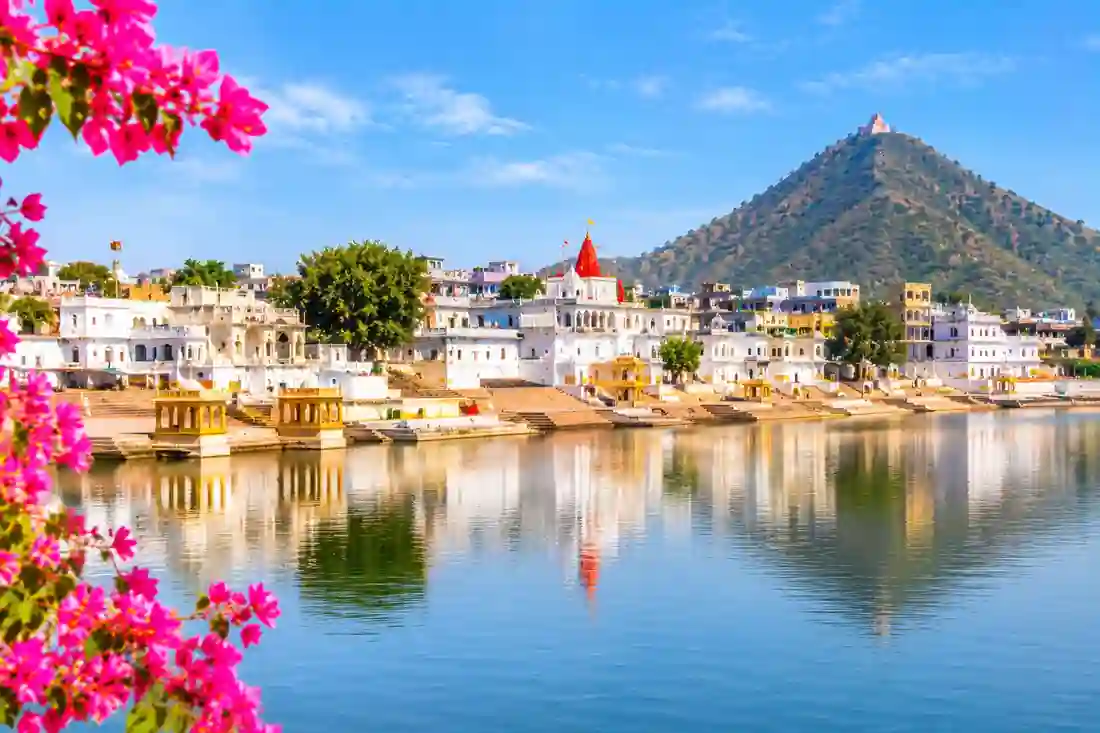




Where Sacred Heritage Meets Timeless Rajasthan
Ajmer is one of Rajasthan's most historically and spiritually significant destinations, celebrated for its revered Sufi shrine, magnificent Mughal monuments, peaceful lakes, ancient temples, and beautiful Aravalli landscapes. Located in central Rajasthan, approximately 130 kilometers southwest of Jaipur, Ajmer attracts pilgrims, families, history enthusiasts, photographers, and cultural travelers seeking an unforgettable experience of India's diverse religious traditions.
Surrounded by the rugged Aravalli Hills, Ajmer is popularly known for Ajmer Sharif Dargah, one of India's most revered Sufi pilgrimage destinations. The city is closely associated with Khwaja Moinuddin Chishti, the celebrated Sufi saint remembered as Gharib Nawaz, meaning Benefactor of the Poor.
Ajmer is particularly famous for Ajmer Sharif Dargah, Ana Sagar Lake, Adhai Din Ka Jhonpra, Taragarh Fort, and Soniji Ki Nasiyan Jain Temple. These attractions showcase the city's remarkable combination of spiritual heritage, historical architecture, artistic craftsmanship, and scenic beauty.
Historically associated with the Chauhan rulers, Ajmer later became an important center under the Delhi Sultanate, the Mughal Empire, and British administration. Its monuments reflect these different periods through their distinctive architectural styles and cultural influences.
The city is also located near Pushkar, one of Rajasthan's most important Hindu pilgrimage destinations, making Ajmer an excellent starting point for a combined spiritual and cultural journey.
Whether you are planning a religious pilgrimage, a family holiday, a heritage sightseeing tour, or a Rajasthan road trip, Ajmer offers a memorable combination of history, spirituality, traditional markets, and peaceful natural surroundings.
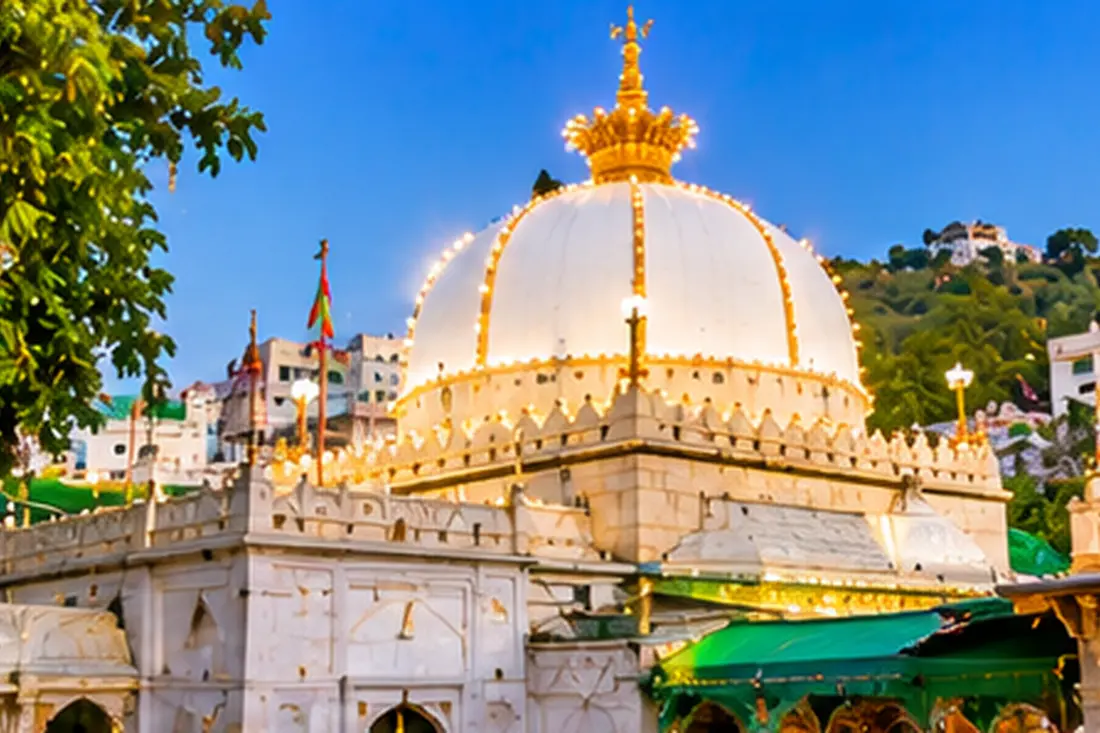
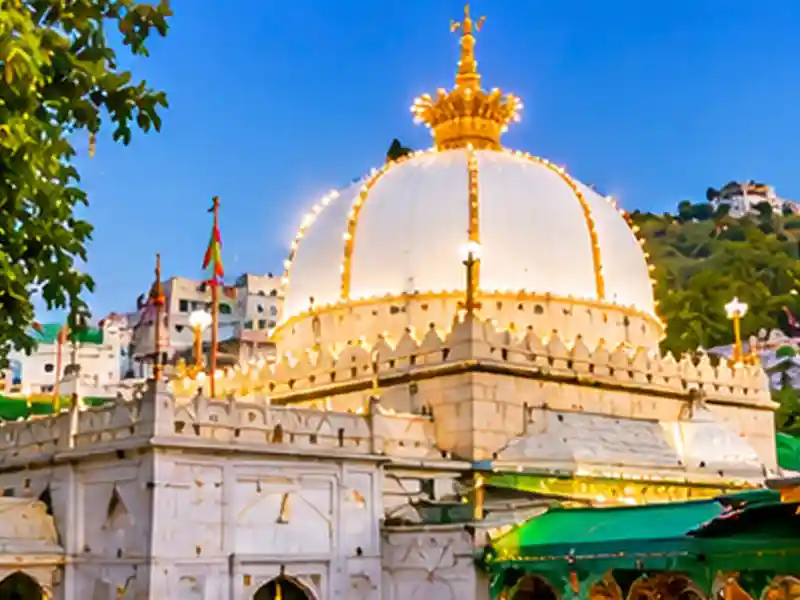
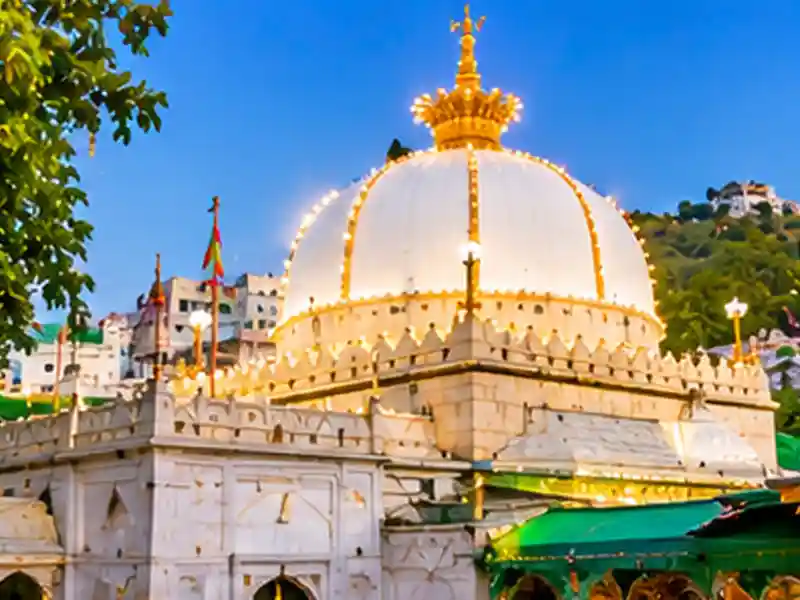
The magnificent Ajmer Sharif Dargah is the most famous attraction in Ajmer and one of India's most important Sufi pilgrimage sites.
The shrine houses the tomb of Khwaja Moinuddin Chishti, a revered Sufi saint whose teachings emphasized compassion, generosity, devotion, and service to humanity.
Devotees from different religious backgrounds visit the dargah to offer prayers, seek blessings, and experience its spiritual atmosphere.
The complex features beautifully designed gateways, marble courtyards, traditional decorative details, and historic mosques.
Important architectural landmarks include the Nizam Gate, Shah Jahan Gate, and Buland Darwaza.
The shrine is also known for its traditional degs, large cooking vessels used to prepare food distributed among devotees.
Visitors may experience devotional qawwali performances during appropriate gatherings and religious occasions.
The annual Urs commemorating Khwaja Moinuddin Chishti attracts pilgrims from across India and beyond.
Travelers should dress respectfully, follow shrine customs, and check visiting arrangements during major religious events.
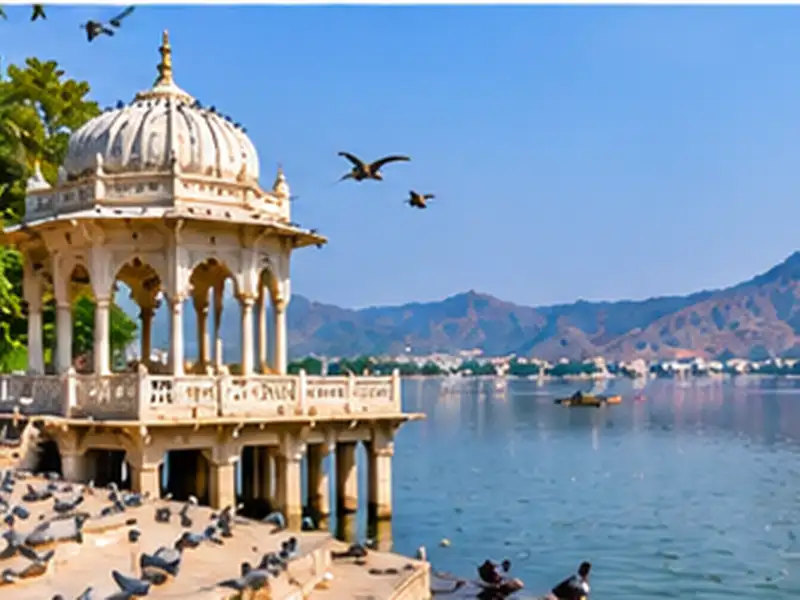
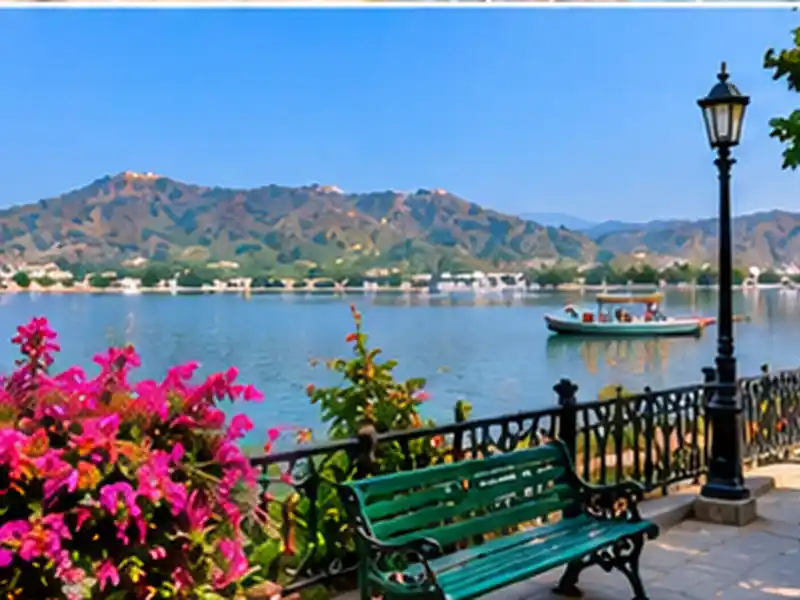
Ana Sagar Lake is one of Ajmer's most beautiful natural attractions and a popular destination for relaxation, sightseeing, and photography.
The artificial lake was constructed during the 12th century under Arnoraj Chauhan, also known as Anaji, a ruler of the Chauhan dynasty.
Surrounded by picturesque Aravalli Hills and historic gardens, the lake creates a peaceful atmosphere in the heart of the city.
The lakefront is particularly famous for its beautiful Mughal-era marble pavilions, known as the Ana Sagar Baradari.
These elegant structures were added during the reign of Emperor Shah Jahan, while the nearby gardens are associated with Emperor Jahangir.
Visitors can enjoy lakeside walks, scenic photography, and relaxing moments overlooking the water.
The area becomes especially attractive during the evening, when the changing sunlight creates beautiful reflections across the lake.
Ana Sagar Lake is ideal for families, couples, nature lovers, and travelers seeking a peaceful break from the busy city streets.
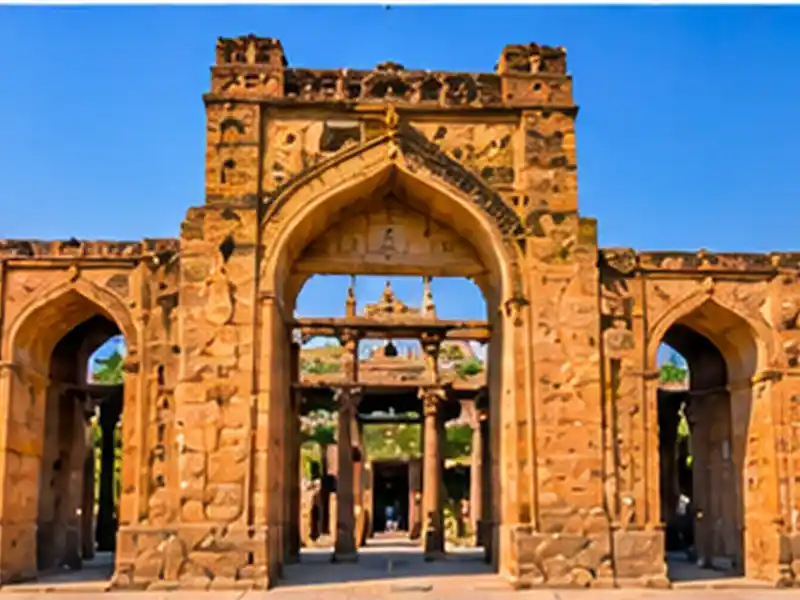
Adhai Din Ka Jhonpra is one of Ajmer's most remarkable historical landmarks, celebrated for its beautiful arches, intricately carved pillars, and distinctive Indo-Islamic architecture.
Located near Ajmer Sharif Dargah, the monument dates to the late 12th century and was developed during the early Delhi Sultanate period.
The site is traditionally associated with an earlier Sanskrit educational institution that was subsequently converted into a mosque.
Its impressive architectural features include beautifully decorated stone columns, elaborate inscriptions, and a monumental arched screen.
Additional architectural work was carried out during the reign of Sultan Iltutmish.
The structure demonstrates the artistic influences and building techniques of different historical periods.
Visitors can admire the intricate stone craftsmanship and explore the accessible areas of the monument.
Adhai Din Ka Jhonpra is particularly appealing for history enthusiasts, architecture lovers, and heritage photographers.
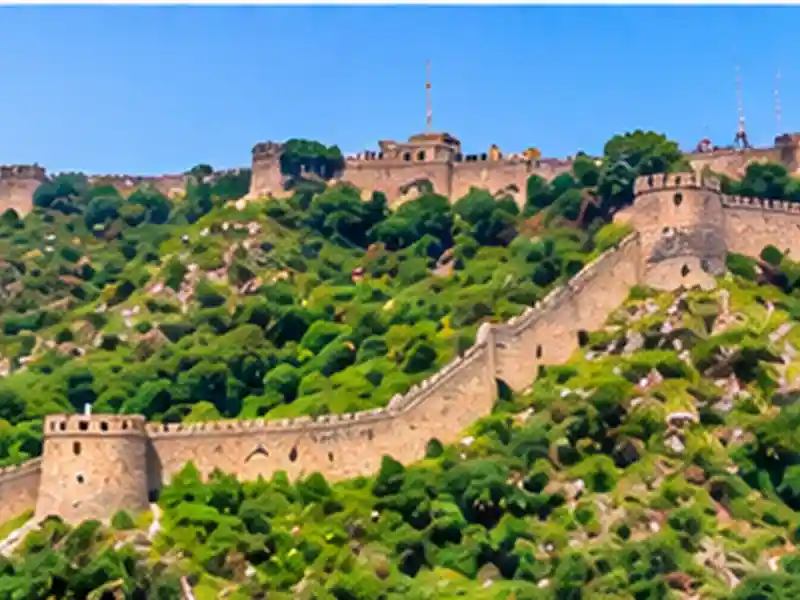
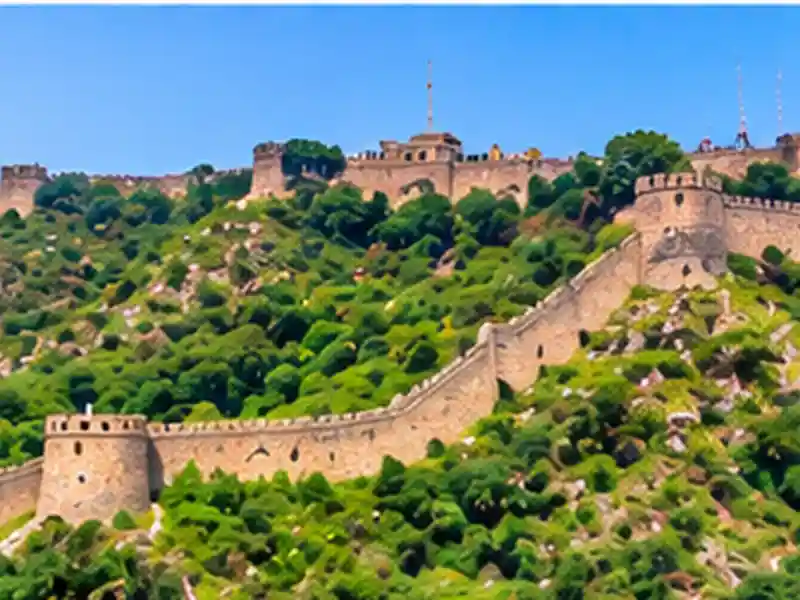
Taragarh Fort is one of Ajmer's most important historical attractions, situated on a hill overlooking the city.
Associated with the Chauhan rulers, the fort reflects the military history and defensive architecture of medieval Rajasthan.
Its elevated position provided strategic views of the surrounding plains, hills, and important travel routes.
The fort complex contains historic gateways, defensive walls, water reservoirs, and remnants of military structures.
One of its notable features is Bhim Burj, a historic bastion associated with the fort's artillery.
The hilltop is also home to the revered Miran Sahib Dargah, adding spiritual significance to the site.
Visitors can enjoy panoramic views of Ajmer and the surrounding Aravalli landscape.
Some sections of the fort are in a ruined condition, so travelers should exercise caution and follow permitted access routes.
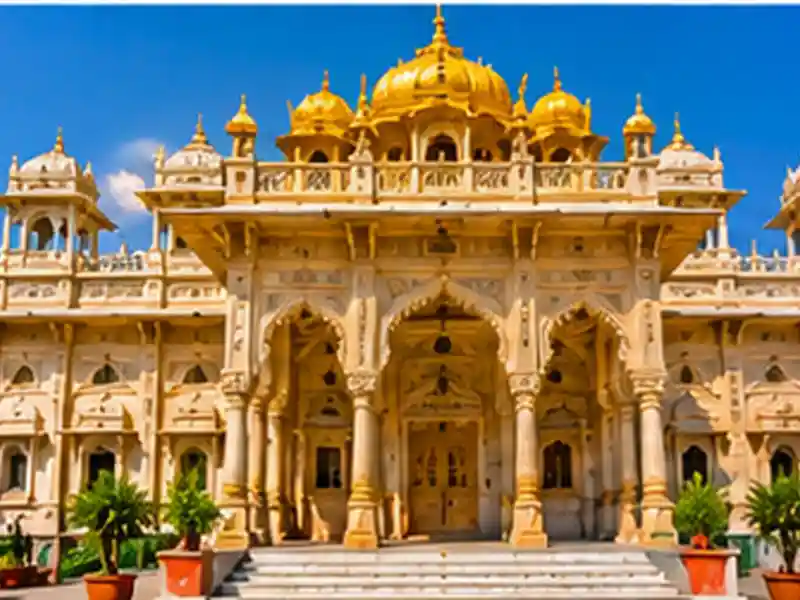
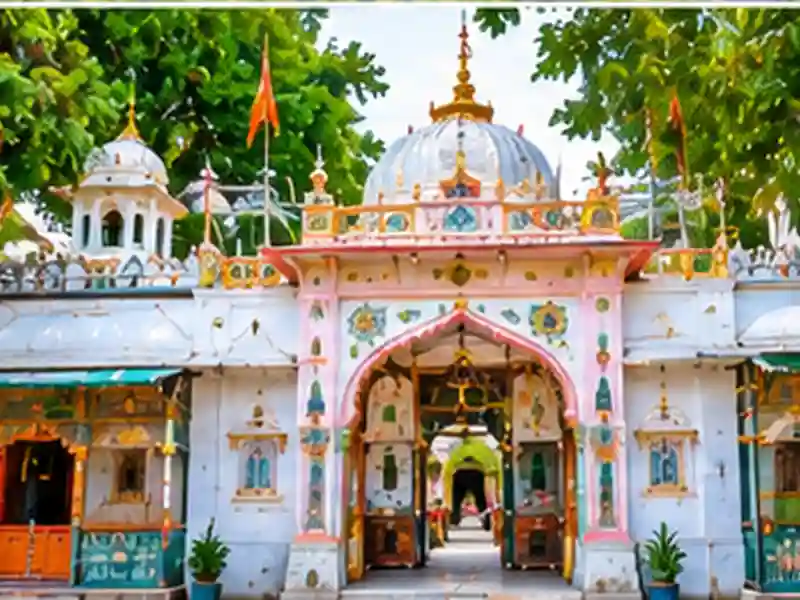
Soniji Ki Nasiyan, also known as the Ajmer Jain Temple or Red Temple, is one of the city's most beautiful religious and architectural landmarks.
Dedicated to Lord Adinath, the first Tirthankara of Jainism, the temple is renowned for its extraordinary decorative artwork.
Constructed during the 19th century, the complex features an impressive red sandstone entrance, elegant architectural details, and beautifully designed interiors.
Its most famous attraction is Swarna Nagari, meaning the Golden City.
This remarkable chamber contains elaborate gold-plated wooden models representing important themes from Jain religious cosmology.
The miniature structures depict palaces, celestial scenes, chariots, and religious narratives.
Visitors can admire the artistic craftsmanship and discover the cultural traditions of Jainism.
The temple is especially appealing for spiritual travelers, architecture enthusiasts, and visitors interested in traditional Indian artwork.
Akbari Fort, also known as Akbar's Palace, is an important historical landmark associated with the Mughal period.
Built during the reign of Emperor Akbar, the complex served as a royal residence and administrative center during Mughal visits to Ajmer.
Its traditional architectural design includes spacious courtyards, imposing walls, and decorative Mughal features.
Today, the complex houses the Ajmer Government Museum, which preserves historical artifacts associated with Rajasthan's cultural heritage.
The museum collection includes stone sculptures, inscriptions, weapons, paintings, and archaeological objects.
Visitors can explore the exhibits to learn about Ajmer's historical development and the different dynasties that influenced the region.
The attraction provides valuable context for understanding the city's royal and cultural history.
Foy Sagar Lake is a beautiful artificial lake situated on the outskirts of Ajmer.
Constructed in 1892 under the supervision of engineer Mr. Foy, the lake was originally developed as part of a famine-relief initiative.
Today, the lake is known for its peaceful surroundings and picturesque views of the Aravalli Hills.
The open landscape creates a relaxing atmosphere away from the busy city center.
Visitors can enjoy scenic photography, peaceful sightseeing, and beautiful views of the surrounding countryside.
The lake is particularly attractive during suitable weather conditions, when the landscape appears greener and the water level is higher.
Foy Sagar Lake is a pleasant addition to an Ajmer sightseeing itinerary for nature lovers and families.
Nareli Jain Temple, located on the outskirts of Ajmer along the Jaipur highway, is an important modern Jain pilgrimage attraction.
The temple complex is known for its striking architectural design, which combines contemporary construction with traditional Jain temple elements.
Its beautiful hilltop setting provides panoramic views of the surrounding countryside.
The complex includes an impressive main temple and additional shrines positioned along the hillside.
Visitors can admire the elegant architecture and experience the peaceful religious atmosphere.
The destination is especially appealing for travelers interested in spiritual experiences, architectural photography, and quiet surroundings.
Located approximately 15 kilometers from Ajmer, Pushkar is one of Rajasthan's most famous spiritual destinations.
The town is celebrated for its sacred Pushkar Lake, Brahma Temple, Savitri Mata Temple, and colorful traditional markets.
Pushkar Lake is surrounded by historic ghats and temples, creating a distinctive pilgrimage atmosphere.
The Brahma Temple is one of the best-known shrines dedicated to Lord Brahma.
Visitors can explore the charming streets, enjoy beautiful lake views, and discover the traditional culture of the region.
Pushkar is also famous for its annual camel fair, held around the Hindu month of Kartik.
A combined Ajmer and Pushkar sightseeing tour offers a memorable experience of Rajasthan's diverse religious and cultural heritage.
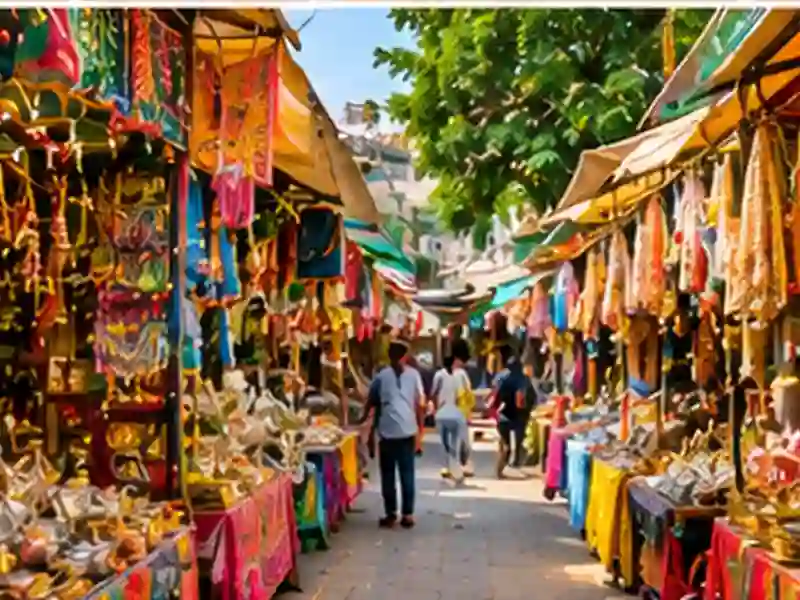
Ajmer offers a lively shopping atmosphere with traditional bazaars, colorful textiles, religious souvenirs, and regional handicrafts.
The market streets surrounding Ajmer Sharif Dargah are particularly popular among pilgrims and visitors.
Travelers can explore shops selling traditional clothing, prayer accessories, perfumes, handicrafts, and decorative products.
The city's food culture reflects a combination of Rajasthani traditions and Mughal culinary influences.
Popular dishes include Dal Baati Churma, Gatte Ki Sabzi, Kadhi Kachori, Sohan Halwa, and traditional Rajasthani thalis.
Ajmer is also known for its local sweet shops, savory snacks, and bustling street-food markets.
Exploring the traditional markets provides an opportunity to experience the city's everyday cultural life and regional hospitality.
Ajmer is much more than a pilgrimage destination. It is a city where sacred Sufi traditions, magnificent Mughal architecture, historic Rajput monuments, beautiful lakes, and vibrant Rajasthani culture come together.
From offering prayers at Ajmer Sharif Dargah and admiring the intricate architecture of Adhai Din Ka Jhonpra to enjoying peaceful views at Ana Sagar Lake and exploring Taragarh Fort, Ajmer offers memorable experiences for travelers of different interests.
Whether you are planning a spiritual journey, a family holiday, a cultural exploration, or a Rajasthan road trip, visiting Ajmer provides an opportunity to discover one of India's most historically rich and culturally diverse destinations.
Explore more beautiful destinations in Rajasthan.
Explore more Ajmer and Rajasthan travel experiences.


Plan a memorable getaway with Travel Ride.
Helpful answers about Ajmer.
Nearby attractions include:
Pushkar: A sacred Hindu town known for its Brahma Temple and Pushkar Lake.
Kishangarh: Famous for its marble industry and the Kishangarh Fort.
Ajmer Government Museum: Housed in the Ajmer Fort, showcasing historical artifacts .
Key attractions in Ajmer include:
Ajmer Sharif Dargah: A significant pilgrimage site for Muslims.
Ajmer Fort (Akbari Fort): A historical fort with a museum showcasing Mughal architecture.
Taragarh Fort: Offers panoramic views of the city and surrounding areas.
Ana Sagar Lake: A serene lake ideal for boating and relaxation.
Nareli Jain Temple: A modern Jain temple with intricate architecture .
Ajmer is well-connected by:
Air: The nearest airport is Jaipur International Airport, approximately 132 km away.
Train: Ajmer Junction is the main railway station, with connectivity to major cities.
Road: The city is accessible via national highways and state-run buses .
Ajmer Sharif Dargah: No entry fee.
Ajmer Fort (Akbari Fort): Entry is free .
Taragarh Fort: No entry fee.
Ana Sagar Lake: Free access; boating charges may apply.
Ajmer offers a variety of local delicacies, including:
Kadhi Kachori: A spicy snack.
Malpua: A sweet pancake.
Rabri: A sweet, condensed milk dessert.
Mughlai Biryani: A flavorful rice dish with meat .
 Why Visit Rajasthan With Family
 The Vibrant Desert Festival of Jaisalmer
 Pushkar Mela -The Reflection of Rajasthani Culture
 27 Famous National Parks in India
 Have a dip in the Royal past of Rajasthan with these Magnificent Forts.