

To More Inquiry





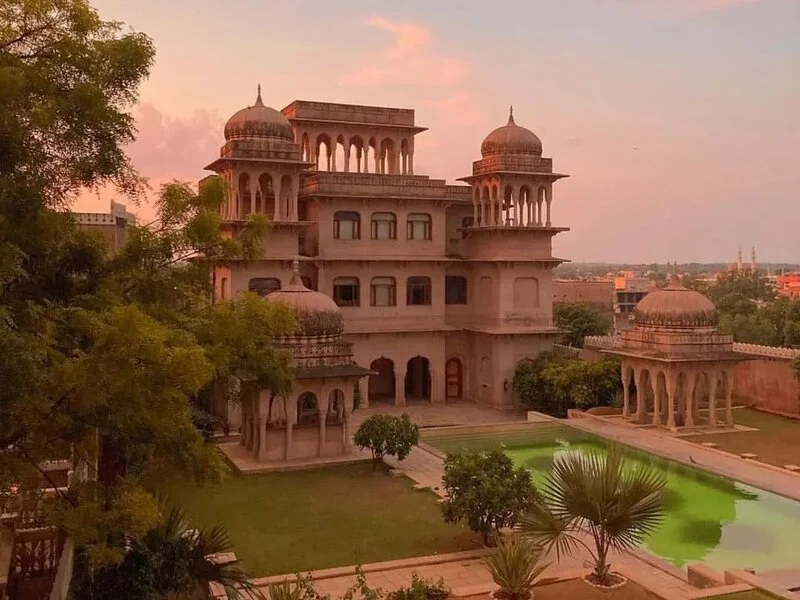
Mandawa is a charming town in Rajasthan known for its beautifully painted havelis, rich history, and vibrant cultural heritage. Located in the Shekhawati region, it is often referred to as an open art gallery due to its intricate frescoes and architectural beauty. The town offers a unique travel experience where art, history, and tradition come together in a peaceful environment. Visitors can explore heritage structures, walk through narrow streets, and admire detailed artwork that reflects the lifestyle of past merchants. Mandawa provides a distinctive and enriching journey for travelers interested in culture, architecture, and authentic Rajasthan experiences.
Mandawa is widely known for its painted havelis that showcase detailed frescoes and artistic excellence. These heritage houses were built by wealthy merchants and feature colorful walls, intricate designs, and storytelling through art. Walking through these structures allows visitors to admire craftsmanship and understand historical influences. The havelis reflect cultural richness and architectural beauty, making them the main attraction of Mandawa and a key reason to explore the town.
Intricate fresco artwork – Walls feature detailed paintings that depict cultural scenes, historical stories, and artistic expressions created by skilled artisans of earlier periods.
Historic merchant residences – Havelis were built by wealthy traders, reflecting their lifestyle, prosperity, and economic importance in the region’s history.
Architectural design elements – Structures include balconies, courtyards, and decorative features that highlight traditional craftsmanship and artistic creativity.
Cultural heritage significance – These havelis represent the artistic identity and historical richness of Mandawa and the Shekhawati region.
Mandawa is an important part of the Shekhawati region, known for its distinctive cultural and historical heritage. The town reflects traditions, art forms, and architecture that have been preserved over generations. Visitors can explore this heritage through its streets, structures, and local lifestyle. The combination of history and artistic expression creates a unique travel experience that sets Mandawa apart from other destinations in Rajasthan.
Cultural heritage importance – The region reflects traditions, customs, and artistic styles that define its identity and historical background.
Preservation of historical elements – Structures and artworks have been maintained, allowing visitors to experience authentic heritage.
Unique regional character – Shekhawati culture adds a distinctive and recognizable element to Mandawa’s identity.
Educational travel experience – Visitors can learn about history, art, and traditions through exploration and observation.
Mandawa features impressive architecture that combines artistic design with functional structure, making it visually appealing and culturally significant. The town includes havelis, forts, and buildings with detailed carvings and decorative elements. These structures highlight the craftsmanship and creativity of artisans from earlier periods. Exploring them provides insight into architectural styles and cultural influences that shaped the region’s development over time.
Detailed structural craftsmanship – Buildings include carvings, arches, and decorative elements that reflect traditional skills and artistic precision.
Artistic architectural features – Design elements highlight creativity and aesthetic value present in historical structures.
Cultural architectural significance – Structures represent traditions and influences that define the region’s identity.
Visually appealing surroundings – The town offers an artistic environment that enhances the overall travel experience.
Mandawa offers a calm and less crowded environment, making it ideal for travelers seeking a peaceful and culturally rich destination. Unlike busy tourist cities, it provides a relaxed atmosphere with minimal crowds. Visitors can explore streets, heritage buildings, and local culture at a comfortable pace. The quiet surroundings and traditional environment create a refreshing travel experience. This makes Mandawa a perfect choice for those looking to enjoy culture and history without rush.
Less crowded exploration – Fewer tourists allow visitors to explore attractions peacefully without facing heavy crowds or waiting times.
Calm travel environment – The quiet surroundings provide relaxation and comfort for visitors seeking a peaceful experience.
Ideal for slow travel – Travelers can explore the town at a comfortable pace without rushing through attractions.
Authentic cultural setting – The atmosphere reflects traditions and lifestyle of the region, offering a genuine experience.
Mandawa is a heritage town in Rajasthan known for its beautifully painted havelis, historic landmarks, and artistic charm. Located in the Shekhawati region, the town offers a unique travel experience where history and art come together in a meaningful way. Visitors can explore grand havelis, a historic fort, and traditional streets that reflect the lifestyle of wealthy merchants from earlier times. The detailed frescoes and architectural designs make every place visually appealing and culturally significant. The calm and less crowded environment allows travelers to explore comfortably while enjoying a deeper connection with heritage. These attractions make Mandawa an ideal destination for travelers interested in history, art, and cultural exploration.
Mandawa Fort is one of the most prominent attractions in the town, known for its architectural beauty and historical importance. Built in the eighteenth century, the fort features grand gateways, detailed frescoes, and traditional design elements that reflect Rajput architecture. It has been converted into a heritage property, allowing visitors to experience royal interiors closely. The structure represents the cultural and historical significance of Mandawa and provides insight into the lifestyle of rulers, making it a must visit destination for travelers.
Historic fort structure – The fort showcases strong construction, traditional design elements, and historical importance that reflect the legacy of Mandawa’s past rulers and architectural development.
Intricate fresco artwork – Walls and interiors feature detailed paintings that highlight artistic excellence and cultural storytelling through visual representation of traditions and historical themes.
Heritage property experience – Visitors can explore interiors and architecture closely, experiencing a blend of history and hospitality in a heritage setting.
Cultural landmark importance – The fort stands as a symbol of Mandawa’s history, architecture, and cultural identity within the region.
Hanuman Prasad Goenka Haveli is one of the most famous havelis in Mandawa, known for its detailed frescoes and artistic design. The walls of the haveli feature paintings depicting mythological stories, cultural themes, and scenes from daily life. The structure reflects the lifestyle and artistic taste of wealthy merchants who once lived here. Visiting this haveli allows travelers to appreciate craftsmanship and understand the artistic traditions of the Shekhawati region in a meaningful way.
Detailed fresco paintings – The walls display artwork depicting mythological themes, cultural scenes, and everyday life, showcasing artistic skills and storytelling traditions of earlier periods.
Historic merchant residence – The haveli reflects the lifestyle, prosperity, and social importance of wealthy traders in Mandawa’s historical development.
Artistic craftsmanship display – The design highlights creativity and skill of artisans who created intricate and expressive artwork.
Cultural heritage value – It represents the artistic richness and historical importance of Mandawa and the Shekhawati region.
Murmuria Haveli is a unique attraction in Mandawa, known for its distinctive frescoes that include both traditional and modern themes. The paintings feature cultural motifs along with images influenced by global ideas, making it visually interesting. The haveli stands out for its artistic style and detailed design elements. Visitors can explore its exterior and admire the creativity that reflects evolving artistic expression while still preserving traditional craftsmanship and cultural identity.
Unique fresco themes – The haveli features artwork combining traditional cultural designs with modern influences, creating a visually distinctive and engaging artistic presentation.
Artistic innovation display – Paintings highlight creative experimentation and evolving artistic styles influenced by changing cultural ideas.
Architectural design elements – The structure reflects traditional haveli construction with decorative features and balanced design.
Cultural artistic significance – It represents diversity and creativity present in Mandawa’s artistic and cultural heritage.
Jhunjhunwala Haveli is another remarkable heritage structure in Mandawa, known for its beautiful frescoes and traditional architectural style. The haveli features detailed wall paintings that depict cultural themes, mythological stories, and elements of daily life. Its design includes courtyards, balconies, and decorative features that highlight craftsmanship. Visitors can explore the structure and appreciate its artistic value. This haveli represents the rich artistic heritage of Mandawa and offers a deeper understanding of the region’s cultural and historical background.
Detailed fresco artwork – Walls display paintings depicting cultural themes, mythological stories, and scenes from daily life, reflecting artistic traditions and storytelling techniques of earlier periods.
Traditional architectural style – The structure includes courtyards, balconies, and decorative elements that highlight craftsmanship and design excellence.
Cultural heritage importance – The haveli represents the artistic and historical identity of Mandawa and the Shekhawati region.
Insight into merchant lifestyle – The design reflects the lifestyle, status, and cultural values of wealthy traders from historical times.
Gulab Rai Ladia Haveli is known for its striking frescoes and detailed artistic work that showcase Mandawa’s cultural richness. The haveli features vibrant paintings, intricate designs, and decorative elements that attract visitors. Its architecture reflects traditional construction combined with artistic creativity. Exploring this haveli provides insight into the craftsmanship and cultural influences present in the region. It is an important attraction for those interested in art and heritage.
Vibrant fresco paintings – The walls feature colorful artwork that reflects cultural themes and artistic creativity of the region.
Detailed decorative elements – Intricate designs and patterns highlight craftsmanship and attention to detail in construction.
Architectural beauty – The structure reflects traditional haveli design combined with artistic expression and elegance.
Cultural artistic value – It represents the heritage and artistic richness of Mandawa’s historical architecture.
Saraf Haveli is a well known heritage structure in Mandawa, admired for its intricate frescoes and elegant design. The haveli features detailed wall paintings that depict cultural stories and artistic expressions. Its architecture includes traditional elements such as courtyards and decorative facades. Visitors can explore the structure and appreciate its craftsmanship. This haveli offers a rich visual experience and reflects the artistic and cultural heritage of Mandawa.
Intricate fresco details – Walls display artistic paintings that represent cultural themes and storytelling traditions of the region.
Elegant architectural design – The structure includes traditional elements that reflect balanced construction and aesthetic appeal.
Cultural heritage representation – The haveli showcases artistic richness and historical importance of Mandawa.
Visual artistic experience – The design and artwork create a memorable and engaging experience for visitors.
Mandawa offers a variety of activities that combine art, history, and cultural exploration in a meaningful and engaging way. The town allows travelers to experience its heritage beyond simple sightseeing through interactive and immersive activities. From exploring painted havelis and understanding artistic traditions to walking through historic streets and capturing architectural beauty, each activity highlights a unique aspect of Mandawa. The calm environment and rich cultural background make every experience more enjoyable and personal. Whether you are interested in art, photography, or heritage exploration, Mandawa provides diverse activities that create a balanced and memorable travel experience for visitors.
Exploring painted havelis in Mandawa is one of the most engaging activities, allowing visitors to admire intricate frescoes and architectural beauty. Walking through these structures reveals detailed artwork depicting cultural stories, mythology, and scenes from daily life. The experience provides insight into artistic traditions and craftsmanship of earlier periods. Visitors can also understand the lifestyle of wealthy merchants who built these havelis. This activity offers a deeper connection to Mandawa’s heritage and enhances the overall travel experience.
Observe intricate fresco artwork – Visitors can explore detailed wall paintings depicting cultural stories, mythology, and daily life, showcasing artistic skills and storytelling traditions from historical periods.
Learn artistic traditions – The havelis highlight craftsmanship and creative expression developed by skilled artisans in Mandawa and the Shekhawati region.
Understand merchant lifestyle – Structures reflect the lifestyle, wealth, and cultural influence of traders who lived in these heritage buildings.
Immersive heritage experience – Exploring havelis provides a closer connection to Mandawa’s art, architecture, and cultural heritage.
Taking heritage walks through Mandawa’s streets is an engaging activity that allows visitors to explore the town’s architecture and cultural environment closely. Walking through narrow lanes reveals havelis, historic buildings, and traditional surroundings that reflect the town’s heritage. Visitors can observe daily activities and local lifestyle while exploring. This activity provides a deeper connection to Mandawa’s culture and allows a more personal and relaxed exploration experience.
Explore historic streets – Walking through lanes reveals traditional buildings, havelis, and cultural elements that define Mandawa’s heritage and identity.
Observe local lifestyle – Visitors can see daily activities and understand the lifestyle and routines of residents.
Discover architectural details – Walking allows closer observation of frescoes, carvings, and design elements present in structures.
Relaxed exploration pace – The activity offers a comfortable and enjoyable way to explore without rushing.
Photography in Mandawa is a rewarding activity due to its rich artistic environment and detailed architectural structures. The town offers numerous subjects including painted havelis, decorative walls, and traditional streets that create unique compositions. Visitors can capture images reflecting culture and history. Lighting conditions during sunrise and sunset enhance colors and details. This activity allows travelers to preserve memories while appreciating Mandawa’s artistic and cultural beauty.
Capture artistic details – Frescoes, carvings, and painted walls provide unique subjects that highlight craftsmanship and artistic creativity.
Explore scenic compositions – Streets, buildings, and heritage structures create visually appealing scenes for photography.
Ideal lighting conditions – Morning and evening light enhance colors, textures, and details of artwork and architecture.
Memorable visual documentation – Photography helps preserve travel experiences and highlights Mandawa’s cultural and artistic richness.
Visiting Mandawa Fort and exploring its interiors is a fascinating activity that allows visitors to experience royal architecture and historical charm. The fort features decorated rooms, traditional design elements, and artistic details that reflect the lifestyle of rulers. Walking through its corridors and spaces provides insight into historical living conditions. The experience combines heritage exploration with visual appeal, making it a meaningful activity for travelers interested in history and architecture.
Explore royal interiors – Visitors can walk through rooms and corridors that showcase traditional design, decor, and architectural elements of historical royal residences.
Learn historical significance – The fort reflects the history and legacy of Mandawa’s rulers and their lifestyle.
Observe architectural details – Decorative features and structural elements highlight craftsmanship and artistic design.
Immersive heritage experience – Exploring the fort provides a deeper connection to Mandawa’s history and cultural identity.
Experiencing local culture in Mandawa is a meaningful activity that allows visitors to connect with traditions, customs, and everyday life of the region. This includes observing local practices, interacting with residents, and understanding cultural values. The experience provides insight into lifestyle and social structure. It adds depth to the journey by going beyond monuments and allowing travelers to engage with authentic traditions in a personal way.
Observe traditional practices – Visitors can see customs and daily routines that reflect the cultural identity of the region.
Interact with local people – Conversations provide insight into lifestyle, traditions, and social values of residents.
Understand cultural values – The experience helps visitors learn about beliefs and practices followed in Mandawa.
Authentic cultural connection – Engaging with local life creates a deeper and more meaningful travel experience.
Taking peaceful walks in Mandawa is a relaxing activity that allows visitors to explore the town at a comfortable pace. The quiet streets and less crowded environment make walking enjoyable. Visitors can observe architecture, local life, and surroundings closely. This activity is ideal for those who prefer slow travel and want to experience Mandawa in a calm and personal way.
Relaxed exploration pace – Walking allows visitors to explore comfortably without rushing, making the experience enjoyable and stress free.
Observe local surroundings – Visitors can notice architectural details, lifestyle, and environment more closely.
Enjoy calm atmosphere – The peaceful setting provides relaxation and a break from crowded tourist destinations.
Ideal for reflection moments – Walking offers time to appreciate the destination and enjoy a more personal travel experience.
Mandawa can be visited throughout the year, but the overall experience depends on weather conditions and travel preferences. The town has a typical semi arid climate with hot summers, pleasant winters, and a short monsoon season. Since most attractions involve walking through streets and exploring havelis, choosing the right time is important for comfort. Winter is considered the best season due to its mild and enjoyable weather. However, each season offers a different experience, from quieter travel in summer to slightly refreshing surroundings during monsoon. Understanding seasonal variations helps travelers plan better and enjoy Mandawa comfortably.
Winter is the best time to visit Mandawa, as the weather remains cool and comfortable for exploring havelis and walking through the town. Daytime temperatures are pleasant, while mornings and evenings can be slightly chilly. The clear skies enhance visibility and overall experience. This season is ideal for photography and cultural exploration. The comfortable climate allows visitors to spend more time outdoors, making it the most preferred season for travelers visiting Mandawa.
Pleasant weather conditions – The temperature remains comfortable, allowing visitors to explore streets, havelis, and attractions without facing extreme heat or discomfort.
Ideal for sightseeing – Clear skies and mild climate make it easier to explore heritage sites and enjoy detailed artwork.
Comfortable walking experience – The weather supports long walking hours, making exploration more enjoyable.
Best photography opportunities – Good lighting and clear visibility enhance colors and details of frescoes and architecture.
Summer in Mandawa is hot, with temperatures rising significantly during the daytime. The heat can make outdoor exploration challenging, especially while walking through open streets. However, this season sees fewer tourists, allowing a quieter experience. Early mornings and evenings are more suitable for activities. Travelers who can manage the heat may benefit from lower accommodation costs and less crowded attractions.
High temperature conditions – Daytime heat can be intense, requiring careful planning and limiting outdoor activities during peak afternoon hours for comfort.
Less crowded attractions – Fewer tourists allow peaceful exploration without heavy crowds or waiting times.
Budget friendly travel – Lower demand often results in better accommodation deals and cost effective travel options.
Suitable time planning – Visiting early morning or evening helps avoid heat and ensures a more comfortable experience.
Monsoon brings a slight change to Mandawa with occasional rainfall that reduces heat and refreshes the surroundings. Although rainfall is limited, it adds a fresh look to the environment and makes travel more comfortable than summer. Tourist crowds are moderate, allowing relaxed exploration. The overall atmosphere becomes pleasant, making it suitable for visitors who prefer fewer crowds and a quieter experience.
Slight temperature relief – Rainfall helps reduce heat and creates a more comfortable environment compared to peak summer months.
Fresh surroundings – Occasional rain adds freshness and improves the overall visual appeal of the town.
Moderate tourist presence – Fewer visitors allow peaceful and relaxed exploration of attractions.
Balanced travel experience – The combination of improved weather and fewer crowds creates a comfortable visit.
Mandawa is well connected to major cities in Rajasthan and nearby states through road and rail networks, making it easily accessible for travelers. Located in the Shekhawati region, the town does not have its own airport, but nearby cities provide convenient connectivity. Travelers can choose from air, rail, and road options depending on comfort and travel time. The roads leading to Mandawa are well maintained, allowing smooth journeys. Proper planning ensures a comfortable and hassle free travel experience, making it easy for visitors to explore the town’s heritage, havelis, and cultural attractions without difficulty.
The nearest airport to Mandawa is Jaipur International Airport, located approximately 170 kilometers away. It is well connected to major cities such as Delhi, Mumbai, and other parts of India. From the airport, travelers can hire taxis or private cabs to reach Mandawa comfortably. The road journey takes around three to four hours. Air travel is suitable for visitors coming from distant locations and provides a faster way to reach the region.
Nearest airport connectivity – Jaipur airport connects Mandawa with major Indian cities, making it convenient for travelers arriving by air.
Faster travel option – Air travel reduces journey time significantly, making it ideal for long distance visitors.
Easy road transfers – Taxis and private cabs are available from the airport, ensuring a comfortable journey to Mandawa.
Suitable for long distance travel – This option is best for travelers who prefer speed, comfort, and convenience.
The nearest railway station to Mandawa is Jhunjhunu, located around 30 kilometers away, while larger stations like Jaipur and Sikar provide better connectivity. From these stations, travelers can hire taxis or use local transport to reach Mandawa. Train travel offers both budget and comfortable options with different classes available.
Rail connectivity options – Jhunjhunu and nearby stations connect Mandawa to various cities, offering convenient travel choices.
Budget friendly travel – Train journeys are economical, making them suitable for travelers managing expenses.
Accessible local transfers – Taxis and local transport help reach Mandawa easily from railway stations.
Multiple travel classes – Sleeper and air conditioned coaches allow travelers to choose based on comfort and budget.
Mandawa is well connected by road to cities such as Jaipur, Delhi, and Bikaner through a network of highways. Travelers can reach the town by private cars, taxis, or buses. Regular government and private bus services operate frequently. Road travel offers flexibility and allows visitors to enjoy scenic countryside views during the journey.
Well maintained road network – Highways connecting Mandawa are in good condition, ensuring smooth and comfortable travel.
Bus services availability – Government and private buses provide affordable and accessible travel options for visitors.
Flexible travel planning – Road journeys allow travelers to plan stops and explore nearby locations along the route.
Scenic journey experience – The route offers views of countryside landscapes, making the travel experience enjoyable.
Mandawa offers rich cultural experiences that reflect its artistic heritage, historical background, and traditional lifestyle. The town is known for its beautifully painted havelis, local customs, and preserved cultural identity. Visitors can engage in activities that go beyond sightseeing and provide a deeper understanding of Mandawa’s traditions. From exploring artistic expressions and local practices to interacting with residents and observing daily life, each experience highlights a unique aspect of the town. These cultural activities allow travelers to connect with Mandawa’s heritage in a meaningful and memorable way.
Exploring fresco art and heritage in Mandawa is a unique cultural experience that allows visitors to appreciate the town’s artistic excellence. The painted havelis feature detailed artwork that reflects historical stories, mythology, and cultural life. Walking through these structures provides insight into artistic traditions and craftsmanship. Visitors can observe intricate designs and understand their significance. This activity connects travelers with Mandawa’s identity as an open art gallery and enhances the overall cultural experience.
Detailed artistic expression – Frescoes display paintings that depict mythology, cultural themes, and daily life, showcasing artistic traditions of the region.
Heritage craftsmanship value – The artwork reflects skills and creativity developed by artisans over generations.
Cultural storytelling through art – Paintings communicate history, beliefs, and lifestyle of earlier periods.
Immersive cultural exploration – Visitors can closely observe artwork and connect with Mandawa’s artistic heritage.
Experiencing local traditions and lifestyle in Mandawa offers a meaningful cultural activity that allows visitors to connect with everyday life and customs of the region. This includes observing daily routines, interacting with residents, and understanding social practices. The experience provides insight into cultural values and traditions. It adds depth to the journey by going beyond monuments and allowing travelers to engage with authentic cultural elements.
Observe daily cultural practices – Visitors can see routines and customs that reflect the identity and lifestyle of local communities.
Interact with local residents – Conversations provide insight into traditions, values, and social structure of the region.
Understand cultural lifestyle – The experience helps visitors learn about beliefs and practices followed in Mandawa.
Authentic cultural connection – Engaging with local life creates a deeper and more meaningful travel experience.
Attending local festivals in Mandawa is a vibrant cultural experience that showcases traditions, rituals, and community spirit. Festivals include music, dance, and social gatherings that reflect the region’s heritage. Visitors can observe unique customs and participate in celebrations. The lively atmosphere creates an engaging environment. This activity allows travelers to experience Mandawa’s culture in its most expressive and authentic form.
Traditional festival celebrations – Events include rituals, music, and cultural activities that highlight the heritage of the region.
Community participation experience – Festivals bring people together, creating a lively and interactive environment.
Unique cultural practices – Visitors can observe customs and traditions specific to Mandawa and Shekhawati region.
Memorable cultural moments – The festive atmosphere creates lasting memories and enhances the travel experience.
Enjoying heritage walks in Mandawa is an engaging activity that allows visitors to explore the town’s architecture and cultural environment closely. Walking through streets reveals havelis, artwork, and traditional surroundings. Visitors can observe daily life and understand cultural development. This activity combines exploration with learning, making it ideal for travelers interested in history and culture.
Discover heritage streets – Walking through lanes reveals architectural features and cultural elements of Mandawa.
Observe local lifestyle – Visitors can see everyday activities and understand the way of life in the town.
Learn cultural history – Exploration provides insight into traditions and development of the region.
Interactive cultural experience – Walking offers a closer and more engaging way to understand heritage.
Shopping in Mandawa offers a unique cultural experience where traditional handicrafts and artistic souvenirs reflect the heritage of the Shekhawati region. The town is known for its painted havelis, and this artistic influence extends into its local markets and products. Visitors can explore a variety of items including textiles, handmade crafts, and decorative pieces that showcase regional craftsmanship. The shopping experience is simple yet meaningful, allowing travelers to connect with local culture. Purchasing these items not only provides memorable souvenirs but also supports local artisans and preserves traditional skills that have been passed down through generations.
Exploring local markets and streets in Mandawa is an engaging activity that allows visitors to experience the town’s cultural environment closely. The markets offer a variety of handicrafts, textiles, and daily use items. Walking through these streets provides insight into local lifestyle and traditions. The atmosphere is calm and less crowded, making shopping enjoyable. This activity helps travelers discover authentic products while connecting with the culture of Mandawa.
Traditional market environment – Streets are lined with small shops and vendors offering local products that reflect everyday life and culture of Mandawa.
Variety of items available – Visitors can find handicrafts, textiles, and decorative pieces suitable for souvenirs and personal use.
Cultural shopping experience – Walking through markets allows travelers to observe traditions and lifestyle closely.
Interaction with local vendors – Conversations with shopkeepers provide insight into products and cultural practices.
Buying hand painted art and crafts in Mandawa is a popular activity due to the town’s strong artistic heritage. These items often reflect the same fresco style seen in havelis, featuring detailed designs and vibrant colors. Visitors can purchase paintings, decorative pieces, and artistic souvenirs. Exploring these crafts helps visitors appreciate creativity and traditional techniques used by artisans.
Fresco inspired artwork – Designs reflect traditional painting styles seen in Mandawa’s havelis, showcasing artistic heritage and creativity.
Handmade artistic products – Items are created using traditional techniques, highlighting craftsmanship and attention to detail.
Unique decorative pieces – Visitors can find wall art and souvenirs that represent cultural identity of the region.
Support local artisans – Purchasing these items helps sustain traditional art forms and local livelihoods.
Shopping for traditional textiles in Mandawa offers an opportunity to explore fabrics that reflect regional culture and craftsmanship. Local markets provide materials with patterns and designs inspired by Shekhawati traditions. These textiles are known for their quality and artistic appeal. This activity allows visitors to appreciate craftsmanship while purchasing useful and meaningful items.
Traditional fabric designs – Textiles feature patterns that reflect cultural identity and artistic traditions of the region.
Quality material options – Fabrics are known for durability and craftsmanship, making them valuable purchases.
Variety of textile choices – Visitors can find materials suitable for clothing and decorative purposes.
Cultural shopping value – Buying textiles provides insight into local traditions and creative expression.
Shopping in Mandawa can be more enjoyable with a few practical tips that help visitors find authentic products and make better purchasing decisions. Understanding local market practices ensures a smooth and satisfying experience.
Check product quality carefully – Inspect materials and finishing before purchasing to ensure durability and value for money.
Compare prices before buying – Visiting multiple shops helps understand pricing and ensures better deals.
Prefer handmade authentic items – Choosing local products ensures originality and supports traditional craftsmanship.
Carry cash for convenience – Smaller shops may prefer cash payments, making transactions easier during shopping.
Mandawa offers a unique opportunity to experience authentic village culture that reflects the traditions and lifestyle of rural communities in the Shekhawati region. The villages around Mandawa showcase simple living, strong community bonds, and a deep connection with heritage and environment. Visitors can explore traditional homes, observe daily routines, and understand how people maintain their cultural practices. The region is rich in art, customs, and local traditions that have been preserved over generations. Experiencing village life in Mandawa provides a deeper understanding of cultural identity and creates meaningful travel memories beyond typical sightseeing.
Experiencing the traditional rural lifestyle in Mandawa allows visitors to understand how local communities live with simplicity and strong cultural values. Daily life includes farming, household activities, and social interactions that reflect community based living. Visitors can observe these routines and interact with villagers to learn about their way of life. The calm environment provides a refreshing break from urban settings and offers an authentic rural experience.
Observe daily village routines – Visitors can see farming, cooking, and household activities that reflect everyday life of rural communities in Mandawa.
Simple and community living – The lifestyle reflects shared responsibilities and strong social bonds within the village environment.
Cultural lifestyle understanding – Visitors gain insight into traditions and practices followed in rural areas.
Peaceful surroundings – The calm environment provides relaxation and a break from busy city life.
Interacting with local communities in Mandawa villages offers a meaningful cultural experience that helps visitors understand traditions, customs, and social values. Conversations with residents provide insight into their lifestyle and daily practices. The welcoming nature of villagers enhances the experience. Visitors can learn about festivals, traditions, and community life. This interaction creates a personal connection and adds depth to the travel experience.
Warm local hospitality – Villagers are welcoming and friendly, making visitors feel comfortable and valued during their visit.
Learn local traditions – Conversations help visitors understand customs, rituals, and cultural practices followed by communities.
Insight into daily life – Interaction provides understanding of how people live and work in rural areas.
Meaningful cultural exchange – Sharing experiences creates a connection between visitors and local residents.
Exploring traditional art and crafts in Mandawa villages allows visitors to appreciate the creativity and craftsmanship of local artisans. Handmade products such as paintings, textiles, and decorative items reflect cultural heritage. Visitors can observe the making process and understand the effort involved. This experience highlights the importance of preserving traditional skills and supports local livelihoods.
Observe artistic craftsmanship – Visitors can watch artisans create handmade items using traditional techniques passed through generations.
Variety of local crafts – Items include paintings, textiles, and decorative pieces reflecting cultural identity and creativity.
Learn traditional techniques – Understanding the process provides insight into skill and artistic knowledge of artisans.
Support local artisans – Purchasing handmade products helps sustain traditional crafts and rural communities.
Experiencing folk music and cultural traditions in Mandawa villages provides insight into the artistic and social life of the region. Performances include traditional songs, instruments, and dances that reflect cultural stories and lifestyle. The vibrant expressions create an engaging atmosphere. These activities often take place during gatherings or local events. This experience adds depth to the journey and showcases the cultural richness of rural communities.
Traditional music performances – Folk songs reflect cultural stories and heritage, creating an immersive experience for visitors.
Cultural dance expressions – Performances include movements and costumes that bring traditions to life.
Storytelling through art – Music and dance communicate history, beliefs, and daily life of communities.
Engaging cultural atmosphere – The lively environment makes the experience enjoyable and memorable.
Mandawa offers a distinctive luxury experience where heritage charm meets refined comfort in beautifully restored havelis and boutique properties. The town is known for its artistic architecture, painted walls, and traditional interiors that reflect the lifestyle of wealthy merchants from the past. Many accommodations are heritage havelis converted into hotels, offering a royal ambiance with modern amenities. Guests can enjoy curated experiences such as cultural performances, traditional dining, and peaceful surroundings. Staying in Mandawa is not just about comfort but about experiencing history and art in an immersive way. This blend of heritage and hospitality creates a memorable luxury travel experience.
Staying in heritage haveli hotels in Mandawa offers a unique opportunity to experience traditional architecture and royal lifestyle with modern comfort. These properties feature painted walls, carved doors, and spacious courtyards that reflect historical design. The interiors are decorated with artistic elements that enhance the experience. Guests can enjoy personalized services and a peaceful environment. This stay allows visitors to connect with Mandawa’s heritage while enjoying a comfortable and refined atmosphere.
Traditional architectural experience – Havelis feature painted walls, carved doors, and courtyards that reflect heritage design and craftsmanship.
Artistic interior decor – Rooms include frescoes, antique furniture, and decorative elements that enhance the cultural experience.
Personalized hospitality services – Guests receive attentive service that ensures comfort and a refined stay experience.
Immersive heritage atmosphere – The surroundings reflect history and tradition, creating a unique and engaging environment.
Luxury experiences in Mandawa include cultural dining that combines traditional cuisine with a heritage setting. Many haveli hotels offer meals in beautifully decorated courtyards or heritage dining areas. The ambiance reflects local culture and artistic surroundings. Guests can enjoy regional dishes prepared with traditional methods. This experience adds a cultural dimension to dining and enhances the overall stay in Mandawa.
Traditional dining ambiance – Meals are served in heritage settings that reflect cultural design and artistic surroundings.
Authentic regional cuisine – Dishes are prepared using traditional recipes and local ingredients.
Comfortable dining experience – Guests can enjoy meals in peaceful and well arranged spaces.
Memorable culinary experience – Cultural dining adds a unique and enjoyable element to the stay.
Luxury stays in Mandawa allow guests to experience art and heritage directly within their accommodation. The properties feature detailed frescoes, traditional designs, and artistic elements that reflect the town’s identity. Guests can explore interiors and appreciate craftsmanship without leaving their stay. This experience creates a deeper connection to Mandawa’s cultural and artistic heritage.
Fresco artwork surroundings – Walls and interiors display detailed paintings that showcase Mandawa’s artistic traditions.
Heritage architectural elements – Structures include design features that reflect traditional construction and craftsmanship.
Artistic environment experience – Guests stay surrounded by art, creating a visually engaging atmosphere.
Cultural immersion opportunity – The stay allows deeper understanding of Mandawa’s heritage and artistic identity.
Luxury stays in Mandawa offer a calm and peaceful environment that allows visitors to relax while enjoying heritage surroundings. The properties are designed to provide comfort with quiet spaces and traditional ambiance. Guests can unwind in courtyards and open areas while experiencing a slower pace of life. This combination of relaxation and cultural setting creates a refreshing and memorable stay experience.
Peaceful stay environment – Quiet surroundings provide relaxation and comfort for visitors seeking a calm experience.
Heritage ambiance experience – The setting reflects traditional design and cultural elements that enhance the stay.
Comfortable leisure spaces – Courtyards and open areas allow guests to relax and enjoy their surroundings.
Ideal for relaxing retreats – These stays are perfect for travelers looking for a peaceful and refreshing experience.
Mandawa offers a variety of accommodation options that reflect its rich heritage and artistic charm while catering to different travel preferences. The town is known for its beautifully restored havelis, heritage hotels, and comfortable stays that provide a unique cultural experience. Many accommodations preserve traditional architecture with painted walls, courtyards, and antique decor, while also offering modern amenities for convenience. Visitors can choose from budget stays to luxury haveli hotels depending on their needs. Staying in Mandawa is not just about comfort but about experiencing its artistic and historical atmosphere. Choosing the right accommodation enhances the overall travel experience by ensuring comfort, convenience, and cultural immersion.
Budget hotels and guesthouses in Mandawa are suitable for travelers looking for affordable accommodation with essential comfort. These options provide basic facilities such as clean rooms, simple services, and convenient locations within the town. They are ideal for short stays and budget conscious travelers. The environment is simple yet comfortable, ensuring a practical stay experience while exploring Mandawa’s attractions.
Affordable accommodation options – Budget hotels provide cost effective stays, making them suitable for travelers managing their expenses efficiently.
Basic facilities available – Rooms include essential amenities such as beds, clean spaces, and necessary services for a comfortable stay.
Convenient location access – Many budget accommodations are located near key areas, reducing travel time within the town.
Suitable for short stays – These options are ideal for visitors planning brief trips and simple accommodation needs.
Mid range hotels in Mandawa offer a balance between comfort and affordability, making them suitable for most travelers. These accommodations provide well maintained rooms, improved facilities, and additional services compared to budget options. Guests can enjoy a comfortable stay with easy access to major attractions. The overall experience is more refined while remaining reasonably priced for visitors.
Comfortable room facilities – Hotels provide well furnished rooms with improved amenities for a pleasant and relaxed stay experience.
Balanced pricing options – Mid range hotels combine affordability with comfort, offering good value for travelers.
Additional services available – Facilities such as dining and assistance services enhance convenience during the stay.
Suitable for families – These hotels provide a comfortable environment for both individual travelers and families.
Heritage haveli stays in Mandawa provide a unique accommodation experience that reflects the town’s artistic and cultural identity. These properties feature painted walls, traditional architecture, and antique decor that create an immersive atmosphere. Guests can enjoy personalized hospitality and peaceful surroundings. This option is ideal for travelers seeking a distinctive stay connected to Mandawa’s heritage.
Traditional haveli architecture – Properties feature painted walls, courtyards, and design elements that reflect cultural heritage and artistic charm.
Artistic interior decor – Rooms include frescoes and antique furnishings that enhance the stay experience.
Personalized hospitality services – Guests receive attentive service that ensures comfort and a refined experience.
Cultural stay experience – These accommodations allow visitors to connect with Mandawa’s traditions and heritage.
Luxury hotels and boutique properties in Mandawa offer premium facilities and high quality services for travelers seeking comfort and elegance. These accommodations provide spacious rooms, modern amenities, and relaxing environments while maintaining heritage aesthetics. Guests can enjoy refined hospitality and peaceful surroundings, making their stay comfortable and memorable.
Premium room amenities – Luxury properties offer spacious rooms with high quality furnishings and advanced facilities for maximum comfort.
High standard hospitality – Professional services ensure a refined and enjoyable stay experience for guests.
Recreational facilities available – Amenities such as leisure spaces and relaxation areas enhance the stay experience.
Ideal for premium stays – These accommodations are perfect for travelers seeking comfort, privacy, and a luxurious environment.
Mandawa offers a rich culinary experience influenced by traditional Rajasthani flavors and local Shekhawati culture. The food here reflects the region’s climate, using ingredients and cooking techniques suited to dry conditions. From hearty meals to flavorful snacks and traditional sweets, the cuisine provides a balanced mix of taste and tradition. Many dishes are prepared using recipes passed down through generations, preserving authentic flavors and simplicity. Exploring local food in Mandawa is not just about tasting dishes but also about understanding the cultural identity and lifestyle of the region through its distinctive and traditional cuisine.
Dal Baati Churma – A traditional Rajasthani dish made with baked wheat balls served with lentils and sweet churma, offering a balanced combination of flavors and textures.
Gatte ki Sabzi – Gram flour dumplings cooked in a spicy yogurt based gravy, known for its rich taste and commonly enjoyed as a staple dish.
Ker Sangri – A desert specialty made from dried berries and beans, cooked with spices to create a tangy and flavorful traditional preparation.
Bajre ki Roti – A nutritious flatbread made from millet flour, often served with local curries and known for its rustic taste and suitability for dry climate conditions.
Pyaaz Kachori – A crispy deep fried snack filled with spiced onion mixture, loved for its rich flavor and crunchy texture, commonly enjoyed as street food.
Mirchi Bada – Large green chilies stuffed with spiced filling, coated in gram flour batter, and deep fried, making it a popular savory snack.
Ghewar – A traditional sweet made from flour and sugar syrup, often garnished with nuts, known for its unique texture and festive importance.
Malpua – A sweet dish made from flour and sugar syrup, known for its soft texture and commonly served during festivals and special occasions.
Traveling to Mandawa can be a smooth and enjoyable experience with proper planning, as the town involves walking through streets, exploring havelis, and spending time in open surroundings. The calm and less crowded environment makes it ideal for relaxed travel, but basic preparation is still important for comfort and convenience. Understanding local conditions, weather, and cultural practices helps ensure a better experience. From planning your visits and managing time to respecting heritage sites and local traditions, these travel tips will help you explore Mandawa in an organized, comfortable, and memorable way.
Start your exploration early – Visiting attractions in the morning helps avoid heat and allows comfortable walking through streets and havelis while enjoying a peaceful environment.
Wear comfortable footwear – Walking is a major part of exploring Mandawa, so comfortable shoes are essential for a smooth and enjoyable experience.
Carry water and essentials – Staying hydrated and carrying items like sunscreen and hats helps maintain comfort during outdoor exploration.
Respect heritage structures – Avoid touching or damaging frescoes and follow guidelines to help preserve historical artwork and buildings.
Plan your route in advance – The town has many havelis, so planning your visit helps save time and ensures efficient exploration.
Take time for photography – Mandawa is rich in art and architecture, so allowing time for photography enhances the experience.
Use local transport when needed – Auto rickshaws and taxis are available, but confirming fares beforehand ensures a smooth journey.
Keep cash for small expenses – Local shops and vendors may prefer cash, making transactions easier during your visit.

Per Person

Per Person
Per Person
Showing 1 of 1 pages
Several places captivate the visitor's imagination. Tourists coming from these present circumstances can appreciate the celebrated cooking styles of Rajasthan, for example, Rajasthan Thali, Moong ka Halwa, Ghevar, and particularly Dal Baati Choorma. Mandawa is known for the fortress and Havelis that it holds. The absolute most popular Havelis are Murmuria Haveli which is known for its painting of various heads of the antiquated time.
The closest air terminal is the Jaipur worldwide air terminal which is 180 km approx. away from Mandawa. Hence Mandawa is associated with significant urban communities through this air terminal. A good distance of around 28 km, or so from Mandawa lies Jhunjhunu rail line station which is the closest railroad station to the city. The Jhunjhunu Railway station is very much associated with significant urban communities like New Delhi, Jaipur, and Bikaner.
The best opportunity to investigate Mandawa is during the months from October to March when the climate is lovely and appropriately helpful for a visit. Mandawa encounters searing summers. It isn't prudent to show up at Mandawa during the summers as the stay isn't happy. Even though Mandawa has nippy winters, days are very warm and evenings are cool which makes it the ideal chance to visit and investigate the lovely Mandawa.
Mandawa is thus known as the city of Havelis as it has a good number of magnificent Havelis like Gulab Rai Ladia Haveli, Sewaram Saraf Haveli, and other elegant Havelis. Some of the top attractions of Mandawa are Chokhani Double Haveli, Murmuria haveli, Harlalka Well, Hanuman Prasad Goenka Haveli, Bansidhar Newatia Haveli, Gulab Rai Ladia Haveli, Mandawa Fort and Sewaram Saraf Haveli.
Vacationers can appreciate camel rides close to Saraf Haveli. The primary fascination is the Gangaur Festival which is a piece of the camel celebration that is coordinated every year. Fanatic customers will locate some of the nearby marketplaces to investigate. One can purchase nearby painstaking work, canvases, supports, tables, and other pretty neighborhood things.
Mandawa is in the Shekhawati Region of Rajasthan. NH 11 goes through Mandawa and henceforth the city is all around associated with significant urban communities like Jaisalmer, Delhi, and Jaipur. Guests can go in for RSRTC transports to arrive at Mandawa from New Delhi. Mandawa is a ways off right around 260 Km from Delhi. One can recruit a taxi and investigate the city.


