To More Inquiry






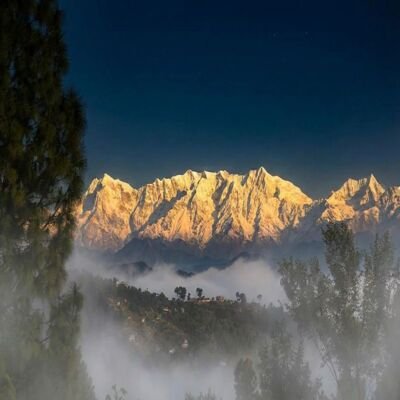
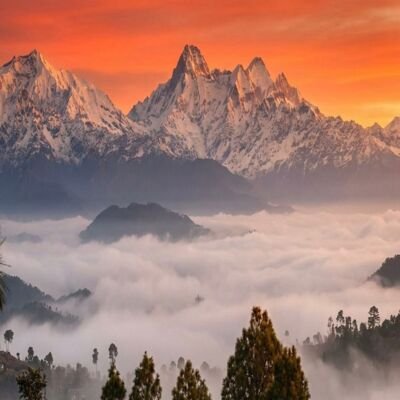
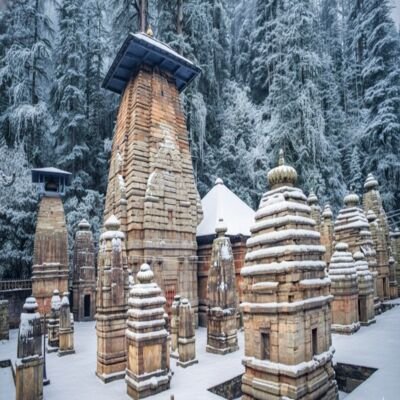
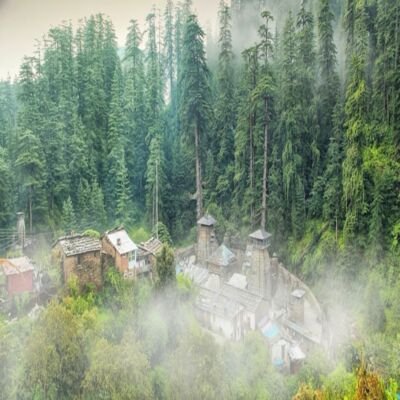
Almora is a beautiful hill town in Uttarakhand, known for its peaceful environment, rich culture, and stunning Himalayan views. Located in the Kumaon region, Almora attracts nature lovers, families, and adventure seekers who want a quiet escape in the mountains. The town is surrounded by pine and oak forests, offering a refreshing atmosphere throughout the year. Almora is also famous for its ancient temples like Nanda Devi and Chitai Golu Devta, where travelers experience the spiritual charm of the Himalayas.
Visitors can enjoy scenic viewpoints, traditional Kumaoni markets, and local delicacies that reflect the region’s culture. Almora also serves as a gateway to popular places like Jageshwar, Binsar, and Kasar Devi, making it an ideal base for exploring Kumaon. With pleasant weather, mesmerizing sunrises, and a slow-paced mountain lifestyle, Almora offers a perfect blend of nature, culture, and tranquility for every traveler.
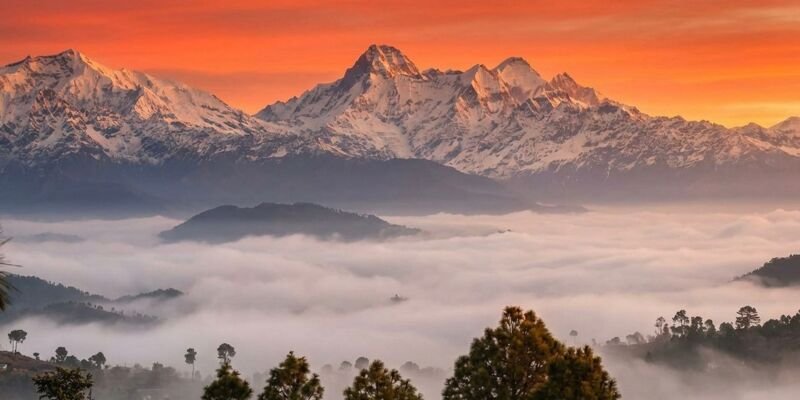
Almora is a historic hill town of the Kumaon region in Uttarakhand, known for its deep cultural roots, temple traditions, mountain ridges, and quiet old-world charm. Unlike modern hill stations built around tourism infrastructure, Almora developed naturally as a cultural, spiritual, and administrative center over centuries. Even today, the town carries a distinct identity shaped more by heritage, daily life, and landscape than by commercial tourism.
Set on a long ridge at an elevation that allows wide valley views, Almora feels open and layered rather than enclosed. Houses rise along curved mountain lines, narrow streets wind through old neighborhoods, and forests surround the town from multiple sides. The pace of life here remains slow and grounded. People still walk for short distances, greet each other in passing, and follow routines shaped by daylight and seasons rather than traffic and deadlines.
Tourism in Almora is largely experience-driven rather than activity-driven. Travelers come here not for adventure sports or nightlife but for heritage walks, quiet cafés, sunrise views, temple visits, local food, and a sense of emotional calm that develops slowly over days rather than hours.
Almora is located in the eastern part of Uttarakhand in the Kumaon Himalayas. The town sits on a ridge formed between two major rivers that flow through deep forested valleys. This ridge-based position gives Almora its characteristic layered skyline and wide viewing angles across the mountains.
Unlike towns located inside closed valleys, Almora always feels surrounded by space. On clear days, distant Himalayan ranges appear along the horizon, while nearby forests rise gently from the lower slopes.
Key elements of Almora’s location include:
This geographical setting shapes both Almora’s climate and its visual mood.
Almora is not defined by resorts, malls, or amusement-style tourism. Its identity grows from temples, markets, festivals, old homes, and everyday Kumaoni life. Even visitors who stay only a short time often feel that the town is lived-in rather than staged for tourism.
The town still functions as a working urban center for nearby villages. Farmers, traders, students, pilgrims, and travelers all move through the same streets. This creates a mixed rhythm that feels organic rather than tourist-controlled.
Almora’s cultural identity comes from:
This cultural depth is what separates Almora from many purely scenic hill destinations.
Visually, Almora feels layered and textured. Unlike hill stations built across flat plateaus, Almora follows natural mountain curves. Houses rise in steps, markets bend with the slope, and forests fill the background. Sunlight changes quickly here due to ridge orientation, giving the town shifting light throughout the day.
Mornings often appear soft and misty. Afternoons open up with clear valley views. Evenings bring strong golden light across old rooftops and temple spires. Nights remain calm with scattered town lights glowing quietly across the ridge.
Almora’s visual environment is shaped by:
The town feels visually rich without being overwhelming.
The emotional experience of Almora is gentle and grounding. There is no rush to see multiple attractions in a single day. Most travelers naturally slow down here. Walking becomes easier than driving. Sitting quietly at viewpoints replaces sightseeing pressure.
Even the market areas do not feel aggressive. Conversations remain soft. Movement remains slow. People seem to carry the weight of tradition rather than the urgency of commerce.
Many travelers describe Almora as a town that does not excite instantly but grows steadily on the mind. The attachment forms slowly through repeated walks, familiar tea spots, temple bells, and changing skies.
Almora attracts a different category of traveler compared to adventure or luxury destinations. It holds special meaning for those who seek depth rather than speed.
Almora is especially suitable for:
It is not ideal for:
Almora offers emotional richness more than entertainment value.
Within the broader map of Uttarakhand tourism, Almora holds a cultural anchor position. While places like Nainital and Mussoorie dominate leisure tourism, and Rishikesh dominates spiritual tourism, Almora quietly preserves the cultural and traditional core of Kumaon.
It also acts as a gateway to nearby forest zones, temple circuits, and lesser-known mountain villages. Many travelers use Almora as a base for deeper cultural and spiritual exploration of the region.
Almora’s regional importance comes from:
Most hill stations in India are structured around tourism consumption—mall roads, viewpoints, hotels, and entertainment. Almora is structured around daily life first and tourism second. This changes the entire feeling of the place.
There is no single tourist street. No continuous chain of cafés. No loud commercial zone. Instead, there are residential lanes, working markets, schools, temples, and forest walks.
What makes Almora different:
This difference is what either deeply attracts travelers or makes them realize that Almora offers a very specific type of experience.
Almora is positioned on a long, narrow ridge in the Kumaon Himalayas, giving it a distinctive linear shape that follows the natural curve of the mountain. This ridge sits between two deep river valleys, which creates a sharp contrast between elevated residential zones and the forested lower slopes. Unlike towns that are tucked inside enclosed valleys, Almora always feels open to the sky and distant horizons.
The town is surrounded by layers of oak, pine, and rhododendron forests, which act as natural climate regulators and visual buffers. These forests change color across seasons—bright green in summer, mist-covered during monsoon, and subdued in winter. The geography allows long-distance views on clear days, with Himalayan ranges appearing faintly along the skyline.
Movement across Almora is shaped by this ridge formation. Roads curve gently, footpaths rise and fall with the natural slope, and neighborhoods feel stacked rather than spread flat. This creates a walking culture where short daily climbs are part of normal life.
Key geographical features of Almora include:
The natural setting of Almora is not limited to scenic beauty alone. The surrounding forests support a wide range of birds, insects, small mammals, and mountain vegetation. Morning walks often include bird calls echoing from valleys and tree canopies, while evenings bring quiet forest stillness.
Seasonal flowering plants appear along road edges and forest trails, making Almora visually softer during spring and early summer. During the monsoon, dense green growth covers all exposed surfaces, creating a feeling of natural enclosure despite the town’s open ridge structure.
This continuous interaction between town life and the surrounding wilderness gives Almora a balanced ecological character, where urban movement never feels completely detached from nature.
Almora experiences a mild mountain climate, shaped by altitude, forest cover, and ridge exposure. Unlike snow-dominated alpine destinations, Almora remains accessible and livable through most of the year. However, each season clearly alters the rhythm of daily life and travel conditions.
The climate stays generally cool and breathable. Summers do not become excessively hot, winters remain cold but manageable, and the monsoon brings both freshness and movement restrictions.
Broad climate character of Almora:
Summer is the most comfortable and active season in Almora. Temperatures remain pleasant, making it ideal for walking, sightseeing, and long outdoor hours. Mornings feel fresh, afternoons remain bright without harsh heat, and evenings turn gently cool.
This is also the season when forest walks feel most inviting, and distant mountain visibility remains fairly consistent.
Summer travel highlights include:
Monsoon transforms Almora into a deeply green and misty landscape. Rain falls frequently, and clouds often move directly through the town due to ridge exposure. While the greenery becomes intense and visually soothing, movement becomes slower and more cautious.
Road travel outside town may face disruptions due to landslides in nearby regions. However, within Almora itself, life continues with rain-adapted routines.
Monsoon travel characteristics include:
This season suits travelers who enjoy slow, indoor-oriented mountain stays.
Winter in Almora arrives gradually after October. November becomes distinctly cold, and December to January bring strong morning chill and cold nights. Unlike higher snow destinations, Almora receives only occasional light snowfall, and most winters remain dry but cold.
Skies often stay clear, making winter a favored season for Himalayan views. Sunlight during the day feels warm, while shaded areas remain cold.
Winter travel traits include:
Climate directly influences how people live in Almora. In summer, daily routines expand outdoors with longer walking hours and social activity. During the monsoon, people shift indoors earlier in the evening and travel with flexibility. In winter, sunlight becomes precious, and most daily movement happens during late morning and early afternoon.
Seasonal clothing, food habits, market hours, and even social gatherings shift gently with weather changes rather than rigid schedules. This climate-driven adjustment gives Almora a natural, non-mechanical daily rhythm.
The history of Almora stretches back over many centuries and is deeply connected with the political and cultural evolution of the Kumaon region. Long before it became a town, the ridge on which Almora stands was strategically important due to its natural defensive position and wide visibility across the surrounding valleys. Early settlements grew around small forest clearings, water sources, and temple sites.
The region was initially influenced by the Katyuri dynasty, which ruled large parts of Kumaon and Garhwal during the early medieval period. This era saw the development of temple architecture, agricultural systems, and village-based governance structures. Even today, many local rituals, land-use patterns, and folk practices trace their roots to this early phase of Himalayan civilization.
Almora later rose to prominence as a structured town when it became the capital under the Chand rulers. This shift transformed it from a scattered ridge settlement into a planned political and cultural center.
The most defining chapter in Almora’s history began in the sixteenth century when it was established as the capital of the Chand dynasty. This period marked the true urban shaping of Almora. Fortified zones, temple complexes, water systems, and organized market streets were developed during this time.
The town became a hub for:
Under Chand rule, Almora evolved into the cultural heart of Kumaon. Scholars, poets, priests, and artisans migrated here, giving the town an intellectual and ritualistic character that still echoes through its streets and temple traditions.
Even today, the layout of old Almora reflects this era. Narrow lanes, stepped housing, stone platforms, and clustered neighborhoods follow patterns established centuries ago.
With the arrival of British rule in the nineteenth century, Almora entered a new phase of transformation. Although it did not develop as a typical colonial hill station like some other Himalayan towns, the British administration introduced schools, administrative buildings, medical facilities, and structured road connectivity.
This period also introduced:
Almora gradually became a center for learning and social reform. Many writers, social thinkers, and freedom movement contributors emerged from this region. The town played a quiet but steady role in India’s nationalist movement through intellectual contribution rather than mass political agitation.
British influence shaped Almora’s institutions, but it did not erase its traditional core. Instead, old temple-town culture and new administrative systems grew side by side.
Over time, Almora established itself as the cultural capital of Kumaon. It became a cradle for classical music, folk traditions, Sanskrit learning, and later Hindi literature. The town produced musicians, scholars, educators, and artists who carried Kumaoni culture beyond the mountains.
Local fairs, temple rituals, seasonal gatherings, and community events strengthened Almora’s role as a regional cultural anchor. Even today, cultural discussions, poetry readings, devotional music sessions, and old-style community festivals continue quietly.
This long cultural continuity gives Almora a depth that cannot be created artificially. The town does not feel like a tourist stage; it feels like a place where culture has been lived daily for generations.
Almora’s architectural character is rooted in stone, wood, and sloping roofs, designed to match the mountain climate and seismic activity. Houses rise in layers along the ridge, often with small courtyards, carved wooden doors, and narrow stairways connecting different levels.
Old temples, traditional homes, ancient water structures, and heritage marketplaces form the emotional backbone of the town. Even when modern buildings appear, the older structures continue to shape the town’s visual memory.
The heritage identity of Almora is not preserved in isolation. It lives actively through:
This blend of history and daily use keeps Almora’s past alive in the present.
Modern Almora has grown with new roads, schools, medical services, and residential areas, but its cultural personality remains rooted in tradition. The town now balances old-world quietness with necessary urban development.
Young residents move between traditional values and modern education. Cafés and bookstores coexist with temples and old markets. Modern festivals appear alongside age-old village rituals. This coexistence gives Almora a soft transitional character rather than a sharp cultural break.
The heritage of Almora is not frozen in time. It continues to evolve through daily life, proving that the town is not a museum, but a living cultural landscape.
Reaching Almora is a gradual transition from the plains to the middle Himalayas. Unlike high-altitude snow destinations, access to Almora remains comparatively stable across most of the year, making it one of the more accessible cultural hill towns of Uttarakhand. The journey itself slowly introduces travelers to winding mountain roads, pine forests, river valleys, and ridge-top settlements.
Almora is well connected by road and has supporting rail and air access through nearby transit points. Final access always happens by road, as the town sits directly on a mountain ridge.
Road travel is the most common and practical way to reach Almora. Well-maintained highways connect it with major towns of Kumaon and the plains. The mountain drive becomes scenic as the route climbs steadily through forested slopes and valley curves.
Travelers usually enjoy the transition from flat plains to pine forests and ridge roads. The final stretch into Almora is lined with trees and quiet hillside settlements.
Road travel character:
Road travel gives the most control, flexibility, and scenic exposure during the journey.
Rail travel is suitable for long-distance travelers who prefer to reduce continuous driving fatigue. The nearest railway stations lie in the lower Kumaon region. From the station, travelers continue their journey by road toward Almora.
This combination works well for families, elderly travelers, and those arriving from far-off regions. The road journey after the train becomes a scenic uphill drive that slowly introduces the mountain environment.
Train travel advantages:
Air travel offers the fastest access to the Kumaon region. After landing, travelers continue by road through mountain highways to reach Almora. While this saves time, it still involves a moderate road journey.
This option is suitable for travelers with limited time who want to minimize total travel days.
Air travel features:
Local transport inside Almora is shaped by its ridge-based geography and walking-friendly layout. Unlike spread-out urban cities, Almora’s core areas remain compact, and many daily movements happen on foot.
Taxis are commonly used for:
Shared vehicles operate on selected routes and serve daily commuters as well as travelers. These are economical and widely used by residents.
Taxi movement characteristics:
Walking is a natural part of daily life in Almora. Old neighborhoods, markets, and temple areas are closely spaced and connected by footpaths, stairways, and sloping lanes.
For travelers, walking becomes the best way to experience:
Because of the terrain, walking involves gentle climbs and descents, which may feel physically demanding on the first day.
Walking culture highlights:
Local buses operate between Almora and the surrounding villages and small towns. These buses serve as the backbone of everyday regional movement. They are functional, regular, and used mainly by residents.
For travelers staying longer, buses offer an economical way to explore nearby rural belts and temple routes.
Although Almora remains accessible throughout most of the year, each season affects the travel experience differently.
Road visibility can be reduced during heavy fog in monsoon and winter mornings. Daytime travel is always preferred over late-night driving.
Arriving in Almora during daylight hours allows travelers to adjust comfortably to the terrain, slopes, and walking distances. Day arrival also ensures better visibility of ridge roads and neighborhood layout.
On the first day, most travelers prefer:
This slow entry allows the body and mind to adapt to the mountain environment before deeper exploration begins.
Almora is not a destination built around fast sightseeing. Its attractions unfold slowly through temples, viewpoints, heritage areas, forest edges, and old markets. Most places are connected to daily local life rather than isolated tourist zones. This creates a deeper sense of belonging instead of rush-driven travel.
Bright End Corner is one of the most loved viewpoints in Almora, located at the edge of the town where the ridge opens into wide valley views. The place is especially known for sunrise and sunset observation. As the sun rises or sets, light spreads across layered mountain ranges and distant Himalayan peaks.
The atmosphere here remains calm, with locals and travelers sitting quietly rather than clicking hurried photographs. Mornings feel spiritual, while evenings carry golden silence.
Why Bright End Corner is special:
Kasar Devi Temple stands on a forested ridge above the town and holds both spiritual and international cultural importance. Over the years, this place attracted spiritual seekers, philosophers, artists, and writers from different parts of the world.
The temple area feels quiet and meditative. Forest air, mountain wind, and temple bells combine into a peaceful soundscape. From the ridge, long-distance Himalayan views appear during clear weather.
Why Kasar Devi Temple is important:
Chitai Temple is dedicated to Golu Devta, the regional deity of justice. The temple is famous for thousands of bells tied by devotees as symbolic expressions of faith. Located inside a dense forest zone, the temple carries a deeply emotional and devotional energy.
The road to Chitai passes through scenic forest curves, making the journey as meaningful as the destination. The temple remains active throughout the year with local worshippers.
Why Chitai Temple feels unique:
The Katarmal Sun Temple is one of the most remarkable ancient architectural sites near Almora. Built in the Katyuri era, it is dedicated to the Sun God and sits on a quiet hilltop overlooking deep valleys.
The temple complex includes several smaller shrines and stone structures. Unlike crowded pilgrimage centers, Katarmal remains calm and open, allowing visitors to walk freely around its historical remains.
Why the Katarmal Sun Temple is special:
Lal Bazaar is the heart of Almora’s daily life. It is not just a marketplace but a social and cultural corridor where residents shop, meet, talk, and move through on foot. Shops sell groceries, sweets, woolens, books, utensils, and daily necessities.
Walking through Lal Bazaar gives direct exposure to Almora’s rhythm. The place feels alive without being noisy or rushed.
Why Lal Bazaar is important:
This museum preserves the cultural, artistic, and archaeological heritage of Almora and the Kumaon region. Exhibits include traditional costumes, folk art, religious imagery, manuscripts, tools, and regional historical artifacts.
The museum offers valuable insight for travelers who want to understand the deeper cultural background of the region rather than only see landscapes.
Why the museum is meaningful:
Deer Park is a forested open zone located slightly away from the main town. It serves as a green refuge where travelers can spend quiet time amid trees, walking paths, and open clearings. Children and families often prefer this gentle nature space.
It is less about wildlife spotting and more about a calm forest atmosphere.
Why Deer Park is relaxing:
Simtola Eco Park lies on the outskirts of Almora and offers wide open grassy fields, forest belts, and distant valley views. It is suitable for light walks, photography, and peaceful sitting.
This park gives a feeling of space and openness compared to the denser town core.
Why Simtola Eco Park feels refreshing:
Patal Devi Temple is an ancient cave shrine located along a forest road near Almora. The temple sits below ground level inside a rock enclosure, creating a unique devotional environment.
The surrounding forest area adds natural silence to the spiritual atmosphere.
Why Patal Devi Temple is special:
Almora is not a destination where travel is measured by the number of places visited in a single day. Instead, it is a town that rewards slow movement, repeated walks, quiet observation, and emotional immersion. Experiences here unfold gently through landscapes, markets, temples, people, food, and silence.
Rather than chasing activity, travelers naturally fall into a calm daily rhythm shaped by walking, sitting, eating, and watching the mountains change light through the day.
Walking through the older parts of Almora is one of the most meaningful ways to understand its personality. Narrow lanes, stepped pathways, ancient homes, small shrines, and traditional shopfronts appear without formal signboards. These walks reveal how the town evolved naturally rather than through planned tourism.
Morning walks feel fresh and intimate, while evening walks bring out warm lights, temple bells, and market movement.
Why heritage walks feel rewarding:
Almora’s ridge-top position creates ideal conditions for observing both sunrise and sunset. Light moves differently here due to the curved terrain and layered valleys. Sunrise brings soft mountain glow, while sunset paints rooftops and ridges in warm gold.
Many travelers develop a daily habit of walking toward a viewpoint during early morning or evening simply to sit in silence.
Why light observation feels special:
Forests surround Almora closely, and several walking paths lead directly into shaded pine, oak, and rhododendron belts. These forest walks feel completely different from town movement. Air becomes cooler, sound softens, and the walking pace slows naturally.
Bird sounds replace traffic, and sunlight filters through dense tree canopies.
Why forest walks feel grounding:
Temple visits in Almora are not rushed rituals but quiet pauses integrated into daily movement. Small shrines appear along walking paths, street corners, and forest edges. Larger temples hold steady devotional activity without crowd pressure.
Spirituality here feels personal rather than ceremonial. Many travelers visit temples simply to sit quietly without expectation.
Why temple visits feel calm:
Lal Bazaar and nearby market zones are not only shopping areas but living cultural corridors. Browsing is slow and social. People greet each other, pause for conversations, buy daily items, and walk on foot.
Travelers naturally blend into this rhythm while exploring sweets, wool shops, book stalls, utensils, and daily essentials.
Why market browsing feels meaningful:
Almora has quietly developed a culture of slow café sitting, particularly among long-stay travelers, writers, and artists. Sitting with tea, reading near windows, writing notebooks, and watching clouds pass across ridges becomes a daily ritual.
This is not a loud café culture but a quiet creative pause supported by the town’s natural calm.
Why café sitting feels therapeutic:
Photography in Almora is not built around dramatic cliffs or snow peaks alone. It is shaped by layers, rooftops, forest edges, winding roads, light shifts, and atmospheric depth.
Morning mist, afternoon clarity, and evening gold create entirely different moods within the same location.
Why photography feels artistically rich:
Short village walks on the outskirts of Almora reveal rural Kumaoni life through terrace farms, stone houses, cattle sheds, forest paths, and hillside water sources. Life here follows agricultural cycles rather than commercial schedules.
Travelers observe farming work, livestock movement, and quiet evening routines without staged tourism.
Why village walks feel authentic:
Doing nothing becomes one of the most powerful experiences in Almora. Sitting quietly near viewpoints, ridge edges, temple platforms, or forest clearings allows travelers to observe cloud movement, bird flight, wind flow, and silence itself.
This kind of observation gradually clears the mental noise carried from urban life.
Why mindful sitting becomes valuable:
Nights in Almora are unusually quiet for a hill town. Traffic reduces drastically, markets close early, and darkness spreads gently across the ridge. Temple bells fade, and only wind and distant dogs break the silence.
For many travelers, this night stillness becomes the most memorable part of their stay.
Why does night silence feel rare?
Food in Almora reflects the simple, seasonal, and nourishment-focused lifestyle of Kumaon. Meals here are not designed around luxury dining but around warmth, digestibility, and daily energy needs shaped by the mountain climate. Unlike tourist-heavy destinations where menus are dramatically globalized, Almora still follows a strong local food rhythm alongside basic North Indian options.
Eating in Almora feels personal rather than commercial. Many small food spaces operate like extensions of home kitchens. Portions are moderate, flavors are grounded, and ingredients are often locally sourced.
Kumaoni food focuses on lentils, grains, green vegetables, and slow cooking methods. The cuisine avoids excessive spice and heavy oil. Instead, it relies on natural flavors, mountain herbs, and seasonal produce.
Meals often include:
This makes Kumaoni food both digestive and climatically aligned.
Almora is widely known for its traditional sweets, especially Bal Mithai and Singori. These sweets are deeply tied to the cultural identity of the town and are often bought for local gifting and personal indulgence.
Bal Mithai carries a rich, caramel-like flavor with sugar bead coating, while Singori comes wrapped in leaf cones, giving it an earthy aroma. These sweets are not just food items but part of Almora’s sensory memory.
Many travelers prefer eating home-style hill meals during their stay. These meals are slow-cooked, warm, and comforting, especially during winter and monsoon. The experience of sitting quietly with a warm plate while watching mist move across the ridge becomes more important than experimenting with multiple cuisines.
Breakfast in Almora is calm and unhurried. Mornings begin with warm drinks rather than rushed meals. Evenings revolve around tea, light snacks, and quiet conversation. These two daily food moments form emotional anchors in the travel routine.
Shopping in Almora is not driven by large souvenir markets or tourist malls. It is shaped by working markets, daily-use stores, and traditional product shops. Most shopping happens naturally during walking, not as a separate planned activity.
Lal Bazaar is both a market and a social corridor. Locals shop for vegetables, grains, clothing, utensils, and daily needs, while travelers casually browse sweets, wool items, and books. The atmosphere feels functional yet warm.
There is no pressure to buy. Browsing itself becomes a cultural observation experience.
Cold weather creates a steady demand for wool products. Shawls, sweaters, mufflers, socks, and blankets are commonly sold. These items are practical purchases rather than decorative souvenirs.
Local handicrafts focus on usability rather than luxury. Copper vessels, wooden tools, and simple decorative pieces reflect Kumaoni craftsmanship connected to daily life.
Apart from iconic sweets, shops sell local honey, dry herbs, and forest-inspired products in limited quantities. These are often bought for personal consumption rather than gifting.
Almora’s culture is not staged. It unfolds through daily routines, temple visits, school timings, farming rhythms, and seasonal social life. The town does not separate lifestyle from tradition. Both flow together naturally.
Garhwali and Kumaoni are commonly spoken, while Hindi is used in everyday trade and communication. People speak softly and with restraint. Loud behavior feels out of place in most public spaces.
Religion is deeply interwoven into daily life. Small shrines appear along streets and paths. Temple bells form part of the town’s natural soundscape rather than ceremonial events.
Faith here is private, steady, and integrated, not crowd-driven.
Festivals in Almora are family-based and community-centered. They focus on shared meals, temple rituals, local music, and togetherness. Tourism does not dominate these events.
Almora is not a destination where aggressive tourism behavior blends comfortably. Respectful conduct is essential to preserve its calm cultural balance.
Walking slowly, speaking politely, and avoiding intrusive photography are important. Temples are living worship spaces, not display monuments.
The ridge ecosystem is fragile. Waste disposal is limited, and water resources are sensitive. Travelers must avoid plastic litter, loud noise, and unnecessary resource use.
Locals are helpful but reserved. Respect, patience, and calm conversation build natural connections. Commercial pushing is rare.
Almora does not overwhelm travelers with excitement. It slowly settles into the mind through repeated walks, familiar tea spots, evening light on rooftops, temple bells, and long quiet nights.
This town gives:
Almora is not about what you rush to see.
It is about what slowly stays with you long after you leave.
Per Person

Experience the serene beauty of the Kumaon Himalayas with the strong data-end data-start Almora Binsar Tour ...
Per Person
Showing 1 of 1 pages
You can anytime request for a pocket friendly and customized package as per your requirements.
No need to pay complete amount in one go, it can be paid in 3 installments of 30%, 30% and 40%.
Our travel support is available in your assistance at all times for a hassle free trip.
We are having the expertise of planning more 5000+ tours all around India.
The closest air terminal to Munsiyari is Pantnagar Airport which is situated in the proximity of 249 km in the Nainital region of Uttarakhand. You can get immediate taxi administration from the air terminal for places like Almora, Munsiyari, Pithoragarh, and Bageshwar. You can likewise get a direct departure from Delhi for Pantnagar four times each week. The closest International air terminal to Munsiyari is situated in Delhi which is a ways off of 600km.
The closest air terminal is situated in Pantnagar which is at the separation of 115 km from Almora. Almora is well connected to the northern cities of India through well-motorable roads. You can also get the bus from ISBT Kashmiri Gate, Delhi to Kathgodam and Almora. The nearest railway station to Almora is Kathgodam railway station which is located at a distance of 83 km.
An ideal time to visit Almora is from March to November, except for the rainstorm season is during the time of July and August. It isn't reasonable to visit this spot in rainstorm months considering the way that the zone is porn to a torrential slide. You need to take along the significant woolens in the colder time of year and light woolens in the pre-summer season.
The weather of Almora stays magnificent reliably. All through the pre-summer season, the temperature goes from 9°C to 25°C. During storm season it gets the ordinary precipitation and the temperature goes from 10°C to 20°C. Winters become amazingly cold and fresh and the temperature goes from 1°C to 20°C, this spot furthermore experiences snowfall all through the colder time of the year season.
Almora city is encompassed by oak and pine trees from every one of the sides and draws in or appeals to the hikers. Here you can explore attractions like Chitai Golu Devta Temple, Bright end corner, Martola, Deer Park, Simtola, Kasar Devi Temple, Nanda Devi temple, and Katarmal Sun Temple. The tour to Almora can be completed in the time of 2 days.
Chowk Bazar market is situated inside Almora town in Uttarakhand. From here you can buy pieces of clothing that are made of Angora fleece. Lal Bagh Market is the most humming business sector of Almora where one can get desserts, copper and bronze vessels, garments of hare fleece, and different crafted works.
You can enjoy cycling in Almora as it is also a healthy way to explore nearby places. Almora is considered the perfect place for shopaholics in the Kumaon region of Uttarakhand as it has some of the major markets. You can also perform various adventure activities to test your endurance and strength, like Rock climbing, spider web, and Burma bridge, which are some of the activities that one can take part in.
Fill the form or call us on :+91-9557559891