

To More Inquiry

Rishikesh, located at the foothills of the Himalayas along the sacred Ganga, is a destination that transforms dramatically with the seasons. Every few months, the colour of the river, the mood of the ghats, the intensity of adventure sports, and even the type of travellers change. This is why understanding the best time to visit Rishikesh is extremely important — the right season not only enhances your experience but also aligns your journey with your travel purpose.
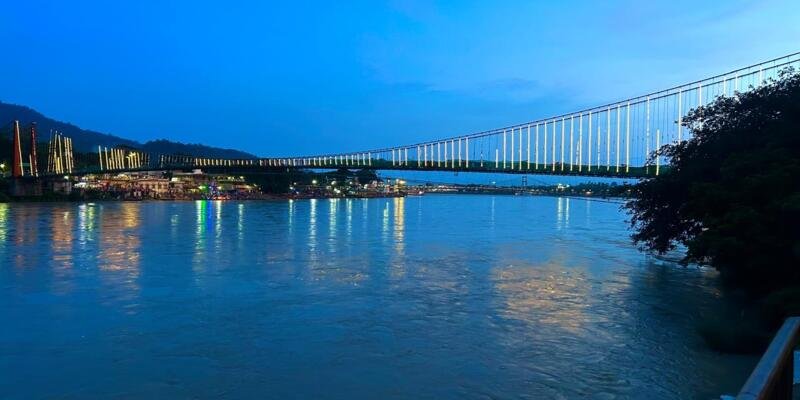
Whether you wish to meditate in quiet corners, raft through powerful rapids, walk along river beaches, trek to waterfalls, or attend iconic Ganga Aarti ceremonies, knowing the seasonal atmosphere helps you plan a meaningful trip.
Unlike typical hill destinations, Rishikesh has a hybrid Himalayan climate, shaped by the mountains, river, forests, and plains. The city experiences four distinct phases, each with its own rhythm, energy, sights, and traveller types.
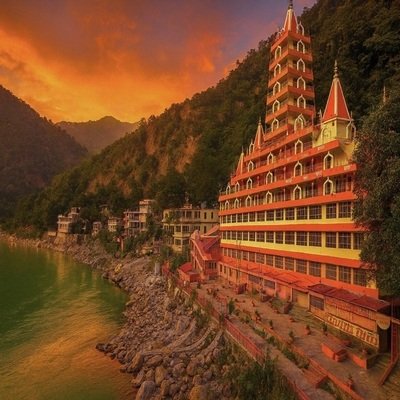
Winter gives Rishikesh a magical, atmospheric charm. Mist floats on the river in the early morning, the mountains appear clearer, and the ghats feel peaceful. This is the best season for spiritual seekers, photographers, yoga enthusiasts, and travellers looking for calm.
Winter Identity
Temperature: 6°C to 18°C
Crystal-clear river views
Ideal for spiritual activities
Quite early mornings and evenings
Best for temple visits, Aarti, meditation, and long walks
Summer is the season of life, brightness, and outdoor energy in Rishikesh. Adventure sports reach their peak, river rafting routes become active, and cafés along Tapovan buzz with travellers.
Summer Identity
Monsoon transforms Rishikesh into a green paradise. Forests turn emerald, waterfalls swell, and the river gets dramatic flow. It is ideal for nature lovers and travellers who enjoy peaceful, slow travel.
Monsoon Identity
Temperature: 22°C to 32°C
Best for photography, waterfall treks, wellness
Ideal for writing, reading, and quiet retreats
Fewer tourists and refined calmness
Note: River rafting is often paused depending on rainfall.
October is often called the golden month of Rishikesh. The river becomes crystal blue, the air becomes crisp, and the weather feels perfectly balanced.
Temperature: 18°C to 28°C
Clear visibility and perfect photography
Great for the rafting season opening
Strong spiritual energy before winter begins
Rishikesh offers multiple experiences, but not all are ideal year-round. Knowing why you are visiting helps you choose the right month.
Best Time: September to June
Why?
The Ganga rapids are stable and safe
Operators run full rafting routes
Water clarity is high in winter and post-monsoon
Camping riverside feels pleasant
Adventure travellers should avoid the monsoon, as safety restrictions apply.
Best Time: October to March
Why?
Cool weather enhances meditation
Temple visits are comfortable
Ashrams host many yoga programs
Ganga Aarti feels magical in winter
Best Time:
July–September for greenery
November–January for misty landscapes
October for a crystal-clear river and sky
Best Time:
During these periods, Rishikesh is quieter and best suited for introspection and slow travel.
Best Time:
These months bring energy, devotion, and cultural richness.
Winter is the season when Rishikesh feels closest to its spiritual essence. From November through February, the entire city transforms into a serene realm of misty mornings, cool breezes, golden sunlight, and calm riverbanks. The Himalayas appear sharper, the river becomes clearer, and the ambience becomes deeply meditative. This is the time when spiritual energy intensifies, ashrams come alive with global seekers, and the city’s natural beauty shines with a gentle winter glow.
Winter is often described as the soul season of Rishikesh — ideal for travellers who seek clarity, reflection, spiritual learning, and peaceful experiences.
Winter temperatures range from 6°C to 18°C, creating one of the most comfortable climates in all of northern India.
Why the Weather Feels Perfect
Crisp mornings are ideal for meditation
Warm winter sunlight on ghats and cafés
Cool river breeze throughout the day
Zero humidity
Clean, fresh Himalayan air
Even a simple walk across Ram Jhula or Laxman Jhula feels poetic in winter.
Winter light in Rishikesh is soft and golden. The Ganga reflects pastel colours at sunrise, and the hills appear layered and textured.
Winter Visual Highlights
Early morning mist floating above the river
Sharp visibility of distant hills
Transparent blue-green Ganga flow
Sun rays filtering through forest trails
Sunset is turning the sky orange and pink
Photographers, nature lovers, and spiritual travellers often prefer winter because the city’s beauty becomes visually immersive.
Winter is the peak season for yoga, meditation, satsangs, chanting retreats, and spiritual programmes. Ashrams host special winter sessions, and Rishikesh’s devotional energy feels stronger.
Winter Spiritual Ambience
Silence in meditation halls
Devotees gathering for morning prayers
Evenings filled with bhajans
Disciplined yoga practice across ashrams
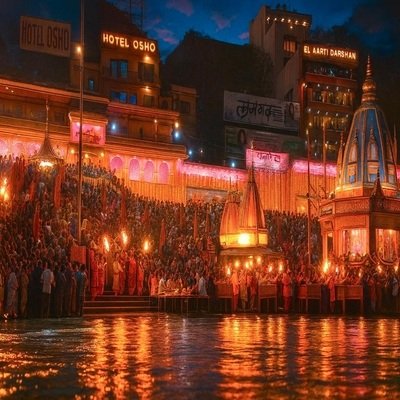
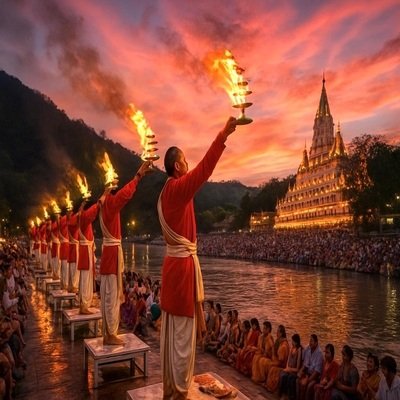
Aarti ceremonies glowing against the cool night air
Travellers who come for inner transformation always find winter ideal.
Winter does not just offer good weather — it enhances almost every type of experience that Rishikesh is famous for. Whether you want adventure, cafés, temple visits, or peaceful contemplation, winter adds depth to everything.
Winter is the international yoga season. Students and practitioners from all over the world come to Rishikesh for teacher training, wellness programmes, and spiritual learning.
Winter Yoga Activities
Sunrise meditation facing the Ganga
Pranayama practice in crisp air
Teacher training courses (200/300 hrs)
Philosophy and scripture study
Satvik diet and Ayurveda sessions
Cold mornings make breathing practices incredibly refreshing.
Walking in Rishikesh during winter is one of the city’s purest pleasures.
Best Winter Walks
Laxman Jhula to Ram Jhula riverside walk
Swarg Ashram river stretch
Beaches near Goa Beach
Ganga ghat walk near Triveni
These walks feel peaceful, safe, scenic, and meditative.
Winter is prime time for adventure activities because the weather is stable.
Best Winter Adventure Activities
Rafting (clear water and good rapids)
Cliff jumping (late morning preferred)
Zipline across the Ganga
Short hill treks
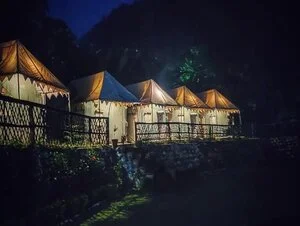
Camping (sunny afternoons + cold nights)
Winter brings ideal outdoor conditions.
Winter evenings make Aarti ceremonies deeply enchanting.
Why Temple Visits Feel Better in Winter
No heat or sweat
Smaller crowds at most shrines
Calm atmosphere for sitting and observing
Easier to walk uphill or along river lanes
Parmarth Niketan and Triveni Ghat are particularly magical in winter evenings.
Winter is the season when Rishikesh’s cafés feel warm, inviting, and full of character.
Winter Café Experience
The atmosphere becomes slow, sophisticated, and soulful.
Winter is ideal for:
Spiritual travellers
International yoga students
Families
Photographers
Solo travellers seeking peace
Wellness retreat participants
Elderly travellers
First-timers to Rishikesh
This is the safest, most comfortable, and most aesthetically beautiful season for people of all ages.
Summer in Rishikesh is not just a climate; it is a mood, a rhythm, a lifestyle. From March to June, the entire city wakes up earlier, breathes deeper, moves faster, smiles more, and stays active until sunset. Sunlight sparkles on the Ganga like scattered diamonds. Rafts float like colourful petals on the water. Tapovan becomes a hub of backpackers walking with trekking bags, GoPros, and river shoes. Cafés spill over with energy, music, and conversation. Adventure jeeps run constantly toward Shivpuri, Kaudiyala, and Marine Drive. Waterfalls echo with laughter. And river beaches glow under bright Himalayan skies.
Unlike the plains, which become uncomfortably hot, Rishikesh sits at the Himalayan foothills, protected by elevation, river winds, and surrounding forests. The result:
Temperature: 20°C to 38°C
Low humidity
Constant river breeze
Long daylight hours (sunrise to well after 6:30 PM)
Clear skies almost every day
Why the Climate Feels Motivating
Mornings feel fresh and cool
Sunlight encourages outdoor fun
Evenings are breezy and pleasant
Hills reduce the intensity of heat
Water activities feel revitalising
This is why travellers feel energetic all day long.
Summer light in Rishikesh is strong, golden, and incredibly scenic.
Summer Visual Highlights
Ganga shines like liquid emerald
Rapids sparkle with white foam
River beaches look pale and sunlit
Hills appear clearer and textured
Forests glow in mixed green-brown tones
Waterfalls and streams reflect bright turquoise
Even a random photograph taken during a river walk looks professional due to natural lighting.
Summer gives Rishikesh a tourist atmosphere that feels alive and electric.
You will see:
Groups of travellers wearing life jackets
Young backpackers bargaining for rafting slots
Campsites preparing bonfires
Cafés playing soft rock and indie music
Trekkers heading to Neer Garh and Patna Waterfall
Yoga practitioners warming up near riverbanks
The whole city vibrates with outdoor enthusiasm.
Summer is the official adventure season in Rishikesh. Almost every activity becomes more enjoyable due to warm weather, clear skies, and ideal water conditions.
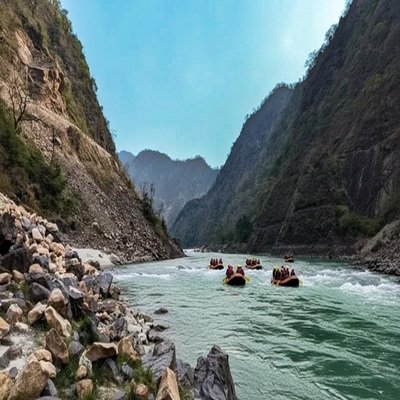
If there is one activity that defines summer in Rishikesh, it is rafting. The Ganga flows with a perfect balance of speed, volume, and stability during March to June.
Why Summer Rafting Feels Extraordinary
Warm air + cool water = perfect sensation
Bright sunshine enhances visibility
Rapids are crisp, consistent, and photogenic
Longer routes remain accessible
Cliff jumping areas operate safely
Top Rafting Routes
Shivpuri → Rishikesh (16 km) – Best overall
Marine Drive → Rishikesh (26 km) – Scenic + long
Brahmapuri → Rishikesh (9 km) – Good for beginners
Every rapid — from Roller Coaster to Golf Course — feels thrilling in summer’s energetic weather.
At selected safe cliff spots, travellers jump 20–30 ft into the deep Ganga.
Why Summer Is Best for Cliff Jumping
Water is refreshing, not icy
Warm air reduces fear and shock
Sunny weather improves visibility
Perfect for groups and content creators
It is one of the most unforgettable parts of a Rishikesh summer trip.
Camping becomes a full sensory experience in summer.
What You Experience
Cool river wind at night
Star-filled Himalayan sky
Bonfire gatherings
Acoustic guitar sessions
Delicious local food
Early morning bird songs
Best Camping Regions
Shivpuri
Marine Drive
Upper Rishikesh forest belt
Summer camping feels raw, natural, and incredibly peaceful.
Neer Garh and Patna Waterfalls look beautiful in summer because:
Trails remain dry and trek-friendly
Pools are ideal for dipping your feet
Forest shade keeps walks comfortable
Bright sunlight creates dramatic photos
Treks between 6 AM and 11 AM are the best during this season.
Warm temperatures and clear skies make aerial adventure activities more enjoyable.
Popular Summer Thrills
83-metre bungee jump
Giant swing
Flying fox
Zipline across the Ganga
Summer confidence + bright visibility = a perfect combination for thrill sports.
Summer is not only about adventure. It is also about enjoying the relaxed, colourful lifestyle of Rishikesh.
Summer afternoons are café hours, and Rishikesh’s café scene becomes one of its biggest attractions.
Why Summer Cafés Feel Amazing
Open balconies filled with river breeze
Smoothie bowls, cold coffees, fresh juices
Organic meals and healthy desserts
Sunlight pouring through large windows
Travellers reading, journaling, working, networking
Soft music and warm ambience
Beatles Café, Pure Soul, Freedom Café, and Ganga View Café stay buzzing throughout the summer.
Summer sunsets along Ram Jhula, Laxman Jhula, or the Swarg Ashram stretch feel magical.
Orange glow on river waves
Soft Himalayan breeze
Street food aromas
Temple bells in the distance
People meditating by the river
Birds returning to the forests
This is one of the most memorable everyday experiences of summer.
Tapovan becomes extremely lively in summer.
You will see:
Backpackers from 20+ countries
Markets selling boho clothing and river gear
Yoga students walking back to the hostels
Cafés filled with conversations
Live music events
Organic shops offering summer-friendly products
Tapovan is the social heart of summer Rishikesh.
Summer is ideal for travellers who want:
Adventure
Rafting
Cliff jumping
Camping
Summer café vibes
Waterfalls
Photography
Energy over silence
This season is perfect for:
Youth travellers
Backpackers
Groups of friends
Adventure seekers
Fitness travellers
Digital nomads
If you enjoy action, sunlight, and movement — summer is your season.
Monsoon is the most misunderstood yet most emotionally powerful season in Rishikesh.
Where summer is vibrant, and winter is spiritually crisp, monsoon is poetic — a season that slows you down, calms your mind, awakens your senses, and pulls you closer to nature than any other time of the year.
Between July and September, the entire city dissolves into shades of green. The hills become velvety moss carpets. The forests smell of earth, rain, wild jasmine, and crushed leaves. Water trickles everywhere — from hidden cliffs, stone edges, forest walls, and thin gushing streams that appear suddenly after rain. The Ganga transforms into a powerful, dramatic river of changing moods. Mist rolls across the water like soft blankets. Clouds move slowly over the mountains, sometimes touching the bridges like gentle waves of air.
Below is an ultra-detailed exploration of how Rishikesh feels during the monsoon.
Temperatures range from 22°C to 32°C, but numbers cannot describe the monsoon’s character.
How the Weather Feels in Monsoon
Mornings begin with cool winds and soft diffused light
Noon often brings warm humidity, followed by refreshing rain
Evenings glow with dim pastel skies
Nights are filled with cricket sounds and dripping leaves
The rainfall is usually gentle, musical, rhythmic.
You rarely see violent storms here — instead, you get a continuous chorus of rain tapping on roofs, leaves, river surfaces, and stone pathways.
The Air Smells Like:
Wet mud
Rainwater
Cooling herbs
Forest moss
Wet river stones
Himalayan pine
This earthy fragrance is one of the greatest joys of monsoon travel.
Monsoon is the peak greenery season.
The transformation is dramatic — almost supernatural.
Monsoon Landscape Highlights
Hills become deep green velvet sheets
Forests appear freshly washed
Moss grows on every rock and temple step
Hidden waterfalls emerge everywhere
Leaves shine like polished jade
Tree trunks turn dark and earthy
Riverbanks sprout new grasses
You do not just see the greenery — you feel it in the air, in the silence, in the softness of the surroundings.
Monsoon skies in Rishikesh are alive.
What You See Above You:
Slow-moving clouds touching the hilltops
Bright silver light breaking through openings
Dramatic grey layers hovering above the river
Occasional golden glow at sunset
Mist drifting horizontally across bridges
Thunder murmuring far away in the mountains
Photographers often say monsoon gives them the most cinematic frames of the year.
During the monsoon, the Ganga becomes dynamic and expressive.
How the Ganga Changes
Water level rises
Flow becomes dramatic and intense
Colour shifts between grey-blue and jade
Waves crash louder
Mist floats over the surface
Standing near the river during the monsoon feels like being in the presence of something ancient, powerful, and alive.
Monsoon in Rishikesh is like a natural symphony.
You Hear:
Continuous rain whispering on leaves
River flowing with deep resonance
Birds calling before and after rainfall
Soft temple bells carried by moist air
Ashram chants are echoing gently
Wind brushing through forests
The city becomes one of the most meditative places in the country.
Monsoon is not for adventure sports.
It is for soulful experiences.
Below are activities that become 10 times more beautiful in the monsoon.
This is the absolute best season for waterfalls.
Why Monsoon Waterfalls Are Extraordinary
Maximum water force
Cool sprays hitting your face
Mist envelops the surrounding trees
Dramatic rock formations
Natural pools forming beneath falls
Top Monsoon Waterfalls
Neer Garh Waterfall – multiple levels, huge flow
Patna Waterfall – jungle trail, magical ambience
Garud Chatti – peaceful, spiritual, hidden
The trails to these waterfalls become green tunnels of leaves, roots, rocks, and moss.
Monsoon forest trails feel like entering a Himalayan rainforest.
Why Forest Walks Are Incredible
Fresh earthy fragrance
Moist soil under your feet
Wet roots and mossy stones
Birds singing after rainfall
Cool wind filtering through trees
Light rays falling through foliage
Even short walks become deeply healing.
Aarti becomes more emotional in the monsoon.
Why Aarti Feels More Powerful
Flames glowing against dark, cloudy skies
Wet steps reflecting the firelight
Chanting blending with rain sounds
Cool winds are enhancing the devotional ambience
Fewer crowds = deeper personal experience
Parmarth Niketan Aarti feels especially divine during monsoon evenings.
Monsoon cafés in Rishikesh become creative sanctuaries.
Café Ambience After Rain
Warm lights reflecting on wet window glass
Steam rising from tea cups
Rain-filled river view
Soft acoustic music
Travellers reading, writing, sketching
A gentle sense of community and peace
Herbal teas, soups, pancakes, and hot coffee taste even better in rainy weather.
Monsoon offers the quietest ashram environment of the year.
Ideal Monsoon Retreat Activities
Meditation
Pranayama
Philosophy classes
Chanting
Ayurveda healing
Journaling under sheltered ghats
Silent riverside sitting
This is the best season for people seeking emotional rest and mental clarity.
If you love photography, this is your season.
Monsoon Photography Highlights
Mist rolling over the river
Low clouds hugging the mountains
Rain droplets on peepal leaves
Dramatic grey skies behind Laxman Jhula
Emerald-green forests
Silhouettes of saints praying in the rain
Every frame feels like a Himalayan documentary.
Monsoon is not ideal for:
Rafting (often paused)
Cliff jumping
River camping
Long treks to exposed ridges
Water-based adventure sports
But:
Spirituality
Nature
Wellness
Photography
Café culture
Waterfalls
Forest walks
Slow travel
Romance
Peace
are at their very best.
Monsoon is ideal for people who seek:
Deep peace
Nature immersion
Creative inspiration
Emotional or mental reset
Soft, slow, meaningful travel
Photography and cinematography
Café lovers and readers
Couples wanting privacy
Yoga practitioners focusing on inner work
Budget travellers also love this season because prices drop significantly.
There is something truly magical about Rishikesh after the rains.
When the monsoon withdraws, and the first crisp winds of October begin to move through the Himalayan foothills, the city undergoes a transformation that feels almost spiritual.
It is as if nature wipes the slate clean:
The dust settles.
The humidity dissolves.
The clouds rise.
The river turns transparent and glassy.
The forests regain structure after the wild monsoon growth.
The air becomes crisp, soft, and cold enough to sharpen your senses without biting your skin.
October is Rishikesh in its purest, healthiest, most vibrant physical state.
The city looks freshly reborn — the way it must have looked centuries ago before the arrival of markets, crowds, and bridges.
This is the season where every type of traveller feels at home: adventure seekers, spiritual students, families, couples, solo travellers, nature lovers, photographers, trekkers, wellness travellers — everyone finds something perfect.
Let us go deeper into this season’s soul.
Temperatures hovering between 18°C and 28°C create an atmosphere where you can:
Trek comfortably for hours
Sit by the river without sweating
Walk from Ram Jhula to Laxman Jhula without fatigue
Spend evenings outdoors without jackets
Sleep with open windows, listening to the soft river breeze
What the Air Feels Like
Cool without being cold
Light and refreshing
Free of humidity
Filled with forest fragrance
Clean on the lungs, perfect for pranayama
Post-monsoon is the season when the AIR ITSELF becomes an experience.
You breathe easier.
You think clearly.
You walk longer.
You meditate deeper.
If you have never seen the Ganga in October, you have never seen her at her best.
How the River Looks in October
Clear enough to see pebbles
Blue-green tones shifting with sunlight
Gentle waves instead of monsoon turbulence
Balanced flow is perfect for rafting
Mist rising softly at dawn
Brilliant reflections during golden hour
The river shines like polished glass.
It moves slowly, deliberately, calmly — as if tired after the monsoon’s intensity.
This is the river’s most graceful, elegant, photogenic season.
Post-monsoon skies feel as if someone washed them in turquoise water.
Sky Characteristics in October
Deep blue dome stretching endlessly
Sharp visibility of faraway mountains
Velvet-like texture of afternoon light
Even soft sunshine without harsh glare
Pink, apricot, and peach colours at sunset
Clear star visibility at night
Standing on Ram Jhula during sunset in October is one of the finest pleasures Rishikesh can offer.
Post-monsoon Rishikesh feels like a city that has just been repainted.
City Highlights
Streets are clean from monsoon washing
River ghats sparkle under new sunshine
Temple courtyards shine with fresh colour
Forest trails feel firm and safe
Markets reopen with cheerful energy
Cafés fill with travellers slowly returning after the rainy season
The city feels ALIVE but not crowded, BALANCED but not empty.
If you want a month where every activity is open, every corner is photogenic, every temperature is comfortable, and every experience feels right — October is it.
Let us explore them in depth.
Rafting in October is considered world-class because:
The river has regained shape
The rapids are exciting yet stable
Water is clear and bright
The weather is perfect for getting splashed
Operators open new routes as the flow becomes safe
Cliff jumping spots reopen
Rapids Become More Defined
The monsoon rearranges underwater rocks and shapes the riverbed.
When the flow stabilises in October, the rapids become crisp, clean, and thrilling.
This is the single best month for rafting photographers because the river looks surreal.
Every trekking route around Rishikesh becomes magical:
Popular Post-Monsoon Treks
Neer Garh Waterfall trek
Patna Waterfall trail
Kunjapuri Sunrise trek
Tapovan forest trail
Hidden village paths and river-view walks
Why Treks Feel Better in October
No slippery mud
Forests look fresh but firm
Sunlight filtering through new leaves
Great visibility for photography
Perfect weather for climbing
Even longer routes feel easy
The forest feels alive with butterflies, birds, and fresh plant growth.
Post-monsoon is when spiritual life in Rishikesh re-ignites.
Ashrams like:
Parmarth Niketan
Sivananda Ashram
Yoga Niketan
Himalayan Yog Ashram
begin new teacher training courses, satsang schedules, and meditation programmes.
Why October Is Ideal for Yoga
Clean air → deeper pranayama
Cool mornings → better meditation
Bright days → positive mental energy
No extreme weather to interrupt practice
Balanced crowds → peaceful classes
This is the month when international yoga students return to Rishikesh.
October is the photographic dream month.
What Makes Photography Perfect
0% haze
Sharp mountain contours
Bluest skies of the year
Crystal-clear river shots
Golden lighting at dawn and dusk
Excellent night skies
Even mobile photography looks high-quality this season.
Monsoon leaves the beaches fresh and smooth.
Why Beaches Look Stunning
The sand looks newly washed
Rocks appear darker and polished
River surfaces reflect deep blues
Evenings feel breezy and soothing
Sitting silently at Goa Beach in October is a meditative experience in itself.
With this -night and -day strong Auli Chopta Rishikesh tour package strong you will have the ...
Per Person
Rishikesh is set against the backdrop of Mighty Himalayas with the Christian view of the Sacred ...
Per Person
Though Haridwar is a spiritual city but it is not just all that Haridwar has to ...
Per Person
Per Person
Per Person
Per Person
Per Person
Your strong Rishikesh tour package strong of nights and days will be starting from Delhi- the ...
Per Person
Per Person
Showing 1 of 1 pages
You can anytime request for a pocket friendly and customized package as per your requirements.
No need to pay complete amount in one go, it can be paid in 3 installments of 30%, 30% and 40%.
Our travel support is available in your assistance at all times for a hassle free trip.
We are having the expertise of planning more 5000+ tours all around India.
Rishikesh is famous all around the world for its White Water River Rafting which can be experienced from February till late June and again from October till mid-December. Following are the famous Rafting points of Rishikesh:
Brahampuri: here you can experience the shortest distance rafting of just 9km. The difficulty scale is of Grade ll which is the easiest one.
Shivpuri: the rafting distance of 14km that covers the turbulent part of Ganga, Difficulty scale is of Grade lll.
Kodiyala: this is the longest route of 34 km for white water river rafting in Rishikesh. The Difficulty scale is of Grade lV and is the most thrilling one.
Marine Drive: This has a rafting route of 24 km with a difficulty scale of Grade lll and with a medium level of challenge.
The climate of Haridwar stays extremely warm throughout the summer months, while during the months it stays clear and charming so it will be nice to visit Rishikesh from October till April month. You can also explore this place during the monsoon month as at that time the place looks more green and attractive.
Some of the prominent attractions that can be visited in Rishikesh are Lakshman Jhula, Ram Jhula, Triveni Ghat, Bharat temple, Neelkanth Mahadev, Kailash Niketan Temple, Vashisht Gufa, Kunjapuri temple, Beatles Ashram and Bhootwala temple. All the sightseeing in Rishikesh can be completed in the period of 2 nights and 3 days.
Various service providers offer several adventure sports to be performed in Rishikesh so you can either directly go and book the adventure sports for yourself on the spot or you can do it online or over a phone call.
There is a list of adventure sports that can be exercised in Rishikesh besides River Rafting such as Kayaking, bungee jumping, cliff jumping, rappelling, flying fox, hiking, and zip-lining.
Jolly Grant Airport (DED) is the closest air terminal that is situated in Dehradun, a distance of 21 km from Rishikesh. Haridwar and Rishikesh Railway stations are the nearest rail route stations to Rishikesh.
Rishikesh is famous all around the world as the “World Capital of Yoga”, and as we all know that yoga is necessary for having a healthy mind and a healthy body. International Yoga Festival Rishikesh is organized each year in Rishikesh in March, and is attended by thousands of yoga teachers from all around the world. You can exercise various forms of it in various Yoga and meditation centers of Rishikesh such as Omkarananda Ganga Sadan, Parmarth Niketan, Swami Dayananda Ashram, Himalayan Yoga Ashram, Ananda Prakash ashram etc.
Rishikesh besides being a spiritual place is now also emerging as the Adventure and yoga capital, so this place is now visited by many youngsters too and hence you can find various restaurants and cafes where you can get a variety of lip-smacking cuisines in Rishikesh.
The best time to visit Rishikesh is from September to June. These months are also good for experiencing white river rafting which is one of the highlighted activities in Rishikesh. From April till June, it becomes a bit hot but in March, the yoga festival is celebrated which is worth watching. The winter season is also pleasant and the best time to visit Rishikesh.
You can take a non-stop departure from Indira Gandhi International Airport to Dehradun. Additionally, you can take a train venture from New Delhi Railway Station, Old Delhi Railway Station, or Hazrat Nizamuddin Railway Station to Haridwar or Rishikesh Railway station.

Fill the form or call us on :+91-9557559891