
To More Inquiry





Spiti Valley, nestled in the northern Himalayas of Himachal Pradesh, is a remote and breathtaking region known for its stark landscapes, high-altitude deserts, and tranquil monasteries. Surrounded by snow-capped peaks and deep gorges, the valley offers a unique experience for travelers seeking solitude, adventure, and natural beauty. Visitors can explore ancient Buddhist monasteries, scenic villages, and crystal-clear rivers while enjoying trekking, camping, and photography. The region’s rugged terrain, sparse population, and serene environment create a peaceful escape from crowded destinations. With its vibrant Tibetan culture, rustic villages, and dramatic landscapes, Spiti Valley provides an unforgettable Himalayan experience for nature lovers, adventure enthusiasts, and cultural explorers alike.
Spiti Valley, located in the northern Himalayas of Himachal Pradesh, is a captivating destination for travelers seeking pristine landscapes, cultural richness, and adventurous experiences. Known as the “Middle Land,” Spiti offers a unique blend of high-altitude deserts, snow-capped peaks, and tranquil Buddhist monasteries. Visitors can explore remote villages, scenic passes, and rivers while enjoying trekking, photography, and immersion in Tibetan culture. Its serene environment, dramatic landscapes, and offbeat charm make Spiti Valley an unforgettable Himalayan escape for all types of travelers.
Spiti Valley, nestled in the high Himalayas of Himachal Pradesh, is a land of stark beauty, ancient monasteries, and serene villages. Surrounded by snow-capped peaks, deep gorges, and high-altitude deserts, the valley offers unique experiences for travelers seeking adventure, culture, and tranquility. Visitors can explore historic monasteries, scenic villages, high passes, and rivers while enjoying trekking, photography, and immersion in Tibetan Buddhist culture. Its remote location, dramatic landscapes, and peaceful environment make Spiti Valley an unforgettable destination for all types of travelers looking to experience the raw beauty of the Himalayas.
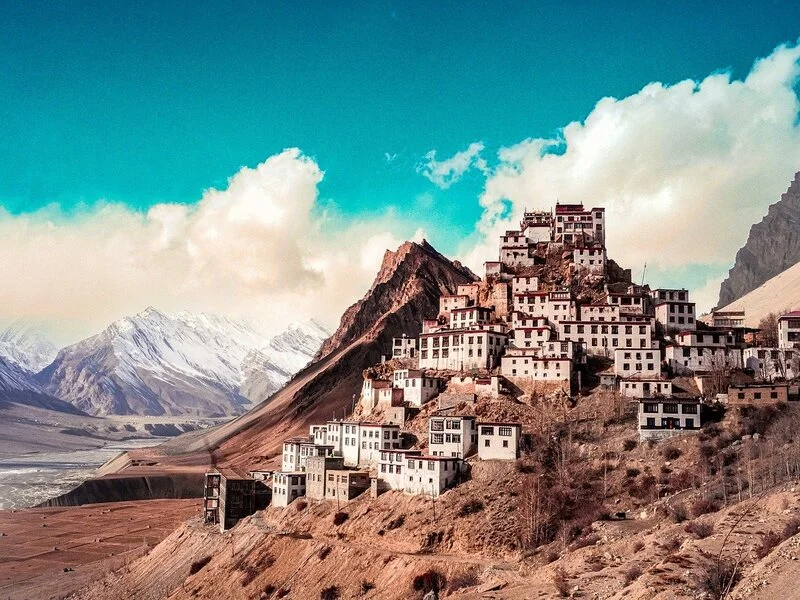
Ki Monastery is one of the largest and oldest monasteries in Spiti, perched above the town of Kibber. It provides spiritual insight and panoramic views of the surrounding valley.
Tabo Monastery, over a thousand years old, is renowned for its murals, frescoes, and historic significance. It is a center for learning and spiritual exploration.
Kaza is the administrative and cultural hub of Spiti Valley, offering markets, guesthouses, and access to surrounding attractions.
Komik is one of the highest villages in the world, known for its serene environment and traditional Himalayan lifestyle.
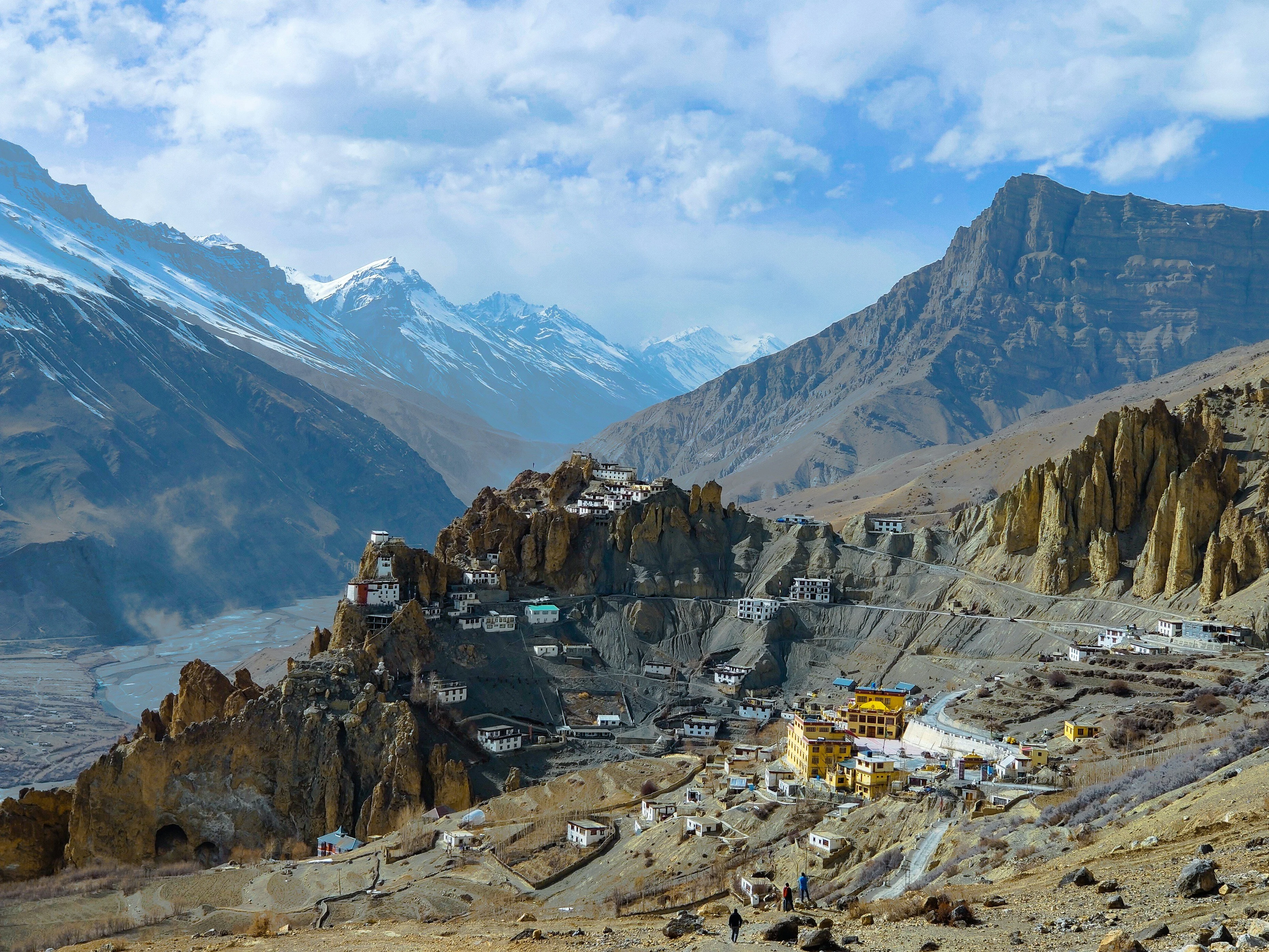
Perched dramatically on a cliff, Dhankar Monastery offers breathtaking views of the Spiti River and surrounding mountains.
A high-altitude park famous for rare wildlife like snow leopards, ibex, and Himalayan birds, perfect for nature enthusiasts.
A high-altitude glacial lake surrounded by mountains, Chandratal is ideal for camping, photography, and enjoying nature.
Langza is known for its fossils, panoramic views, and traditional Himachali lifestyle.
Spiti Valley offers a unique combination of adventure, culture, and natural beauty, making it a perfect destination for travelers seeking both exploration and tranquility. Surrounded by high mountains, barren landscapes, rivers, and monasteries, the valley provides a variety of activities that appeal to all kinds of travelers. Visitors can enjoy trekking, village exploration, wildlife spotting, riverside walks, and photography, while immersing themselves in Tibetan Buddhist culture. Its remote location and serene environment allow travelers to disconnect from the hustle of daily life and fully appreciate the raw beauty of the Himalayas.
Spiti offers trekking routes of varying difficulty, from short valley walks to multi-day expeditions through high passes.
The valley is dotted with ancient monasteries that showcase Tibetan culture, art, and architecture.
Remote villages like Langza, Komik, and Dhankar offer authentic Himalayan life experiences.
High-altitude lakes, rivers, and meadows provide excellent opportunities for camping and relaxation.
Pin Valley National Park and surrounding areas are perfect for observing Himalayan wildlife.
Exploring the rugged terrain by road provides a thrilling experience through the valley.
Spiti Valley, nestled in the high Himalayas of Himachal Pradesh, is a remote destination known for its rugged landscapes, serene villages, and ancient monasteries. Due to its altitude and challenging terrain, planning your visit according to the right season is crucial. The weather affects accessibility, trekking conditions, and overall experience. Visiting at the ideal time allows travelers to enjoy the scenic beauty, cultural sites, and peaceful Himalayan environment comfortably. Each season offers a unique experience, making Spiti Valley an extraordinary destination for nature lovers, adventure enthusiasts, and cultural explorers alike.
Summer is the most favored time to explore Spiti Valley, with pleasant temperatures and mostly clear skies. During this period, snow melts on high passes, rivers flow more abundantly, and the valleys become vibrant and green. The mild weather makes it ideal for trekking, village exploration, and photography. Travelers can comfortably visit monasteries, riversides, and scenic trails, making it the most convenient time for all types of travelers to experience the valley’s beauty.
Autumn brings calm and clear weather to Spiti Valley after the monsoon season. The landscape turns golden and crisp, creating picturesque views across the villages and mountains. This season is perfect for exploring remote areas, enjoying quiet treks, and experiencing the local culture without the peak-season crowds. Cooler temperatures and clear skies make it a great time for photography and nature walks, offering a tranquil and immersive Himalayan experience.
Winter in Spiti Valley is harsh, with heavy snowfall covering villages, passes, and trails. Many higher passes become inaccessible, but the snow-covered peaks and silent valleys create a magical atmosphere. Travelers during this season can experience solitude, peaceful landscapes, and unique winter photography opportunities. Though challenging, winter provides a serene and untouched Himalayan experience, ideal for those seeking calm, quiet, and the stark beauty of the high-altitude desert.
Reaching Spiti Valley requires careful planning due to its remote location in the northern Himalayas of Himachal Pradesh. The valley is surrounded by high mountains, deep gorges, and snow-covered passes, making travel a part of the adventure. Despite its rugged terrain, Spiti is accessible by road, rail, and air with proper planning. Travelers can choose the most suitable route based on convenience, comfort, and time availability. Visiting during the right season ensures safer and smoother travel while allowing exploration of villages, monasteries, and scenic landscapes without unnecessary hassle.
The most common way to reach Spiti Valley is by road. Travelers can start from Manali or Shimla, both well-connected to major cities like Delhi and Chandigarh. The drive through high mountain passes such as Rohtang, Kunzum, and Nakee La offers breathtaking views of snow-capped peaks, valleys, and rivers. Though the journey is long and challenging, it provides a memorable Himalayan experience, with stops at scenic viewpoints, villages, and rivers along the way. Private taxis, shared cabs, and buses are available depending on comfort and preference.
Spiti Valley does not have a direct railway connection. The nearest major railway stations are in Shimla, Chandigarh, and Pathankot. From these stations, travelers must continue the journey by road via taxis or buses. Although traveling by train requires an additional road transfer, it allows travelers to experience scenic drives through the mountains while combining rail travel comfort with adventure.
The nearest airport to Spiti Valley is Kullu-Manali Airport (Bhuntar Airport), located approximately 200 kilometers from Kaza, the main town in Spiti. Flights are available from Delhi and other major cities to Bhuntar, after which travelers must continue by road. Air travel is convenient for those looking to save time and start their Himalayan journey quickly, though a scenic and challenging road journey remains necessary to reach Spiti’s remote villages.
Once in Spiti Valley, local transport options include taxis, shared cabs, and rented bikes. Many areas and trails are also accessible on foot, allowing travelers to enjoy riverside walks, village exploration, and trekking. Planning transport in advance is recommended due to the valley’s remote location and limited services, ensuring a smooth and enjoyable experience for all travelers.
Spiti Valley offers a unique culinary and cultural experience, influenced by Tibetan traditions and the rugged Himalayan environment. The remote villages serve traditional Himachali and Tibetan-inspired dishes that are simple yet flavorful. Travelers can enjoy hearty meals made from locally sourced grains, lentils, and vegetables while immersing themselves in the region’s serene and rustic lifestyle. Local markets, though small, provide a glimpse into the daily life, handicrafts, and traditional products of Spiti, making them ideal for cultural exploration. Whether sampling authentic cuisine or browsing artisanal goods, visitors can experience the essence of the valley beyond its scenic landscapes.
Spiti’s cuisine is hearty and designed for the high-altitude climate. Staples include barley, wheat, lentils, and locally grown vegetables, often prepared as soups, stews, and steamed breads. Tibetan influences are seen in momos, thukpa (noodle soup), and butter tea, which are widely available in village cafés and guesthouses. These dishes provide warmth and nutrition, making them perfect for trekkers, nature enthusiasts, and travelers exploring remote areas. Dining in Spiti is also a cultural experience, as visitors often eat with locals or in riverside cafés overlooking mountains and valleys.
Though Spiti Valley is sparsely populated, its villages have small markets where travelers can find traditional handicrafts, woolens, prayer flags, and souvenirs. The markets reflect the valley’s Tibetan and Himachali heritage and allow visitors to observe local life and customs. Exploring these markets provides opportunities to interact with artisans, purchase unique handcrafted items, and experience the simplicity and charm of remote Himalayan communities.
Booking a Spiti Valley package with Travel Ride is a reliable way to organize your high‑altitude Himalayan adventure with confidence and convenience. Spiti’s remote terrain, high passes, and scenic villages benefit from professional planning, and Travel Ride helps customize your itinerary based on when you plan to visit, how long you want to stay, and what experiences you prefer. Their team takes care of logistics such as road transfers, accommodation, local transport between villages and passes, and route planning, so you can focus on exploring monasteries, rivers, trails, and villages. With clear pricing, responsive support, and detailed itineraries, Travel Ride makes the process of booking and traveling to Spiti Valley straightforward and stress‑free for all types of travelers.
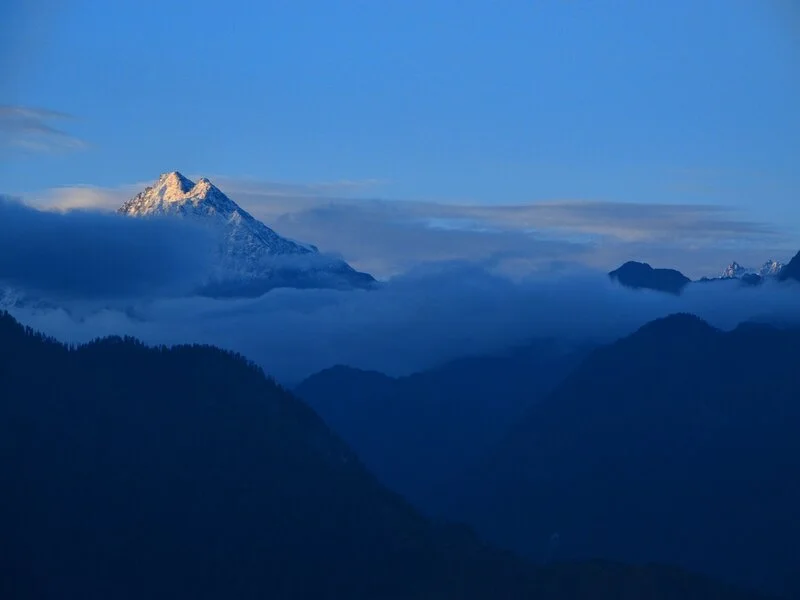
Set out from Manali on an unforgettable journey to the remote and stunning Spiti Valley Travel ...
Per Person
Escape to the mesmerizing landscapes of the Himalayas with the Spiti Valley Tour Package from Delhi ...
Per Person
Showing 1 of 1 pages
The closest air terminal is situated at Bhuntar, Kullu which is in Kullu valley. From the air terminal, you can undoubtedly recruit neighborhood transport or a taxi to arrive at your objective. You can likewise take a trip to Delhi International Airport which is situated a ways off of 730 km. At that point, you can take a taxi from that point to arrive at your objective. The nearest railhead from Spiti Valley is Shimla Railway station and Joginder Nagar Railway Station. This rail line station is very much associated with other significant urban areas.
Distance from Delhi: 729 Kms
Distance from Shimla: 443 Kms
Distance from Manali: 196 Kms
Distance from Pathankot: 488 Kms
Distance from Amritsar: 592 Kms
Distance from Agra: 966 Kms
Distance from Chandigarh: 496 Kms
Distance from Rajasthan: 1054 Kms
Distance from Mumbai: 2135 Kms
Distance from Kolkata: 2265 Kms
Distance from Bangalore: 2910 Kms
Distance from Chennai: 2943 Kms
January to March month is an extremely cold month in Spiti Valley and it is fully covered with a thick sheet of snow the way from Manali to Kaza also remains close due to this. From April to May, the snow starts to melt and some roads are opened that are going towards Manali from Kunzum Pass. but if you want to have the best experience of Spiti valley then you should visit this place during July month when the way from Kaza to Manali via Kunzum Pass remains open.
Spiti is a famous place that is visited by most adventure enthusiasts. Some places that will be explored while being on the Spiti Valley tour are Chandratal Lake, Key Monastery, Kunzum pass, Pin Valley National Park, Surya Taal, Dhankar Monastery, Tabo Monastery, Dhankar lake, Kibber, Baralacha pass, Sri Trilokinath temple, Shashur Monastery, Gandhola Monastery, Tayul Monastery, Tangyud Monastery, Kardang Monastery and Kungri Monastery.
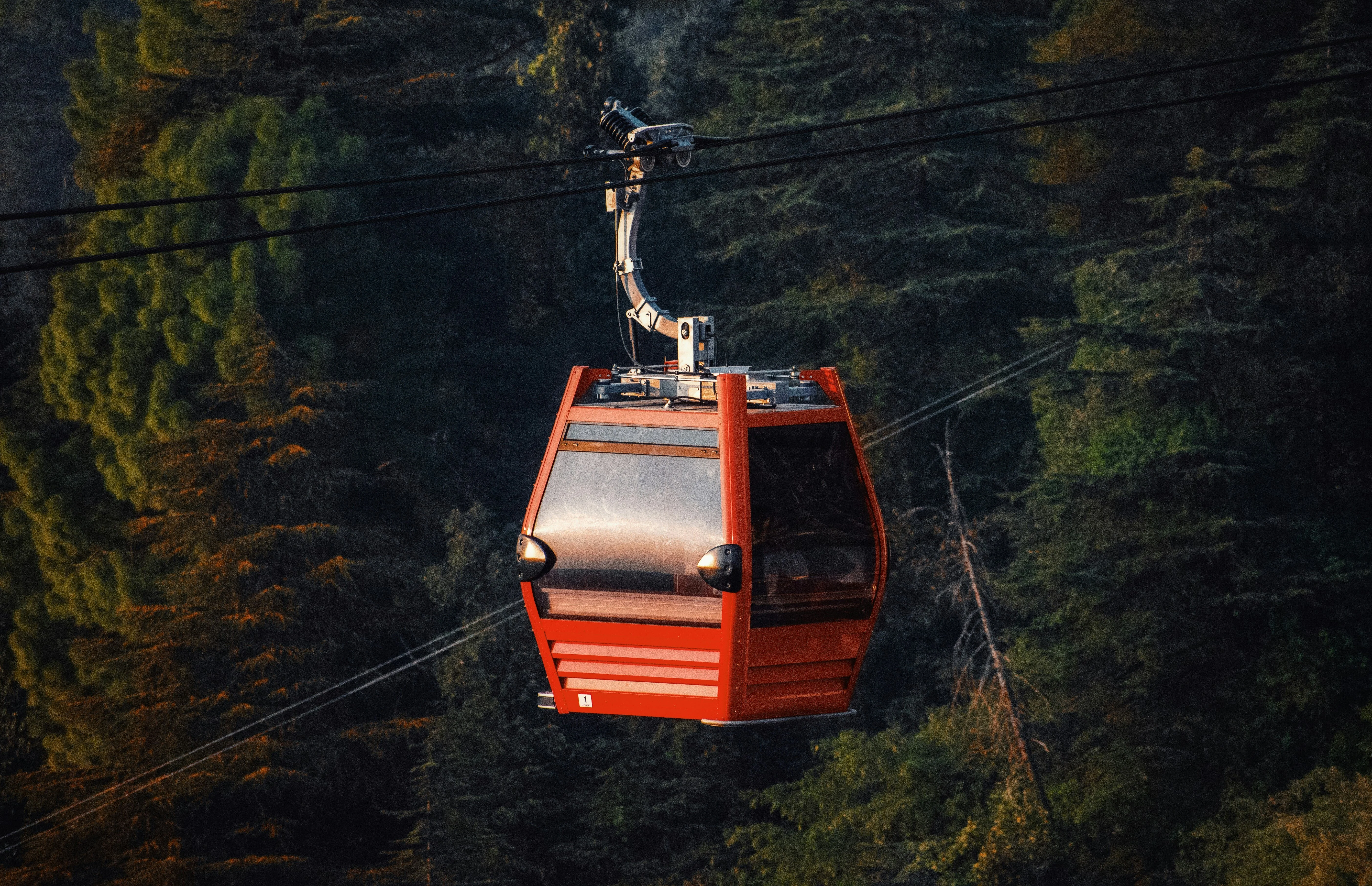
"Spiti" signifies a center land and Spiti is situated on the India and Tibet borderline. Spiti is a celebrated spot that is visited by most adventure aficionados. Trekking is a significant movement that is appreciated here and its headquarters is situated at Kaza. Kibber to Chichum ropeway is likewise a mainstream action among sightseers as it gives a stupendous perspective on the city. Safari and trekking are the two significant things that you can appreciate in Himachal Pradesh. Yaks can be seen in significant numbers in Spiti valley and they resemble raising substances for the residents. Yak safari is the most ideal choice to investigate the excellence of Spiti valley.
No special pass is required for visiting Spiti Valley, but you need to make an entry before entering at Sumdo or Losar and also need to show your government Id. in case an International tourist Protected Area Permit (PAP) is needed that can be issued from Shimla or Kaza. If you are entering Spiti from Manali then you require a permit to cross Rohtang Pass.
You can also get the Himachal Pradesh Tourism Development Corporation (HPTDC) buses from May to November, which run between the cities of Himachal Pradesh. After reaching the bus stand you can hire local transport to reach your destination. Other than this you can opt for local transport from Manali to Spiti Valley via Kunzum La Pass.
It is not necessary to carry oxygen can but if you are carrying it then it is well and good. You can take oxygen cans from your hometown itself as they are light in weight and if you want to carry an oxygen cylinder then you can take it from Chandigarh or Shimla as they are heavy.
Since Spiti valley is located at a very high altitude you may not find plenty of ATMs but still, there are some of them installed. Even though there are some ATMs it is not guaranteed that they are in working conditions. So it is advisable to withdraw the cash at Shimla, Sangla, Kalpa, and Kaza.