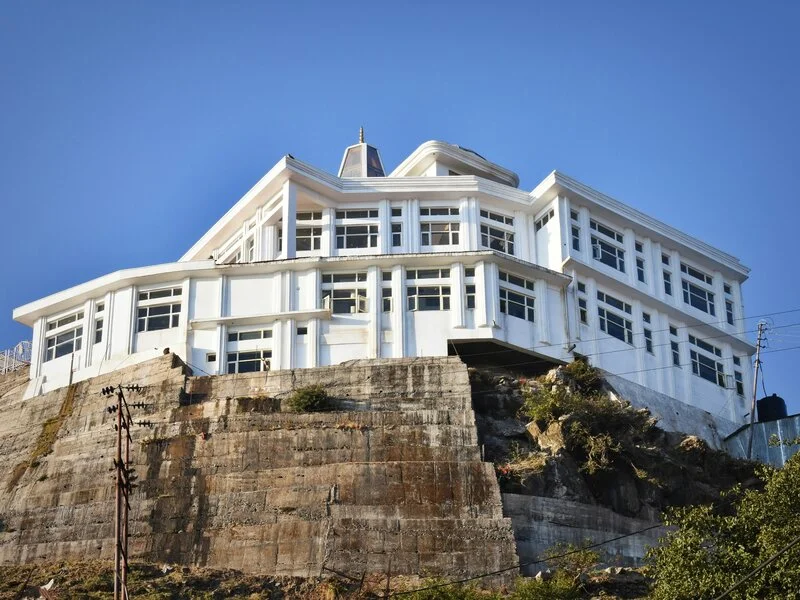
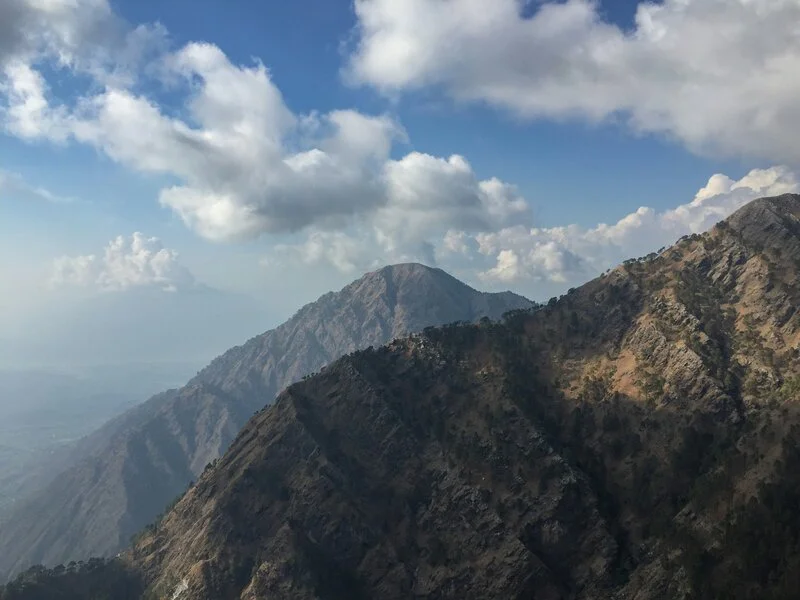
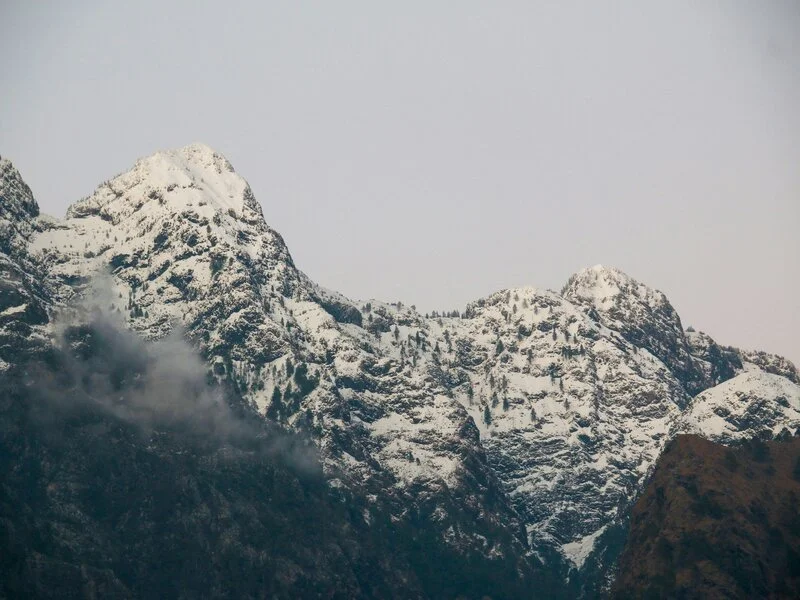
The holy Vaishno Devi Yatra is one of the most cherished pilgrimages in India, drawing millions of devotees every year to seek the blessings of Mata Vaishno Devi. Located in the beautiful Trikuta Hills of Jammu & Kashmir, this sacred journey is a blend of spirituality, natural beauty, devotion, and deep emotional connection. People from all over the world travel to Katra with a heart full of faith, hoping to get divine darshan of the Three Pindis—the natural rock formations that symbolize the Goddess in her Mahasaraswati, Mahalakshmi, and Mahakali forms.
The journey to Vaishno Devi is not just a pilgrimage; it is a soulful experience that touches the deepest emotions of devotees. For many, it is a chance to begin a new chapter of life, seek blessings for family, fulfill vows, or simply feel the divine energy that flows throughout the mountains. The Yatra covers nearly 12 km of trekking distance from the base town Katra to the main Bhawan, where Mata resides in the sacred cave.
People of all ages—children, youngsters, elders—undertake this holy Yatra. Some walk the entire route barefoot, some chant “Jai Mata Di” throughout the climb, some go at night for cool weather, and some choose helicopter services. No matter how different the journeys may seem, the faith remains the same.
1. History and Significance of Mata Vaishno Devi
Understanding the background of the pilgrimage makes the Yatra even more meaningful. According to ancient scriptures, Mata Vaishno Devi is believed to be an incarnation of Goddess Mahalakshmi, born to protect dharma and guide humanity. She meditated in these hills for years, and the divine cave where she finally stayed became a sacred shrine known today as the Vaishno Devi Bhawan.
-
The Legend of Mata’s Meditation
It is said that when Bhairon Nath chased Mata, she entered the narrow cave at Ardhkuwari, meditatively staying there for nine months—just like a baby stays in a mother’s womb. This is why the cave is called Garbhjoon. Later, Mata moved towards the Bhawan, where she eventually took her final manifest form and blessed the world before merging into the three holy pindis.
-
Why Devotees Believe in Miracles Here
Pilgrims strongly believe that Mata grants every true wish. Countless stories of healing, success, safety, and spiritual transformation have strengthened people’s devotion over centuries. This is one reason why the Vaishno Devi Yatra is considered one of the most powerful pilgrimages in India.
2. How to Reach Vaishno Devi
Reaching Vaishno Devi is simple and well-connected through road, rail, and air. The journey begins at Katra, the base town for the holy shrine. Travelers can reach Katra by direct trains from major Indian cities or by road via Jammu. The nearest airport is Jammu Airport, located about 50 km from Katra, with regular flights from Delhi, Mumbai, and other metros.
From Katra, devotees start a 13 km trek to the Bhawan, or they can choose ponies, palki, electric autos, or helicopter services. The entire route is safe, scenic, and well-maintained for a comfortable pilgrimage experience.
Reaching Vaishno Devi is extremely easy today due to excellent connectivity. The base point is Katra, located around 50 km from Jammu city.
The nearest airport is Jammu Airport, connected to cities like Delhi, Mumbai, Jaipur, Chandigarh, Bangalore, and more. From the airport, you can hire a taxi, private cab, or shared transport to reach Katra within 1.5 hours.
Many pilgrims book through trusted travel planners like Travel Ride, who arrange smooth airport-to-hotel transfers.
- By Train – Comfortable and Affordable
The Shri Mata Vaishno Devi Katra Railway Station connects major cities, including Delhi, Ahmedabad, Lucknow, Indore, Jaipur, and Chennai. The station is modern, clean, and equipped with lifts, waiting rooms, and food stalls.
- By Road – Scenic and Pleasant
Well-maintained highways make road trips enjoyable. Buses from Jammu, Amritsar, Delhi, Himachal, and Punjab run frequently. You will find many scenic viewpoints on the Jammu–Katra route.
3. Vaishno Devi Yatra Registration
Vaishno Devi Yatra registration is a simple and mandatory step for all pilgrims visiting the holy shrine. Devotees can register online through the official Shri Mata Vaishno Devi Shrine Board website or at registration counters in Katra. Online registration allows you to choose your travel date, generate a Yatra slip, and avoid long queues on arrival.
After registration, you must carry a printed or digital Yatra slip throughout the journey, as it is checked at Banganga and entry points. The process is free, fast, and ensures smooth crowd management, making your Vaishno Devi pilgrimage safe and hassle-free.
Every pilgrim must complete Yatra registration. This helps the Shrine Board manage crowd control and ensure safety.
You can register through the official Shrine Board website. Fill the basic details and download your Yatra Slip.
Pilgrims arriving directly in Katra can register at the Yatra Registration Counter (YRC) located near the bus stand. Registration is free.
- Why the Slip Is Important
The Yatra Slip must be scanned at the entry point Ban Ganga. Without it, you cannot begin the trek.
4. Trek Route from Katra to Bhawan
The Vaishno Devi trek route starts from Katra and stretches around 13 kilometers up to the holy Bhawan. The path is well-paved, safe, and illuminated, making it comfortable for pilgrims of all ages. The route passes major points like Banganga, Charan Paduka, Adhkuwari, Himkoti, and finally Bhawan.
Devotees can walk or choose ponies, palki, electric vehicles (from Ardhkuwari to Bhawan), or helicopter services up to Sanjichhat. Food stalls, medical aid, resting points, and clean washrooms are available throughout the trek. The scenic views, devotional chants, and organized facilities make the journey peaceful and fulfilling for every pilgrim.
The trek from Katra to the Bhawan is approximately 13 km. The path is paved, safe, lit at night, and filled with facilities like water coolers, washrooms, benches, and food stalls.
Below is a complete breakdown:
- Katra to Ban Ganga – 1 km
This is the starting point where you cross the river created by Mata’s divine arrow. Many devotees offer prayers here.
- Ban Ganga to Charan Paduka – 2 km
This stretch has a moderate incline. At Charan Paduka, Mata’s footprints are believed to be imprinted on a rock.
- Charan Paduka to Ardhkuwari – 3.5 km
Ardhkuwari is the mid-point of the Yatra. The famous Garbhjoon Cave is located here. Pilgrims often rest, eat, and refill water.
- Ardhkuwari to Himkoti – 2.5 km
This route is scenic, less crowded, and perfect for slow, peaceful trekking. You also get battery car facilities here.
- Himkoti to Sanjichhat – 2 km
This is the highest point of the trek, offering stunning valley views.
- Sanjichhat to Bhawan – 1.5 km
The last part is easy and takes around 20–30 minutes.
5. Helicopter Services during Vaishno Devi Yatra
Helicopter services make the Vaishno Devi Yatra faster and more comfortable, especially for senior citizens and those with limited time. The service operates between Katra and Sanjichhat, covering the uphill journey in just 8 minutes.
Tickets can be booked online through the official SMVDSB website, ensuring transparency and easy access. From Sanjichhat, pilgrims need to walk around 2.5 km to reach the Bhawan or can choose ponies or palki.
Flights run daily, weather permitting, and each ticket includes both-way options. The helicopter route offers stunning aerial views and provides a smooth, convenient, and time-saving pilgrimage experience.
Helicopter services operate between Katra and Sanjichhat and take only 5 minutes per ride.
Bookings open online and fill quickly. You should book early, especially during festivals.
- Walking Distance After Landing
From Sanjichhat helipad, the Bhawan is around 2 km, which takes about 25 minutes on foot.
Travel agencies like Travel Ride help many devotees secure their helicopter seats hassle-free.
6. Facilities Available During the Vaishno Devi Yatra
During the Vaishno Devi Yatra, pilgrims get access to well-managed facilities that ensure a safe and comfortable journey. The entire route from Katra to Bhawan is equipped with clean drinking-water points, medical centres, resting shelters, cloakrooms, and washrooms at regular intervals. Battery-operated vehicles, ponies, and palkis are available for those who need assistance.
Yatra registration, accommodation booking, and helicopter services are also provided through official counters. Free langar services, security checkpoints, and 24×7 help desks make the pilgrimage smooth and organised. These facilities help every devotee complete the yatra with ease and devotion.
The Shrine Board ensures a comfortable experience for everyone.
Pure vegetarian food stalls, tea points, and prasad counters are available throughout the trek.
Shelters, benches, and blankets are provided at major points.
First-aid centers, oxygen cylinders, and emergency services are available.
Available for elderly devotees or those who cannot walk long distances.
7. Darshan Process at Bhawan
After reaching the Bhawan, devotees must store their belongings in lockers and pass through security checks. The queue is highly disciplined.
Inside the cave, the Three Holy Pindis appear naturally.
-
Mahakali
-
Mahalakshmi
-
Mahasaraswati
The moment you see the Pindis, you feel an indescribable peace. This part of the journey is emotional for many, and people often pray silently for their loved ones.
8. Bhairon Temple
Traditionally, the Vaishno Devi Yatra is considered incomplete without visiting the Bhairon Temple, located 2.5 km from Bhawan. Pilgrims believe Mata forgave Bhairon Nath and blessed him, making this visit an important part of the pilgrimage.
Battery car service is available now, making this stretch easier.
9. Accommodation Options in Katra
Katra offers a wide range of accommodation options to suit every pilgrim visiting Vaishno Devi. From budget lodges and mid-range hotels to luxury stays with modern amenities, travellers can easily find a comfortable place to rest. Many hotels are located near the main market and the Ban Ganga starting point, offering easy access to the yatra route.
Rooms are clean, affordable, and equipped with essentials like hot water, Wi-Fi, and in-house dining. The Shri Mata Vaishno Devi Shrine Board also provides neat guesthouses and dormitories. With plenty of choices, Katra ensures a peaceful stay for all devotees.
Katra is filled with hotels, guest houses, and Dharamshalas for all budgets.
Clean and comfortable lodges close to the market.
Modern rooms, good service, hot water, restaurants, and pick-up facilities.
Available at Katra, Ardhkuwari, Sanjichhat, and Bhawan.
Travelers often choose Travel Ride for safe and verified accommodation bookings.
10. Best Time to Visit Vaishno Devi
The best time to visit Vaishno Devi Yatra largely depends on weather and crowd preferences. Most pilgrims prefer the pleasant months of March to June, when the climate is comfortable for trekking. The September to November period is also ideal, offering cool weather and clear views.
Those seeking a peaceful experience can visit during weekdays or non-festive months when the rush is low. Winter, from December to February, sees snowfall around Bhawan and requires extra caution. Overall, choosing a season with mild weather ensures a smooth, enjoyable, and spiritually enriching Vaishno Devi pilgrimage.
The Yatra remains open all year, but each season offers a different experience.
Snowfall and cold weather; very peaceful and scenic.
Pleasant temperature; highest pilgrim footfall.
Green landscapes but slippery paths—walk carefully.
-
Essential Tips for a Smooth Yatra
-
Wear comfortable shoes
-
Carry a light jacket
-
Drink water frequently
-
Avoid carrying heavy bags
-
Keep your Yatra Slip safe
-
Take breaks when needed
-
Walk at your own pace
Follow instructions given by officials
A well-planned journey becomes even easier when guided by experienced travel partners like Travel Ride.
11. Places to Visit Near Vaishno Devi
Vaishno Devi is one of India’s most sacred pilgrimage destinations, attracting millions of devotees every year. While the main yatra to the holy cave is the primary purpose of the visit, the region around Katra is blessed with many beautiful places that offer a mix of spirituality, nature, history, and adventure. Exploring these nearby attractions can make your trip even more memorable. Here are some of the best places to visit near Vaishno Devi that you can include in your travel plan.
1. Bhairon Baba Temple
Located about 2 km from the Vaishno Devi Bhawan, Bhairon Baba Temple is an important stop for devotees. According to popular belief, the pilgrimage is considered incomplete without paying respect at this shrine. The trek from Bhawan to the temple offers breathtaking Himalayan views, and ropeway services are available for visitors who want an easier journey. The peaceful environment and divine energy make this temple a must-visit after darshan.
2. Ardhkuwari Cave
Situated midway on the Vaishno Devi route, Ardhkuwari is a sacred cave where Mata Vaishno Devi is believed to have meditated for nine months. The narrow cave passage attracts thousands of devotees seeking blessings. The area is surrounded by beautiful scenery, rest points, and shops. Many pilgrims stop here for a short break before continuing their climb to Bhawan.
3. Sanjichhat Viewpoint
Sanjichhat is the highest point on the traditional trekking route. It offers stunning panoramic views of the mountains and valleys of Jammu and Kashmir. Pilgrims often pause here to enjoy the cool breeze, take photographs, and relax before the final stretch to Bhawan. The region also has medical facilities, eateries, and resting shelters.
4. Shiv Khori Cave Temple
Around 70 km from Katra, Shiv Khori is one of the most popular spiritual attractions near Vaishno Devi. This natural limestone cave is dedicated to Lord Shiva and houses a self-manifested lingam. The cave’s naturally carved formations, narrow passages, and spiritual aura create a unique experience. Pilgrims who love exploring ancient caves often add Shiv Khori to their travel itinerary.
5. Patnitop Hill Station
Patnitop, located about 80 km from Katra, is a scenic hill station known for its lush pine forests, meadows, and peaceful vibes. It is a great weekend getaway for families and couples. Activities like paragliding, nature walks, and picnics make it a wonderful retreat after the yatra. During winter, Patnitop often receives snowfall, transforming the landscape into a winter wonderland.
6. Nathatop and Sanasar
These two beautiful spots, located near Patnitop, are ideal for adventure lovers. Nathatop is famous for its serene natural beauty and majestic mountain views. Sanasar, on the other hand, offers activities such as trekking, camping, paragliding, and boating. The calm surroundings make it a perfect destination for those who want a relaxing break in nature.
7. Raghunath Temple, Jammu
Located in Jammu city, about 50 km from Katra, the historic Raghunath Temple is one of the largest temple complexes in North India. Dedicated to Lord Rama, the temple showcases beautiful architecture, spiritual significance, and a peaceful atmosphere.
12. Conclusion
The Vaishno Devi Yatra is more than a pilgrimage—it is a life-changing spiritual journey. The chanting of “Jai Mata Di,” the peaceful mountain path, the breathtaking views, and the divine darshan of the holy Pindis fill your heart with faith and positivity. Whether you travel alone, with family, or with friends, this sacred Yatra becomes a cherished memory for life.
May Mata Vaishno Devi bless your life with happiness, prosperity, strength, and peace.