

To More Inquiry

Shimla, the capital of Himachal Pradesh, is a year-round hill destination known for its changing seasons, colonial charm, and Himalayan setting. Choosing the best time to visit Shimla depends on the kind of travel experience you seek, whether it is pleasant weather, scenic landscapes, cultural exploration, or seasonal activities. Each season in Shimla offers a distinct atmosphere, influencing sightseeing opportunities, accessibility, crowd levels, and overall travel comfort. Understanding seasonal variations helps travelers plan a more fulfilling and well-paced journey. This guide explores Shimla season by season, beginning with the most popular travel period.
The summer season is widely considered the best time to visit Shimla for pleasant weather and comfortable sightseeing. As temperatures rise across the plains, Shimla becomes a refreshing retreat with cool mountain air and clear skies. During this period, the town remains lively yet manageable, making it ideal for travelers who want a balanced hill station experience without extreme weather conditions.
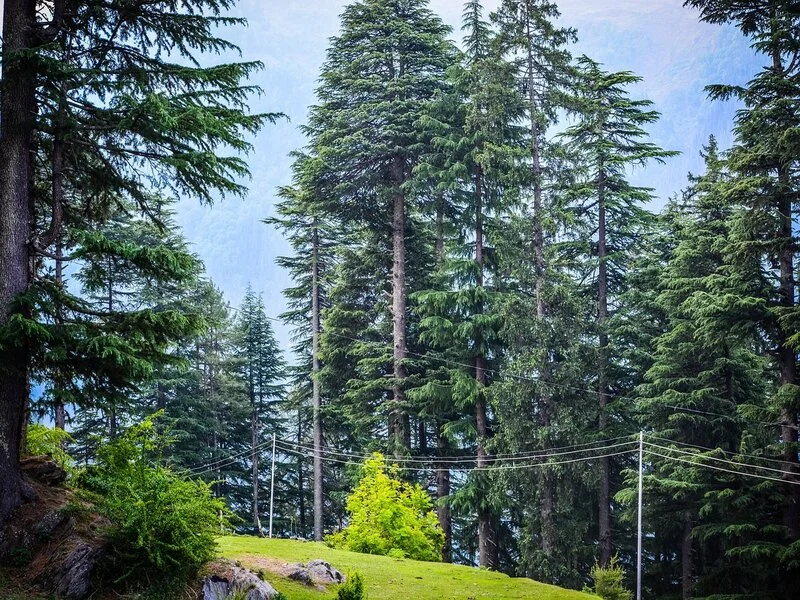
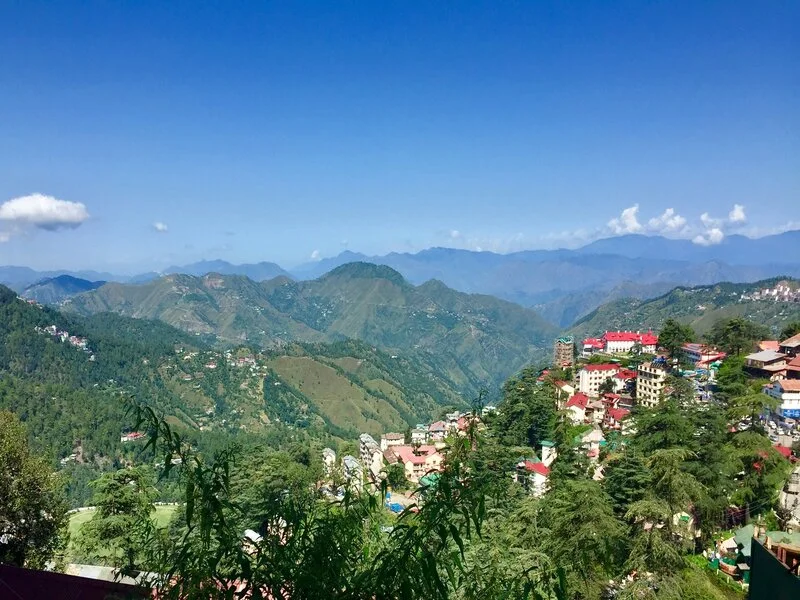
Daytime temperatures during summer generally range between 15°C and 30°C, while evenings remain cool and comfortable. This climate allows travelers to explore outdoor attractions without weather-related limitations. Clear visibility during summer also enhances scenic views of surrounding hills, valleys, and forests.
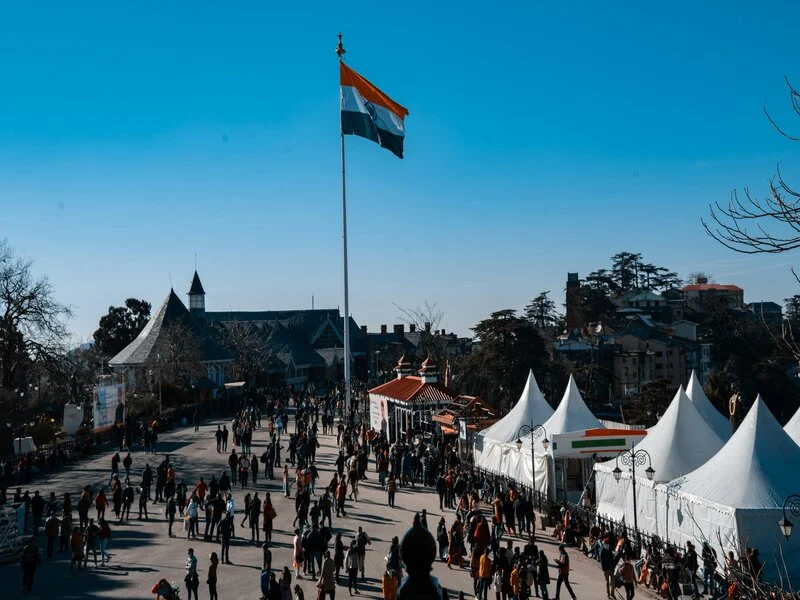
Summer is particularly suitable for walking tours, leisure exploration, and outdoor activities. Popular areas such as Mall Road, Ridge, and forest trails are most enjoyable during this season due to comfortable temperatures and dry conditions. Travelers interested in photography, casual hiking, and relaxed sightseeing often find summer the most reliable season.
From a travel-planning perspective, summer months are also convenient in terms of accessibility. Roads remain open, public transport functions smoothly, and most accommodations and services operate at full capacity. However, being the peak tourist season, popular weeks—especially May and June—can experience higher visitor numbers.
Despite the crowds, summer remains a preferred season for those visiting Shimla for the first time, as it offers a complete introduction to the destination’s natural beauty, cultural life, and colonial heritage.
Summer weather in Shimla is characterized by mild days and cool nights, creating an ideal environment for extended outdoor exploration. March and early April mark the transition from winter, with lingering coolness and occasional crisp mornings. As the season progresses, May and June bring warmer daytime temperatures while still maintaining a comfortable hill climate.
Rainfall during summer is minimal, ensuring uninterrupted travel plans. Clear skies during this time provide excellent visibility for mountain views and scenic overlooks. The pleasant weather also supports open-air cafés, evening walks, and daytime excursions without discomfort.
Travelers sensitive to extreme heat or cold often consider summer the best time to visit Shimla due to its balanced climatic conditions.
Summer represents the busiest travel season in Shimla. Families on vacation, leisure travelers, and long-stay visitors contribute to increased footfall across major areas. While central locations can be crowded during peak hours, early mornings and weekdays offer quieter experiences.
For travelers who enjoy a vibrant atmosphere with active markets, cultural interactions, and social energy, summer provides an engaging environment. Those seeking solitude may need to explore less-crowded walking trails or quieter neighborhoods during this season.
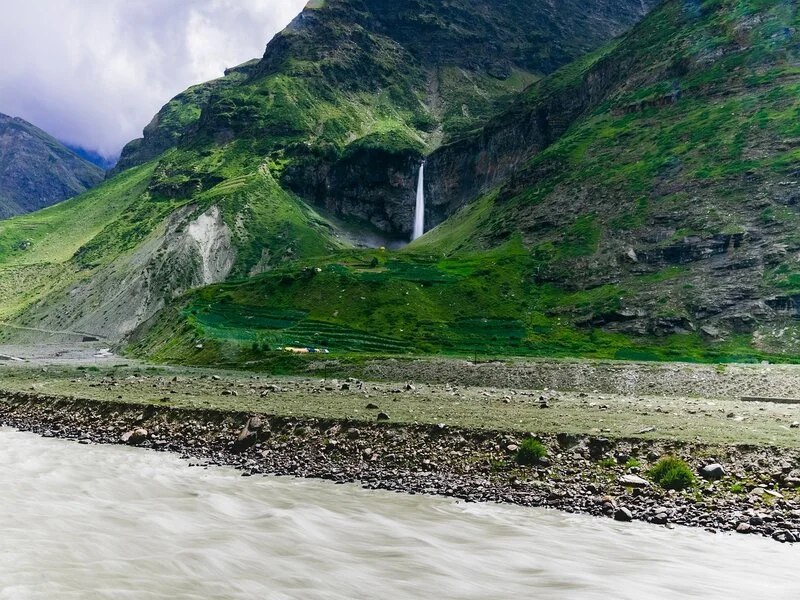
The monsoon season is a distinctive period that reshapes Shimla’s natural environment. From July onwards, the region receives moderate to heavy rainfall, transforming hillsides into vibrant green slopes and refreshing the forests and valleys. For travelers who appreciate scenic beauty and a calmer pace, this can be an appealing time to visit.
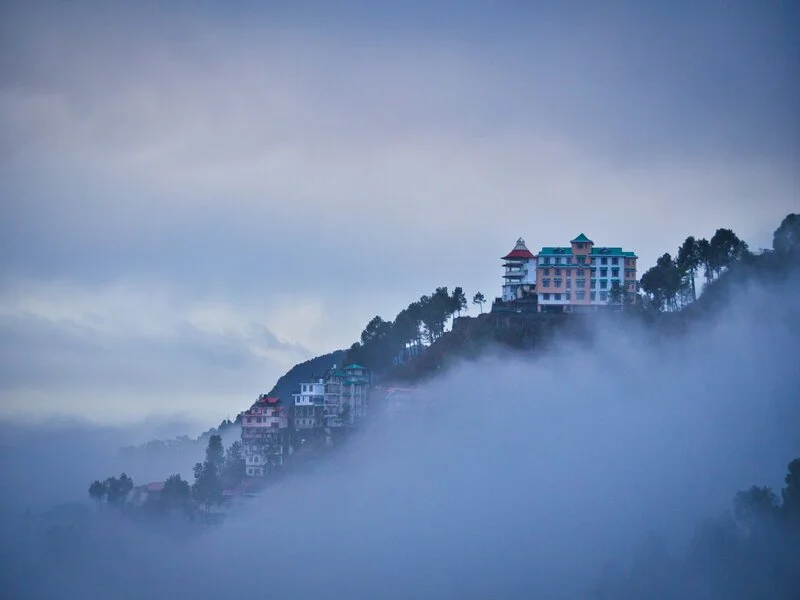
Temperatures during the monsoon remain mild, generally ranging between 15°C and 25°C. The cool air combined with rainfall creates a refreshing climate, especially after the warmer summer months. Mist-covered hills, cloud formations drifting through valleys, and rain-washed landscapes define Shimla’s monsoon charm.
This season is particularly attractive to travelers seeking peaceful surroundings and fewer crowds. Tourist numbers drop noticeably compared to summer, allowing for relaxed exploration and quieter stays. Markets, walking paths, and viewpoints feel less congested, offering a more personal connection with the destination.
Rainfall in Shimla during monsoon is frequent, though not always continuous throughout the day. Short, intense showers are common, followed by breaks of clear or misty weather. These changing conditions contribute to dramatic scenery but may affect travel plans.
Occasional landslides and slippery roads can occur during heavy rainfall, which may lead to temporary travel delays. Travelers planning a monsoon visit should remain flexible with schedules and stay informed about local weather conditions. While major roads are generally maintained, remote or forested routes may require extra caution.
Despite these challenges, the monsoon season enhances the visual appeal of Shimla. Waterfalls become more active, forests appear denser, and the overall landscape feels fresh and rejuvenated.
The monsoon season suits travelers who value tranquility over activity-heavy itineraries. It is an ideal time for relaxed stays, scenic walks during light rain, reading retreats, and slow-paced exploration. Photography enthusiasts often appreciate the soft lighting, foggy backgrounds, and natural textures created by rainfall.
This period may not be ideal for those seeking extensive outdoor activities or tightly scheduled sightseeing plans. However, travelers comfortable with occasional weather disruptions can enjoy a unique and intimate side of Shimla that peak seasons do not offer.
Accommodation availability improves during monsoon months, and travelers may find more flexible booking options. The overall travel experience feels less commercial and more connected to the town’s natural rhythm.
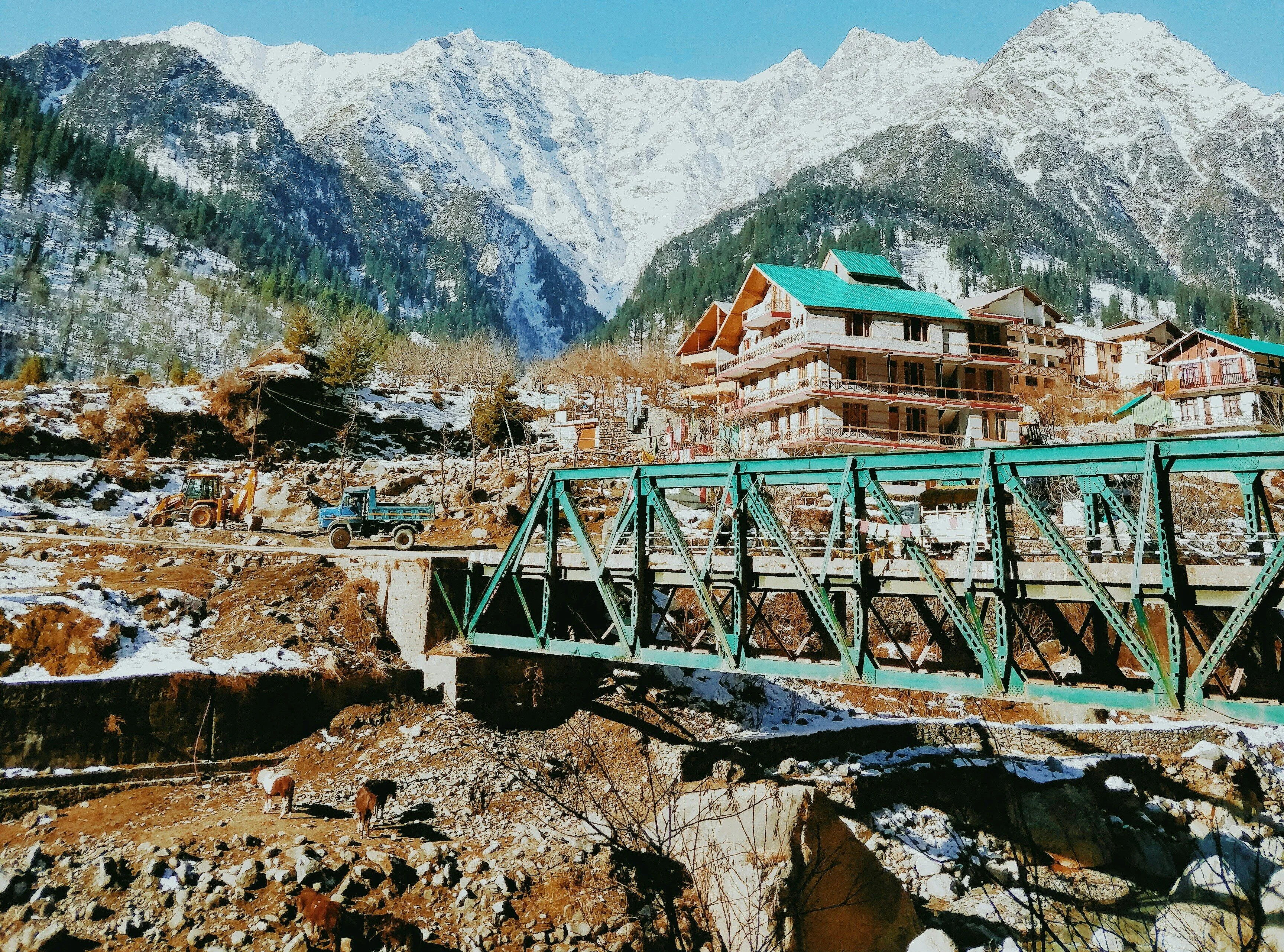
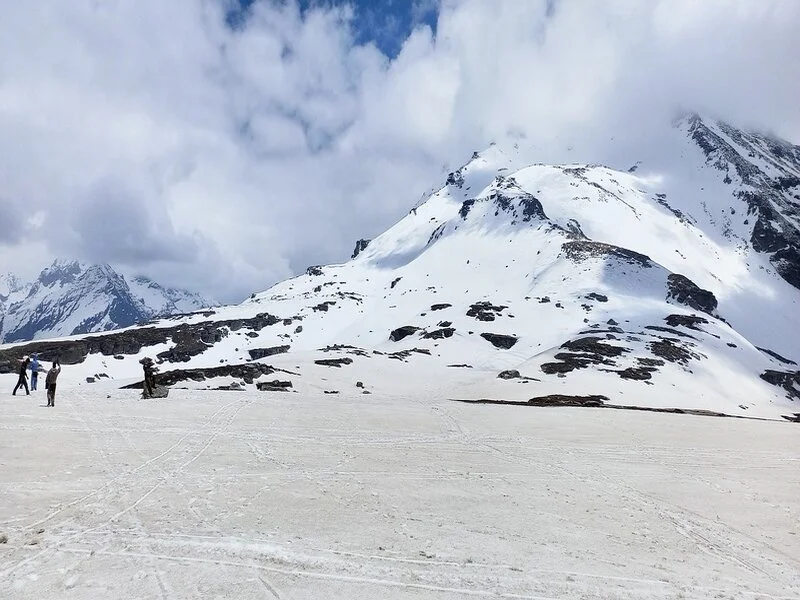
Winter in Shimla is defined by cold temperatures, snow-laden landscapes, and a festive atmosphere. Daytime temperatures usually range between 0°C and 10°C, while nights can drop below freezing, particularly during peak winter weeks. Snowfall typically occurs from late December through January, though the exact timing varies each year.
This season attracts travelers who want to experience snow, scenic winter views, and a cozy hill-station environment. Pine forests, rooftops, and walking paths covered in snow create postcard-like visuals that define Shimla’s winter charm. The crisp air and quiet surroundings make winter travel feel immersive and atmospheric.
Winter travel in Shimla requires advance planning. Snowfall may lead to temporary road closures, especially on routes connecting nearby hill areas. Rail and road services are generally operational, but delays can occur during heavy snowfall. Travelers should keep itineraries flexible and check local updates before traveling.
Warm clothing is essential during this season. Layered winter wear, gloves, thermal clothing, and proper footwear are necessary for comfortable movement. Despite the cold, clear winter days often offer excellent visibility and scenic mountain views.
This season is particularly suitable for travelers who enjoy cold climates, snow photography, and relaxed indoor experiences such as café visits, heritage stays, and evening walks during clear weather windows.
Each season in Shimla offers a distinct travel experience. Summer is ideal for comfortable sightseeing and outdoor exploration, monsoon appeals to travelers seeking greenery and peaceful surroundings, while winter is best suited for snow lovers and those wanting a traditional Himalayan winter setting.
The best time to visit Shimla depends on travel preferences rather than a single “perfect” season. Travelers focused on pleasant weather and accessibility may prefer summer months. Those seeking calm landscapes and fewer crowds may enjoy monsoon travel, while winter visitors prioritize snowfall and seasonal charm.
Shimla and Manali are the two most visited cities of Himachal Pradesh that are well connected ...
Per Person
Shimla which is also known as the summer capital is one of the prominent cities of ...
Per Person
If you are looking for a memorable trip to Shimla and Manali then Travel Ride is ...
Per Person
Shimla is the capital city of Himachal Pradesh which has some beautiful attractions that are perfect ...
Per Person
The nbsp strong Shimla Kullu Manali tour package from Kolkata nbsp strong will enable you to ...
Per Person
Shimla is blessed with natural beauty such as snow-covered mountains dense forests of pine oak deodar ...
Per Person
Shimla Manali and Kullu are some of the most visited tourist destinations of Himachal Pradesh that ...
Per Person
Shimla is an alluring destination of Himachal Pradesh that is best to be visited during the ...
Per Person
Himachal Pradesh is blessed with some of the most astonishing hill stations that are sought after ...
Per Person
Shimla is a beautiful destination and the residents of Shimla are very cordial and hospitable to ...
Per Person
Himachal Pradesh is the northernmost state of India that offers a Majestic experience of the Himalayas ...
Per Person
Shimla is a stunning destination which is having rich greenery humble local people and a welcoming ...
Per Person
strong Shimla Kullu Manali tour package from Mumbai nbsp strong will take you to the most ...
Per Person
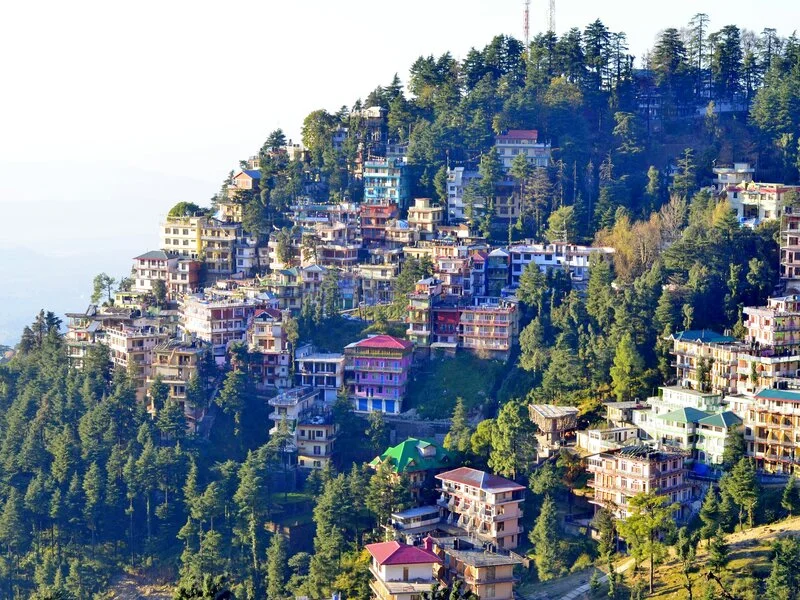
The nbsp strong Shimla Manali tour package from Bangalore nbsp strong enables you to witness multiple ...
Per Person
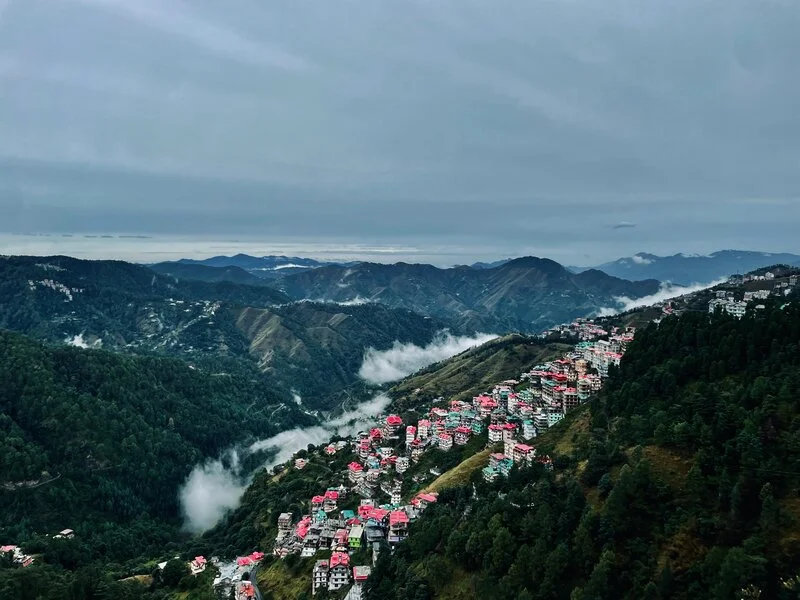
Manali is one of the most popular tourist destinations that is well-connected to various major cities ...
Per Person
Showing 1 of 3 pages
You can anytime request for a pocket friendly and customized package as per your requirements.
No need to pay complete amount in one go, it can be paid in 3 installments of 30%, 30% and 40%.
Our travel support is available in your assistance at all times for a hassle free trip.
We are having the expertise of planning more 5000+ tours all around India.
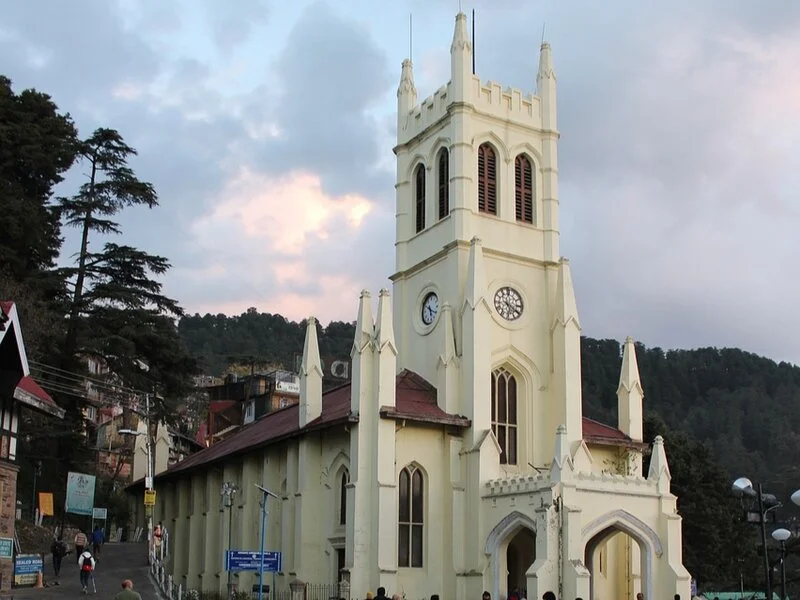
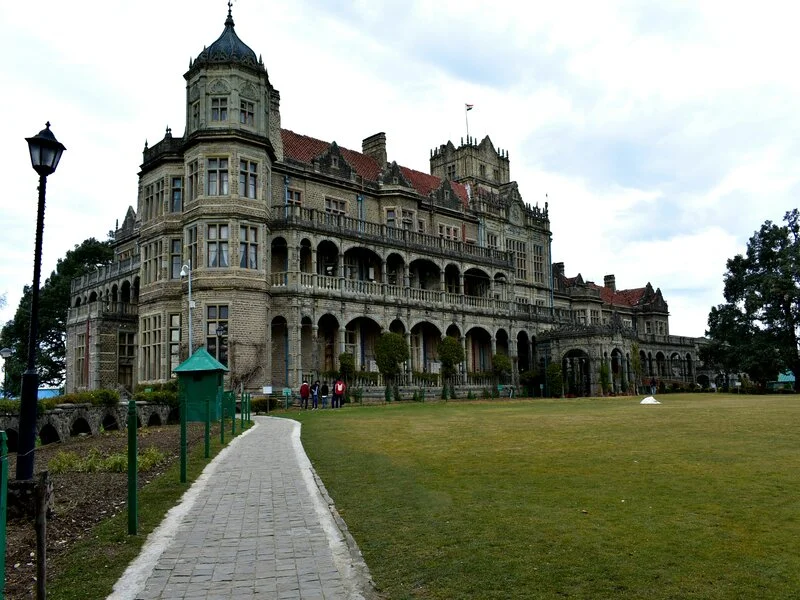
Shimla is one of the heritage towns with its buildings and monuments from the past that have made it so popular a place in the hills. There are beautiful destinations that can be explored around Shimla such as Manali, Kullu, Kasauli, Chakrata, Mandi, Parwanoo, Kasauli, Chail, Kufri etc.
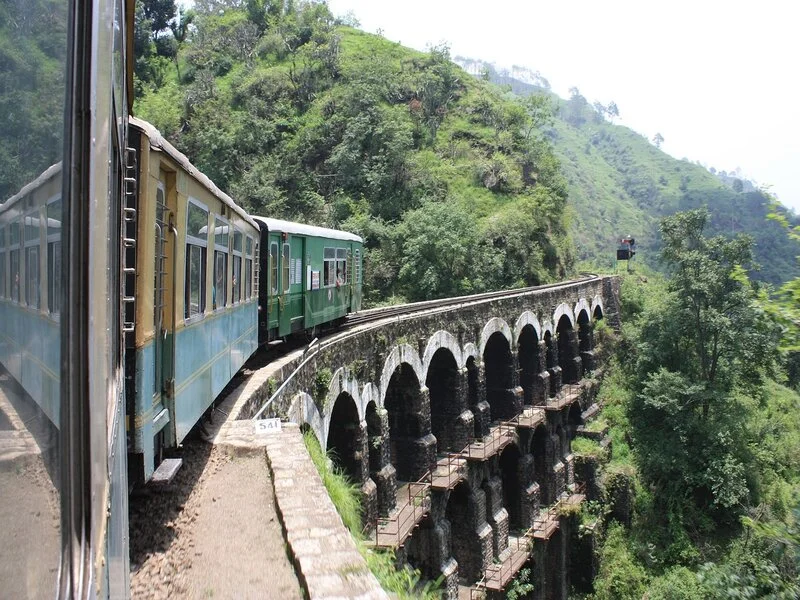
If one from India or Abroad contemplates reaching Shimla by air then they will find regular domestic flights from Delhi & Chandigarh to Jubbarhatti airport. Jubbarhatti airport is about 20 Km from Shimla and on reaching Jubbarhatti, one can reach Shimla by taxi or by bus. In 1903 Kalka-Shimla narrow-gauge railway line was laid & was awarded a World Heritage status in the year 2008 by UNESCO. An engineering marvel it is as it was built on one of the most hostile mountain terrains.
In spite of the fact that Shimla has guests visiting everything round the year the hill station travelers show up in enormous numbers during the months from December to February (cold weather months) and during the long periods of April to June(summer months). Guests however attempt to abstain from visiting Shimla during the blustery season(July to August) yet on the off chance that guests choose, in any case, to go to the slope station they are met with an influencing sentimental climate of twirling rising fog among seeing the slopes so uncommon. Cascade, Chadwick Fall, is at its best.
Travelers coming to Shimla without a bucket list are spellbound by the picturesque sight of the hill so much so that the varied attractions offered by the heritage town. Some of the prominent places that you will be visiting here are The Ridge, Craignano Nature Park, Kufri, Naldehra, Shali Tibba Temple, Hatu Peak, Jakhu Temple, Hatkoti Temple, and Sarahan.
There are amazing adventures and other exciting activities that can be enjoyed in Shimla. Some of these activities are Asia’s Only Open-Air Ice Skating Rink, Rafting at Tattapani, Toy Train Ride, Camping, river rafting, paragliding, cycling, golfing, trekking, and skiing.
Shimla is all around associated with streets to such an extent that the vast majority lean toward this method of transport however one feels depleted in the end yet one appreciates the scene, new towns, and commercial centers periodically eating in transit. Many private and public vehicles utilize significant urban communities, for example, Delhi, Chandigarh, and so forth, and Shimla. One can even book a taxi to reach Shimla.

Fill the form or call us on :+91-9557559891