+91 95575 59891Call for Best DealsPlan My Trip →
Home › Ranthambore › Places to Visit in Ranthambore

Places to Visit in Ranthambore

Discover the places to visit in Ranthambore.

✦Travel Guides by Experts
★Real Travel Experiences
☼Useful Tips for Your Trip
✧Hidden Gems Across India
▣Inspiring Stories from the Road

Overview

Ranthambore, located near Sawai Madhopur in southeastern Rajasthan, is one of India's most celebrated wildlife destinations, famous for its Bengal tigers, historic forts and beautiful forest landscapes. The region is home to Ranthambore National Park, an important part of the larger Ranthambore Tiger Reserve, where travellers can explore dry deciduous forests, rocky hills, lakes and natural wildlife habitats. The best places to visit in Ranthambore include Ranthambore National Park, Ranthambore Fort, Trinetra Ganesh Temple, Padam Talao, Raj Bagh Lake, Malik Talao and Surwal Lake. These attractions make Ranthambore an excellent destination for wildlife enthusiasts, nature photographers, families, history lovers and travellers exploring Rajasthan beyond its royal cities.

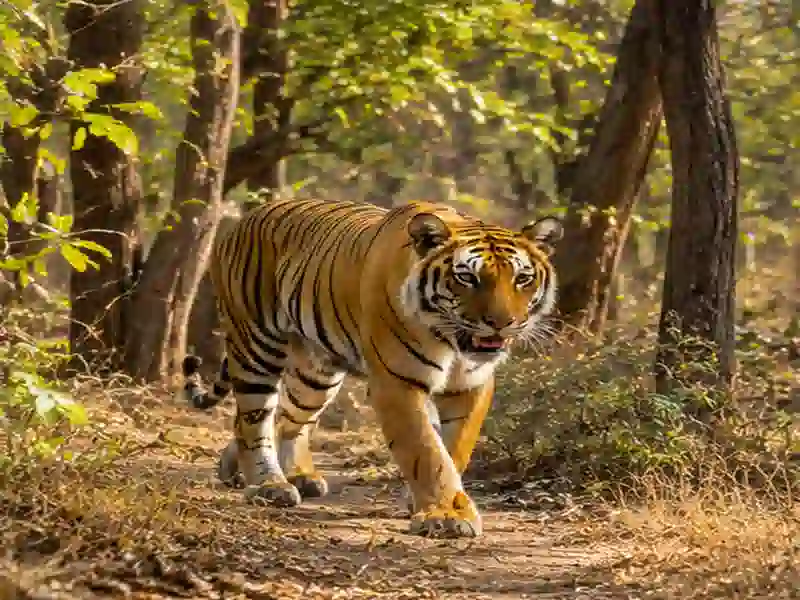
Ranthambore's greatest attraction is its extraordinary wildlife environment, where Bengal tigers live alongside leopards, sloth bears, sambar deer, spotted deer, marsh crocodiles and numerous bird species. The national park's landscape is particularly distinctive because ancient ruins, historic gateways and rocky hills appear throughout the forest. Visitors can experience this remarkable environment through authorised wildlife safaris, which operate according to forest department regulations, designated tourism zones and seasonal schedules. The park's lakes and water bodies also play an important ecological role, attracting wildlife and providing beautiful photography opportunities. Every safari offers a different experience, and tiger sightings depend entirely on animal movement, weather and natural conditions.

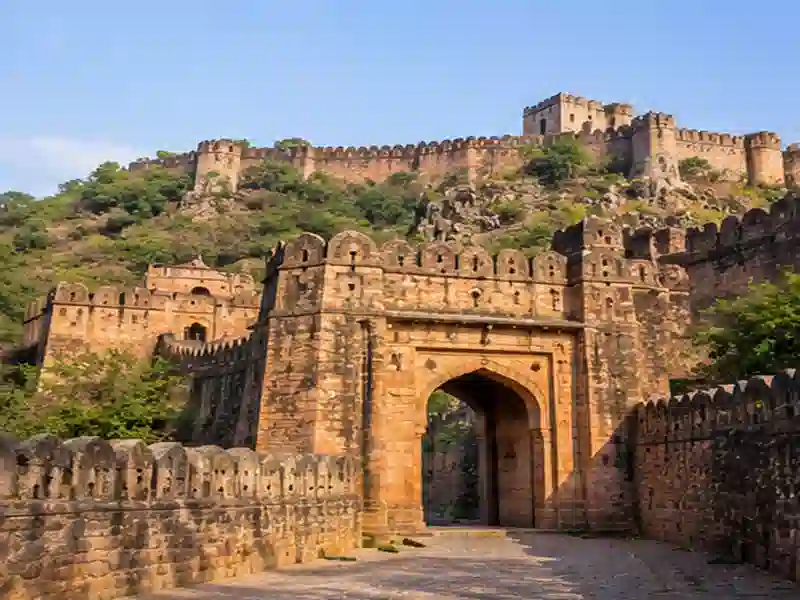
Beyond wildlife exploration, Ranthambore preserves a fascinating chapter of Rajasthan's medieval history. Ranthambore Fort, situated on a prominent hill within the reserve landscape, is recognised as part of the UNESCO-listed Hill Forts of Rajasthan. Its massive gateways, ancient walls, historic structures and panoramic viewpoints reflect the region's strategic importance. Within the fort complex, Trinetra Ganesh Temple attracts devotees who visit to seek blessings and experience its spiritual atmosphere. The combination of ancient architecture, sacred traditions and surrounding wilderness gives Ranthambore a character unlike many other wildlife destinations in India.

The countryside surrounding Ranthambore offers additional attractions for travellers interested in peaceful landscapes, rural culture and birdwatching. Surwal Lake attracts seasonal birdlife, while the surrounding villages preserve traditional agricultural lifestyles and local Rajasthani customs. Visitors can also explore the scenic surroundings of Sawai Madhopur and discover cultural landmarks associated with the region's history. Whether you are planning a wildlife safari holiday, family vacation, nature photography trip or Rajasthan heritage tour, Ranthambore offers a memorable combination of wildlife conservation, historic architecture and natural beauty.

Why Visit Ranthambore in Rajasthan?

Ranthambore is one of Rajasthan's most important wildlife tourism destinations, offering travellers an opportunity to experience the natural habitat of Bengal tigers and other native animals. Its combination of dry forests, rocky landscapes, historic ruins and scenic lakes creates a distinctive environment for wildlife observation. Authorised safaris provide opportunities to explore selected forest zones while learning about the region's biodiversity and conservation efforts.

The destination is equally attractive for travellers interested in history and spiritual heritage. Ranthambore Fort stands above the surrounding forest and offers impressive views of the reserve landscape. The historic fort complex contains ancient gateways, architectural remains and the important Trinetra Ganesh Temple. These attractions allow visitors to combine wildlife experiences with cultural sightseeing during the same holiday.

Ranthambore also offers peaceful natural surroundings away from Rajasthan's busiest urban destinations. Visitors can enjoy birdwatching near Surwal Lake, discover the landscapes around Sawai Madhopur and experience local rural traditions through responsible excursions. Its accessibility from Jaipur and other Rajasthan destinations makes it suitable for short wildlife holidays as well as longer Rajasthan tour packages.

What Makes Ranthambore One of Rajasthan's Most Unique Tourist Destinations?

Ranthambore stands apart because of its rare combination of tiger habitat, ancient hilltop architecture and beautiful forest lakes. Historic ruins within the reserve landscape create a dramatic setting where Rajasthan's royal history meets its natural wilderness.

Unlike conventional sightseeing destinations, Ranthambore's wildlife attractions are experienced through regulated safaris rather than unrestricted visits. The changing seasons, animal movements and forest conditions make every visit different, while Ranthambore Fort and nearby cultural landmarks provide additional opportunities for exploration.

Popular Tourist Attractions in Ranthambore

Tourist Attraction

Famous For

Travel Experience

Ranthambore National Park

Bengal tigers and forest biodiversity

Wildlife safari

Ranthambore Fort

UNESCO-listed historic hill fort

Heritage and panoramic views

Trinetra Ganesh Temple

Sacred Ganesh shrine inside the fort

Spiritual sightseeing

Padam Talao

Scenic lake and wildlife habitat

Safari photography

Raj Bagh Lake

Wildlife-rich wetland and historic ruins

Wildlife observation

Malik Talao

Small lake and aquatic wildlife

Nature and birdwatching

Jogi Mahal

Historic hunting lodge near Padam Talao

Heritage viewing

Raj Bagh Ruins

Historic structures within the forest

Heritage and wildlife photography

Surwal Lake

Seasonal birdlife and peaceful surroundings

Birdwatching

Kachida Valley

Rocky terrain and wildlife habitat

Safari landscape exploration

Lakarda and Anantpura

Forest habitat associated with sloth bears

Wildlife exploration

Rajiv Gandhi Regional Museum of Natural History

Natural history and biodiversity exhibits

Educational sightseeing

Chauth Mata Temple

Hilltop temple near Chauth Ka Barwara

Pilgrimage excursion

Several attractions are inside protected forest areas and can only be viewed from authorised safari routes when the assigned zone and current regulations permit. Individual lakes or ruins are not independently accessible tourist stops.


01

Ranthambore National Park

Ranthambore National Park is the most famous tourist attraction in Ranthambore, celebrated for its Bengal tiger population and remarkable natural landscapes. Located near Sawai Madhopur, the park features dry deciduous forests, rocky hills, open grasslands and beautiful lakes that support diverse wildlife. Visitors can explore designated forest zones through authorised Gypsy and Canter safaris, offering opportunities to observe tigers, leopards, sloth bears, sambar deer, spotted deer and various bird species. Historic ruins and ancient structures scattered across the landscape create a distinctive combination of wilderness and royal heritage. Morning and afternoon safaris provide different wildlife experiences depending on seasonal conditions. Advance safari booking is recommended, and wildlife sightings are never guaranteed.

02

Ranthambore Fort

Ranthambore Fort is one of Rajasthan's most important historic monuments, situated on a prominent rocky hill overlooking the national park. Built and developed under the Chauhan rulers, the fortress played an important role in the medieval history of Rajasthan and witnessed several significant battles. Today, it forms part of the UNESCO World Heritage-listed Hill Forts of Rajasthan. Visitors can explore massive stone gateways, ancient walls, historic structures and religious shrines while enjoying panoramic views of the surrounding forest. The fort's architecture reflects its strategic importance and the craftsmanship of its former rulers. Travellers should allow sufficient time for the uphill walk and historic pathways.

03

Trinetra Ganesh Temple

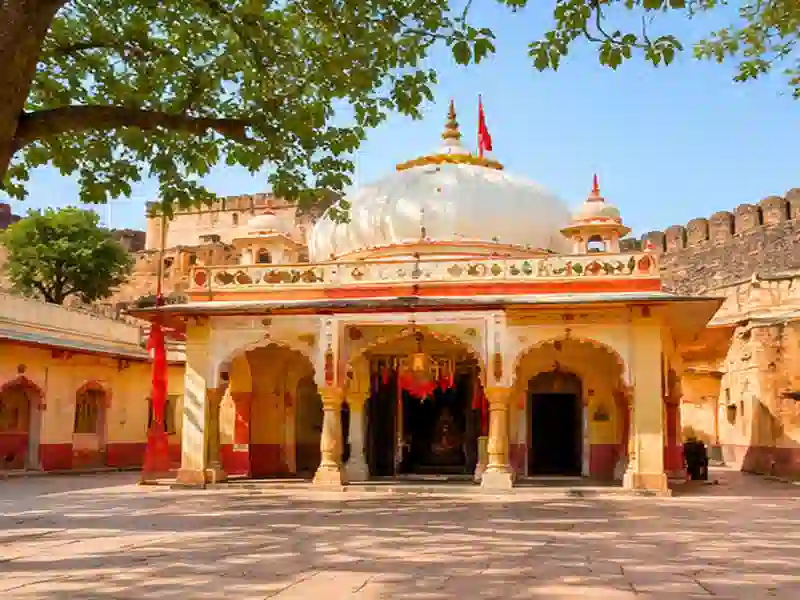
Trinetra Ganesh Temple is one of the most important spiritual attractions in Ranthambore, located within the historic Ranthambore Fort complex. Dedicated to Lord Ganesha, the temple attracts devotees who visit to seek blessings before important family occasions and new beginnings. The shrine is closely associated with the religious traditions and history of the region. Visitors can reach the temple through the fort's historic pathways, passing ancient gateways and stone structures along the way. The surrounding hilltop setting provides beautiful views of the forest landscape and creates a memorable combination of spiritual heritage and sightseeing. The temple becomes especially significant during Ganesh Chaturthi celebrations, when large numbers of pilgrims visit.

04

Padam Talao

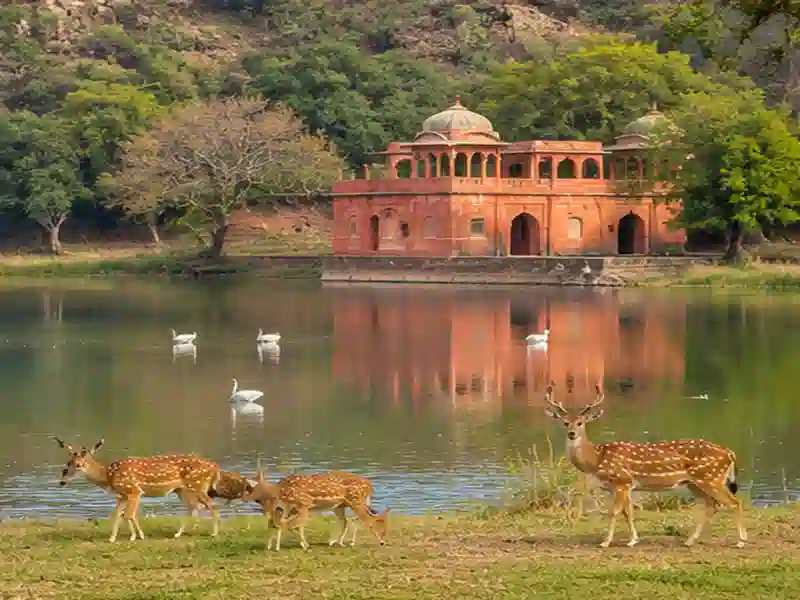
Padam Talao is one of the most recognisable lakes within Ranthambore National Park, famous for its beautiful surroundings and importance as a wildlife habitat. The lake attracts various animals, including sambar deer, spotted deer, marsh crocodiles and occasionally tigers visiting the water's edge. Its setting against the rocky hills and historic forest structures creates excellent opportunities for wildlife and landscape photography. Jogi Mahal, a historic building associated with the former royal hunting landscape, stands near the lake. Padam Talao is particularly attractive during authorised safari excursions when the assigned route passes through the surrounding area. Visitors cannot independently enter the lake area, and wildlife sightings depend on natural conditions.

05

Raj Bagh Lake

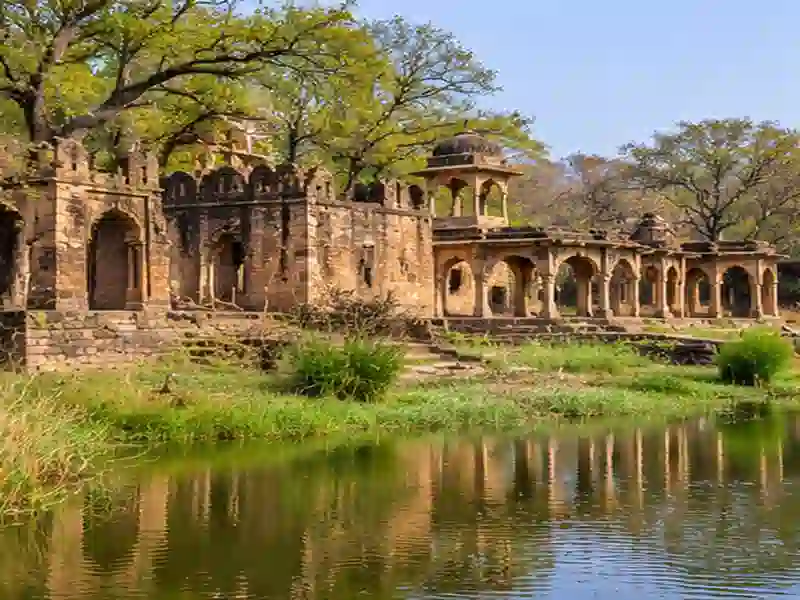
Raj Bagh Lake is a scenic water body within Ranthambore National Park, known for its peaceful forest surroundings and historic architectural remains. The lake is bordered by vegetation, open landscapes and ancient stone structures that create a striking setting for wildlife observation. Visitors travelling through the relevant safari routes may encounter deer, waterbirds, marsh crocodiles and occasionally Bengal tigers near the lake. The surrounding Raj Bagh ruins add a distinctive historic character to the natural landscape. The combination of reflective water, rocky hills and old structures makes the area especially attractive for nature photographers. Access depends on the designated safari zone, route and forest department regulations.

06

Malik Talao

Malik Talao is one of the important smaller lakes within Ranthambore National Park, providing a valuable water source for wildlife and birds. Surrounded by dry forest vegetation and natural landscapes, the lake offers opportunities to observe waterbirds, marsh crocodiles and other animals that visit the area. The peaceful setting is particularly attractive for wildlife enthusiasts interested in observing the park's ecosystem beyond tiger sightings. During suitable conditions, visitors may see birds resting near the water or deer moving through the surrounding forest. The lake is accessible only when included in an authorised safari route. Its natural beauty and ecological importance make it a memorable part of the Ranthambore wildlife experience.

07

Jogi Mahal

Jogi Mahal is a historic building situated near Padam Talao within the Ranthambore forest landscape. Formerly associated with royal hunting activities, the structure reflects the historical relationship between Rajasthan's rulers and the surrounding wilderness. Its location beside the lake creates a beautiful setting with forest vegetation, water and rocky hills. A large banyan tree near the building is another well-known feature of the area. Visitors may be able to view Jogi Mahal from designated safari routes or viewpoints, depending on access regulations. The building is not generally open for unrestricted interior sightseeing. Jogi Mahal is particularly attractive for heritage enthusiasts and photographers interested in Ranthambore's historic forest landscape.

08

Raj Bagh Ruins

Raj Bagh Ruins are among the most distinctive historic features of Ranthambore National Park, located within the forest landscape around Raj Bagh Lake. The remains of ancient stone buildings, arches and architectural structures create an atmospheric setting surrounded by wilderness. These ruins reflect the region's historical past and provide a remarkable contrast with the natural environment. Wildlife may occasionally be observed moving through the surrounding landscape, creating memorable photography opportunities during safaris. Visitors can appreciate the ruins from authorised safari vehicles when their assigned route passes nearby. Walking independently among the structures is not permitted within protected safari areas.

09

Surwal Lake

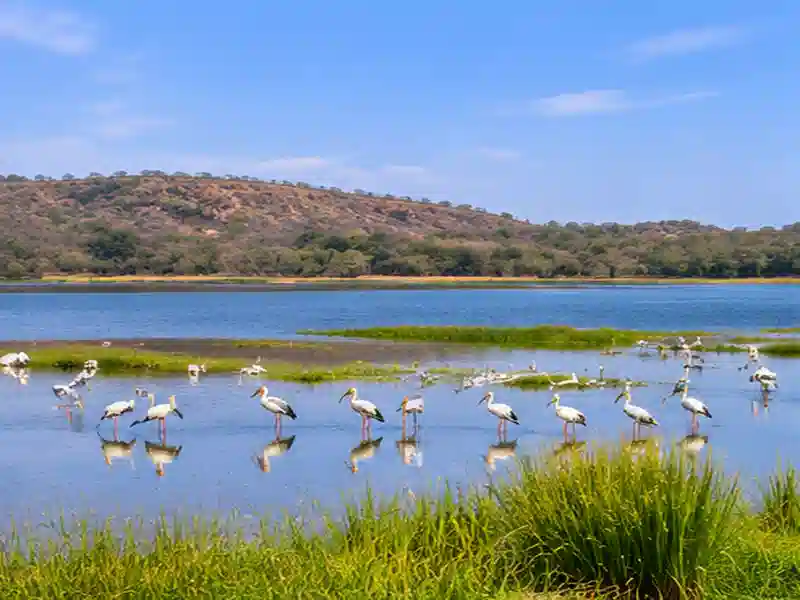
Surwal Lake is a beautiful seasonal wetland situated approximately 15 km from Sawai Madhopur, offering peaceful natural surroundings and opportunities for birdwatching. During winter, the lake attracts resident and migratory birds, making it particularly appealing for nature enthusiasts and wildlife photographers. Visitors can observe birds around the water and enjoy scenic views of the surrounding countryside. Early morning is generally the best time for birdwatching because bird activity can be higher and lighting conditions are favourable. The lake's water levels vary seasonally, so its appearance changes throughout the year. Surwal Lake is an excellent destination for travellers seeking a quieter nature experience outside the national park.

10

Kachida Valley

Kachida Valley is a scenic forest landscape within the Ranthambore Tiger Reserve, known for its rocky hills, rugged terrain and natural wildlife habitats. The valley features dry vegetation, exposed rock formations and beautiful countryside scenery characteristic of southeastern Rajasthan. It is associated with wildlife such as leopards, sloth bears and other forest animals, although sightings are unpredictable. Travellers may experience the landscape through authorised safaris when their allocated route includes the area. The changing light across the rocky hills creates attractive opportunities for landscape photography. Kachida Valley is particularly interesting for visitors who appreciate the ecological diversity and natural beauty of Ranthambore beyond its famous tiger sightings.

11

Lakarda and Anantpura

Lakarda and Anantpura are forest areas within the Ranthambore landscape, associated with rugged terrain, dry vegetation and wildlife habitats. These locations are particularly known for their association with sloth bears, which search for insects and other natural food sources in suitable forest areas. Visitors travelling through designated safari routes may also observe deer, birds and other native animals. The rocky surroundings and changing vegetation provide opportunities to appreciate the park's ecological diversity. Access depends on the allocated safari zone and current forest department restrictions. These areas are especially interesting for wildlife enthusiasts seeking to understand the variety of habitats within Ranthambore Tiger Reserve.

12

Rajiv Gandhi Regional Museum of Natural History

The Rajiv Gandhi Regional Museum of Natural History is an educational attraction located near Ramsinghpura in Sawai Madhopur. The museum focuses on natural history, biodiversity and environmental awareness, making it particularly suitable for families, students and nature enthusiasts. Visitors can explore exhibits related to wildlife, ecosystems and conservation while learning about the natural heritage of western India. Educational displays help explain the importance of protecting forests, wildlife habitats and ecological resources. The museum provides a useful indoor sightseeing option for travellers looking to explore Ranthambore beyond jungle safaris. It can be included in a local sightseeing itinerary along with nearby cultural attractions.

13

Chauth Mata Temple

Chauth Mata Temple is an important pilgrimage destination situated on a hill near Chauth Ka Barwara in Sawai Madhopur district. Dedicated to Goddess Chauth Mata, the temple attracts devotees throughout the year and is especially significant during traditional religious celebrations. Visitors can reach the temple by climbing a series of steps leading to the hilltop shrine. The elevated location offers views of the surrounding countryside and provides a peaceful spiritual atmosphere. The temple's history and religious traditions make it an interesting destination for travellers exploring the cultural heritage of the Ranthambore region. Families and pilgrims can include it as a separate excursion from Sawai Madhopur.

14

Shilpgram

Shilpgram near Ramsinghpura is a cultural attraction that showcases traditional arts, handicrafts and aspects of Rajasthan's rural heritage. The craft village was developed to promote regional craftsmanship and provide opportunities for artisans to present their skills and traditional products. Visitors can explore the cultural setting and learn about handicraft traditions associated with Rajasthan and other parts of India. Exhibitions and demonstrations may vary according to current programmes and visitor arrangements. Shilpgram offers a different experience from Ranthambore's wildlife attractions, allowing travellers to discover the artistic traditions of the region. It is particularly suitable for families, cultural travellers and visitors interested in traditional Indian craftsmanship.

15

National Chambal Sanctuary

National Chambal Sanctuary is an important wildlife conservation area accessible through excursions from Sawai Madhopur. The sanctuary protects sections of the Chambal River and is particularly famous for its gharials, marsh crocodiles, river turtles and diverse birdlife. Visitors can explore selected river stretches through authorised boating experiences where services and permits are available. The dramatic riverbanks and natural surroundings provide excellent opportunities for wildlife observation and landscape photography. The sanctuary offers a contrasting ecosystem to Ranthambore's dry forests, making it attractive for travellers interested in discovering different wildlife habitats. A separate excursion should be planned, with transport and boat availability confirmed in advance.

Travel Tips for Ranthambore Sightseeing

Walking shoes

Explore Ranthambore National Park to witness tigers and diverse wildlife.

Water and essentials

Visit Ranthambore Fort for ancient architecture and scenic forest views.

Nature and clean surroundings

Explore Trinetra Ganesh Temple within the historic Ranthambore Fort.

Quiet natural surroundings

Visit Surwal Lake for peaceful surroundings and seasonal birdwatching.

Mountain weather

Discover Raj Bagh Ruins during a safari through permitted forest routes.

Spiritual and cultural places

Explore Padam Talao to spot wildlife near the park's famous lake.

Plan Your Ranthambore Trip

Looking to explore the best of Ranthambore? Get customized tour packages, hotel options and expert travel assistance from Travel Ride.