
To More Inquiry





Dehradun – The Doon Valley City
Dehradun is the capital city of Uttarakhand and a popular gateway to the hill stations and pilgrimage destinations of the state. Nestled in the Doon Valley between the Ganga and Yamuna rivers, the city is known for its pleasant climate, lush greenery, and scenic surroundings. Dehradun offers a blend of urban comfort and natural beauty, with attractions such as Robber’s Cave, Sahastradhara, Forest Research Institute, and Tapkeshwar Temple. It is also home to renowned educational institutions and serves as an important base for travel to Mussoorie, Rishikesh, Haridwar, and other Himalayan destinations, making it both a cultural and travel hub of Uttarakhand.
Dehradun is famous for its scenic location, pleasant climate, and its importance as an educational, cultural, and travel hub of Uttarakhand. Nestled in the beautiful Doon Valley between the Ganga and Yamuna rivers, the city offers a unique blend of natural beauty, history, and modern urban life.
Scenic Doon Valley: Surrounded by the Shivalik ranges, forests, and rolling hills, Dehradun is known for its peaceful landscapes, greenery, and refreshing atmosphere throughout the year.
Renowned Educational Institutions: Dehradun is home to some of India’s most prestigious institutions, including the Indian Military Academy (IMA), Forest Research Institute (FRI), and several well-known boarding schools and training academies.
Popular Tourist Attractions: Famous spots such as Robber’s Cave, Sahastradhara, Tapkeshwar Temple, Mindrolling Monastery, and the Forest Research Institute attract tourists, nature lovers, and spiritual travellers alike.
Gateway to Hill Stations and Pilgrimage Sites: Dehradun serves as a major starting point for travel to Mussoorie, Rishikesh, Haridwar, Auli, and the Char Dham pilgrimage routes of Uttarakhand.
Pleasant Climate: Compared to the hot plains, Dehradun enjoys a relatively cooler and more comfortable climate, making it a preferred destination during the summer months.
Cultural and Historical Importance: The city showcases a mix of ancient temples, Buddhist monasteries, colonial-era architecture, and bustling local markets, reflecting its rich cultural heritage and history.
Dehradun, the capital city of Uttarakhand, is known for its scenic beauty, historical landmarks, and spiritual sites. Surrounded by hills and forests, the city offers a variety of attractions for nature lovers, history enthusiasts, and travellers alike.
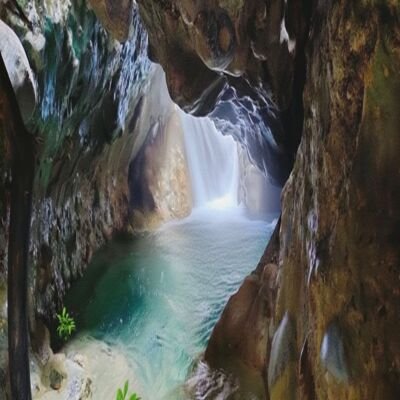
Robber’s Cave, popularly known as Guchhupani, is one of the most visited natural attractions in Dehradun. Located slightly away from the city’s main areas, this unique river cave is formed by natural limestone rocks with a cold water stream flowing through its narrow passage. Walking through the shallow water inside the cave is a refreshing experience, especially during the summer months. The surrounding greenery, natural rock walls, and cool temperature make it an ideal spot for a short nature escape.
A naturally formed cave with a flowing stream passing through the centre
Situated on the outskirts of Dehradun in a peaceful natural setting
Visitors can walk through ankle-deep cold water inside the cave
Popular for nature walks, photography, and weekend outings
Offers a cool and refreshing atmosphere throughout the year
Suitable for families, groups, and first-time visitors
Sahastradhara is one of Dehradun’s most famous natural sightseeing spots, known for its sulphur-rich water springs and scenic surroundings. The name Sahastradhara means “thousand-fold spring,” referring to the many small water streams flowing through limestone formations. The area is believed to have therapeutic and medicinal properties, attracting visitors seeking both relaxation and natural wellness. Cable car rides and viewpoints add to the overall experience.
Famous for sulphur water springs and limestone formations
Surrounded by hills, greenery, and flowing streams
Believed to have healing and medicinal benefits
Offers beautiful viewpoints and photo opportunities
Popular picnic and sightseeing destination
Best enjoyed during pleasant weather conditions
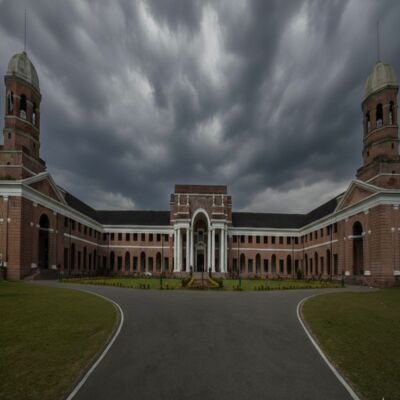
The Forest Research Institute is one of the most iconic and historically significant places in Dehradun. Built during the British era, the institute is renowned for its grand colonial architecture, long corridors, and expansive green lawns. The campus houses several museums related to forestry, environment, wildlife, and ecology, making it both an educational and visual delight. Its peaceful environment makes it a favourite spot for visitors and photographers.
Famous for grand colonial-era architecture
Spread across a large, beautifully maintained campus
Houses museums focused on forests and wildlife
Popular location for photography and film shoots
Ideal for leisurely walks and exploration
One of Dehradun’s most recognisable landmarks
Tapkeshwar Temple is an ancient and highly revered cave temple dedicated to Lord Shiva. Nestled amidst forested surroundings and a natural water stream, the temple holds great religious importance. Water droplets naturally fall from the cave ceiling onto the Shiva lingam, creating a unique spiritual phenomenon. The calm environment and natural setting make it a peaceful place for meditation and prayer.
Ancient cave temple dedicated to Lord Shiva
Natural water drops continuously fall on the Shiva lingam
Located beside a flowing stream and greenery
Important religious site for devotees
Known for its peaceful and spiritual atmosphere
Visited by both pilgrims and tourists
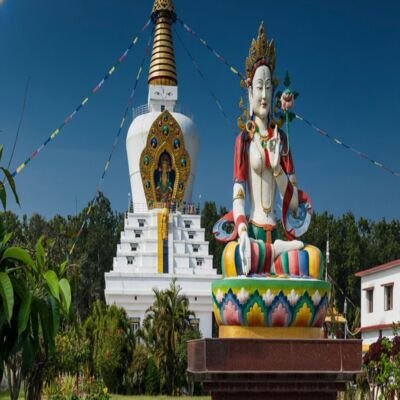
Mindrolling Monastery is one of the largest and most impressive Buddhist monasteries in India. Known for its vibrant colours, tall stupa, and intricate artwork, the monastery reflects Tibetan Buddhist culture and traditions. The spacious complex, prayer halls, and gardens create a serene environment, making it an ideal place for quiet reflection and cultural exploration.
One of the largest Buddhist monasteries in India
Features colourful architecture and detailed artwork
Houses a tall stupa and prayer halls
Calm and peaceful environment
Represents Buddhist culture and teachings
Ideal for spiritual seekers and cultural visitors
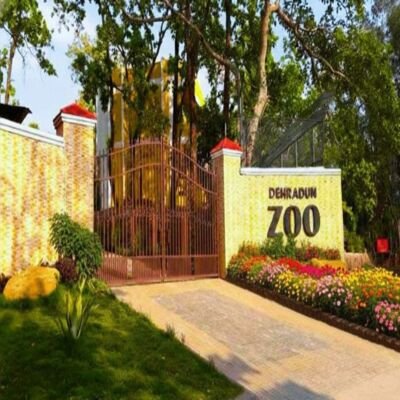
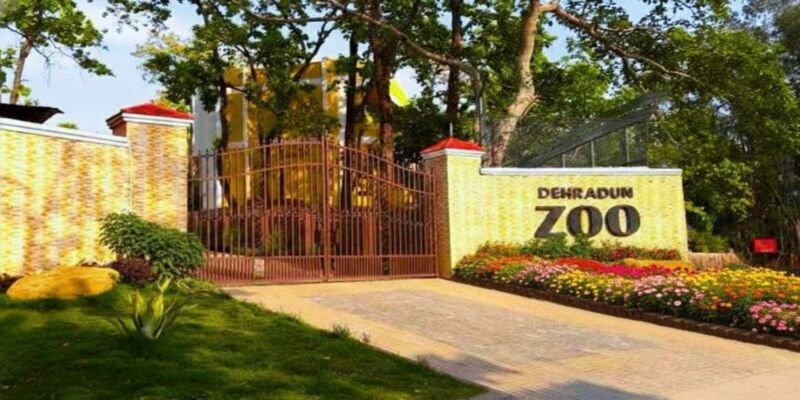
Malsi Deer Park, also known as Dehradun Zoo, is a popular recreational spot located at the foothills of the Shivalik range. The park offers a natural habitat for various animals and birds, making it especially enjoyable for families and children. Well-laid walking paths, open spaces, and scenic surroundings make it a pleasant place for a relaxed outing.
Home to deer, peacocks, and other wildlife species
Located near Mussoorie Road with scenic views
Well-maintained paths for walking and exploration
Ideal for family visits and children
Combines nature, wildlife, and leisure
Lachhiwala, now known as Nature Park, is a peaceful natural retreat surrounded by dense sal forests. It is well known for its natural and man-made water pools, making it a refreshing stop for travellers looking to relax close to nature. The park is ideal for picnics, short breaks, and spending quiet time away from the city’s noise.
Surrounded by dense forests and natural greenery
Features water pools for relaxation
Popular picnic and leisure spot
Ideal for day outings and short visits
Offers a calm and refreshing environment
Dehradun, the picturesque capital of Uttarakhand, is a city that seamlessly combines natural beauty, rich history, cultural heritage, and modern conveniences. Nestled in the scenic Doon Valley, between the Shivalik hills and the rivers Ganga and Yamuna, the city is a hub for tourists, students, spiritual seekers, and nature lovers alike. Dehradun’s charm lies in its variety—there are serene natural spots, historical landmarks, bustling markets, spiritual centres, and easy access to nearby hill stations and pilgrimage destinations. Here’s a detailed guide to the best things to do in Dehradun:
Dehradun is blessed with lush greenery, hills, and rivers, making it a perfect destination for nature enthusiasts.
Robber’s Cave (Guchhupani): This naturally formed limestone cave is famous for the stream that flows inside, creating shallow water paths where visitors can walk and enjoy the cool surroundings. The cave is an excellent spot for photography, short hikes, and nature walks. It is especially refreshing in the summer months when the water remains cold and soothing.
Sahastradhara: Literally meaning “thousand-fold spring,” this natural area is renowned for its sulphur-rich water springs and small waterfalls. Surrounded by hills and greenery, Sahastradhara is believed to have healing and therapeutic benefits. It’s ideal for picnics, strolls, and spending time immersed in nature. The sound of flowing water combined with fresh air makes it a rejuvenating experience.
Lachhiwala Nature Park: Also known as Nature Park, Lachhiwala offers dense sal forests, open meadows, and natural and man-made water pools. This location is perfect for relaxation, family outings, and connecting with nature. It also provides opportunities for birdwatching and photography amidst peaceful surroundings.
Forest Trails and Short Hikes: Several small trails around Dehradun’s outskirts allow visitors to enjoy fresh mountain air, walk through forests, and spot local flora and fauna. These hikes are generally easy and suitable for beginners or casual walkers.
Dehradun has a rich spiritual heritage, with temples, monasteries, and meditation centres offering peace and cultural insight.
Tapkeshwar Temple: An ancient cave temple dedicated to Lord Shiva, Tapkeshwar is famous for the natural water droplets that fall from the cave roof onto the Shiva lingam. The serene environment, combined with flowing streams and greenery, makes it a calming spiritual destination.
Mindrolling Monastery: One of India’s largest Buddhist monasteries, Mindrolling Monastery is known for its vibrant architecture, tall stupa, colourful prayer halls, and peaceful gardens. Visitors can explore Buddhist teachings, meditate, or simply enjoy the tranquil surroundings.
Other Temples and Spiritual Centres: Dehradun houses several smaller temples, meditation centres, and ashrams, which provide insight into local religious practices and offer opportunities for spiritual reflection.
Dehradun is home to several historical and architectural landmarks that are perfect for sightseeing enthusiasts.
Forest Research Institute (FRI): Built during the British era, FRI is a sprawling campus with colonial architecture, manicured lawns, and multiple museums focused on forestry, wildlife, and ecology. It is a favourite spot for photography, leisurely walks, and educational visits.
Heritage Buildings and Colonial Architecture: Several buildings in the city reflect Dehradun’s historical significance and colonial past, providing a glimpse into its cultural heritage.
Public Parks and Gardens: In addition to Lachhiwala and Sahastradhara, the city offers smaller parks where visitors can enjoy leisurely walks, morning exercises, and birdwatching.
Dehradun offers a vibrant cultural experience through its markets, cuisine, and local traditions.
Paltan Bazaar: One of the busiest and most popular markets, Paltan Bazaar is perfect for shopping for local handicrafts, woollens, souvenirs, and traditional Uttarakhandi items.
Street Food and Local Cuisine: Don’t miss sampling Bal Mithai, Aloo ke Gutke, singodi, and other regional specialities. Small eateries and local food stalls offer authentic tastes that reflect the mountain culture.
Cultural Events and Festivals: Dehradun occasionally hosts fairs, cultural programs, and local festivals, offering visitors the chance to experience music, dance, and regional crafts.
Dehradun’s natural setting makes it ideal for outdoor activities suitable for all ages.
Nature Walks and Picnics: Enjoy calm surroundings at scenic spots like Sahastradhara and Lachhiwala. Perfect for photography, birdwatching, or simply relaxing amidst greenery.
Adventure and Trekking: While the city itself is not mountainous, nearby hills provide trekking opportunities. For those seeking adventure, Dehradun serves as a starting point for Himalayan treks.
Malsi Deer Park (Dehradun Zoo): Ideal for families and children, this park houses deer, peacocks, and other wildlife species. Walking paths and open areas allow for leisurely exploration and relaxation.
Dehradun’s strategic location makes it an excellent base for exploring the surrounding hill stations and spiritual sites.
Day Trips to Nearby Destinations: Mussoorie, Rishikesh, Haridwar, Rajaji National Park, and Auli can be reached easily, making Dehradun a convenient hub for day trips.
Pilgrimage Routes: Dehradun serves as the gateway to the Char Dham circuit and other spiritual destinations in Uttarakhand.
Gateway to Himalayan Adventures: Trekkers and nature enthusiasts can use Dehradun as a base to access trails, camping sites, and eco-tourism spots in the Himalayan foothills.
Dehradun, the capital city of Uttarakhand, is nestled in the picturesque Doon Valley between the Ganga and Yamuna rivers, surrounded by the Shivalik hills. The city’s moderate climate, natural beauty, and proximity to hill stations like Mussoorie make it a popular destination throughout the year. However, the best time to visit depends on your interests, whether it is sightseeing, trekking, spiritual visits, or simply enjoying nature. Understanding the seasons can help you plan a comfortable and enjoyable trip.
Spring is one of the most popular times to visit Dehradun, with mild temperatures ranging from 15°C to 30°C. The weather during this season is pleasant, making outdoor exploration comfortable and enjoyable.
Natural Beauty: Spring brings blooming flowers, lush greenery, and refreshing landscapes. Parks, forests, and nearby hills look vibrant and photogenic.
Activities: Sightseeing at Robber’s Cave, Sahastradhara, Lachhiwala, and Mindrolling Monastery becomes very enjoyable. Trekking in nearby trails and short hill walks is ideal during this season.
Festivals and Events: Spring often coincides with Holi celebrations, adding cultural vibrancy to your visit. Local fairs and cultural programs are also held during this time.
Why Visit: Spring is considered the best overall season for travellers seeking comfortable weather, clear skies, and vibrant natural surroundings.
Monsoon season transforms Dehradun into a green paradise, with moderate to heavy rainfall rejuvenating the forests, rivers, and waterfalls. Temperatures range from 18°C to 25°C.
Natural Beauty: Hills, valleys, and meadows become intensely green, creating stunning scenic views. Waterfalls like Sahastradhara swell, offering a refreshing sight.
Activities: Photography, sightseeing, and exploring natural areas like Lachhiwala or Robber’s Cave can be especially rewarding. The rain enhances the charm of forests and rivers.
Caution: Heavy rainfall can make roads slippery, and landslides may occur on hilly routes. Outdoor trekking should be attempted with caution, and it is advisable to check weather conditions before planning long hikes.
Why Visit: Monsoon is ideal for nature lovers, photographers, and those seeking to enjoy Dehradun’s greenery in all its glory.
Autumn is another excellent time to visit Dehradun, with mild, dry weather and clear skies. Temperatures range from 12°C to 25°C, creating perfect conditions for sightseeing and outdoor activities.
Natural Beauty: Post-monsoon, the landscapes remain lush and fresh, while skies are usually clear, offering panoramic views of the Himalayan peaks in the distance.
Activities: Ideal for visiting Robber’s Cave, FRI, Tapkeshwar Temple, and Mindrolling Monastery. Outdoor treks and photography are perfect in autumn due to the dry, stable weather.
Festivals and Events: Navratri and Diwali fall during this period, providing visitors a chance to experience local cultural festivities, fairs, and rituals.
Why Visit: Autumn offers a combination of comfortable weather, clear visibility, and vibrant cultural experiences, making it perfect for families, couples, and solo travellers alike.
Winter in Dehradun is cold but not extreme, with temperatures ranging from 2°C to 15°C. The city experiences occasional fog in the mornings and evenings, adding to its charm.
Natural Beauty: The Surrounding hills may have light snowfall, and the crisp mountain air creates a refreshing atmosphere. Dehradun looks peaceful and calm, ideal for travellers seeking solitude.
Activities: Short treks, photography, and sightseeing are enjoyable during this season. Winter is perfect for exploring local markets, enjoying hot regional snacks, and visiting temples and monasteries.
Caution: Early mornings and nights can be very cold, so warm clothing like jackets, woollens, and thermals is essential. Some nearby trekking trails may be slippery or inaccessible due to frost or snowfall.
Why Visit: Winter is suitable for travellers who prefer cooler temperatures, fewer crowds, and serene surroundings. It is also a good time for cultural experiences and enjoying cozy stays in hill resorts or cottages.
Best Overall Seasons: Spring (March–June) and Autumn (September–November) offer the most comfortable weather, clear skies, and vibrant landscapes.
For Nature and Greenery: Monsoon (July–September) is perfect for lush landscapes and natural beauty, but requires caution while travelling.
For Peace and Cool Climate: Winter (December–February) is ideal for quiet exploration, photography, and enjoying the crisp Himalayan air.
Travel Tips:
Carry light woollens in spring and autumn evenings, rain gear during the monsoon, and warm jackets and thermals in winter.
Check weather forecasts before planning treks or outdoor activities.
Start sightseeing early in the day to avoid fog in winter and enjoy clear views in autumn.
Dehradun, the capital city of Uttarakhand, is well connected by road, rail, and air. Its strategic location in the Doon Valley makes it easily accessible from major cities in North India, while also serving as a gateway to nearby hill stations like Mussoorie and spiritual destinations such as Rishikesh and Haridwar.
Nearest Airport: Jolly Grant Airport, Dehradun (about 25 km from the city centre).
Connectivity: The airport has regular domestic flights from major cities, including Delhi, Mumbai, Bangalore, and Kolkata.
Travel from Airport to City: Taxis, private cabs, and app-based cabs are readily available for travel from the airport to Dehradun city or nearby resorts.
Tip: Booking flights in advance is recommended, especially during peak tourist seasons (spring and autumn).
Main Railway Station: Dehradun Railway Station, well connected to major cities like Delhi, Haridwar, and Lucknow.
Popular Trains: Shatabdi Express, Jan Shatabdi, and other express trains connect Dehradun with Delhi, which is about 300 km away.
Alternative Stations: Haridwar Railway Station (about 52 km away) can be used if train options to Dehradun are limited.
Local Transport: From the station, taxis, auto-rickshaws, and buses can take you to hotels, resorts, or sightseeing destinations in and around the city.
From Delhi: Approximately 300 km; a 6–8 hour drive via NH 334 or NH 307.
From Haridwar: Around 50 km; about 1–2 hours drive.
From Rishikesh: About 45 km; around 1–1.5 hours drive.
Private Vehicles and Cabs: Comfortable and convenient for families and groups, offering flexibility to explore the surrounding areas.
Buses: Regular state-run and private buses operate from Delhi, Haridwar, and other nearby cities. Options include Volvo, semi-sleeper, and ordinary buses.
Tip: Road travel offers scenic views of the Shivalik hills and valleys, making the journey part of the experience.
Taxis and App-Based Cabs: Easily available for sightseeing and intercity travel.
Auto-Rickshaws: Short trips within the city are convenient using auto-rickshaws.
Private Car Rentals: Recommended for travellers planning day trips to Mussoorie, Rishikesh, or other nearby hill stations.
Travel Tips
Plan road journeys with adequate breaks, especially when coming from Delhi or other distant cities.
Check weather conditions during monsoon and winter, as roads can be slippery or foggy.
Book trains and flights in advance during peak seasons to ensure availability.
Reaching Dehradun is convenient and straightforward, whether by air, rail, or road. Its connectivity, combined with scenic surroundings, makes it an ideal starting point for exploring the Doon Valley and nearby Himalayan destinations.
Dehradun offers a delightful culinary experience that reflects the rich culture of Uttarakhand and the Himalayan region. The city’s cuisine is a mix of traditional Garhwali dishes, street food, and modern café culture, providing options for both local flavours and international tastes. Known for its simplicity, freshness, and use of local ingredients, Dehradun’s food is a treat for travellers who enjoy authentic regional flavours.
Dehradun’s local cuisine is heavily influenced by Garhwali traditions and Himalayan ingredients. Some popular dishes include:
Bal Mithai: A sweet fudge-like delicacy made from roasted khoya and coated with sugar balls, unique to the region.
Aloo ke Gutke: Spicy boiled potatoes tossed with local spices, often served with roti or steamed rice.
Kafuli: A green leafy vegetable curry made from spinach, fenugreek, or local greens, cooked with spices and curd.
Chainsoo: A protein-rich dish made from roasted black gram, mashed, and spiced—a traditional winter favourite.
Gahat (Kulath) Ki Dal: Lentils made from horse gram, typically cooked in a simple and wholesome style.
These dishes are commonly served in local homes, traditional eateries, and restaurants that focus on authentic Garhwali food.
Dehradun is also famous for its vibrant street food culture, offering quick snacks and flavorful bites:
Singodi and Gulgule: Sweet treats made from rice flour, jaggery, or wheat flour, perfect for tasting on the go.
Chowmein and Momos: Popular among younger crowds, these Indo-Chinese snacks are widely available in street stalls and small restaurants.
Kachoris, Samosas, and Pakoras: Crispy fried snacks served with chutneys, widely loved across the city.
Local Sweets: Besides Bal Mithai, other sweets like Khatai (shortbread biscuits) and Arsa (rice-based sweet) are must-tries.
Dehradun has seen a rise in cafes and restaurants offering continental, Italian, and North Indian cuisine.
Popular café chains and boutique coffee shops serve speciality coffee, pastries, and fast food alongside local dishes.
These modern eateries cater especially to students, young travellers, and tourists looking for relaxed dining options.
Most traditional meals are vegetarian, though some restaurants serve non-vegetarian options.
Try food prepared in local homes or small eateries for the most authentic taste.
Street food is generally safe, but choose clean and popular stalls for hygiene.
Winter is a great time to enjoy warming local dishes like Kafuli, Chainsoo, and Aloo ke Gutke.
Dehradun’s food scene beautifully balances authentic Garhwali flavours, street delicacies, and modern dining options, making it a haven for travellers seeking both traditional and contemporary culinary experiences. From spicy local dishes to sweet treats like Bal Mithai, every meal here reflects the city’s unique culture and the freshness of Himalayan ingredients.
Dehradun offers a wide range of accommodation options, catering to different preferences, from luxury resorts to boutique hotels and eco-stays. Its proximity to hill stations like Mussoorie, spiritual destinations such as Rishikesh, and trekking spots in the Himalayas makes it a popular base for travellers, so there is something for everyone seeking comfort, convenience, or a nature-centric stay.
Features: High-end amenities, spacious rooms, modern facilities, in-house restaurants, spa services, and concierge support.
Best For: Families, couples, and business travellers looking for comfort and premium services.
Examples: Several five-star and premium hotels in central Dehradun and near Mussoorie Road provide luxurious stays with beautiful hill views.
Features: Personalised services, aesthetically designed interiors, homely ambience, and often eco-friendly practices.
Best For: Travellers seeking a unique experience with local charm and tranquil surroundings.
Highlights: Boutique properties often incorporate traditional Garhwali architecture or modern Himalayan-style décor, offering scenic views and a peaceful environment.
Features: Comfortable rooms with essential amenities like Wi-Fi, attached bathrooms, room service, and sometimes small dining facilities.
Best For: Small families, groups of friends, and budget-conscious travellers who still want a comfortable and clean stay.
Location Advantage: Many mid-range hotels are located near city attractions, railway stations, and main highways, offering convenient access for day trips.
Features: Focus on sustainability, natural surroundings, and outdoor experiences. Often built with wood or stone, these stays provide a nature-centric environment.
Best For: Nature lovers, adventure seekers, and travellers looking for a quiet, rejuvenating stay close to forests or rivers.
Activities: Some resorts offer trekking, bonfires, guided nature walks, and other eco-friendly activities.
Book in Advance: Especially during peak seasons like spring, autumn, and long weekends, as Dehradun attracts many tourists.
Location Matters: Choose accommodation based on your itinerary—city center for shopping and sightseeing, or outskirts for nature and peaceful stays.
Check Facilities: Ensure your stay offers essential amenities such as hot water, heating (in winters), Wi-Fi, and parking if needed.
Stay Duration: For day trips to Mussoorie or Rishikesh, consider stays with flexible check-in/check-out options.
Dehradun, the capital city of Uttarakhand, is not only famous for its scenic hills, rivers, and natural attractions but also for its vibrant shopping culture. The city offers a mix of traditional markets, bustling bazaars, and modern shopping streets where visitors can experience the local way of life while buying souvenirs, handicrafts, woollens, and culinary delights. From crowded lanes filled with street food vendors to stylish boutiques and Tibetan handicraft stores, Dehradun caters to every type of shopper. Exploring its markets gives travellers a unique insight into the city’s culture, traditions, and daily life.
Overview: Paltan Bazaar is one of the oldest and most lively markets in Dehradun. The market is known for its bustling lanes, energetic atmosphere, and variety of goods. It is the go-to place for both tourists and locals seeking a wide range of products at reasonable prices.
What to Buy: Traditional Garhwali handicrafts, woollens, souvenirs, local footwear, spiritual items, and jewellery.
Food & Snacks: Street food vendors here serve chaat, momos, Bal Mithai, kachoris, and other local snacks. Sampling these delicacies while shopping enhances the cultural experience.
Highlight: The market gives visitors a real feel of Dehradun’s local life, vibrant energy, and traditional commerce. Morning and early evening visits are best to avoid crowds and heat.
Overview: Rajpur Road is one of Dehradun’s trendiest shopping streets, blending modern retail stores with local shops. It attracts young travellers, students, and families due to its lively atmosphere, cafés, and restaurants.
What to Buy: Clothing, footwear, accessories, souvenirs, handicrafts, trekking gear, and everyday essentials.
Food & Cafés: The street is dotted with bakeries, cafés, and restaurants offering both Indian and international cuisine, making it a great spot for a shopping-and-dining experience.
Highlight: Rajpur Road offers a combination of modern shopping and leisure activities, ideal for spending an entire afternoon exploring both shops and eateries.
Overview: Situated near the iconic Clock Tower, this market is a blend of heritage and commerce. It is a historic market area, popular among locals and tourists for traditional shopping and cultural exploration.
What to Buy: Spices, handicrafts, traditional garments, souvenirs, and small decorative items.
Food & Snacks: Small eateries and street vendors serve local snacks, sweets, and tea, adding to the vibrant charm of the area.
Highlight: Clock Tower Market is perfect for photography, casual shopping, and experiencing the old-world charm of Dehradun.
Overview: The areas around the Inter-State Bus Terminal (ISBT) and Rajpur Road feature numerous small shops and boutiques catering to both tourists and locals. These markets are slightly less crowded and offer a wide range of products.
What to Buy: Woollens, trekking gear, souvenirs, handicrafts, seasonal products, and local items.
Food Options: Numerous street food vendors, bakeries, and small restaurants offering local snacks and fast food.
Highlight: These markets are ideal for quick shopping trips or picking up essentials before heading to nearby hill stations like Mussoorie or Rishikesh.
Overview: Indira Market is a traditional, less-crowded shopping area offering a variety of products at reasonable prices. It is popular among locals for daily needs and among tourists for unique finds.
What to Buy: Household items, stationery, local snacks, fresh produce, and handicrafts.
Food Options: Small food stalls offering Bal Mithai, Arsa, and other regional sweets.
Highlight: Indira Market provides a more relaxed shopping experience compared to Paltan Bazaar, making it suitable for travellers looking for an authentic local vibe without heavy crowds.
Overview: Located near the Forest Research Institute, this market specialises in Tibetan handicrafts, artefacts, and Himalayan-inspired products.
What to Buy: Prayer flags, jewellery, handicrafts, woollens, traditional Tibetan items, and souvenirs.
Highlight: Ideal for travellers seeking unique, culturally significant gifts or items reflecting Himalayan craftsmanship. The calm surroundings make shopping here a peaceful experience.
Bargaining: Traditional markets like Paltan Bazaar and Indira Market allow polite bargaining. Modern stores on Rajpur Road and other commercial areas generally have fixed prices.
Best Time to Visit: Early morning or evening is ideal to avoid heavy crowds and to enjoy cooler weather, especially during summer.
Hygiene & Safety: While shopping, especially at crowded street markets, keep an eye on your personal belongings. Try food only from popular, clean stalls.
Combine Shopping with Sightseeing: Many markets are close to major attractions such as FRI, Robber’s Cave, and Sahastradhara, allowing a combined sightseeing and shopping experience.
Local Delicacies: While shopping, do not miss tasting Bal Mithai, Aloo ke Gutke, and other local snacks from market stalls.
Dehradun, the picturesque capital of Uttarakhand, is a gateway to the Himalayas, hill stations like Mussoorie, spiritual destinations like Rishikesh and Haridwar, and several trekking routes. While it is relatively easy to explore, keeping a few practical tips in mind can make your trip more comfortable, safe, and memorable.
Spring (March–June): Ideal for sightseeing, trekking, and outdoor activities with pleasant temperatures (15°C–30°C).
Monsoon (July–September): Lush greenery and waterfalls, but beware of slippery roads and landslides.
Autumn (September–November): Clear skies, moderate temperatures (12°C–25°C), perfect for sightseeing and photography.
Winter (December–February): Cold and foggy, with temperatures ranging from 2°C–15°C; ideal for quiet visits and cozy stays.
Layered Clothing: Carry light layers for spring and autumn, warm clothes for winter, and rain gear during the monsoon.
Footwear: Comfortable walking shoes or trekking shoes are recommended for sightseeing and hill walks.
Accessories: Sunglasses, sunscreen, and hats are useful during sunny months; woollens and thermals for winters.
Within the City: Auto-rickshaws, taxis, and app-based cabs are widely available for short and long trips.
Car Rentals: Ideal for day trips to Mussoorie, Rishikesh, or nearby trekking spots.
Buses: Regular buses connect Dehradun with nearby towns and hill stations.
Tip: Pre-book taxis or rental cars during peak tourist seasons to avoid last-minute hassles.
Book in Advance: Peak tourist seasons (spring, autumn, and long weekends) see high demand for hotels and resorts.
Choose Location Wisely: City centre hotels are convenient for markets and sightseeing; the outskirts offer nature-centric stays and quieter environments.
Facilities: Ensure essential amenities like hot water, Wi-Fi, parking, and heating in winter.
Local Cuisine: Try Garhwali dishes like Bal Mithai, Kafuli, Aloo ke Gutke, and street food like momos and chaat.
Water Safety: Stick to bottled water or filtered water to avoid stomach issues.
Hygiene: Choose clean eateries and popular street food stalls.
Must-Visit: Robber’s Cave, Sahastradhara, Lachhiwala, Forest Research Institute, Tapkeshwar Temple, and Mindrolling Monastery.
Day Trips: Mussoorie, Rishikesh, Haridwar, and Rajaji National Park are easily accessible.
Photography: Early mornings or late afternoons are perfect for capturing scenic views, waterfalls, and city life.
Traffic: Be cautious while crossing roads; traffic can get busy in markets and central areas.
Hiking & Trekking: Carry sufficient water, snacks, and a first-aid kit; avoid trekking alone in remote areas.
Weather Precautions: Fog in winter may affect visibility; heavy rains in the monsoon may make roads slippery.
Mobile Network: Major networks like Airtel, Jio, and Vodafone work well in the city.
ATMs & Banking: Easily available in city areas; carry some cash for small purchases in local markets.
Emergency Numbers: Keep local police and hospital numbers handy, especially for day trips or trekking excursions.
Respect Local Customs: Dress modestly at religious sites like Tapkeshwar Temple and Mindrolling Monastery.
Responsible Travel: Avoid littering, follow local guidelines, and maintain noise levels in nature areas.
Interaction: Locals are generally friendly; engaging politely can enrich your travel experience.
Planning a trip to Dehradun can be overwhelming due to the variety of attractions, nearby hill stations, and outdoor activities available. This is where Travel Ride can make the process seamless and enjoyable. With their expertise, travellers can design a perfectly tailored itinerary that balances sightseeing, adventure, and relaxation. Whether you want to explore the scenic Robber’s Cave, Sahastradhara, and Lachhiwala, visit spiritual sites like Tapkeshwar Temple and Mindrolling Monastery, or take day trips to Mussoorie, Rishikesh, and Haridwar, Travel Ride can organise a schedule that maximises your time and comfort.
Tour packages offered by Travel Ride include carefully planned transportation, guided tours, and accommodation suggestions based on your preferences and budget. They can recommend the best time to visit each attraction, suggest local eateries for authentic cuisine, and help arrange activities like short treks, nature walks, or cultural experiences. For first-time visitors, this ensures that no major landmark is missed, while for repeat travellers, it can include hidden gems and offbeat spots.
Using Travel Ride also helps with logistics such as airport or railway transfers, intercity travel, and on-demand car rentals, making the trip stress-free. Families, couples, and solo travellers can benefit from customised packages that cater to their pace, interests, and comfort levels. Additionally, Travel Ride’s local expertise allows you to avoid crowds, plan for seasonal variations, and enjoy experiences that match your preferences, whether it’s a serene nature, adventure, or cultural immersion.
In short, with Travel Ride, planning a Dehradun trip becomes effortless. From creating the perfect itinerary to arranging tour packages that cover attractions, food, accommodation, and transport, their services ensure a smooth, memorable, and well-organised travel experience. By leveraging their expertise, travellers can focus on enjoying the beauty, culture, and adventure that Dehradun has to offer, without worrying about the hassles of planning.

Per Person

Plan a quick and refreshing getaway with a strong data-end data-start Dehradun Tour Package N D ...
Per Person
Showing 1 of 1 pages
The best time to visit Dehradun is from June to December when you can do all the sightseeing and activities. Tourists are not suggested to visit Dehradun during the extreme summer season. From July till September, it is the perfect time to enjoy the scenic beauty of nature and to go on a short tour. The month from October to February is a bit cold and is the ideal time for the Honeymooners to make a trip to Dehradun.
Along with Dehradun, you can also explore some of the prominent attractions of Uttarakhand such as Rishikesh, Haridwar, and Mussoorie located at a distance of 45 km, 53km, and 35 km respectively. Other than this you can also explore Chakrata located at 80km and Knatal located at 60 km from Dehradun.
You can take a flight from Indira Gandhi International Airport to Dehradun. Also, you can take a train journey from New Delhi Railway Station, Old Delhi Railway Station, or Hazrat Nizamuddin Railway Station to Haridwar or Rishikesh Railway Station which are located close to Dehradun.
You can have several lip-smacking cuisines in Dehradun at Kalsang Ama Cafe, Orchard, Black Pepper, Kumar Foods Restaurants, Salt and Cravings, etc. There are multiple options of accommodation available in Dehradun from Luxury accommodations to Budget Accommodation.
The weather of Dehradun changes like the color of Chameleon. It can even have rainfall on a bright sunny day. The summer season of Dehradun is having a temperature of 17°C to 35°C. During the monsoon season, it experiences medium rainfall. During the winter season, the temperature ranges from 3°C to 22°C.
The distance from Dehradun to Mussoorie is 35 km and to reach there you can hire any local cab or taxi service or you can also take the local bus service that runs between these cities. You can also look for a private bus operator service if you are traveling in a group.
The nearest airport is Jolly Grant Airport (DED) which is located in Dehradun. Haridwar and Rishikesh Railway stations are the closest railway stations to Dehradun at a distance of 53km and 45 km respectively.
Some of the prominent attractions that can be visited in Dehradun are Sahastradhara, Har ki Dun, Robber’s cave, Mindrolling Monastery, Tapkeshwar Temple, Forest Research Institute, Fun Valley, Assan Barrage, Lachhiwala, and Malsi Deer Park. All the sightseeing of Dehradun can be completed in the period of 1 night and 2 days.