


Kanyakumari, located at the southernmost tip of India, experiences a tropical coastal climate with warm temperatures throughout the year, making it a year-round destination for travelers. However, choosing the right time is important for enjoying sightseeing, beaches, and outdoor experiences comfortably. Many travelers search for best time to visit Kanyakumari for pleasant weather and clear sunrise sunset views, as the destination is famous for its coastal beauty and scenic viewpoints. Seasonal variations in temperature, humidity, and rainfall affect travel plans and overall experience. Understanding these seasonal changes helps travelers plan better and enjoy a smooth, comfortable, and memorable trip to Kanyakumari.
Winter Season (October to February)
Winter is widely considered the best time to visit Kanyakumari for sightseeing and comfortable coastal weather experience throughout the trip. During this season, temperatures usually range between 20°C and 30°C, creating a pleasant environment for exploring outdoor attractions. The humidity levels are lower compared to other months, which makes travel more comfortable. Clear skies and gentle sea breeze enhance the experience of visiting beaches, monuments, and viewpoints. Travelers can explore places like Vivekananda Rock Memorial and Kanyakumari Beach without discomfort. This season is ideal for photography, walking tours, and enjoying the natural beauty of the region.
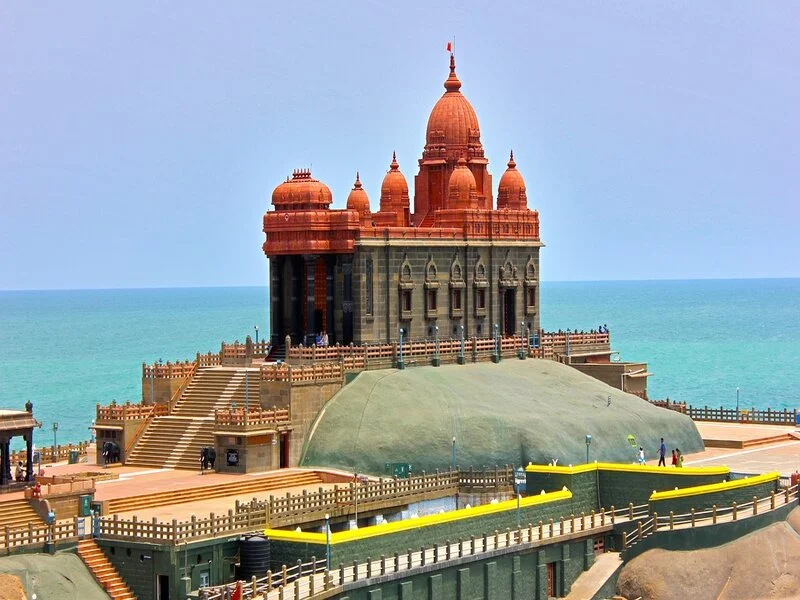
The cool mornings and mild evenings make winter perfect for enjoying sunrise and sunset views, which are the main highlights of Kanyakumari. Visitors can comfortably explore temples, markets, and coastal areas without facing extreme heat or heavy rainfall. Many travelers searching for best time to visit Kanyakumari with family for peaceful and relaxed travel experience prefer this season due to its balanced climate. It is also the peak tourist period, so attractions remain lively. Booking hotels and travel plans in advance is recommended to ensure availability and better pricing during this popular season.
Pleasant Weather – Comfortable temperatures and reduced humidity make it easy to explore beaches, monuments, and outdoor attractions without feeling tired, allowing travelers to enjoy longer sightseeing hours in Kanyakumari.
Best Sunrise and Sunset – Clear skies during winter offer stunning and uninterrupted sunrise and sunset views, which are among the main highlights of visiting Kanyakumari.
Ideal for Sightseeing – Perfect conditions for visiting temples, memorials, beaches, and viewpoints without facing discomfort caused by extreme heat or rainfall.
Family Friendly Season – Suitable weather makes it comfortable for travelers of all age groups, making it an ideal time for family vacations and relaxed trips.
Peak Tourist Time – Higher number of visitors means better atmosphere and activities, but early booking is necessary to avoid last-minute inconvenience and higher costs.
Summer Season (March to June)
Summer in Kanyakumari is characterized by high temperatures and increased humidity, which can make outdoor travel slightly challenging for visitors. Temperatures often rise above 35°C during the day, especially in peak summer months. Despite this, some travelers look for cheap time to visit Kanyakumari for budget travel and fewer crowds experience, as this season offers lower hotel prices and travel deals. Early mornings and evenings remain suitable for sightseeing, while afternoons are best avoided. With proper planning, visitors can still explore key attractions and enjoy a quieter travel experience.
Although the weather can be warm, summer allows travelers to explore the destination without heavy crowds, making it more peaceful. Beaches are less crowded, and sunrise and sunset views can still be enjoyed comfortably during cooler hours. Travelers searching for off season travel in Kanyakumari with less crowd and better hotel deals often choose this period. Planning indoor visits, staying hydrated, and scheduling activities wisely can help manage the heat effectively. While not the most comfortable season, summer can still provide a relaxed and budget-friendly travel experience for visitors.
High Temperatures – Daytime heat can be intense, so it is important to plan outdoor activities during early morning or evening hours for a more comfortable experience.
Budget Travel – Lower hotel rates and travel discounts make this season suitable for travelers looking to save on accommodation and expenses.
Less Crowded – Fewer tourists allow visitors to explore attractions in a peaceful and relaxed environment without heavy rush.
Flexible Planning – Travelers can plan their schedule according to weather conditions and avoid peak heat hours for better comfort.
Travel Tips – Carry water, wear light clothing, use sunscreen, and avoid midday travel to manage heat effectively during your trip.
Monsoon Season (July to September)
Monsoon in Kanyakumari brings moderate to heavy rainfall, transforming the region into a lush and refreshing destination with enhanced natural beauty. Many travelers search for best time to visit Kanyakumari for greenery and peaceful coastal experience during monsoon season, as the landscape becomes vibrant and visually appealing. The temperature remains moderate compared to summer, and the environment feels cooler due to regular rainfall. Beaches, hills, and surrounding areas appear fresh and scenic, offering a different charm than other seasons. This time is suitable for travelers who enjoy calm surroundings, light rain, and a more relaxed travel atmosphere in Kanyakumari.
Rainfall during monsoon can sometimes affect travel plans, especially outdoor activities and ferry services to popular attractions. However, with proper planning, visitors can still explore indoor sites and enjoy the beauty of the season. Travelers looking for offbeat time to visit Kanyakumari without crowd and rush during rainy weather conditions often prefer this period. The reduced number of tourists creates a peaceful environment, making it ideal for relaxation. Carrying rain gear and checking weather updates in advance helps ensure a smooth travel experience during the monsoon season.
Refreshing Climate – Rainfall cools down the overall temperature, making the environment more comfortable compared to summer and creating a pleasant atmosphere for relaxed travel in Kanyakumari.
Scenic Greenery – Surroundings become lush and vibrant, enhancing the beauty of landscapes, beaches, and nearby hills, making it ideal for nature lovers and photography enthusiasts.
Less Tourist Crowd – Fewer visitors during monsoon allow travelers to explore attractions peacefully without rush or overcrowding.
Budget Friendly Travel – Off-season discounts on hotels and travel services make it a cost-effective time to plan your visit.
Travel Caution – Carry umbrellas, raincoats, and check weather forecasts regularly to avoid inconvenience due to sudden heavy rainfall or changes in weather conditions.
Month-Wise Travel Guide for Kanyakumari
Understanding Kanyakumari month by month helps travelers plan better and choose the most suitable time according to their preferences. Many visitors search for best month to visit Kanyakumari for sightseeing, weather comfort, and travel planning throughout the year, and this breakdown provides clear guidance. Weather conditions, humidity levels, and rainfall vary across months, directly affecting travel experiences. Some months are ideal for outdoor activities, while others are better suited for budget travel or peaceful visits. A month-wise understanding ensures proper planning, better time management, and a more comfortable and enjoyable travel experience in Kanyakumari.
October to February – These months offer pleasant weather, clear skies, and ideal conditions for sightseeing, beaches, and outdoor exploration across Kanyakumari.
March to May – Summer months bring higher temperatures, suitable for budget travelers who prefer fewer crowds and lower accommodation costs.
June to September – Monsoon season brings rainfall and greenery, creating a scenic environment but requiring flexible travel planning.
December and January – Peak tourist months due to comfortable climate and holiday season, attracting a higher number of visitors.
Festival Period – Local festivals and cultural events during winter enhance travel experience and provide deeper cultural insights.
Best Time Based on Travel Preferences
Choosing the right time to visit Kanyakumari depends on your travel goals, comfort level, and the type of experience you are looking for. Many travelers search for best time to visit Kanyakumari based on travel preferences like family trip, budget travel, or peaceful experience, and each season offers something different. Winter is ideal for comfortable sightseeing, summer suits budget-conscious travelers, and monsoon provides a calm and scenic environment. Understanding your priorities helps in selecting the most suitable season. Planning your visit accordingly ensures a smoother journey, better experiences, and a more enjoyable time exploring Kanyakumari.
Travelers who prefer pleasant weather and active sightseeing should choose winter, while those looking for fewer crowds and lower costs may consider summer. Monsoon is perfect for visitors who enjoy nature and peaceful surroundings. Aligning your travel plans with the right season helps avoid discomfort and enhances your overall experience. Whether you want relaxation, cultural exploration, or scenic beauty, choosing the right time plays an important role in making your Kanyakumari trip memorable and comfortable.
For Sightseeing – Winter season offers the most comfortable weather, making it ideal for exploring beaches, monuments, and temples without facing extreme heat or rainfall.
For Budget Travel – Summer provides lower hotel prices and fewer crowds, making it suitable for cost-effective travel plans.
For Peaceful Experience – Monsoon offers calm surroundings and less tourist rush, ideal for relaxation and quiet travel.
For Family Trips – Winter is best suited due to comfortable weather conditions that are convenient for all age groups.
For Nature Lovers – Monsoon enhances greenery and scenic beauty, making it a great time for photography and nature exploration.
Travel Tips for Planning Your Visit
Planning your trip carefully helps in making the most of your time in Kanyakumari. Many travelers look for travel tips to choose best time to visit Kanyakumari with comfortable weather and smooth planning, and following a few simple guidelines can improve your experience. Weather conditions, accommodation availability, and travel schedules play an important role in planning. By preparing in advance and choosing the right season, you can avoid inconvenience and enjoy a stress-free journey. Proper planning ensures that your visit remains comfortable, enjoyable, and well-organized throughout your trip.
Check Weather Updates – Always review weather forecasts before traveling to avoid unexpected rain or extreme heat conditions.
Book in Advance – During peak winter season, book hotels and transport early to avoid higher prices and limited availability.
Pack Accordingly – Carry light cotton clothes for summer and light layers or rain gear depending on the season.
Plan Activities Smartly – Schedule outdoor activities during cooler hours like morning or evening for better comfort.
Stay Hydrated – Drink enough water and carry essentials to stay comfortable during travel, especially in warm weather conditions.
Kanyakumari, located at the southernmost tip of India, is famous for being the meeting point of the Arabian Sea, Bay of Bengal, and Indian Ocean. It is also known for its spectacular sunrise and sunset views over the ocean, the iconic Vivekananda Rock Memorial, and the Kumari Amman Temple dedicated to Goddess Parvati. Its cultural, spiritual, and natural significance makes it one of India’s most visited tourist destinations.
The best time to visit Kanyakumari is from October to March, when the weather is cool and pleasant for sightseeing. Summers (April–June) can be hot and humid, while the monsoon season (July–September) brings heavy rainfall, which may limit outdoor activities. Winter is also the ideal time to enjoy clear sunrise and sunset views.
Kanyakumari offers a mix of heritage and natural wonders. Key attractions include the Vivekananda Rock Memorial, Thiruvalluvar Statue, Kumari Amman Temple, Gandhi Memorial Mandapam, and Kanyakumari Beach. Nearby places like Suchindram Temple, Padmanabhapuram Palace, and Vattakottai Fort also attract visitors. Each site reflects the region’s spiritual depth and historical legacy.
The Vivekananda Rock Memorial was built in 1970 to honor Swami Vivekananda, who meditated here in 1892 before embarking on his mission to spread spirituality worldwide. Situated on a rocky island about 500 meters off the coast, the memorial symbolizes India’s spiritual heritage and offers stunning panoramic views of the confluence of three seas.
Kanyakumari is well-connected by rail, road, and air. The nearest airport is Trivandrum International Airport (90 km away) with flights from major Indian cities. Kanyakumari has its own railway station linked to Chennai, Bangalore, and Mumbai. Regular bus and taxi services connect Kanyakumari to nearby towns like Nagercoil and Trivandrum, making it accessible for both pilgrims and tourists.
Kanyakumari is one of the few places in the world where visitors can witness both sunrise and sunset over the ocean. The view is particularly enchanting during full moon days when the moonrise and sunset happen simultaneously. The spectacle of the sun dipping into the ocean with waves crashing on the rocks is a once-in-a-lifetime experience for travelers.
The Kumari Amman Temple is an ancient temple dedicated to Goddess Kanyakumari, believed to be an incarnation of Goddess Parvati. According to legend, she performed penance here to marry Lord Shiva. The temple is over 3,000 years old and holds great significance in Hindu mythology. It is also famous for its diamond nose ring, which is said to shine so brightly that sailors once mistook it for a lighthouse.
A 2-day trip is sufficient to cover the major attractions like the Rock Memorial, Thiruvalluvar Statue, temple, and Gandhi Memorial. If you want to explore nearby destinations such as Padmanabhapuram Palace, Poovar, or Trivandrum, then 3–4 days are ideal. The duration depends on whether you focus only on Kanyakumari or combine it with nearby sightseeing.
Kanyakumari celebrates several vibrant festivals, the most important being the Chaitra Purnima Festival at Kumari Amman Temple. Other major festivals include Navratri, Diwali, and Vaisakha festival, all celebrated with processions, traditional music, and dance. These events not only highlight the temple’s spiritual energy but also showcase Tamil Nadu’s rich cultural traditions.
Kanyakumari is famous for seashell products, handicrafts, palm-leaf items, traditional saris, and wooden souvenirs. Local shops near the beach and temple sell a variety of seashell jewelry and handicrafts unique to the region. Visitors also buy spices, coir products, and handicrafts from Tamil Nadu and Kerala, making shopping here a memorable part of the trip.