

To More Inquiry

Choosing the best time to visit Binsar depends on what kind of experience you want in this peaceful Himalayan retreat. Binsar is blessed with pleasant weather throughout the year, but each season offers something unique. For most travelers, the ideal time is March to June, when the weather is comfortable, the forests are lush, and the skies are clear enough to enjoy long-range Himalayan views. Daytime temperatures remain mild, making it perfect for nature walks, birdwatching, and exploring Binsar Wildlife Sanctuary.
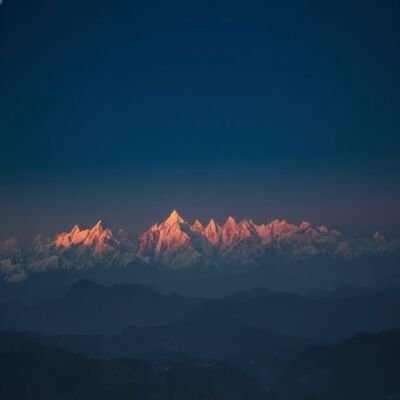
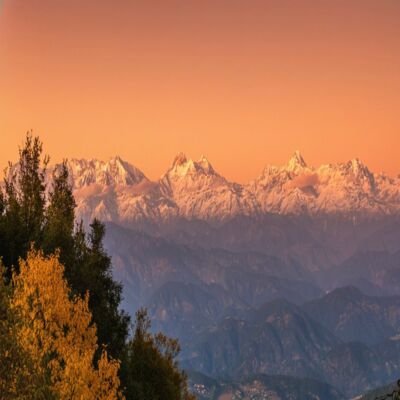
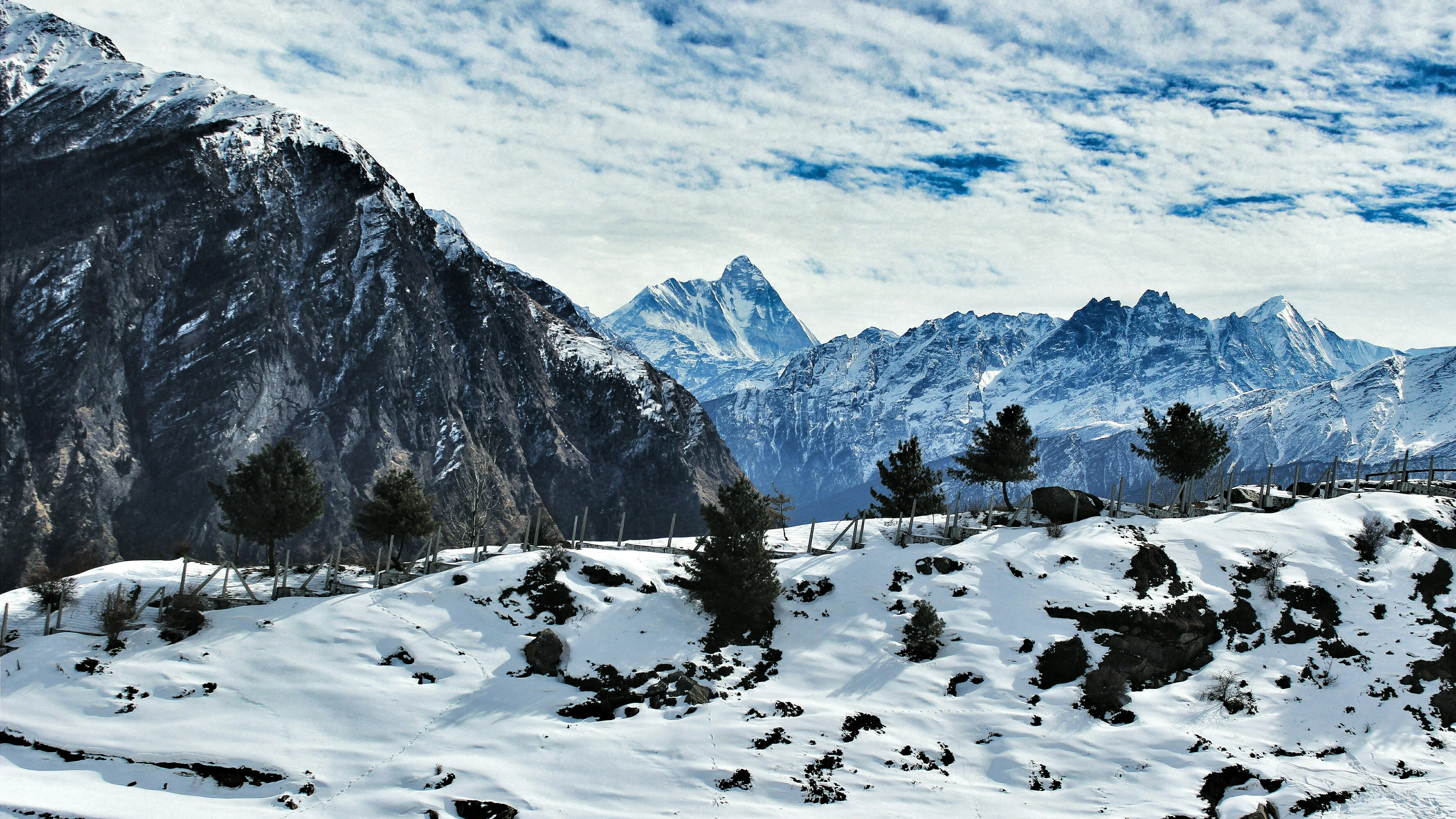
If you prefer cool winds, misty landscapes, and romantic weather, then October and November are excellent months. After the monsoon, the air becomes crisp and clean, offering crystal-clear views of peaks like Nanda Devi and Panchachuli. This is also the best time for photography and hiking.
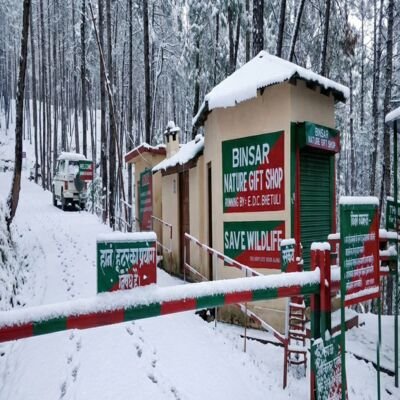
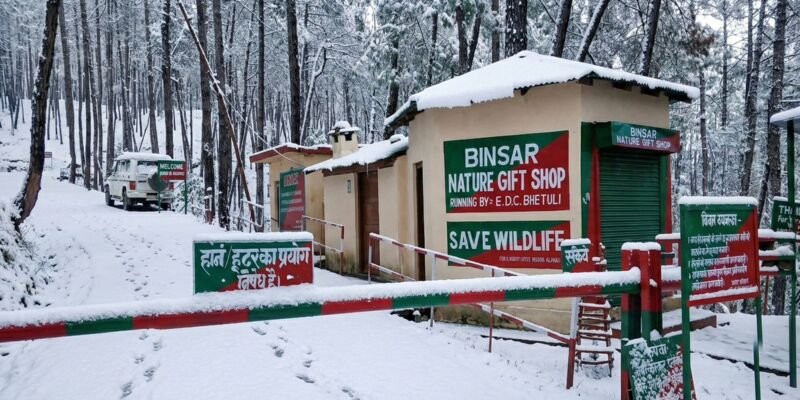
Winter lovers can plan a trip between December and February, when Binsar experiences cold temperatures and occasional snowfall. The forests turn silent and magical, ideal for those seeking solitude and a true Himalayan winter experience. However, carrying warm clothes is essential as temperatures can drop significantly.
The monsoon season, from July to September, brings heavy rain and slippery trails, but the greenery is unmatched for travelers who enjoy peaceful, offbeat vibes. Overall, the best time to visit Binsar is usually spring and autumn, when the weather and views are at their finest.

Binsar is a high-altitude forest destination where seasons change the landscape dramatically. Travellers searching for the best time to visit Binsar, ideal months for wildlife spotting, comfortable weather for forest walks or the clearest Himalayan views must understand how its climate behaves. Because Binsar is located inside a dense wildlife sanctuary, temperature shifts, visibility changes and forest conditions influence the travel experience more than in a normal hill station.
Situated at around 2,400 metres, Binsar remains cooler, quieter and more atmospheric than many destinations in Kumaon. The dense canopy of oak, rhododendron and deodar keeps the forest cool throughout the year, while the high elevation ensures fresh air, clean visibility and strong seasonal contrasts. These geographical factors make each season feel dramatically different.
Key geographical effects:
A brief overview helps travellers choose the right season based on their interests.
Seasonal highlights:
Because Binsar is a nature-led destination, activities like birdwatching, forest walking and sunrise viewing depend on the season. Travellers should pick months that support the experiences they want.
Best seasons by interest:
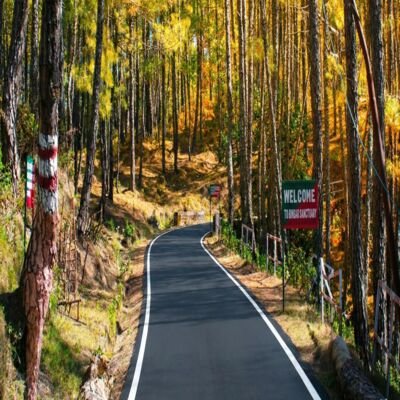
Summer transforms Binsar into a calm, vibrant and comfortably cool forest destination. Travellers searching for the best time to visit Binsar for forest walks, Zero Point views, photography or wildlife movement will find March to June ideal. The weather stays pleasant, the trails remain dry and the forest canopy looks fresh and alive with colour. Because Binsar sits at a high altitude, even peak summer months offer cool breezes and shaded walking conditions.
Binsar’s summer is nothing like the heat of the plains. The dense forest and high altitude keep the temperature consistently cool. Visibility also remains good during most days, making it ideal for walking and sightseeing.
Summer climate features:
The comfortable climate makes summer the easiest season for all kinds of travellers.
Summer is the season when Binsar offers a balanced mix of wildlife, forest activities and viewpoint experiences. Travellers can enjoy multiple outdoor activities without weather interruptions.
Top summer experiences include:
Because Binsar is peaceful and naturally shaded, summer becomes one of the most family-friendly seasons. Couples and slow travellers also appreciate the calm temperature and scenic trails.
Summer advantages:
Although summer is comfortable, a few practical tips help travellers enjoy the season better.
Useful tips:
Monsoon and autumn bring dramatic shifts to the atmosphere of Binsar. Travellers searching for the best time to visit Binsar for greenery, misty forests, crystal-clear Himalayan views or peaceful nature experiences must understand how these two seasons create completely different environments. While monsoon paints the sanctuary in lush green and fills it with misty charm, autumn offers unmatched visibility, golden light and some of the clearest views of the entire Himalayan range.
Monsoon is the most atmospheric and mystical season in Binsar. The forest comes alive with deeper colours, wet moss, refreshed vegetation and increased bird activity. Travellers who enjoy misty walks, cool drizzles and silent forest ambience will appreciate monsoon’s charm.
Monsoon highlights:
Considerations:
Despite the rain, monsoon offers unique experiences that cannot be enjoyed in other seasons.
Recommended activities:
Autumn is widely considered the best time to visit Binsar for Himalayan views, wildlife activity and comfortable forest walks. Once the monsoon clouds clear, the sanctuary enjoys sharp visibility, cold breezes and bright golden sunlight.
Autumn highlights:
Autumn offers balanced weather, excellent visibility and fewer disruptions, making it suitable for all kinds of travellers, from photographers to families.
Why travellers prefer autumn:
Winter brings a quiet stillness to Binsar that many travellers find magical. The forests turn crisp, the air becomes cold and pure, and the sanctuary takes on a reflective silence. Travellers searching for the best time to visit Binsar for peaceful retreats, photography, wildlife tracking or slow forest walks will appreciate winter’s gentle charm. This season offers solitude, scenic clarity and ideal conditions for those who enjoy cold-weather travel.
Binsar’s winter weather is cold but manageable. Unlike higher Himalayan regions where snow falls frequently, Binsar remains accessible, offering a calm winter environment without extreme conditions.
Winter climate characteristics:
Travellers who enjoy crisp air and peaceful landscapes will find winter ideal.
Winter is one of the most atmospheric times to experience the sanctuary’s forests. The combination of silence, golden light and cool weather makes even simple walks memorable.
Recommended winter activities:
These experiences provide a slow, calming and restorative winter holiday.
Although winter is beautiful, travellers must prepare properly to stay comfortable in the cold forest environment.
Winter travel advice:
These tips ensure a safe and enjoyable winter visit.
Binsar is a year-round destination, and each season offers something distinct. Travellers should choose their timing based on the experience they want.
Best time by travel preference:
Overall best time for most travellers:
March–June and October–November offer the most balanced weather, best trail conditions and excellent visibility.
Discover the tranquil beauty of the Himalayas with the strong data-end data-start Binsar Tour Package from ...
Per Person
Experience the serene beauty of the Kumaon Himalayas with the strong data-end data-start Almora Binsar Tour ...
Per Person
Showing 1 of 1 pages
You can anytime request for a pocket friendly and customized package as per your requirements.
No need to pay complete amount in one go, it can be paid in 3 installments of 30%, 30% and 40%.
Our travel support is available in your assistance at all times for a hassle free trip.
We are having the expertise of planning more 5000+ tours all around India.
While being on a Binsar tour you can explore some of the fascinating destinations that are located in proximity. If you extend your days in the Binsar tour package then you can explore some of the beautiful hill stations such as Bageshwar, Kausani, Jageshwar, Jalna, Katarmal etc.
Pantnagar Airport is the nearest airport located at a distance of 152 kilometers from Binsar you can get a direct flight from Delhi International Airport. The nearest railway station is located at Kathgodam which is at a distance of 130 km and can be covered in the time span of 2 hours and 40 minutes.
The best and ideal time to visit Binsar is throughout the year as the climate stays wonderful consistently. During winter months the excellence of Binsar gets improved as the ground is covered with a white day off, and seeds with blossoms give a marvelous view. Winter is the ideal opportunity for bird watchers and especially night lovers.
Some of the famous restaurants, serving really good local cuisines in Binsar are Dolma Restaurants, Hotel Narendra Palace, Kaafal Cafe, The Kasar Kitchen, Anjana, Garden Restaurant, and Swarnika Restaurants. There is a huge variety of accommodations in Binsar and the tourist can choose as per their requirement from budget hotels to luxury hotels.
The temperature of Binsar throughout the late spring month stays typical, from 15°C to 30°C. It gets the normal precipitation during the rainstorm month. It stays freezing and crisp throughout the colder time of year month and the temperature goes from 0°C to 20°C. You need to convey your light woolens throughout the mid-year month and weighty woolens during the period of winter.
Binsar, also known as the paradise for bird watchers, also has some of the prominent tourist attractions that can be visited. Some of the major attractions in Binsar are Mahadeva temple, Mary Budden estate, Binsar Sanctuary Museum, and Golu Devta Temple. The trip to Binsar can be enjoyed for a minimum of 2 days.

Fill the form or call us on :+91-9557559891